
Let us turn our heads heavenward and, while thanking Him for sparing so much human life, beseech G-d to restore health and well-being to those who are suffering!
— Chabad.org
 Shanah tovah (שנה טובה). Happy new year, everyone.
The last year has been a good one for our family — poo, poo, poo!
Georgia is enjoying fifth grade, her last at our elementary school. She has really begun to excel in the music program there. She plays violin and takes private lessons at the school, a music magnet, and she continues to take piano lessons with a private teacher outside of school. Yesterday, after I met her for lunch at school, she gave an impromptu piano concert for the entire fifth grade in the cafeteria! It was really magical. She’s also started taking tennis lessons, which she really enjoys (especially because tennis was Tracie’s sport in high school).
Lila Jane continues to take cello at school and piano privately. She’s also in the advanced choir at school. Next month, her school choir will sing the national anthem at the Houston Texans’ football game! (The choir teacher is a Grammy-winning children’s choir maestra and so the group gets some cool gigs like this. They are insanely good.) She also continues to write elaborate comic strips (pages and pages long, with illustrations, dialog and narrative). And she’s also become a writer for the school’s nascent paper. Last night, she was so eager to write a report that she insisted on bringing her laptop to the dinner table.
Both girls are starting to speak a little Italian and they are begging me to take them to Venice next summer (we’ll see!).
Tracie’s new career as a realtor also continues to flourish. Even though the market isn’t as “hot” as when she first began, her hard work and devotion have really paid off. We are a dual-income family now and that’s helped us accelerate our path to our financial goals.
Now that she is more steady and confident in her professional life, I’ve begun to travel for my work a bit more. I still do all the caretaking when I’m in town and I do nearly all of the cooking, which has reignited my culinary skills (that has been really fun).
The new focus in my work is my translations of ancient Italian texts on wine. A University of Toronto imprint has already agreed to publish my first one (a 14th-century work) and we already have a second and third book lined up in the series. It’s immensely rewarding for me to combine my skills and experience as an academic with my knowledge of viticulture.
As the old folks used to say (and I’m getting to be one of them), poo, poo, poo!
We have too many blessings to count.
The world beyond our home often seems perilous and precarious these days. But our home life and our community is an oasis where the girls are growing up healthy and safe — the greatest blessing in our lives.
On this Rosh Hashanah (new year), we pray for our sisters and brothers in Ukraine and Puerto Rico, we pray for the Venezuelan migrants, we pray that our leaders may rise to the occasion with grace and wisdom as our country and the world face seemingly unsurmountable challenges. We pray that our children and all children may be safe.
Shanah tovah. Happy new year.
Let us all simply shower one another with blessings!
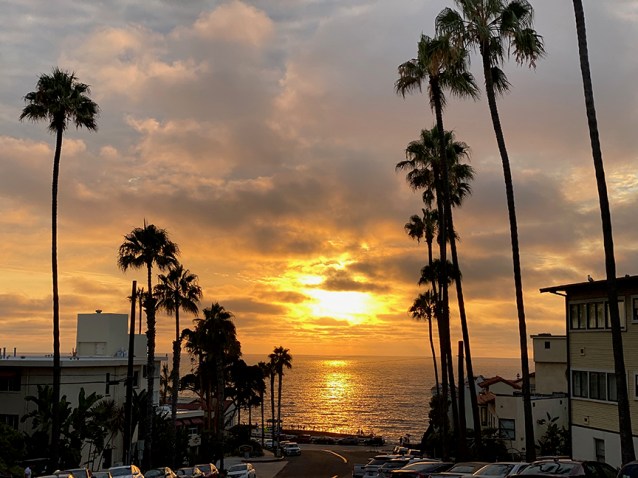 The Parzen family just got back from our yearly summer trip to La Jolla, California to visit our family and friends there. It was an awesome trip.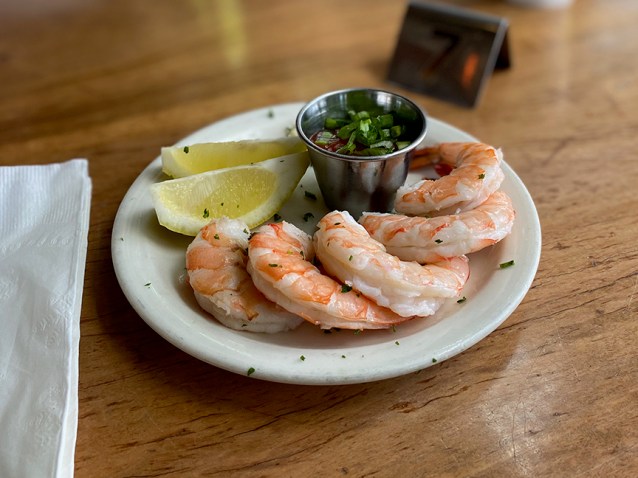
 Houston’s light rail seemed the wisest way to get to downtown for Friday’s
  Image via
 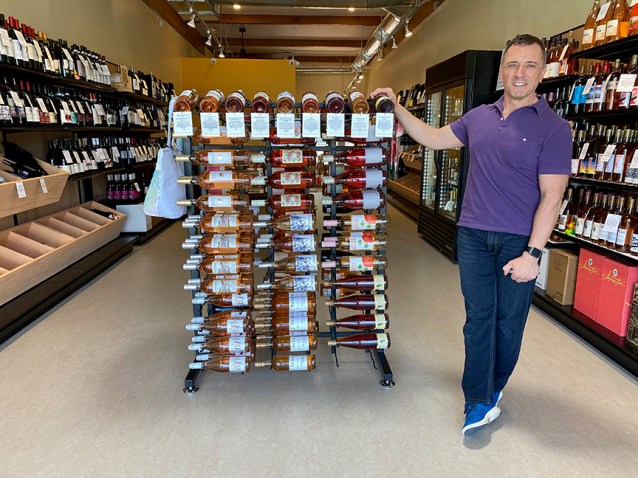 Just had to give a shout-out this week to John Libonati (above) and his awesome natural-focused wine shop
 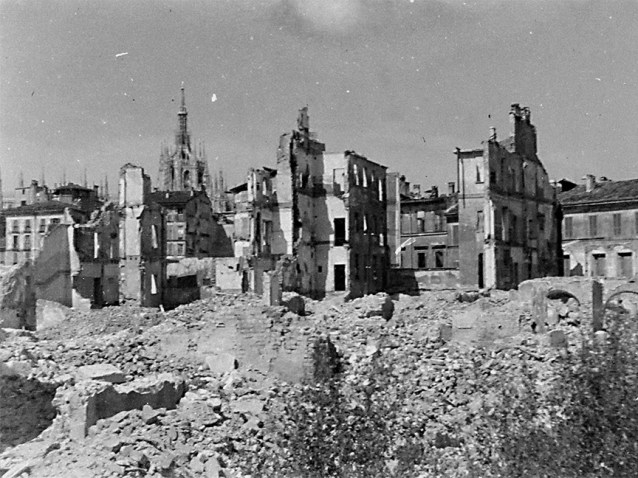 Above: an image captured in Milan in 1943. Note the Duomo in the background. Image via
 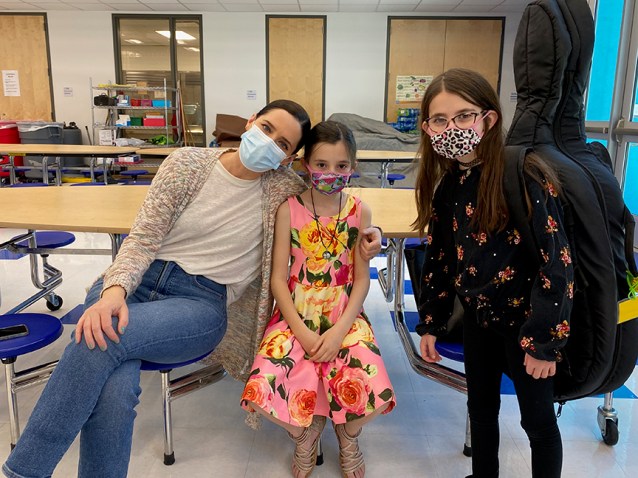 This year as we prepare to celebrate the Passover, our family knows how fortunate we are to enjoy good health and security. With everything going on in the world today, we take time each and every day to tell each other that we love each other and to let each other know that we support one another.
 Georgia and Lila Jane have both been doing well in school. And we all enjoy their music.
 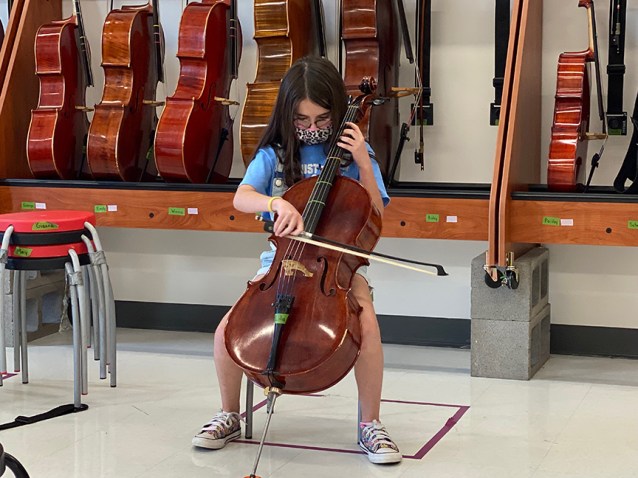 Georgia plays violin and piano and is in advanced choir at school. Lila Jane plays cello and piano and is in beginning choir.
  Tracie’s work is going really well (poo poo poo!). And now that the wine business is back in full swing, my work is also going well.
 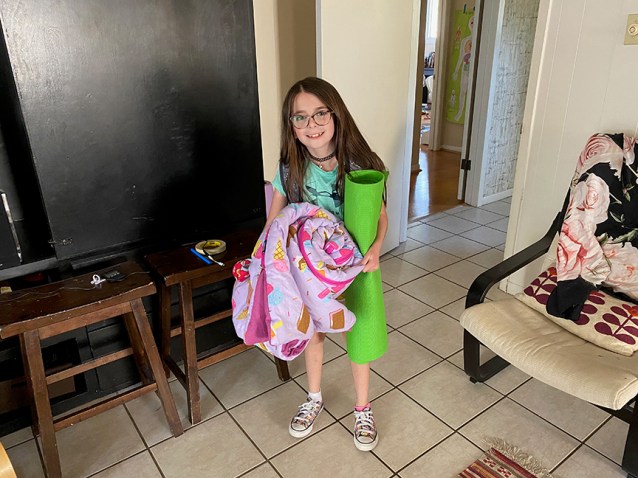 We are much closer to our financial goals than we could have ever imagined in 2022. The light is appearing at the end of the tunnel, which is great.
 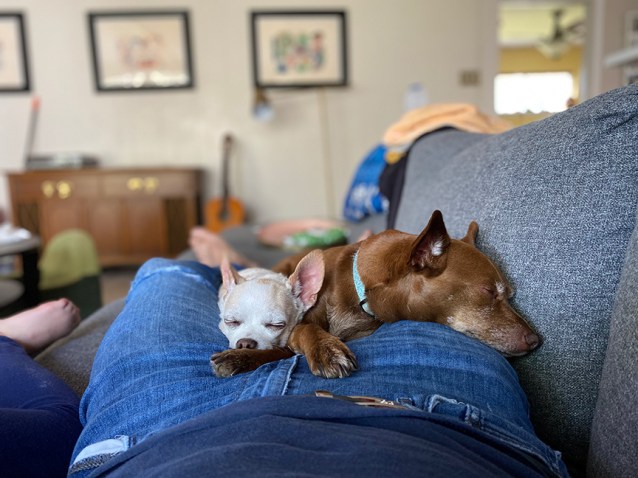 Tracie has done an amazing job and there’s not a day that goes by that I don’t remind her that she makes our lives whole.
 Since the late 1980s, Italian cuisine in the U.S. has been shaped by a tension between traditional- and creative-leaning forces.
 Making my way over to Cotogna from my hotel in San Francisco the other night, I couldn’t help but remember a chilly winter evening in the late 80s when I stopped a man on the street and asked him if he knew the way to a certain “trattoria,” a name for pseudo-Italian restaurants that had become popular in the second half of the decade.
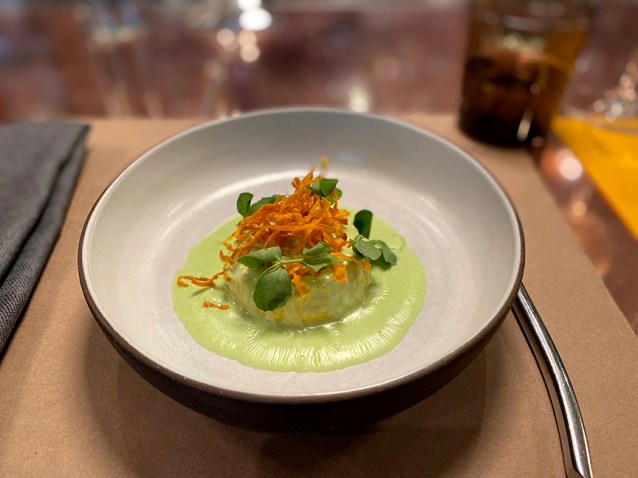
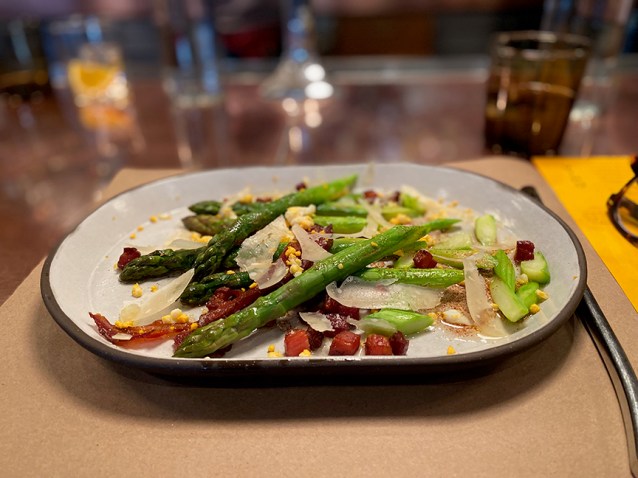
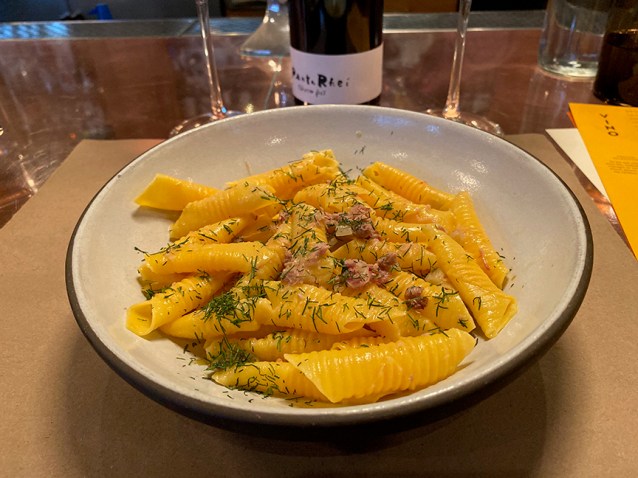 The carrot sformato (first photo) blew me away with its ethereal texture and subtle dance of bold but elegant flavors. Sformato — properly called a savory custard in English — is all about the texture. It should be firm but light, rich but buoyant. I know already from my Instagram that people agree with me: this dish was nothing short of show-stopping. I loved it.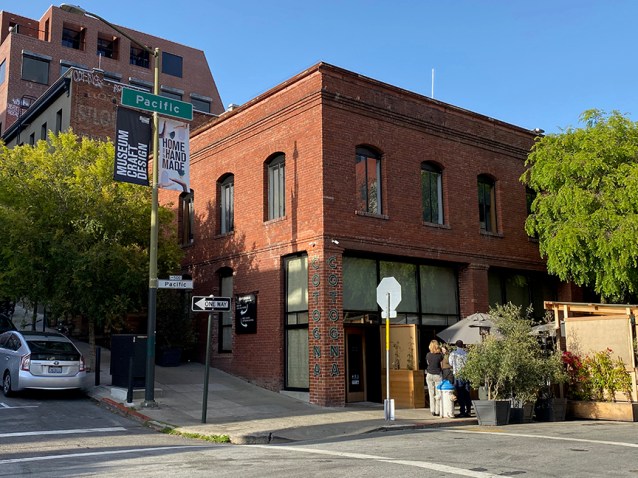
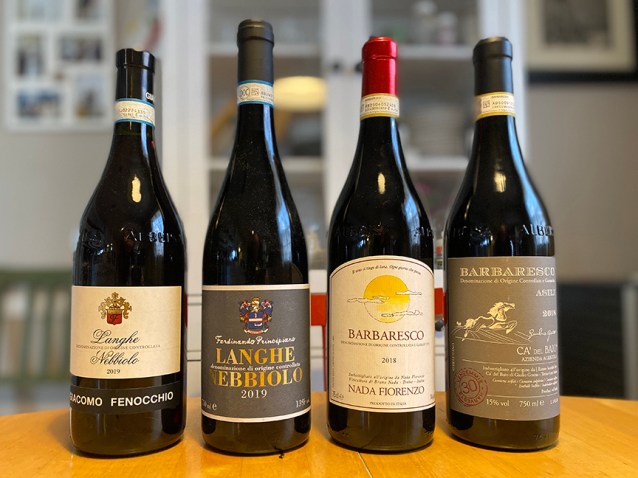 Above: Nebbiolo currently on deck at our house.
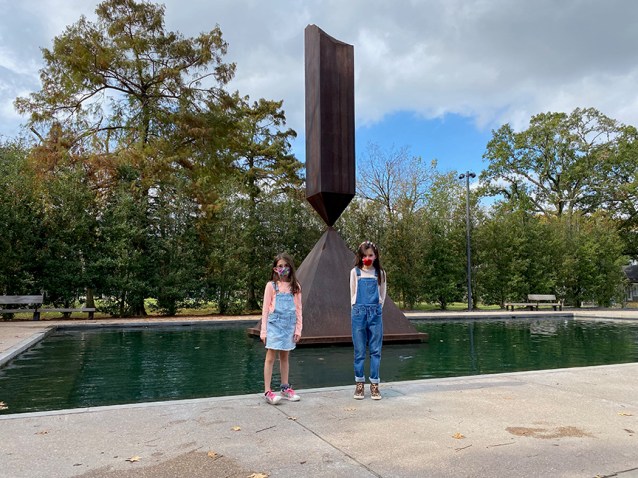 In 1969, the Houston-based art collectors and civil rights activists
 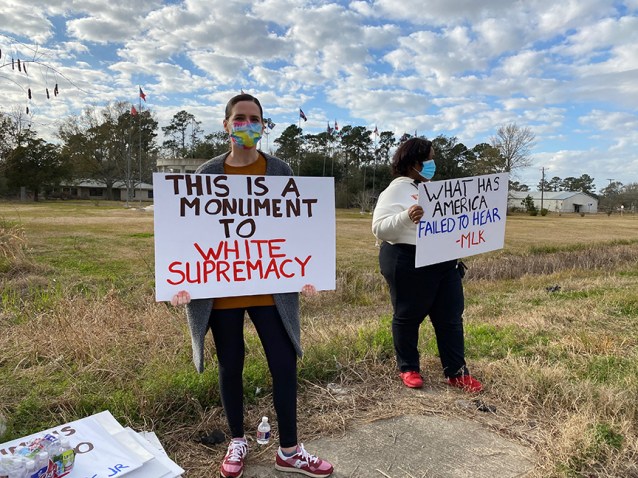 Given the history of racist violence in southeast Texas, where Tracie was born and where we have lived for the last nine years, it was devastating to learn that White Supremacists planned to build a neo-Confederate memorial along Interstate 10 in Orange, Texas where Tracie grew up and where we spend a lot of time with our children.
  The City of Orange tried unsuccessfully to block the construction of the memorial, which lies on private property owned by the Sons. But they did manage to limit the height of the flagpoles so they can’t be seen from the freeway. It sits on MLK Dr., one of the town’s major arteries. For the people who have to drive by it every day, it is a reminder of the racist violence that has plagued the city since Reconstruction and beyond.
  Merry Christmas and happy new year from the Parzen family!
 Both girls are doing well, getting good grades at school and playing piano (both) and violin (Georgia) and cello (Lila Jane). Both girls are also in their school’s choir program.
 They both made the cut for the “performers” orchestra at their school this year.
 One holiday season highlight was their performance at the mayor’s tree lighting festival. It was their first taste of playing on a big stage, with lights and cameras etc. And the entire event was produced as a holiday show by the local ABC affiliate. It was amazing to watch the girls watch themselves on TV! They loved it! As did their parents.
 The biggest news of our year was that Tracie went back to work full time for the first time since Georgia was born in 2011. In early 2021, she obtained her realtor license and by April she had already landed at an old line Houston firm.
 My work picked up again early this year and it’s actually turning out to be a good year for me work-wise.
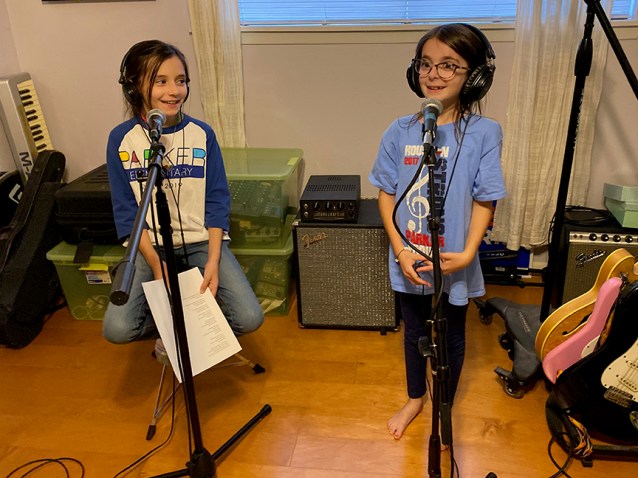 As we’ve spent more time at home over the past 12 months, the girls have become more interested in the recording arts. And they sing on a couple of tracks on our new album, “Falling in Love Again.”
