
 Image via Shutterstock.
In their most recent weekly dump, the venerated Italian wine authority and éminence grise of the wine blogging world, Alfonso Cevola, takes aim at wine bloggers, wine influencers, and the wine industry publicists. As they reveal in their post, they are acutely aggrieved by wine media trips, “junkets,” as they call them.
“It’s a waste of time and money,” they write, “and it does a disservice to the already enlisted multitudes all over the world who are legitimately trying to put your bottles into the hands of loving customers, day after day.”
They seem particularly peeved by a publicist who recently invited them on a trip to California wine country. The perceived offense? They invited them only two weeks out from the trip start date and they didn’t write them back after they responded that they wouldn’t be attending.
With all due respect to dottor Cevola, one of the most revered wine professionals in the country (now retired), this is the umpteenth example of the bile-fueled, maligned, and myopic rhetoric that continues to flow from the keyboards of self-righteous wine media figures like them — most of them on the older side, like them.
While they wildly swing their bat at the PR piñata, it doesn’t occur to them that the publicist they are striking is probably a young person in their first job or early career. The person who authored the invitation is most likely just trying to do their job, like the person who drops off a flier for a fast food restaurant on your doorstep.
Cevola entitles their post “Keep On Trucklin’ – Press Junkets in the Age of Disruption.”
Despite their title, they do not seem to be aware the entire wine industry, including wine media and wine PR, is undergoing major upheaval. Long-time publicists for top wine importers are being laid off across the trade. Similarly, young publicists and marketing professionals are struggling to hang on to their jobs as the big PR firms downsize.
Why they feel compelled to train their ire on the wine PR world is probably driven by other forces than the supposed incompetence or ill intentions of publicists in wine today. Why call out a young person for simply sending you an invitation?
In an industry that is rapidly changing in the wake of the ongoing pandemic and logistics crisis, not to mention a world war and inflation, we all need to be more mindful and sensitive of and for our colleagues. The answer is not to berate them. No, we will all rise together when we treat each other with the dignity we deserve. And we all — all of us — need to start treating media workers like the human beings that they are. Not the punching bag for embittered former members of the trade.
The other folks they have it out for are the bloggers and influencers, whom Cevola calls “hangers-on”: “A good number of them go from event to event, eating and drinking well, staying in nice places, being chauffeured around in temperature-controlled autobuses [sic]. And then on to the next junket. Don’t believe me? Check out their Instagram feeds: Tuscany today, Penedès tomorrow – they keep on truckling!”
What they don’t realize is that he continues to receive invitations to trips like this because the industry perceives them as a hanger-on. As the age-old adage goes, it takes one…
Or even better in Cevola’s case, they who smelt it…
To folks who work on the receiving end of these invitations and wine industry press releases, please remember that the person on the other side of that email is just a human being trying to do their job.
My post today is a heartfelt shout-out and warm thanks to all the people who are trying to make the world a better place to enjoy wine. We appreciate what you do and we know that you play a vital role in our industry. Thank you!
Please consider giving to Unicef’s Ukraine child refugee fund. This link takes you straight to the donation page.
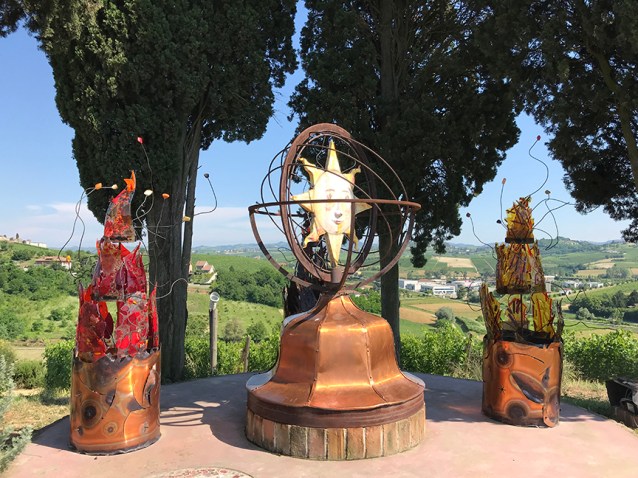 Next week I’ll be leading my “What’s So Sexy about Moscato d’Asti” seminar and tasting in Dallas at the legendary ZaZa hotel.
 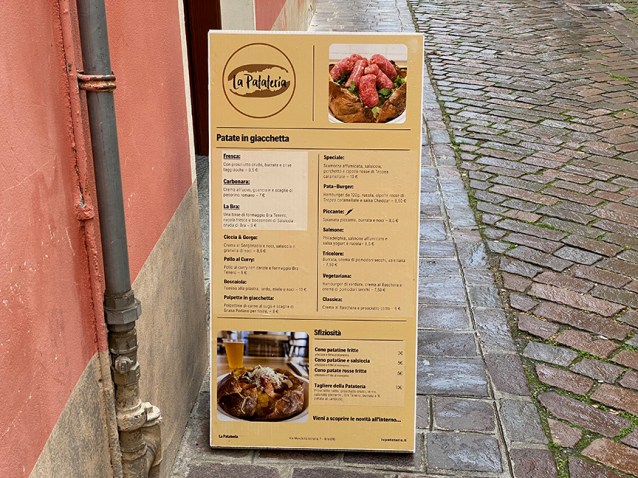 Today’s post is the fourth in a series on my favorite places to eat in (my) Bra (Cuneo province, Piedmont) where I teach at the Slow Food University of Gastronomic Sciences. The toponym Bra comes from the late Latin braida, meaning a suburban field for farming.
 My Bra seems to be a laboratory for new fast food and casual food concepts. Last year when I visited, a new hamburger place had opened. It’s called
 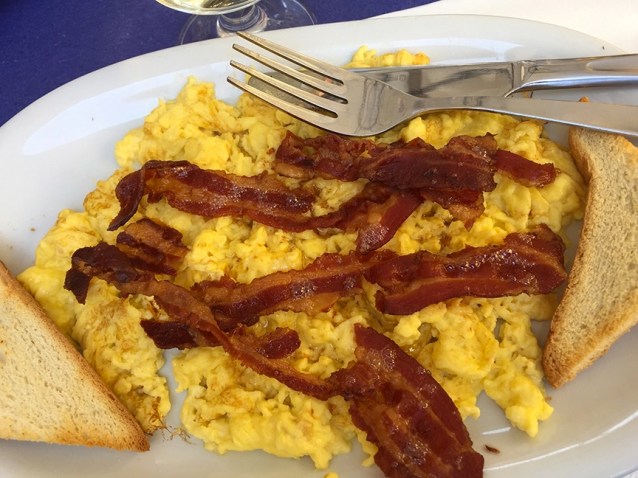 That’s “bacon and eggs” at a writerly café in Milan a few years ago. Not an American in sight but plenty of people eating American breakfast food — for lunch.
 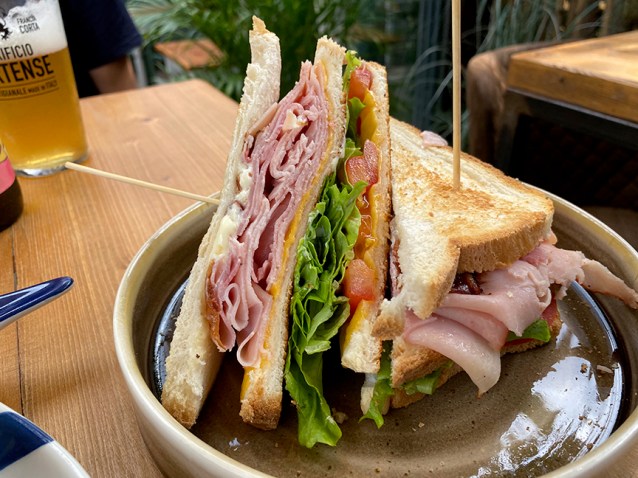 The quality of the bread is also generally much better than in the U.S. Again, thanks to higher quality ingredients in my experience. That’s a club sandwich on Lake Iseo last year. It was fantastic. The Italians generally use homemade mayonnaise, as in this rendering of the American classic diner dish. It’s wonderful.
 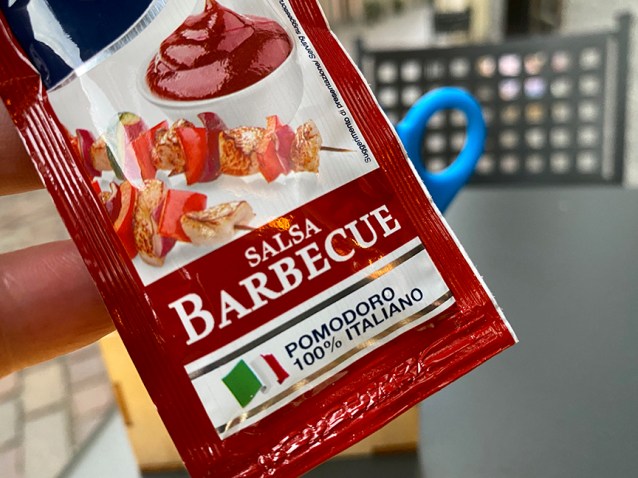 But Italian barbecue sauce made with genuine Italian tomatoes? No, this Texifornian couldn’t do it!
  Today’s post is the third in a series on my favorite places to eat in Bra (Cuneo province, Piedmont) during my seminars at the Slow Food University of Gastronomic Sciences in (my) Bra. The toponym Bra comes from the late Latin braida, meaning a suburban field for farming.
 I know people are freaking out right now that I paired a Barolo with asparagus. But in Italy, people are a lot more chill about shit like that.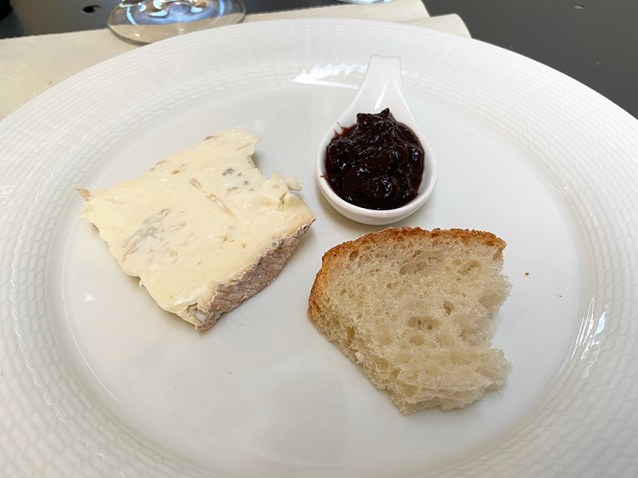
 Above from left, Italian Consul General Federico Ciattaglia, Italian MP for North and Central America Fuscia Nissoli, and Houston Councilwoman Mary Nan Huffman.
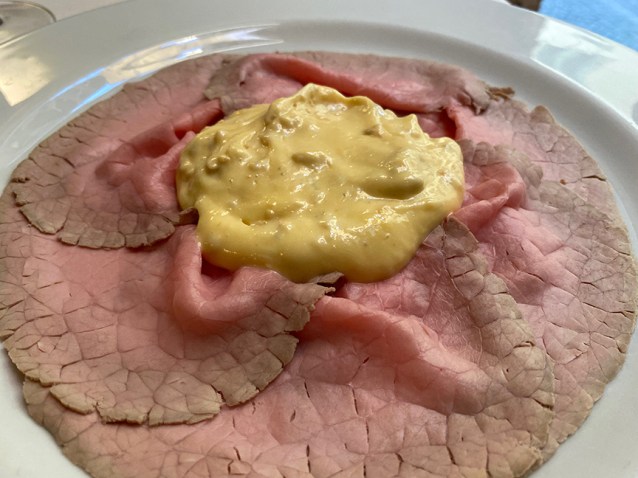 Today’s post is the second in a series on my favorite places to eat in Bra (Cuneo province, Piedmont) during my seminars at the Slow Food University of Gastronomic Sciences in (my) Bra. The toponym Bra comes from the late Latin braida, meaning a suburban field for farming.
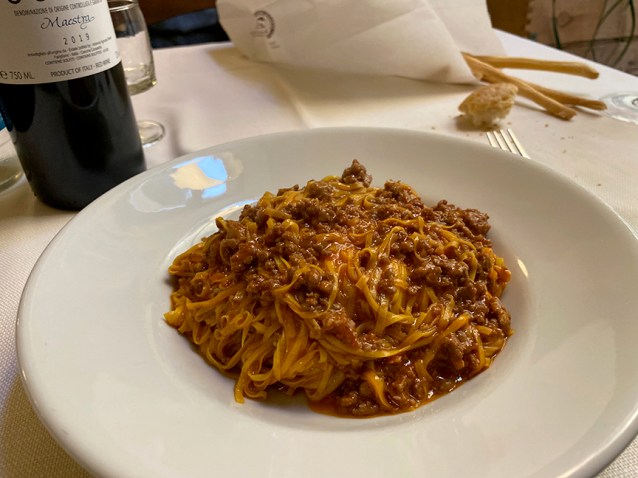 Although not my favorite, Gallinaccia is solid. The staff is friendly. And the interior evokes a between-the-wars ambiance.
  Image via the
  Houston’s light rail seemed the wisest way to get to downtown for Friday’s
  Image via
  My recent trip to Italy to teach at Slow Food U was a whirlwind. My itinerary and schedule had me on the ground for literally four days. Because the timing was so tight (including a day with two back-to-back three-hour seminars), wine country visits and trips to Piedmont’s many great dining destinations were not possible.
  Over the seven years of my teaching gig there, one of my favorite first stops has always been Local, the university’s food shop and casual restaurant. It’s expensive, as the students always complain. But the food products there are phenomenally good.
  Dissertations could be scribed on this mainstay of Piedmontese gastronomy. In many ways, it represents the basic building blocks of the Roero-Langhe-Monferrato culinary cannon. Vitello tonnato couldn’t exist without those anchovies. Nor could bagna cauda.
  Do Bianchi