
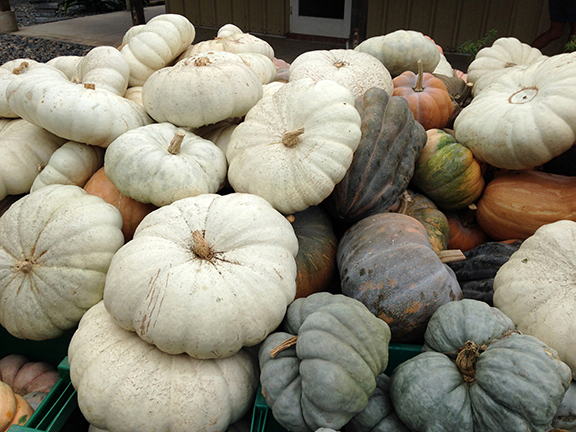
 Here at home in Houston, we spend an inordinate amount time talking about butterflies, dinosaurs, and rocket ships. Thankfully, the little domestic bubble our microtexans (ages 2 and almost 4) inhabit is impermeable to the helter-skelter world outside.
I thank goodness for that: for as long as is humanly possible, Tracie P and I are determined to shelter our children from the blood-curdling news that seems to arrive from Europe, Africa, and the Middle East every day.
O tempora o mores! wrote Cicero during another tumultuous chapter of western civilization.
“Oh times, oh manners!” Edgar Allan Poe would translate the great Latin orator’s exasperation some two thousand years later, give or take a few.
What a time we live in! Where has our decency gone?
As the unspeakable atrocities of international terrorism drive political discourse in our country, there is talk of religion-based “registries” and a closing of our nation’s borders to humanity’s most downtrodden.
“The Statue of Liberty must be crying with shame,” quoted New York Times columnist Nicholas Kristof in his Saturday opinion, referring to a tweet from a reader.
Our children’s paternal great-great-grandparents were refugees who fled war and persecution, religious-based registries and closed borders in Europe. (You might be surprised by the refugees that Kristof alludes to in his piece.)
“They work, they have children, and they finance Europe,” wrote Maurizio Ricci (back in September, before the Paris attacks) for the Repubblica–Bloomberg financial pages in a widely cited opinion piece. It’s estimated, he noted, that Europe will need 250 million immigrants by 2060 in order to sustain its civil society.
One of the reasons that immigrants will play such a vital role in the next generations of Italian life is that Italy has the lowest birthrate in the industrialized world today (according to ISTAT, Italy’s national institute of statistics).
Although there have been a few moderate spikes in population growth there in the last century (notably in the period that immediately followed the Second World War), Italy’s birthrate is the lowest it’s been in 150 years (according to a report published earlier this year).
Anecdotally, as someone who attended university in Italy in the late 1980s and early 1990s, I can tell you that few of my Italian friends from that period of my life have married and started families. Of the literally scores of my Italian middle-class, college-educated, and now nearly fifty-year-old counterparts with whom I regularly keep in touch (primarily through social media channels), hardly a third of them have children.
That’s not because I like being friends with childless peers. It’s because the socio-economic outlook for mid-life Italians (my peers) is so bleak that few have seen the point in making more Italians.
“Midway on our life’s journey, I found myself/In dark woods, the right road lost…,” wrote the poet (as translated by Pinsky).
In the light of this ongoing demographic trend, the news of a baby born Saturday in the land of Verdicchio (in the Marches, in Adriatic central Italy) was greeted by exclamations of joyous wonderment in the Parzen household.
Friends of ours, a couple (whom I won’t name here out of respect for their privacy) who faced fertility challenges, finally have the baby boy they had so patiently awaited and desired for so long.
They live in the country and grow grapes for wine and olives for oil without the use of chemicals or additives. They advocate for wholesome living and sustainable consumption. They count their carbon footprints down to the weight of the bottles they ship their wines in.
Their child has been born atop an atoll of idealism that sits amid a sea of uncertainly. As my mother-in-law would rightly say, he is a miracle… a precious miracle.
Their new son is just one of the things that I will be grateful for this Thanksgiving. Among my blessings, I will count him along with butterflies, dinosaurs, and rocket ships.
Happy Thanksgiving, everyone.
I’m taking the rest of the week off from blogging. See you next week!
 It’s official: I’ll be doing the last tasting of the 2015 Franciacorta Real Story campaign in Seattle on December 7 at Osteria La Spiga.
 Above: Tony served salt-encrusted Gulf of Mexico red snapper for 300+ persons last night.
 Above: the snapper was served in a Barolo reduction, a Tony’s classic. In the arc of the menu’s narrative, this dish represented the 1970s and America’s “culinary awakening,” said Tony.
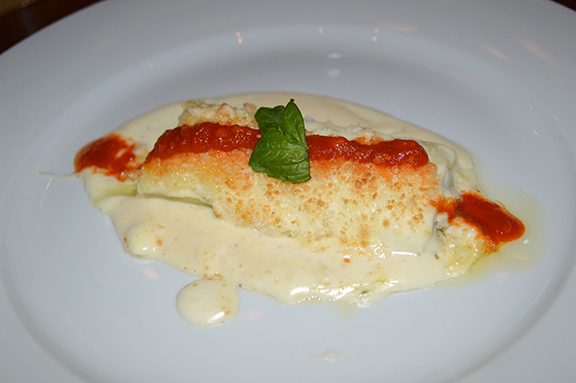 Above: he served sausage-filled cannelloni as a nod to the 1960s and his beginnings as an Italian restaurateur, “a modern interpretation of a classic,” as he put it. To my palate, there were countless layers of meaning in this ineffably delicious dish. Even when Tony does passé, he does it with unrivaled panache.
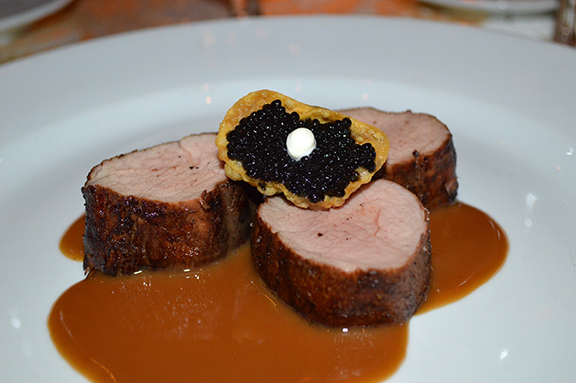 Above: over my years working with Tony, he’s talked to me about how much fun it was to cook in Houston in the 1980s during the first oil boom when the sky was the limit for opulent eating. I loved how he served caviar and veal as a metaphor for those times.
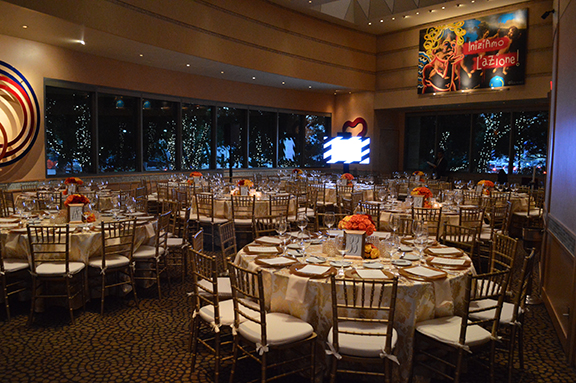 Above: Tony’s is one of the most beautiful restaurants I’ve ever had the pleasure to dine in. But last night, with the entire house open for the event, it shimmered like the star it fêted.
 Above: many of Tony’s team members have worked with him for more than 40 years. They are fiercely proud of their work together. Tony insisted that we snap pics with all the staff last night, front and back of the house.
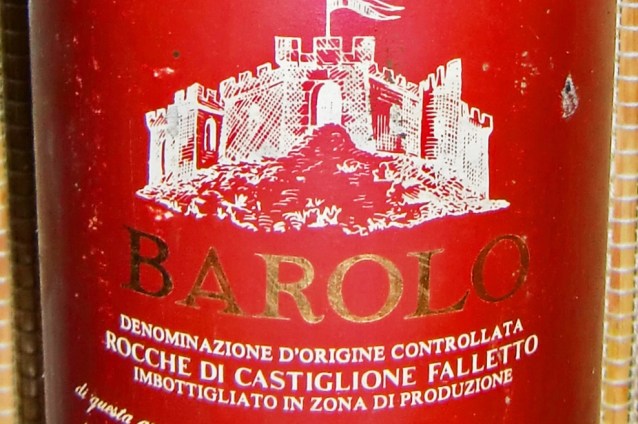 At an auction of rare Italian wines held yesterday at Bolaffi in Turin, a buyer paid €17,500 (with fees) for an 11-bottle lot of Bruno Giacosa 1971 Barolo Rocche di Castiglione Falletto (Red Label), a potentially record price for Italian wine at auction.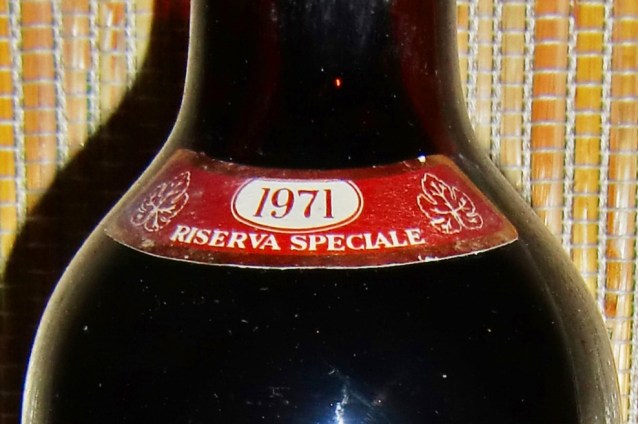
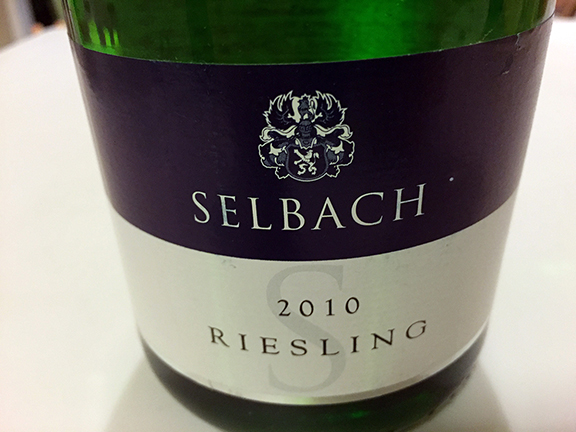 Above: there are handful of one-liter bottles of the 2010 Selbach Riesling that — I’m guessing — have been sitting on the shelves at the flagship Spec’s in Houston (the behemoth Texas retailer) for a few years now. I snagged one for around $15 and it is drinking nicely.
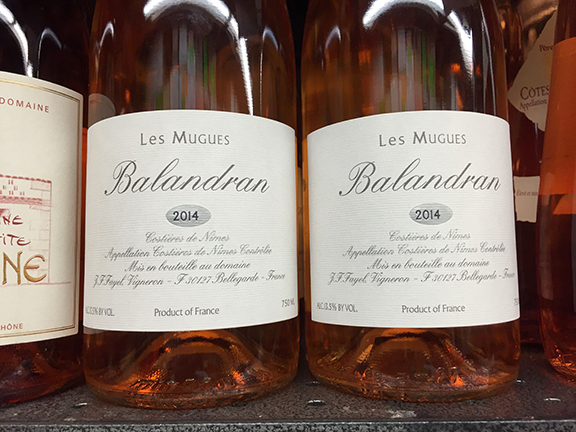 Above: my go-to wine shop, the Houston Wine Merchant, is sold out of the 2014 Costières de Nîmes rosé by Balandran (a wine imported locally). But there are still a few bottles left on the shelves of Spec’s. Great value, great wine.
 Above: Tracie P and I both really liked the citrus and dried-citrus fruit in this Picpoul by Gérard Bertrand that I picked up about the Houston Wine Merchant.
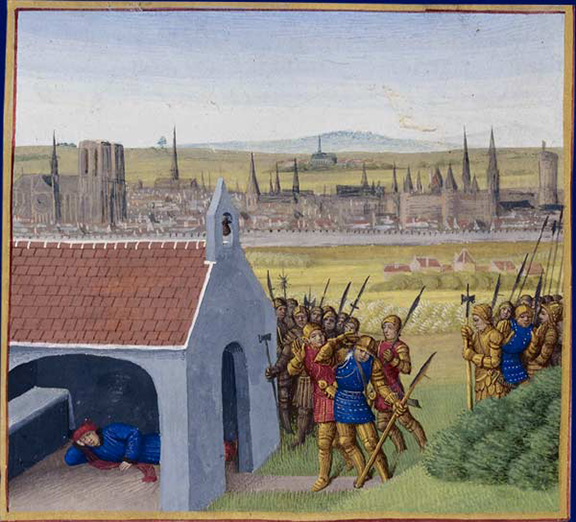 Above: Paris as it appeared around the mid-fifteenth century in a painted manuscript. The panel depicts Merovigian king
  French flag image via
 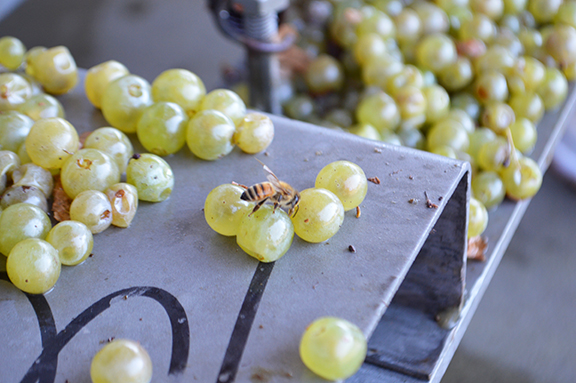 “It may all be summed up by saying with Seneca, and with Flaccus before him, that we must write just as the bees make honey, not keeping the flowers but turning them into a sweetness of our own, blending many very different flavors into one, which shall be unlike them all, and better.”
  While visiting my new restaurant client in Austin last night,
  This wine was fresh and bright on the nose and in the mouth it delivered surprising minerality and white fruit with a hint of citrus.
  O and Al Fico, you ask?
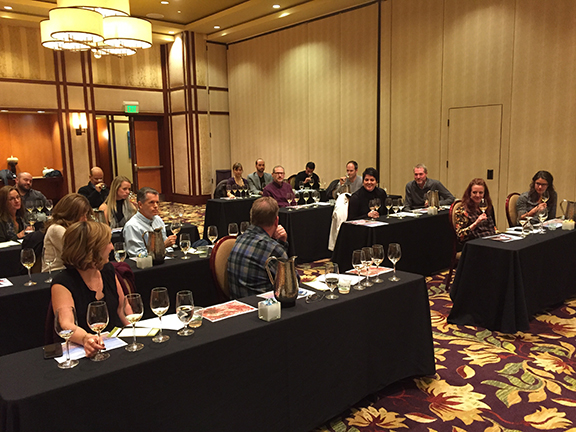

 Do Bianchi
