
 Above: Montalcino’s breathtaking beauty is rivaled only by its extraordinary confluence of culture, history, and tradition — and its enviable economic model.
When I translated this op-ed for Fattoria dei Barbi owner Stefano Cinelli Colombini this week (I manage and contribute to the estate’s blog), I couldn’t help but be blown away by the power of his observations (not to mention his wry humor).
“Wherever great wines are produced in Italy — Montalcino, Langhe, or Valpolicella — the same old litany of grievances [is] repeated again and again,” he observes.
“The show is over and all that’s left for us ‘locals’ to do is cry: Our villages aren’t what they used to be; a wine shop stands where you used to be able to buy underwear; everything is so expensive and you can’t even find a parking spot. We’ve sold our souls and our towns are filled with SUVs and the jerks who drive them.”
But he’d rather drive an extra mile or two for his underwear and zucchini, he writes:
- Our villages are wealthy and vibrant. And they offer many opportunities for our young people. Who are we to complain about not being able to find a good head of lettuce or a pair of underwear?
- A “real” community is a community that has developed its own social, economic, and cultural model for living… It’s a community that offers a sustainable future to its young people. And that’s what we are.
As he points out in the piece, rare are the communities where a natural disposition for fine wine growing is combined with robust culture, rich history, and deep-seated tradition. Montalcino, he notes, is one of those uncommon examples where a model for sustained prosperity has emerged thanks to a confluence of shared vision and viticultural inclination.
Such a community, he notes, “also needs to know how to preserve its identity and how to rise up again after a crisis. Because sooner or later, the other shoe will drop.”
As I read and translated that line, it occurred to me: 10 years have just passed since news of the “Brunello scandal” broke on the floor of Vinitaly, the annual Italian wine trade fair in Verona, in the spring of 2008.
Today, I can’t imagine an Italian wine industry observer who wouldn’t concur that Montalcino and perception of its wines among consumers and trade members are stronger than ever.
I recently launched a Brunello program at a restaurant where I consult in Los Angeles: after a string of highly rated vintages, it’s the only Italian wine “brand” that seems to sell itself. Our offering is arguably more esoteric than most of our competitors’ and few of our guests recognize the estates we carry. But that hasn’t hampered sales by any means. All it takes is the mention of “Brunello”… And in the three months since we debuted the selection, not one — not a single one — of the diners has mentioned the controversy.
“If I need to drive a couple of extra miles to buy some zucchini,” writes Stefano, “that’s fine with me. You can keep your radishes. I’ll take the Brunello instead.”
Sommelier, sommelier! I’ll have what he’s having!
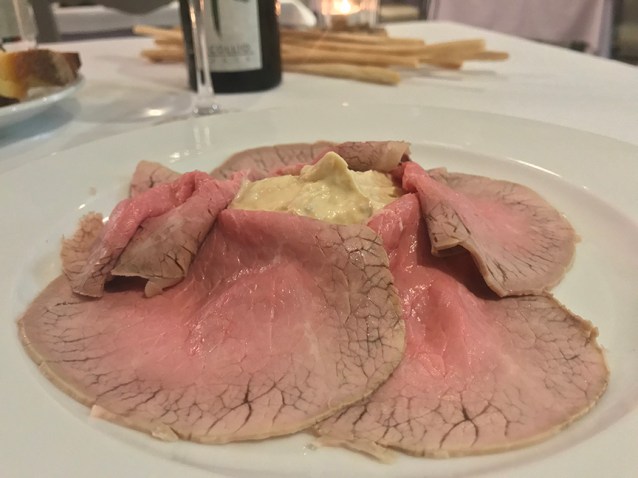 The photo above (snapped the other night at Battaglino in Bra where I’m teaching this week and next) prompted a
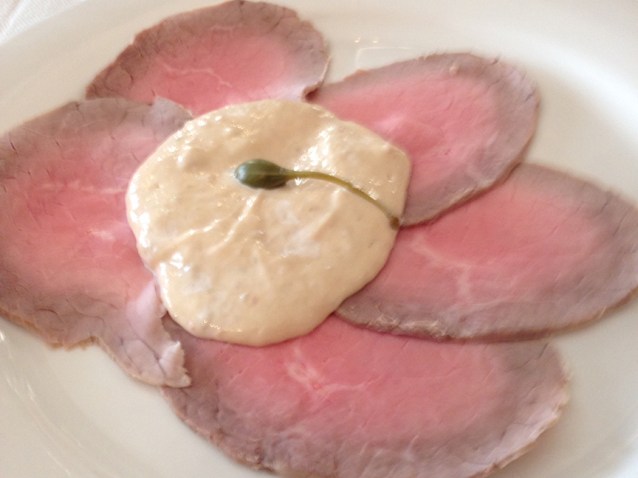 Centro storico vinoteca.
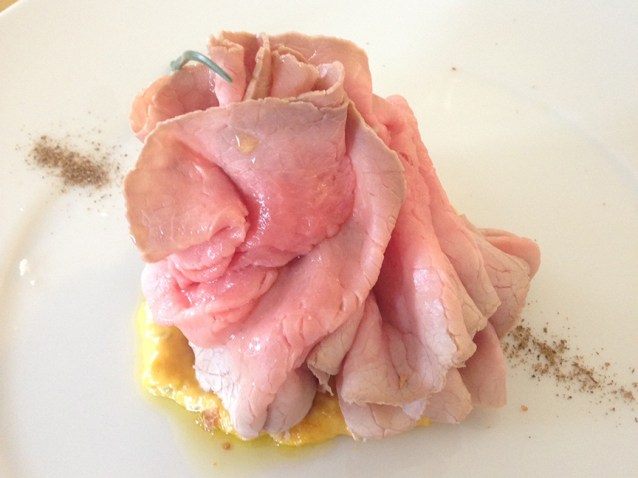 Osteria More e Macine.
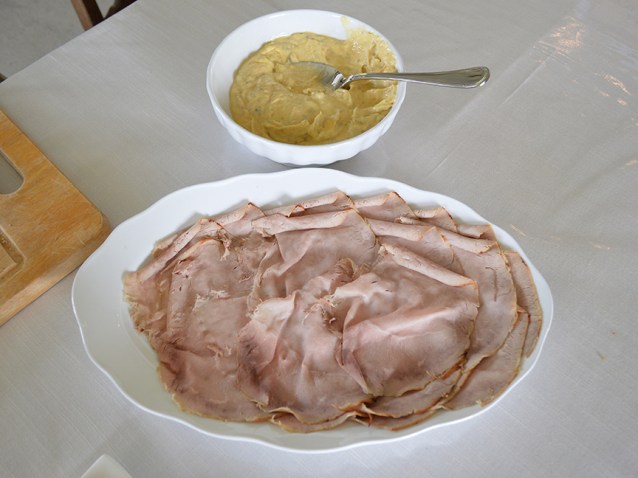 Poderi Colla.
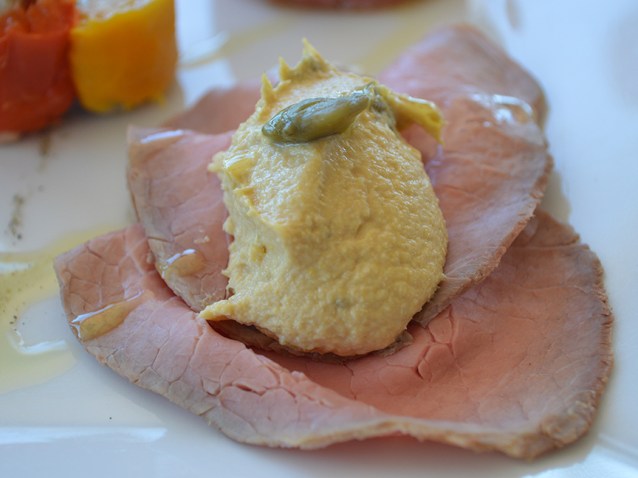 Locanda in Cannubi.
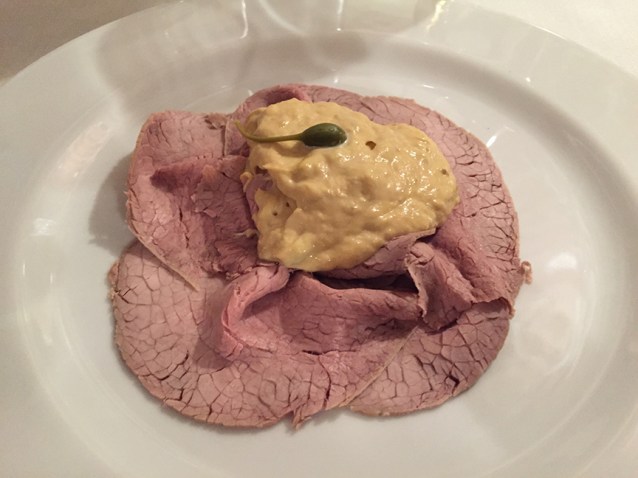 Local Bra.
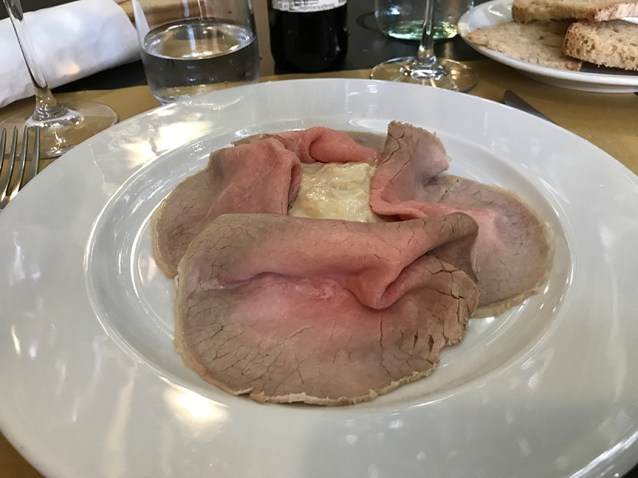 Battaglino (from last year).
  When professor Michele Fino, director of
 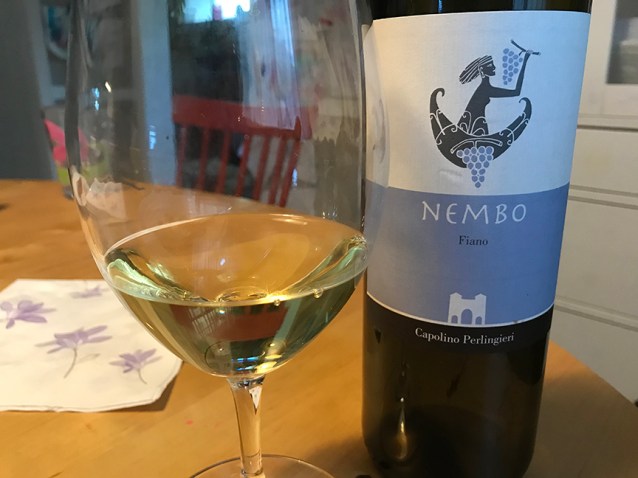 It may compromise my professional reputation to reveal that this extraordinary wine was paired with
  The
The  Another cool thing about
 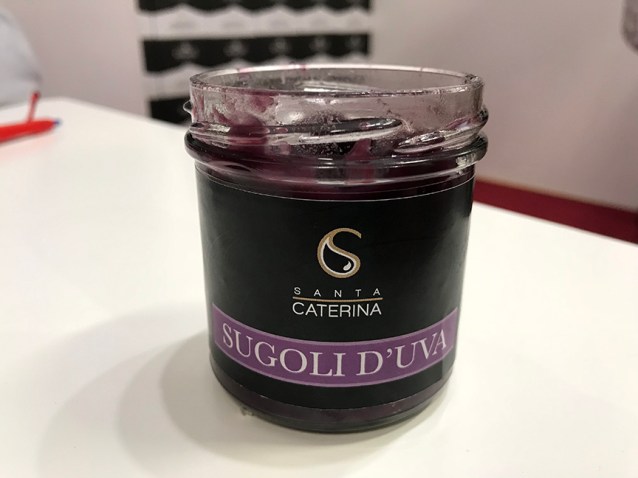 Another compelling taste came in the form of Sugoli d’Uva, a grape pudding obtained by thickening
 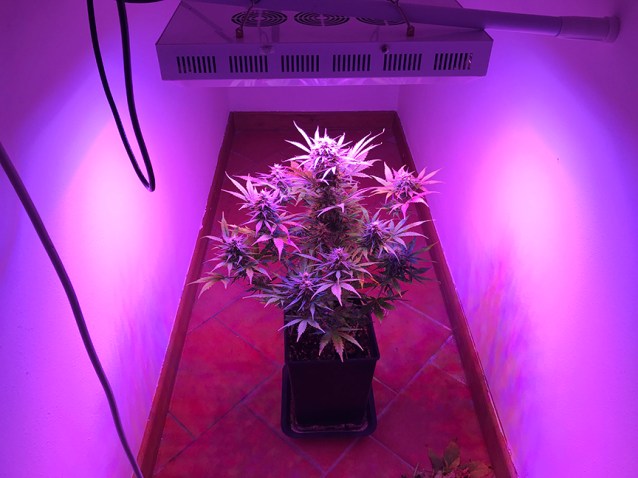 The first time I smoked cannabis in Italy it was in 1987 at a Peter Gabriel concert at
 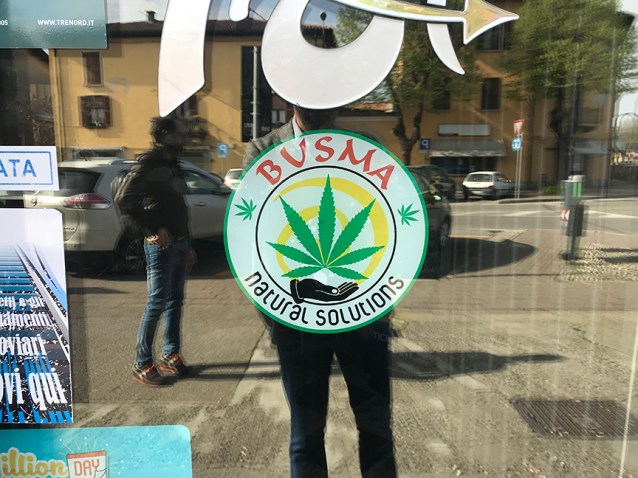 In Saturday’s online New York Times, one of the paper’s Italy correspondents, Elisabetta Povoledo, published a piece titled
  Whether it’s 0.2 or 0.6 percent THC content is besides the point. At those levels, the THC is imperceptible and the effect is purely analgesic (i.e., relaxing and therapeutic but not hallucinogenic and not a “high”). The average THC content for recreational cannabis in the U.S. is around 18 percent. And some flowers can have up to 30 percent. (I speak from personal experience.)
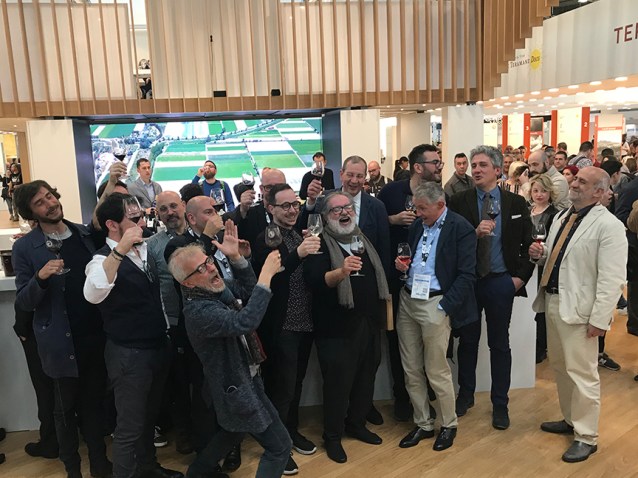 Above: many of Italy’s best wine writers and bloggers gather each year at the Intravino party at Vinitaly, the annual Italian wine trade fair in Verona. Intravino is Italy’s most popular wine blog and one of the few platforms where readers enjoy a broad spectrum of voices.
 Above: this week’s fair marked the 52 years since the first gathering. Vinitaly remains unrivaled for its scope and size.
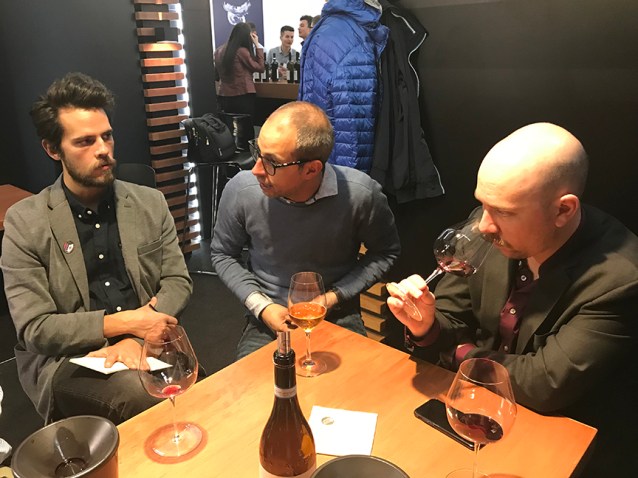 Above: I spent a lot of my time at the fair with two young wine professionals from Los Angeles, Skylar Hughes (left) and Theo Greenly (right). Gianluca Colombo (center) was one of the many winemakers who tasted with us.
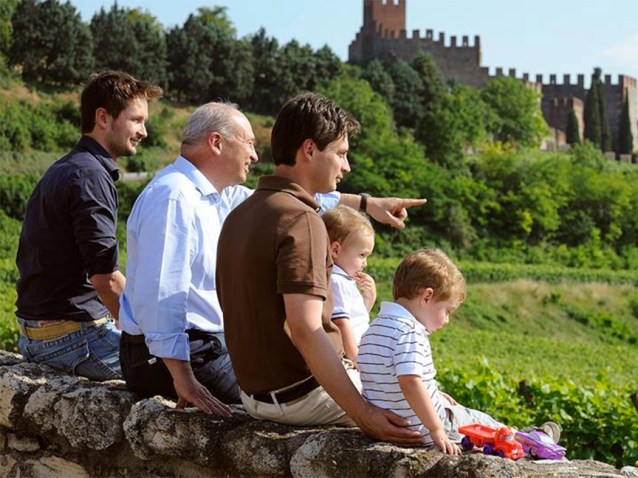 Above: Legacy producer Leonildo Pieropan with his two sons and grandchildren in an udated photo (image via
  I couldn’t be more thrilled to share the news that
  Do Bianchi