 People often remark that my work must be so glamorous and fun. While there are some wonderful perks to being a wine educator and communicator, the schlepping is not exactly what most would call a “good” time.
Too much flying, tight connections, cramped seats in economy (no business class for me!), miles and miles behind the wheel trying to make every appointment on time, shitty sandwiches at the freeway Autogrill because there not enough time to stop and have a genuine meal… It’s not exactly a stroll in the park.
But every once in a while, the stars align and fate delivers something truly compelling to experience.
This week, that moment came in the form of a proper Sunday lunch in Italy (I’m here this week for my yearly teaching gig at the Slow Food University of Gastronomic Sciences where I’m an instructor in the grad program).
 Yesterday, there was an invitation to join the Marsiaj family for their Sunday repast in Turin (Michele Marsiaj, owner of the Amistà winery in Nizza Monferrato, is a client and he and his wife Francesca have also become dear friends of ours).
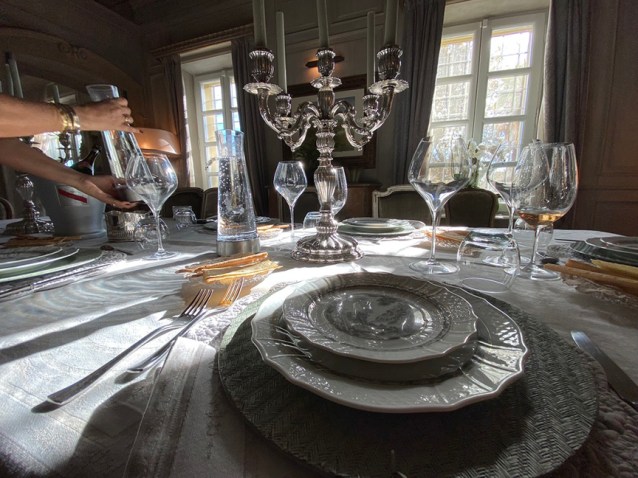
This is the type of meal where you start noshing and sipping around 12:30. The party then shifts to the dinner table around 1:30 as the first appetizers are served.
We began with lonza (capocollo) from Abruzzo and freshly fired focaccia topped with cherry tomatoes and onion. Then it was on to battuta (finely minced raw beef, topped in the case of the Marsiaj family with minced olives or finely crushed walnuts) and eggplant alla parmigiana.
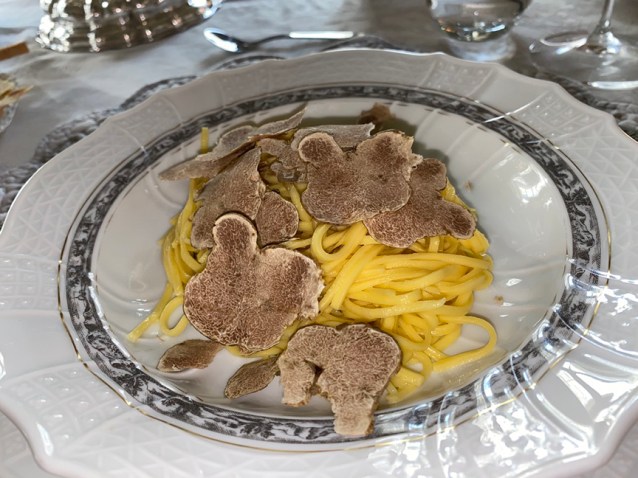
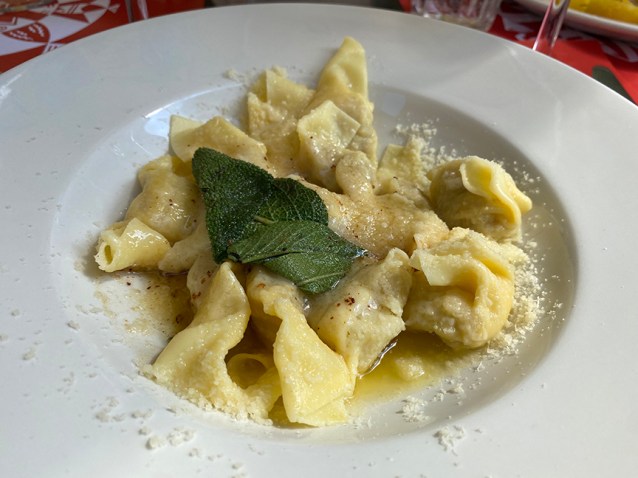
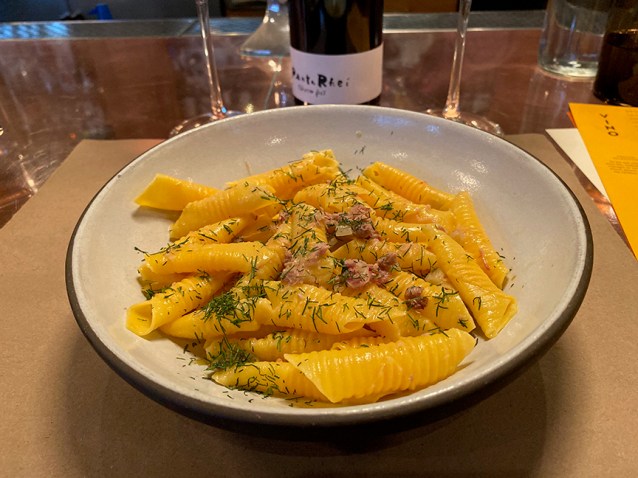
The main attraction (above) was the showstopper: tajarin, the thin long noodles classically used in Piedmont, tossed in butter and then topped generously with freshly shaved Alba white truffle rounds.
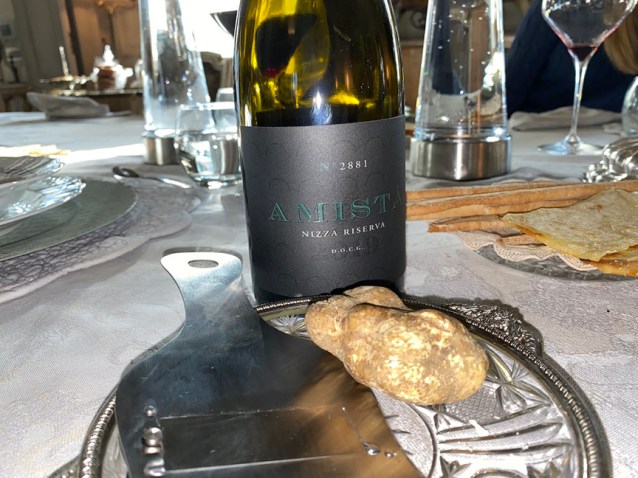 And of course, no proper Sunday lunch in Italy is complete without a glass of wine… or two.
It’s literally been years since I was invited to someone’s Sunday lunch. Many great meals, some of them unforgettable, yes. But nothing can ever rival the joy of the proper Sunday lunch in Italy.
We finished up around 6 with a round of poached quail eggs topped with more truffles. Needless to say, everyone skipped dinner last night.
Thank you again, Francesca and Michele! I’m so blessed to have friends like you. Thank you!
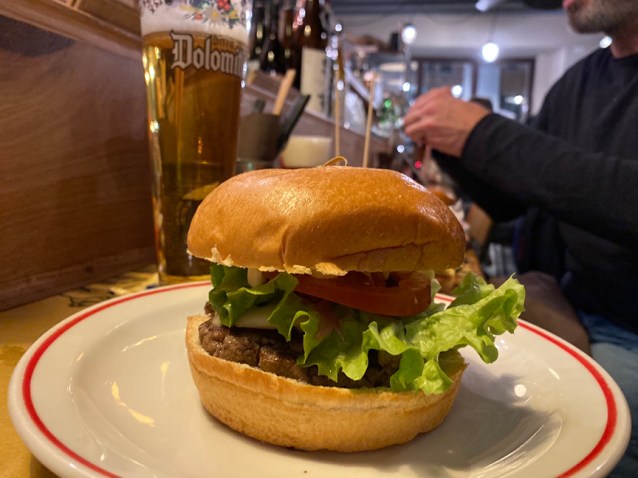 If memory serves correctly, it all began with hamburgers in the 2010s.
 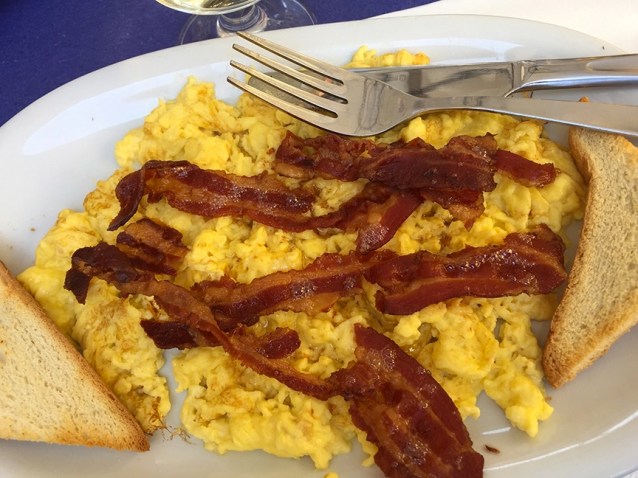 That was followed by bacon and (scrambled) eggs.
 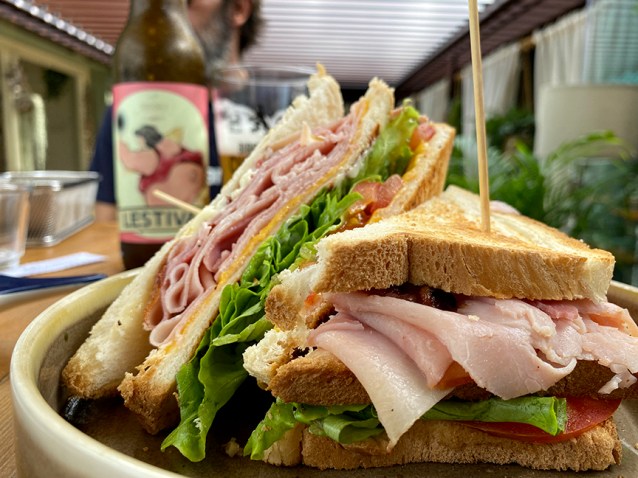 It didn’t take long before club sandwiches started to appear everywhere as well.
 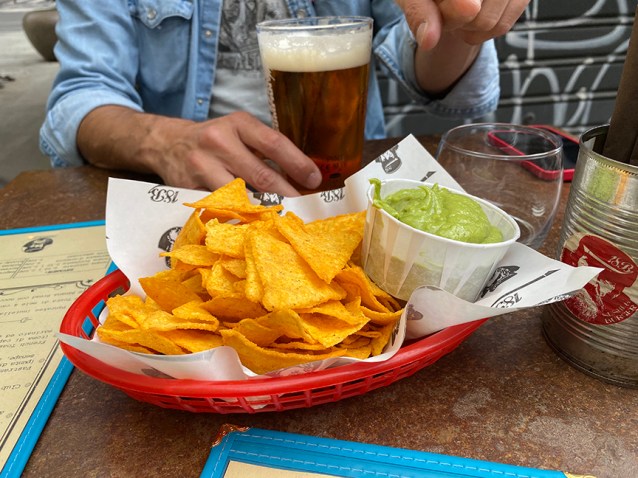 Over on the Facebook, there was a lot of chatter after I posted
 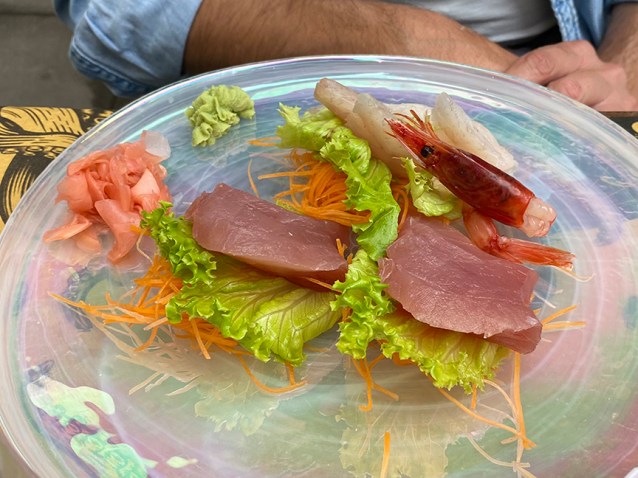 And let’s not forget the preponderance and ubiquity of “sushi” in Italy today! That cuisine is from Japan, of course, but nearly everywhere I see it here, it’s served in the American style that we grew up with.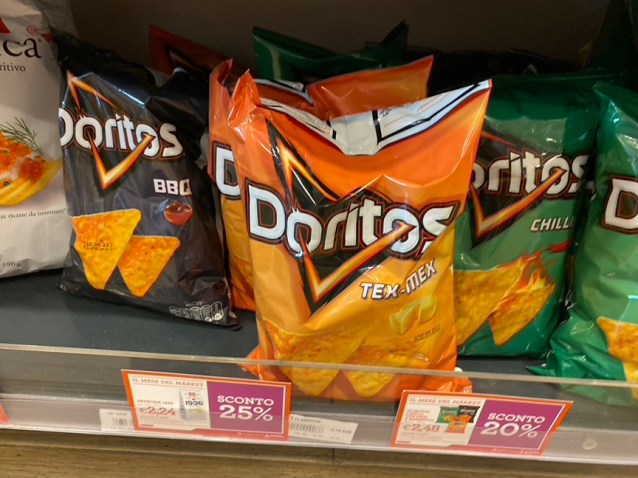
 More than any others, two people have been the inspiration for my career: my dissertation advisor Luigi Ballerini and Darrell Corti.
  Favorite restaurants are always a long-term commitment, kind of like a romantic relationship. Sometime the rapport is fiery and passion-driven. Sometimes the flame is diminished by the patina of time. But when you really love a restaurant, the rewards of your undying devotion can really pay off.
  The grilled octopus was another standout at our lunch.
  That’s the amuse bouche.
  My Vinitaly began not in Verona but in Turin, the capital of Piedmont and former capital of Italy, one of Italy’s most beautiful risorgimento cities, with the architecture and urban planning befitting a world touchstone.
 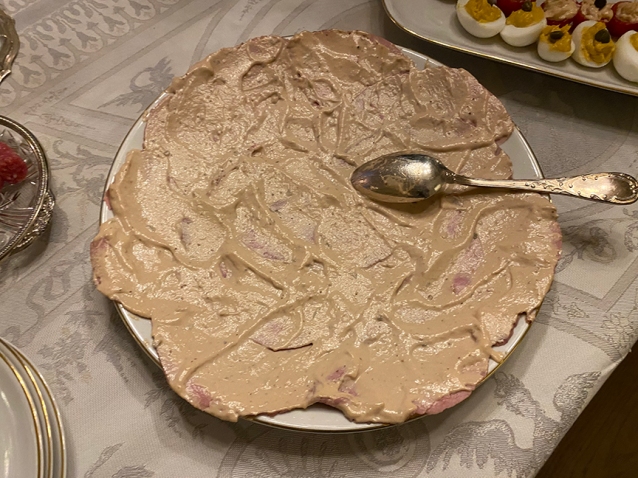 There’s really nothing quite like vitello tonnato when it’s homemade. Thinly sliced veal topped with a sauce made of anchovies, capers, and olive oil-cured tuna. It’s a Jewish boy’s dream.
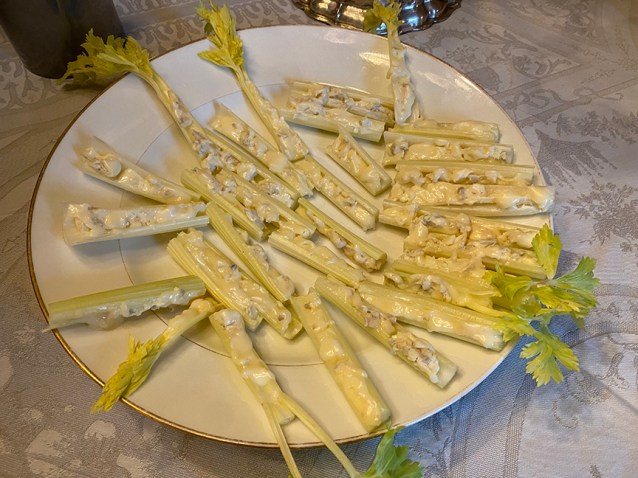 These stalks of Apium graveolens were slathered with creamy gorgonzola. Please try this at home.
 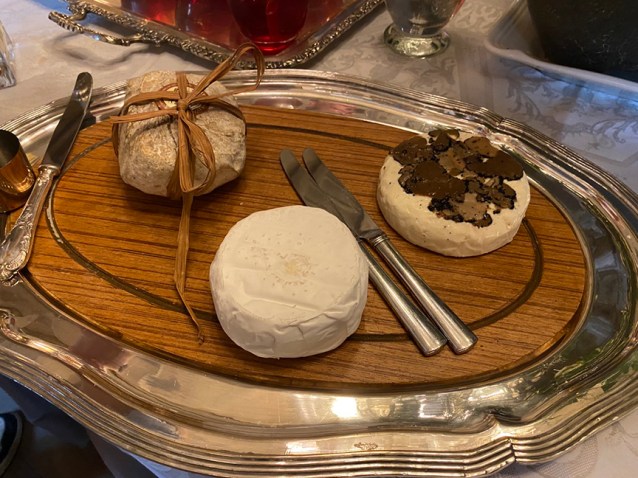 No self-respecting torinese host would end a meal sans fromage. After all, the region is renowned for its pastures, breeds, and traditions.
 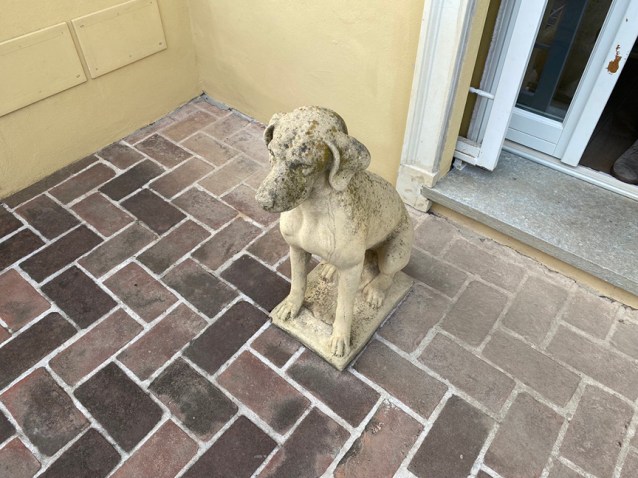 I wish I could reveal more about our host and the reason we were gathered there in the days leading up to the fair.
  One of the things I love the most about my teaching gig at the
  Above: developed by the Italy-America Chamber of Commerce in Houston, the Taste of Italy trade fair and festival, the largest in the U.S. devoted exclusively to Italian food and wine, now has “chapters” in Dallas and Vancouver.
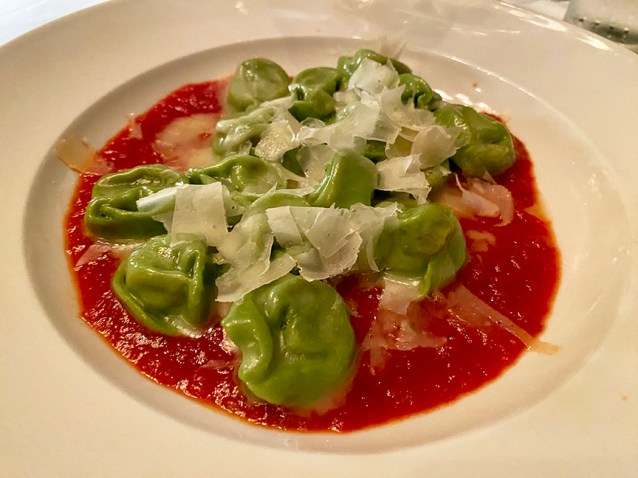 Man, what a week last week! Four planes in four days!
 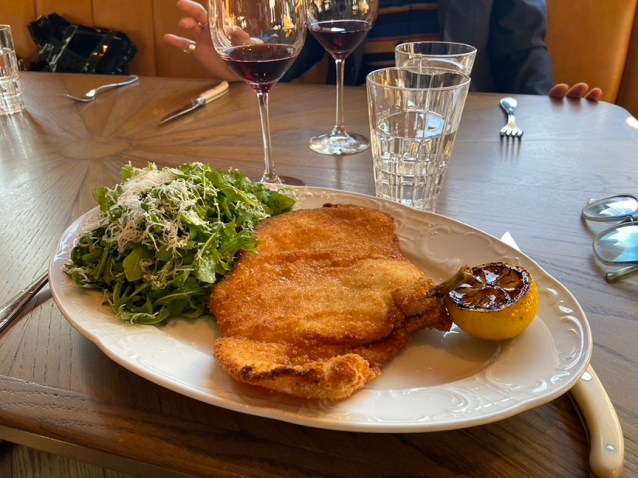 Friday found me at the swank and beautiful surf and turf Carne Mare at South Street Seaport in Manhattan where I joyfully dug into the chicken cutlet alla milanese. Again, not traditional but utterly delicious. I really enjoyed and highly recommend this place.
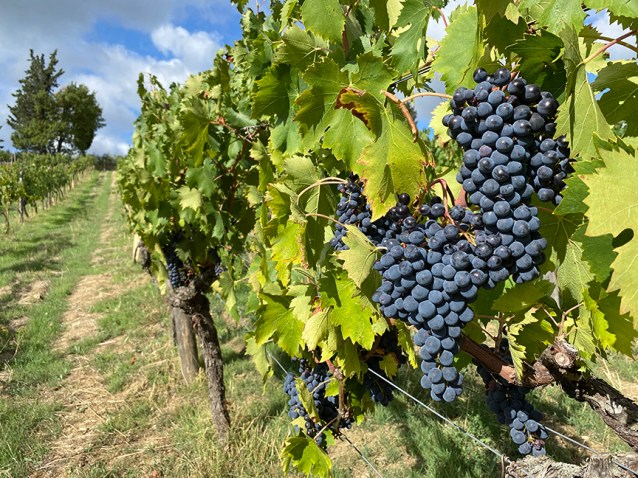 Posting on the fly this early Monday morning in Brescia where I’m staying. Two more days and many more meetings and tastings before I head back to Texas on Wednesday.
  Anyone who’s ever been a working wine trip like this knows what a slog it can be. I’ve been going non-stop.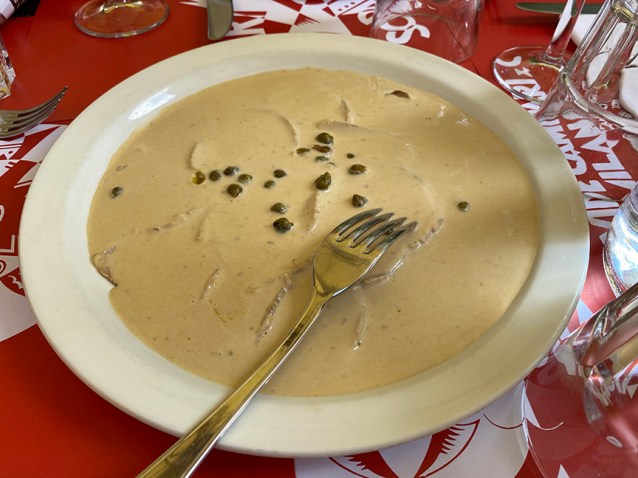
 Since the late 1980s, Italian cuisine in the U.S. has been shaped by a tension between traditional- and creative-leaning forces.
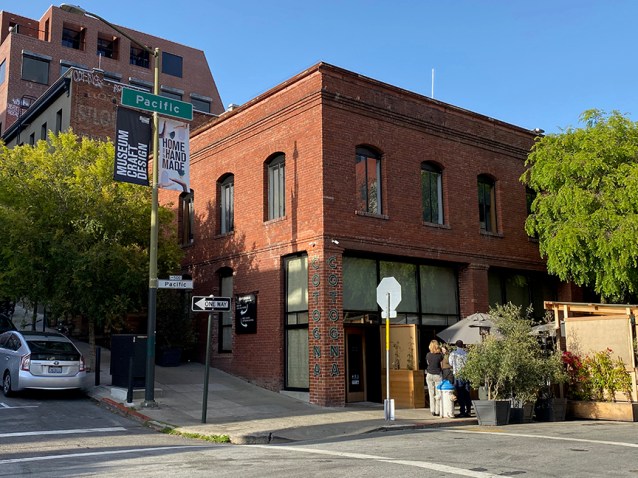
 Making my way over to Cotogna from my hotel in San Francisco the other night, I couldn’t help but remember a chilly winter evening in the late 80s when I stopped a man on the street and asked him if he knew the way to a certain “trattoria,” a name for pseudo-Italian restaurants that had become popular in the second half of the decade.
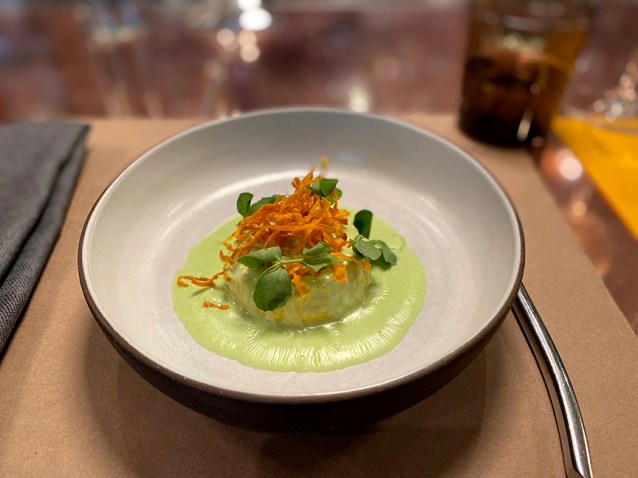
 The carrot sformato (first photo) blew me away with its ethereal texture and subtle dance of bold but elegant flavors. Sformato — properly called a savory custard in English — is all about the texture. It should be firm but light, rich but buoyant. I know already from my Instagram that people agree with me: this dish was nothing short of show-stopping. I loved it.