
 When work travels first began taking me to Piedmont in the early 2000s, the topic of spinning cones was a hot-button issue in the region. At the time, old line winemakers like Bartolo Mascarello (“No barriques, no Berlusconi”) were decrying the modernization of Barolo and Barbaresco.
Some high-profile winemakers there had begun to abandon traditional vinification in favor of what many considered a “Californian” or more broadly “American” approach because certain wines had begun to emulate the California style that appealed to American wine lovers. New winemaking techniques included the then newly adopted use of French barriques for aging and — perhaps most importantly — the use of technology like spinning cones and reverse osmosis to restrain alcohol levels in wines that were picked overly ripe.
Many believed that some of Nebbiolo’s greatest interpreters had fallen under the sway of the newly emerged American wine media and the unbridled influence of a handful of American importers who believed that the Americanization of Piedmont wines would open up a lucrative demand for high-end Italian wines in the then rapidly growing U.S. premium wine market.
The importers’ bet paid off: by the early 2000s, modern-style wines farmed in Piedmont in the 1990s became all the rage on the high-end New York wine scene.
Over the course of researching an article on alcohol-removed wines for the Corriere Vinicolo, the voice of the Unione Italiana Vini (which represents more than 150,000 Italian growers, accounting for more than 85 percent of Italian wine exported abroad), an extraordinary 1993 Popular Mechanics feature story emerged: “Grapes without Wrath: A new machine allows vintners to take the alcohol out of real wine.”
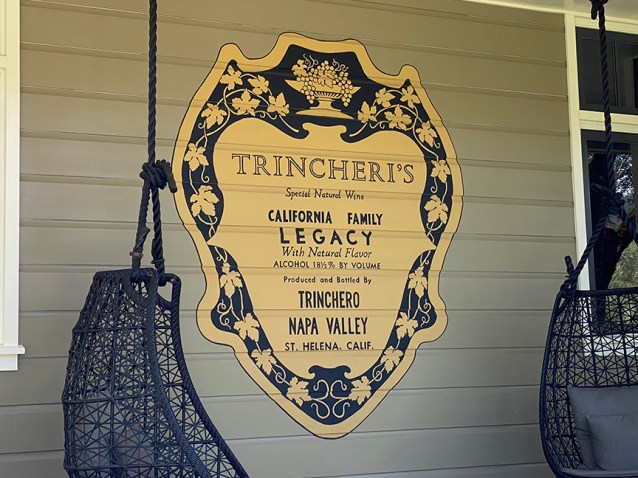
The author tells the “fascinating story” of how Bob Trinchero started using spinning cones, a technology first developed in Australia, to make “alcohol-removed” wines for the U.S. market. Little did he know at the time that 2021 would be the year that his Fre line, first released in the early 90s, would become the biggest selling zero alcohol wine in the country.
Nor could he imagine that the Californians and later the Italians would broadly employ spinning cones for different and highly innovative reasons.
The Californians wanted to reduce alcohol levels in their wines to avoid taxation.
As one winemaker put it in 2001, “if you’ve got a huge blend, a million cases of Chardonnay or something, it definitely pays to bring the alcohol down; you’re talking big money in taxes.”
The Piedmontese, on the other hand, used spinning cones to reduce alcohol in wines that were harvested overly ripe. As global warming began to elevate temperatures in the mid-1990s, certain growers, eager to make headway in the U.S. market with fruit-forward wines, would let fruit hang on the vine to achieve the intense fruit flavors and immediate approachability they wanted. But this delivered unusually high alcohol levels. To counter this, they would remove some of the excessive alcohol to bring the wines in line with consortium norms.
One disconcerting element that emerged from my research was that spinning cones were illegal in European viticulture until 2009 (!!!).
Anecdotally, I know of at least a handful Piedmontese wineries that were using spinning cones before the year the EU first allowed the technique. According to many trade observers who were active during that time, the use of spinning cones was widespread in Barolo and Barbaresco as early as the mid-1990s. I don’t have any hard data on that but just ask some of the trade members who working with those wines at the time.
Click here to read my story on alcohol-removed wines, their origins, and their growing popularity in the U.S. today. It’s part of an issue of the Corriere dedicated to “no-low” — zero and low-alcohol — wines across the western world. My contribution is devoted to the American market.
I couldn’t be more thrilled to have become a contributor for the masthead. Warm thanks to editor Fabio Ciarla for asking me to join his team of writers.
I also have to send out a big thanks to the PR team at Trinchero Family Estates. They did a fantastic job of getting me the info I needed. Despite what grouchy, flatulent old trolls say about wine publicists, they play a vital role in our industry and deserve our respect and thanks.
Thanks for checking out my Corriere piece. I think you’ll find the other articles on different international markets equally compelling. It’s incredible to consider the legacy of Bob Trinchero, a wine industry genius, and how it has shaped wines made on the other side of that misunderstanding otherwise known as the Atlantic Ocean.
Please consider giving to Unicef’s Ukraine child refugee fund. This link takes you straight to the donation page.
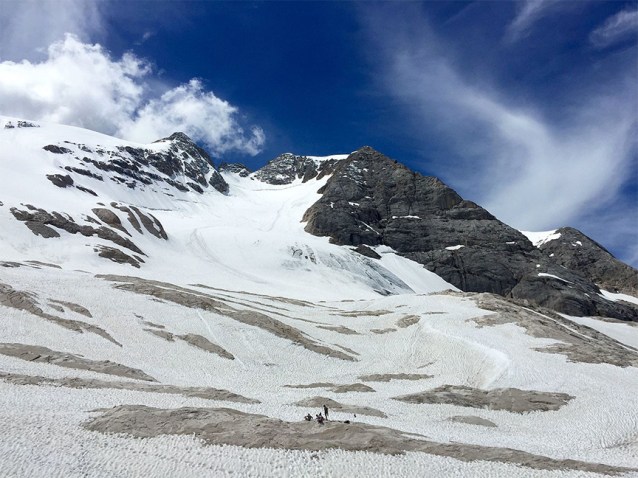 Above: the Marmolada glacier in Trento province before Sunday’s avalanche. Image via
 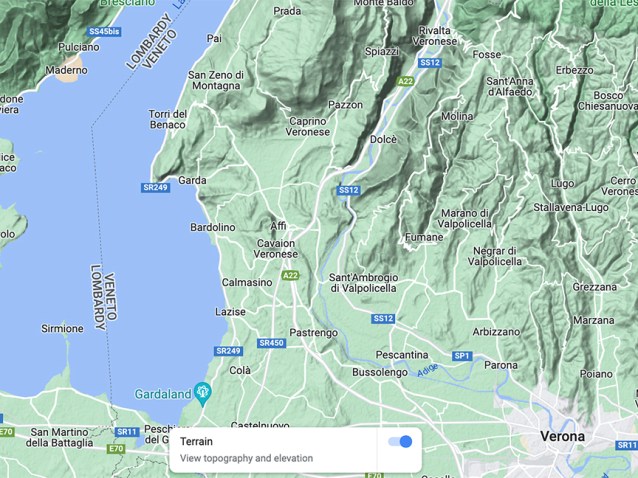 Lake Iseo is another classic example. And we could point to many other appellations that were shaped by similar geological events in prehistory.
 Above: me at the Slow Food University of Gastronomic Sciences last summer in Pollenzo/Bra where I teach food and wine communications in the graduate program. Photo by
  Above: American artist Tony Tasset’s “Eye” in downtown Dallas not far from the Grassy Knoll.
 Screenshot from
 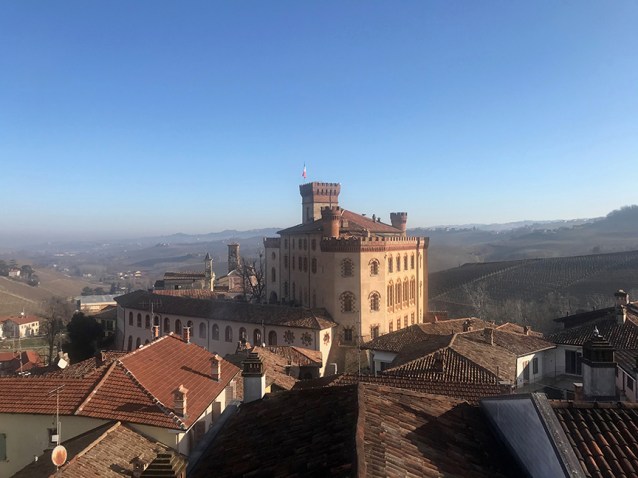 Above: the historic Barolo castle in the center of Barolo, the village.
 From “The War of the Rebellion: A compilation of official records of the Union and Confederate Armies,” 1896. Image via the
 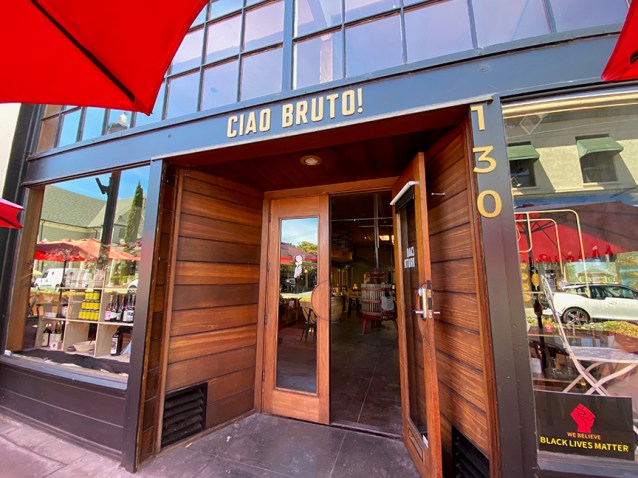 It almost felt surreal.
 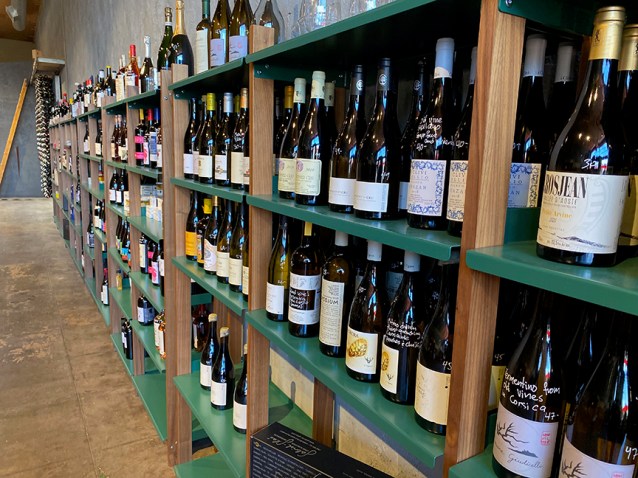 What’s even more exciting about Thomas’ new shop is that he is also importing all kinds of great food products from Europe as well.
  Image via Shutterstock.
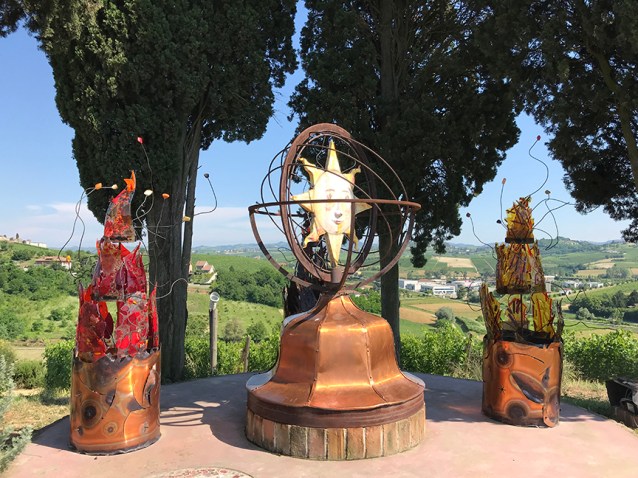 Next week I’ll be leading my “What’s So Sexy about Moscato d’Asti” seminar and tasting in Dallas at the legendary ZaZa hotel.

