
 One of the things I love the most about my teaching gig at the Slow Food University of Gastronomic Sciences in Piedmont is that many of my ex-students have carved exciting career paths for themselves after graduating from the school.
But nothing could be more rewarding in my teaching experience than discovering that one of my ex-students has launched a blog.
And that’s what happened last week when a student who took my food and wine communications seminars last year sent me her excellent new site, Sophie Eats (check it out… it’s great!).
Over the years, it’s become clear that a lot of the students want to pursue careers as influencers. For them, social media is the medium where they see a path forward. And one of the things we discuss each year is how social media has reshaped the way we think about food and wine communications. Just think of the restaurant-focused #MeToo movement and the key role social media played in driving the narrative and bringing about social change (it’s always one of the most exciting seminar days when we cover the subject).
But social media, I always point out, doesn’t allow the aspiring food and wine influencer, communicator, writer-for-hire to build an independent space for themselves on the internets. That space is important in part, I tell them, because it helps them to create brand recognition (after all, they are their own brand) and to optimize their search engine results.
But even more significantly, an independent blog serves as their resume and calling card. And this, in my experience, is an essential element for those who want to find work as writers and copywriters. Nearly every young writer I know has at the very least a site where they aggregate links for their recent works and host an about page.
We can argue all day about what exactly a blog is. In my view, a blog is an online journal that is updated regularly. In line with this, I believe that social media is a form of microblogging and thus is also a blogging medium. What is Instagram anyway? A media sharing platform that most users update on a regular basis.
But social media gets to keep the clicks and the search engine optimization for itself. By feeding our feeds with our media, we are working for the social media companies. I don’t think there is anything wrong with using social media to build your brand and brand awareness. But I believe those who plan to forge a career in food media need to have their own space where their own stories can have a long-term impact on their career path.
It’s always a disappointment to my students when I talk to them about how there are a dwindling number of mainstream food and wine writing gigs today. But in an age where every food and wine brand needs high-quality content that will engage readers, it couldn’t be a better time for young writers hungry for work.
I just met with a just-turned-thirty writer in New York who currently has apartments in Paris and New York thanks to the amount of writing gigs she has on both sides of the Atlantic. And she even finds time to write the occasional eno-journalism piece. And yes, she has a website that she updates regularly with links to her recent publications (sounds like a blog, doesn’t it?).
Sophie, congrats on the launch of your big, beautiful, loud, colorful, and wonderful blog. I’m looking forward to following along.
Food industry readers, if you’re looking for a writer to hire, I can’t recommend Sophie — and her blog — highly enough.
 Above: developed by the Italy-America Chamber of Commerce in Houston, the Taste of Italy trade fair and festival, the largest in the U.S. devoted exclusively to Italian food and wine, now has “chapters” in Dallas and Vancouver.
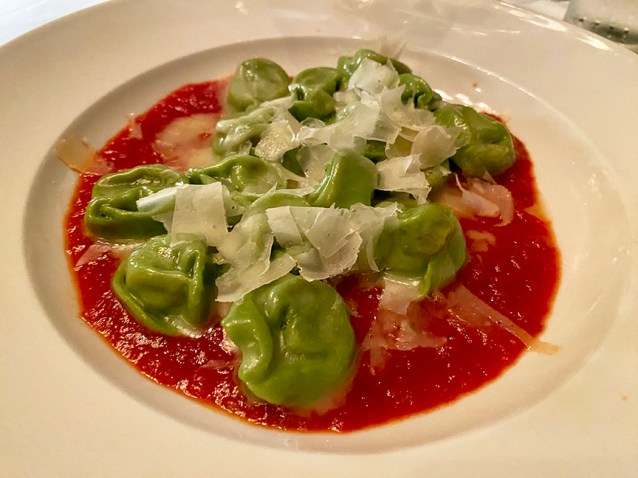 Man, what a week last week! Four planes in four days!
 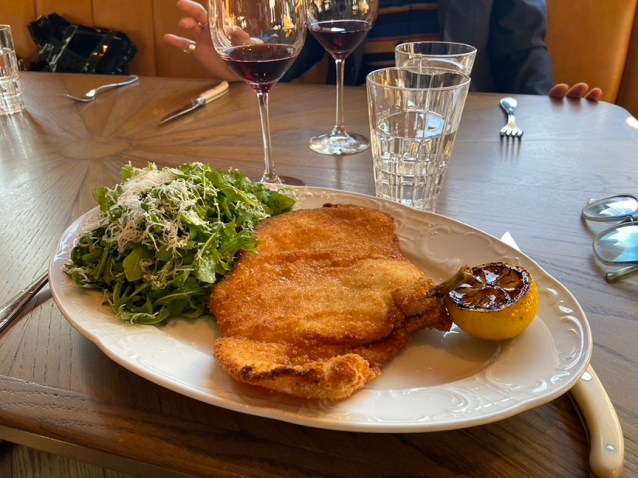 Friday found me at the swank and beautiful surf and turf Carne Mare at South Street Seaport in Manhattan where I joyfully dug into the chicken cutlet alla milanese. Again, not traditional but utterly delicious. I really enjoyed and highly recommend this place.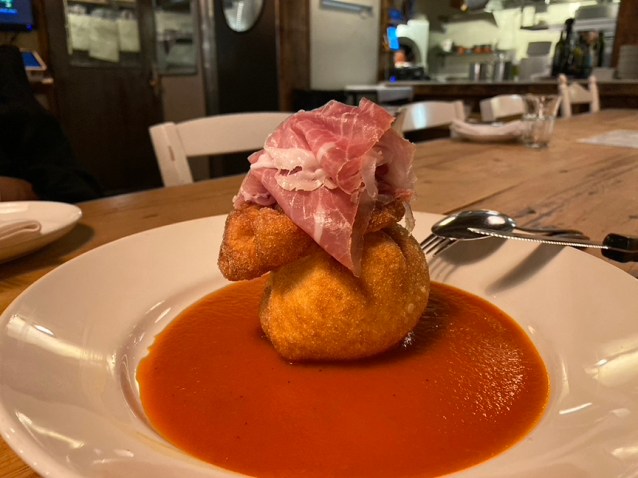
 With the annual wine trade fairs around the corner, wineries across Italy are gearing up by refreshing their “tech sheets” or “fact sheets” — the scheda tecnica in Italian.
 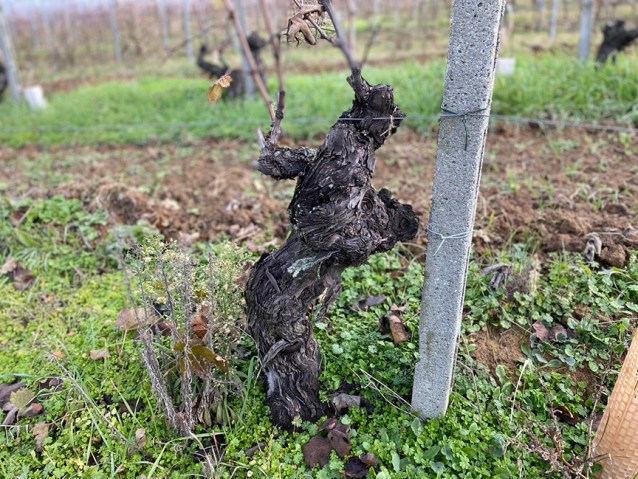 In December of last year, the wine route took me back to Piedmont where I visited vineyards in the heart of the Nizza DOCG.
 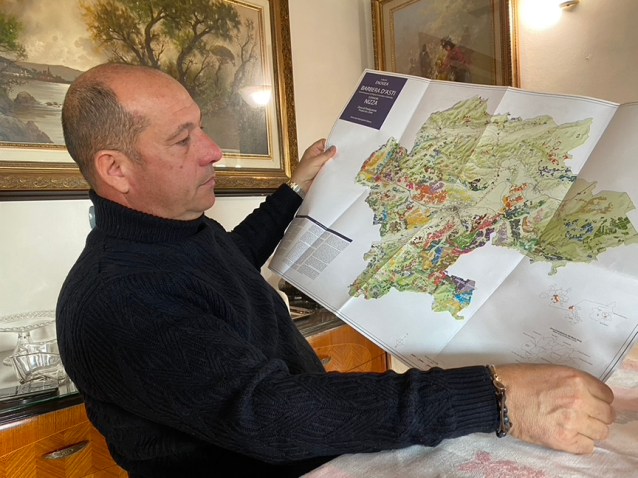 One of the things that set this subzone of Barbera d’Asti apart is the fact that the soils there are identical to the soils found in La Morra, the largest commune for the production of Barolo. The little known Bricco di Nizza, a ridge that runs from the town of Nizza Monferrato to the west toward the village of Moasca, has the same ancient marl (limestone and clay) and clay subsoils that have helped to make Barolo so famous.
 Luckily for me, I arrived not long after the vineyards had been tilled. And the subsoils were easy to spot.
  Note the deep brick color in the first photo and the grey-whitish hue of the second.
  I had first heard of a new Nizza DOCG estate called
  Man, it was so great to be back in NYC last week talking about groovy wines at the UN (no joke) and at a chic downtown Italian dining spot!
 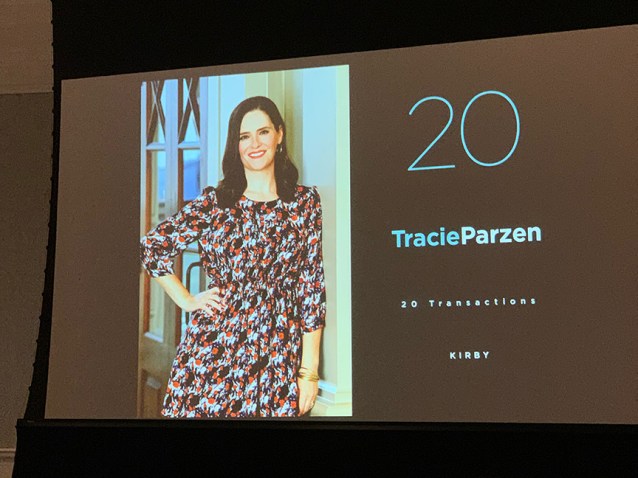 In less than two years, Tracie went from stay-at-home mom with a couple of side gigs to a million-dollar-listing realtor in one of the hottest real estate markets in the country.
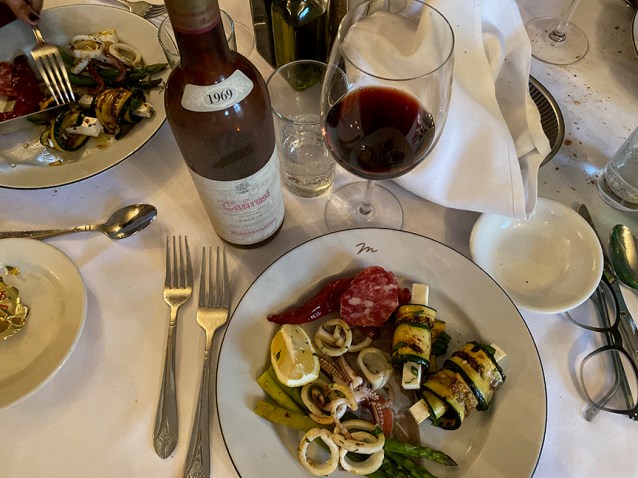 Posting on the fly today from New York where I’ve been working all week for a couple of my clients. But just had to share these photos from an extraordinary lunch yesterday at one of my favorite restaurants in the world —
  Man, 2023 has just begun but this meal is going to be hard to beat.
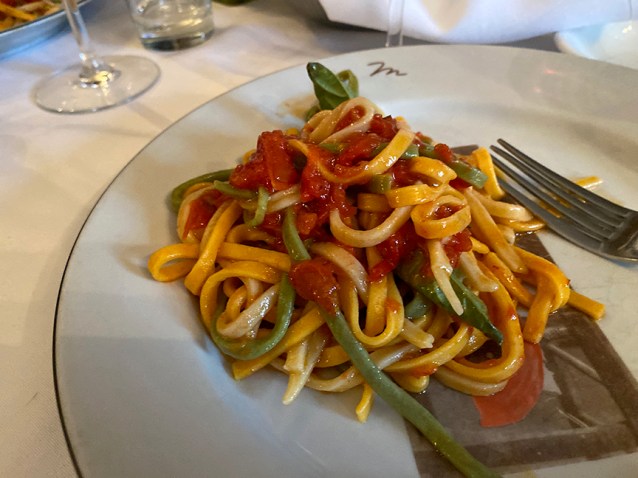 On the restaurant’s
 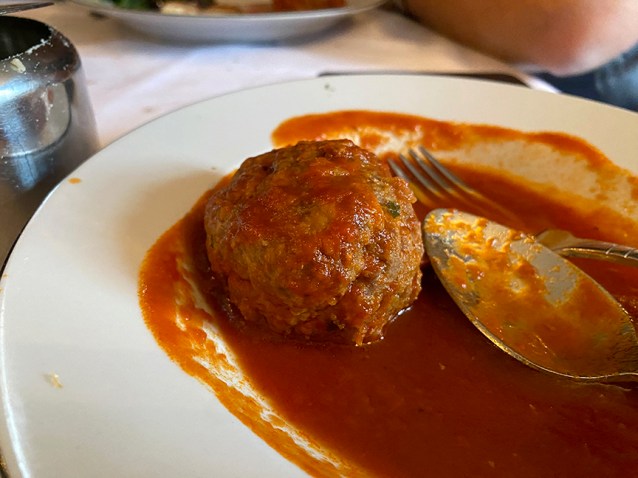 There’s one really important thing about the restaurant that I’m not saying here. New Yorker wine insiders know what I’m talking about.
 It seems that everyone in the Italian wine business loves to tell the story about how Chianti growers used to blend (white) Trebbiano into the (otherwise red) wines. Back then, they’ll tell you, before the “modernization” of Italian viticulture, Chianti was just another “rustic” wine. With a lot of character, yes. But not much refinement. Great for food but not worth the collector’s attention until the district’s post-modern era.
  One of the things that impressed me most during a visit to Pavia wine country a few years ago was the abundance of hazels.
  According to at least
  Do Bianchi