
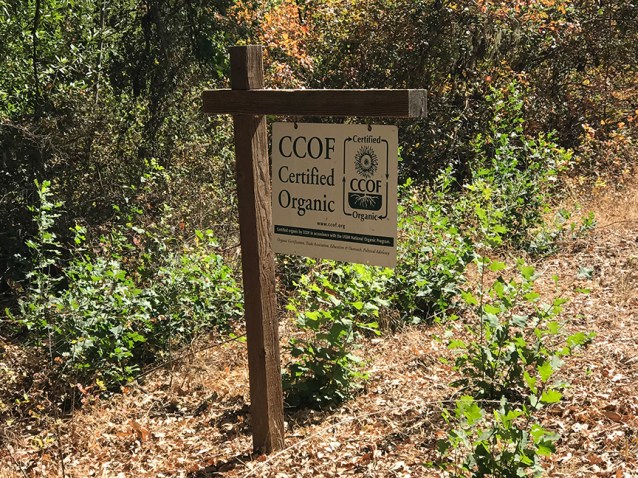
 Earlier this week, a lively conversation with a group of west coast wine buyers proffered an anecdote for the viticultural ages.
A guest, recounted a young and gifted sommelier, had asked them to pour an organic wine for the table. Being the consummate wine professional that they were, they presented said guest with an organic wine. With wine in glass, said guest then offered the following consideration.
“This wine doesn’t taste organic,” they said to the sommelier with an unconcealed note of disappointment and distaste.
What was the sommelier to say? The customer is always right, as the Hippocratic oath of hospitality goes.
Is “organic” a character, a nature that can be described through sensorial observation? Even the most ardent organic enthusiasts would be hard-pressed to make the argument that it can.
No one disputes that organic farming can deliver wines of high quality. It’s equally true that conventionally farmed wines can achieve the same level of quality. It’s also worth noting that the broader organic movement has prompted many wine growers to incorporate organic practices in their approach to viticulture, sometimes with spectacular results.
But a divide as wide as the Atlantic Ocean spans the perceptions of well-intentioned consumers, the winemakers who grow and transform the grapes, and the service professionals who serve to bridge the gap between producer and consumer.
The seductive power of the “organic” brand has also led countless unscrupulous bottlers to claim wines are organically farmed when in fact they are not.
I’ve heard many prominent grape growers say that truly organic wines are a myth. It’s impossible to avoid the residue of chemically based farming, they point out. Some have even argued that without the larger scale conventional farming by big wine (which restrains the spread of vine disease), small-scale organic farming wouldn’t be possible.
There are so many arguments to be made for and against the way we perceive organic wines. Ultimately, the sommelier found a wine that the guest approved of. But the great rift between the sacred (organic) and the profane (conventional) does no other service than to prop up our vanity.
 The Benazzoli sisters’ website doesn’t have an “about” page.
  Claudia, who received us that day, recounted how challenging it was to manage the winery after the loss of their father, emotionally but also professionally since the girls had hardly completed their studies.
  I highly encourage you to check out their super cool website where you immediately get a sense of the intellectual depth behind their winemaking.
  Every bottle of wine is a gamble.
 In the Bricco di Nizza, the central subzone of the Nizza DOCG, the soils are identical to those found in La Morra, the largest commune for the production of Barolo. That’s clay-rich soil, above, and limestone, below. Other areas in the DOCG, to the south and north, have sandstone soils, also ideal for Barbera.
 Previously, Barbera was vinified in Asti province as Barbera del Monferrato DOC or Barbera d’Asti DOCG, an appellation that included a “superiore” designation (originally in reference to superior alcohol content) and single-vineyard “cru” designations.
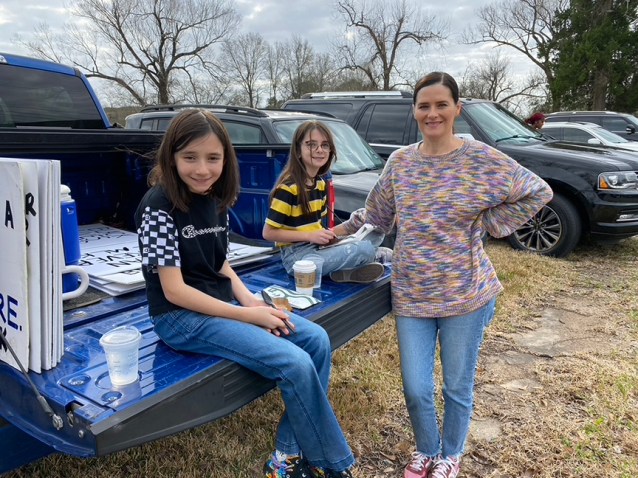 Last week while in Los Angeles for work, I attended the Gambero Rosso Tre Bicchieri tasting. For those who have never been to one of those events, it’s a huge Italian wine industry schmooze fest. For the most part, it’s all about hugs and high fives and catching up with people who work in our trade.
 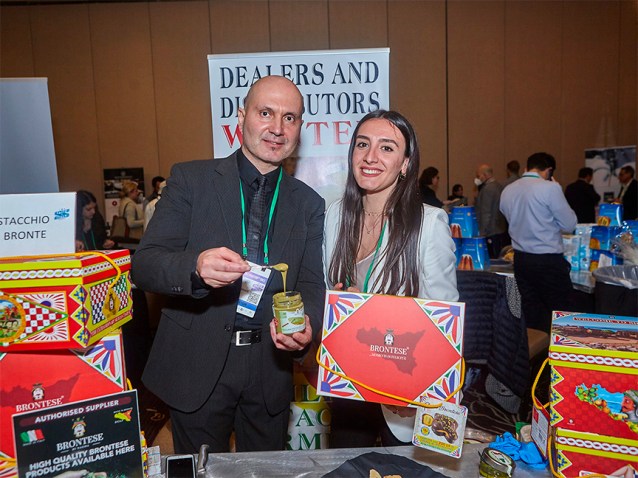 Above: producers of Sicilian pistachio cream at last year’s Taste of Italy in Houston.
 One of the great pleasures of returning to my old stomping grounds in New York City has been reconnecting with my old boss and friend, Nicola Marzovilla, legacy restaurateur and now Chianti Classico grape grower.
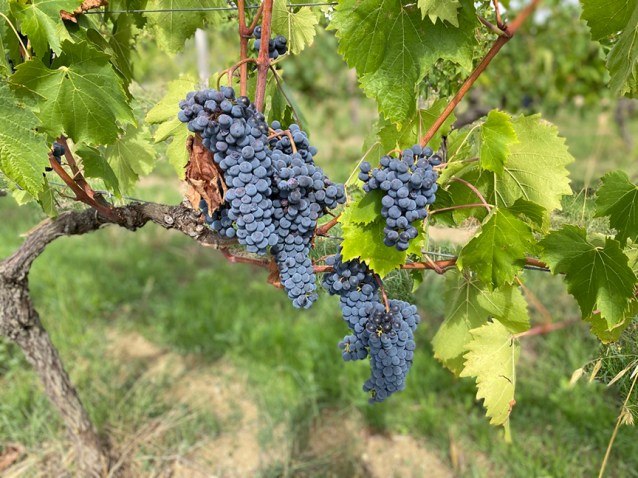 I visited Serena and the historic Montefili estate in September of last year, just a few days before the Sangiovese harvest was to begin there. I was blown away by the farm, the highest in Panzano. The village is Italy’s first organic biome: every farmer in the commune now farms there organically.
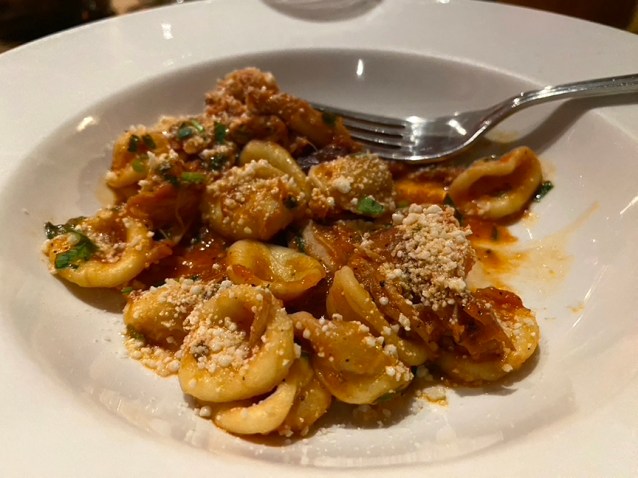 Last week when I was in town, my client and I dined at Nicola’s new and impossible-to-get-in Manhattan restaurant, Nonna Dora’s Pasta Bar, where he opened his most coveted expression of Sangiovese for us, the 2018 Vigna Vecchia — 100 percent Sangiovese made from vines that are more than 40 years old, raised in galestro and alberese-rich soils. Remember the post I did a few weeks ago,
 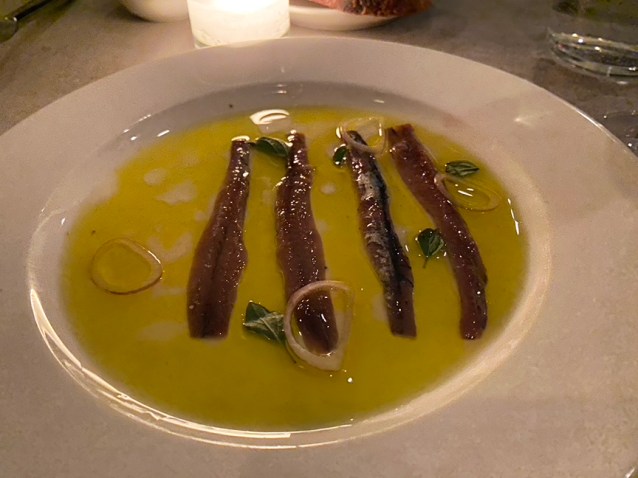 One of the most exciting stops last week during my time in New York with my client Michele Marsiaj, owner of the Amistà winery in Nizza, was at
 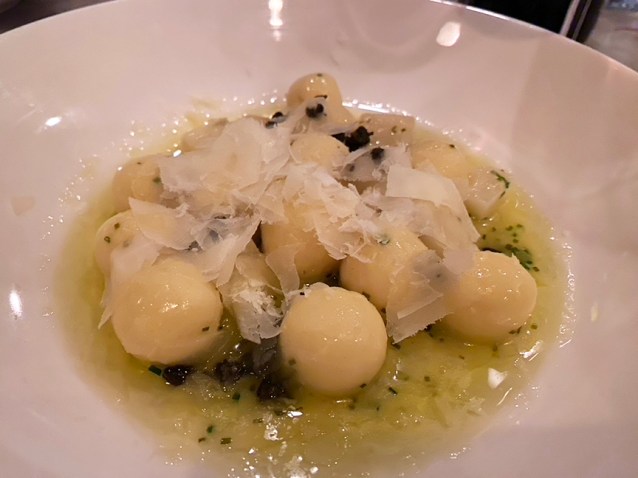 Those are the wonderfully ethereal “Parsian” gnocchi, which were hard not to inhale. Another over-the-top winner dish that we all thoroughly enjoyed.
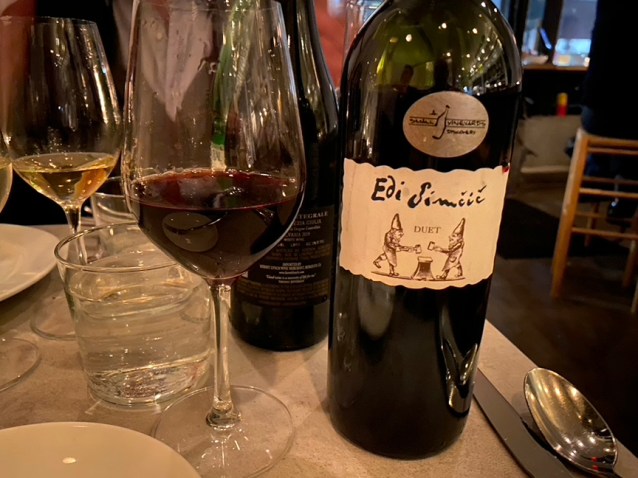 We were floored by how good it was.
 Even after all these years, I still hadn’t ever made it to Aldo Sohm’s super wine bar in midtown Manhattan. But that lacuna was rectified when I convened there last night with my client and his crew.
 It were as if Aldo Sohm, arguably the top sommelier in New York and undeniably one of the leading wine professionals in the country, had imparted his grace and knowledge to his team through osmosis (not reverse osmosis, I may add for the the wine-hip crowd).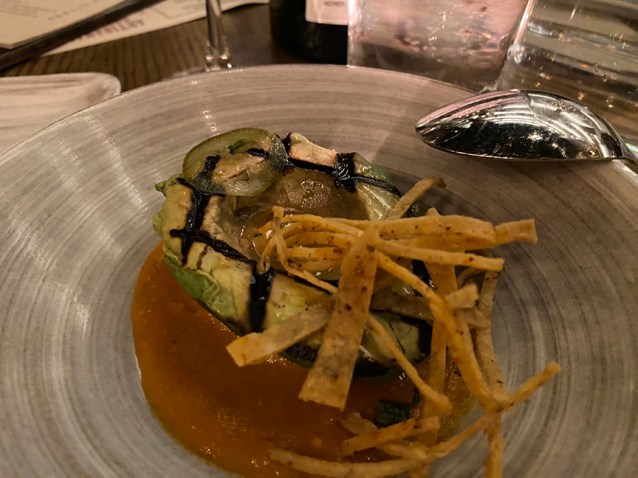
 Above: a shot taken while waiting for stop light in Rome in September 2022.
  Do Bianchi