
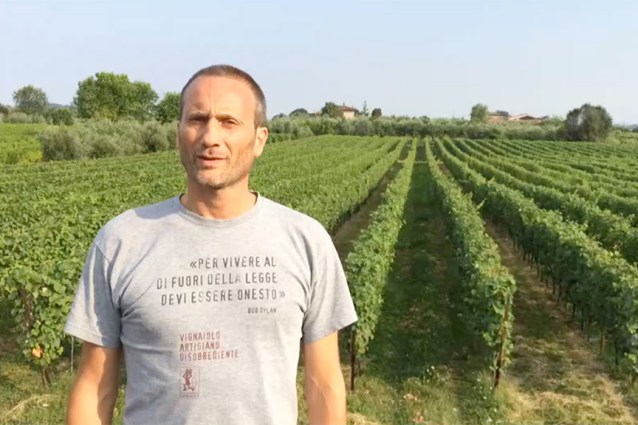
 Above: Angiolino Maule, right, founder of the VinNatur association for natural wine and one of the world’s leading advocates for pesticide-free wines (photo by Alfonso Cevola).
“I was beginning to feel like a sheriff,” said Angiolino Maule, founder of the Italian natural wine advocacy group VinNatur, when I met with him at his winery earlier this year.
He was referring to his group’s monitoring for the presence of chemical residue in the soils of its members’ vineyards.
When we met and tasted together this spring, he told me that the group is working on a new method for monitoring the health and biodiversity of the soils. The new system, he said, won’t be based on laboratory analyses of soil samples. Instead, it will focus on the presence of insects and other animal life among the vines.
“If there are insects in the vineyards,” he said, “it means that pesticides are not present.”
Maule and VinNatur have not yet revealed the criteria for the new monitoring system. But in a press release issued last month, they announced that they are in the process of developing the new protocol together with government-sanctioned certification groups and the Italian Ministry of Agriculture and Forestry.
In the meantime, the group has published its new guidelines for the production of natural wines.
As the wine world continues to wrestle with the definition of natural wine, VinNatur has presented its new checklist of permitted and forbidden practices as a new benchmark in defining the category.
“Those who choose to drink natural wine,” write the authors of the press released issued by the group (English), “have the right to receive tangible guarantees on what they will find in the bottle. Declaring oneself to be a ‘natural winemaker’ is not enough — one must be truly aware of the great responsibility that there is regarding the health of enthusiasts and clients, and act accordingly.”
The new guidelines haven’t been met by cheers in all corners of the natural wine movement. And more than one detractor has pointed to the fact that other similar “guidelines” have been published in the past.
“Whatever certificate, little medals, or badges… no, thanks. I’m beautiful the way I am,” wrote natural winemaker Corrado Dottori in a blog post. “Making natural wine is not a question of procedures. It’s a state of mind. VinNatur has got it wrong. Fuck the police. You have betrayed the revolution” (translation mine).
In a blog post entitled “Bla bla … natural wine … bla bla,” natural winemaker Alessandro Dettori contends that the focus should be on “agriculture… terroir, and the artisanal character” of winemaking (translation mine).
Click here for the English-language version of the guidelines.
Click here for the English-language version of the press release.
 Over the weekend on social media, a lot of people asked about the photo above.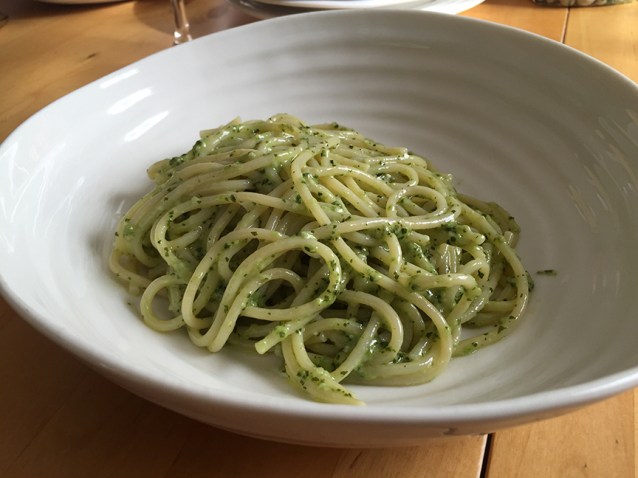

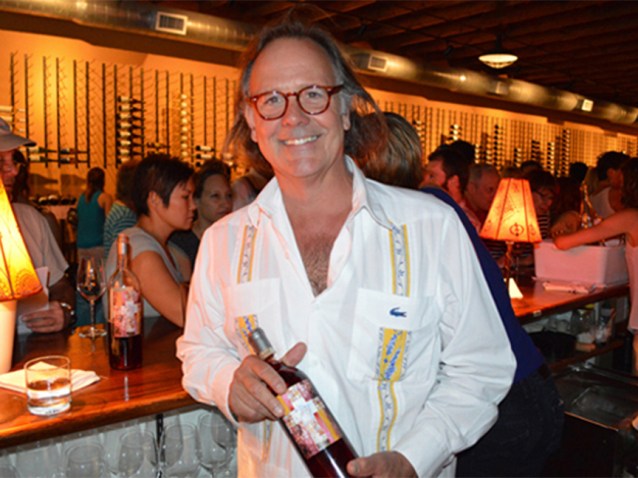 Above: I’ve followed Lewis Dickson’s wines for many years now. They’ve always been wholesome, food-friendly, and tasty. But they have really come into focus in recent vintages (photo taken in Austin, Texas in 2014).
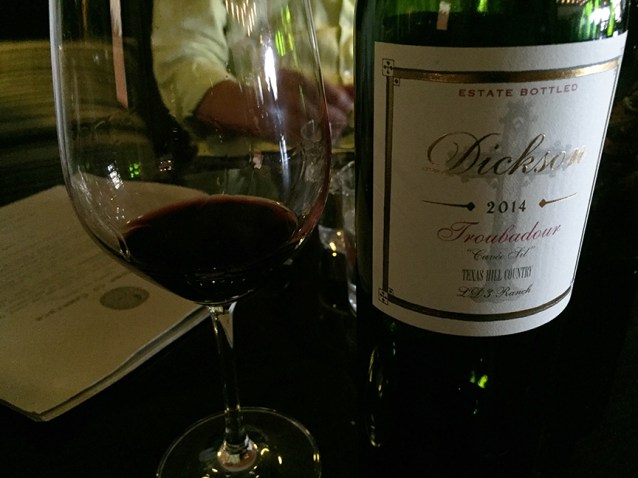 Above: Dickson’s Troubadour is made from 100 percent Black Spanish grapes. No one really knows the variety’s origins. Some believe it was developed in the New World, others contend that it came from France. Most agree that it was widely planted in Texas before the founding of the Republic of Texas in 1836. Its legacy here gives it gravitas as a “Texan” variety. Look it up under “Jacquez” in Wine Grapes (Vouillamoz et alia, Ecco).
 Above: Italian sommelier and critic Davide Oltolini in a photo dated August 2012 (via
  Above: “Chasing the fog” in Montalcino, a digital reproduction of an analog photo by London-based filmmaker
 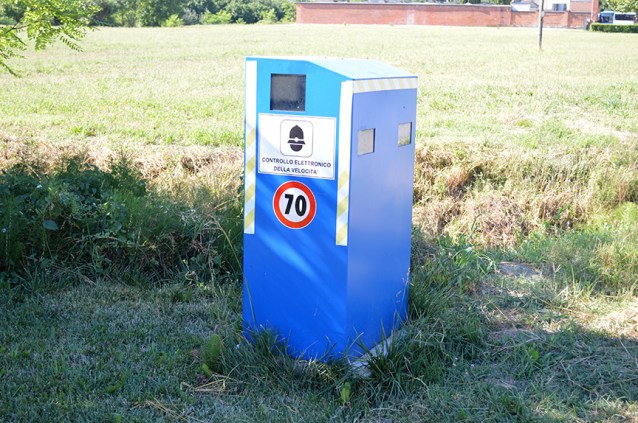 As many Americans have headed to Italy for a summer vacation, I’ve seen a significant up-tick in views of a post I published last fall,
  I had read about
 Reader John Roenigk of the Austin Wine Merchant writes:
 Happy birthday, Lila Jane, sweet, sweet girl!
 Do Bianchi