
Taste 4 Lambruscos with me in Los Angeles
with Emilian bites by Chef Steve Samson
Tuesday, August 8
6:30 p.m.
Rossoblu
$40 per person
1124 San Julian St.
Los Angeles CA 90015
Google map
Please call (213) 749-1099 to reserve.
 Above: image via the Italian Communist Party’s Reggio Emilia Facebook page. Reggio Emilia is in the heart of Lambrusco and Parmigiano Reggiano country.
On Tuesday of this week, I shocked a few people (all friends, thank goodness) at my Lambrusco tasting in Houston when I spoke about Lambrusco’s relationship with historic Communism and Marxism.
The thesis of my talk was what I call the Lambrusco paradox.
Emilia is home to some of the world’s most celebrated, coveted, and costly food products: Prosciutto di Parma, Culatello, Zampone, Parmigiano Reggiano, and aged balsamic vinegars.
A 100ml bottle of traditional balsamic vinegar from Modena will set you back nearly $830 at Walmart in the U.S., for example.
At my local gourmet market in Houston, to cite a more mundane example, 12-month aged Parmigiano Reggiano costs $21 a pound!
The Via Emilia corridor — Modena, Reggio Emilia, and Parma townships — is home to some of the most famous gastronomy in the world.
But the only wine that the Emilians serve with their food products is an inexpensive, humble, and monodimensional wine made from a grape that is so tannic and bitter that you have to add sugar to it to make it drinkable — Lambrusco.
I spent a considerable amount of time in Emilia when I was in graduate school, first when I taught American students in Modena and then later when I was writing my dissertation and living cheaply on the outskirts of Reggio Emilia. My connection to Emilia runs even deeper thanks to my 30-year friendship with Chef Steve Samson, owner of and chef behind Rossoblu in Los Angeles where I co-author the wine list. He grew up spending summers at his mom’s house in Bologna (and Rossoblu is his first restaurant devoted to his family’s culinary heritage; his dad, from Brooklyn, studied medicine in Bologna in the 60s and married Steve’s mom, who grew up there).
I can tell you from personal experience that Emilians rarely drink any other wine than Lambrusco with their traditional dishes. And the only wine that they recommend pairing with their top food products is Lambrusco: not Nebbiolo, not Sangiovese, not Aglianico… It’s Lambrusco, period, end of report.
I’ll never forget bringing back a six-pack of Brunello di Montalcino from Tuscany to Modena and having my Emilian friends look at me like I was crazy. Why would we drink anything else besides Lambrusco with our cuisine? they asked me rhetorically.
So what is the origin of this disconnect, this conundrum? Why don’t the Emilians — from the entitled to the middle and working classes — reach for a “Super Emilian” to pair with their famous delicacies?
I believe that the answer lies in part with their region’s historic embrace of communism and Marxism.
In the decades that followed Italy’s reconstruction and historic “economic miracle,” politics and policy in Emilia were dominated by the Italian Communist Party — from the local to the regional level. The overwhelming majority of mayors, municipal council, and regional committee members were members of the Italian Communist Party. And that trend continued until the second half of the 1990s when the Tangentopoli (Bribesville) scandal marked the beginning of the end of relevance for the socialist and communist parties in Italy.
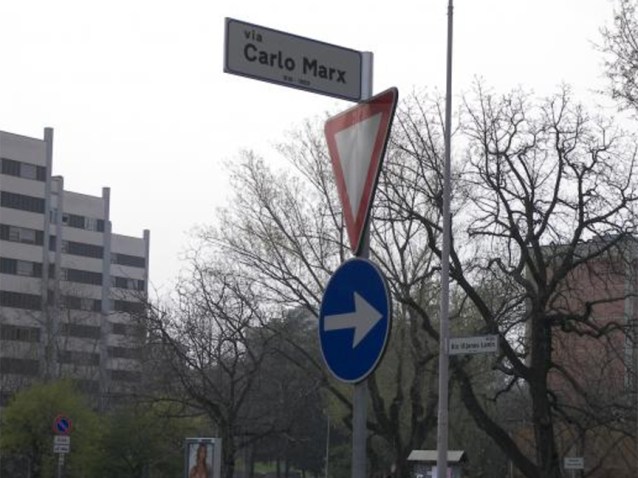
Evidence of that legacy is the fact that throughout Emilia you will find streets named after Marx and Lenin and St. Petersburg.
It was no surprise to me when I discovered that one of the wines I presented the other night in Houston comes from a winery located on Via Carlo Marx in a small village in Reggio Emilia province (the image below of Via Carlo Marx in Bologna, Emilia’s capital city, comes from Wikimapia.org).
Communism was always deliciously palatable in Emilia: in the years that followed Italy’s reconstruction, Emilia quickly emerged as one of the country’s richest regions thanks in no small part to the food industry there. After all, the Via Emilia corridor runs parallel to the Po River, the heart of Italy’s agricultural epicenter (akin to California’s San Joaquin Valley or the Loire Valley in France).
It’s easy to be a communist and a Marxist in a region where there is plenty of Prosciutto di Parma and Parmigiano Reggiano for everyone.
But there’s no space in a Marxist realm for elitist wines. Not only is the Po River Valley a place where the humidity and heat make it nearly impossible to produce fine wines, it’s also a place where no one really cares about fine wines (except when it comes to restaurants that cater to tourists).
Over the last 20 years, the hard right has risen in Emilia (and throughout northern Italy) and in most cases has wrested power from the Italian Communist Party.
But there’s no doubt in my mind that Marxist spirit and ethos continue to shape the Emilian’s love for and devotion to their humble Lambrusco, a proletarian wine that pairs brilliantly with their “queens” and “kings” of food products.
There’s a lot more to this than space and time allow for here (and I’ll expand on it in upcoming posts; I’ll also write about the origins of Lambrusco and why it’s the wine that it is today).
But in the meantime, I hope you’ll come out to taste with me week after next in downtown Los Angeles: I promise not to talk (too much) about Karl Marx!
In case you didn’t get the allusion in the title of this post, it comes from Gadda’s extraordinary book, That Awful Mess on the Via Merulana.
 Before the Parzen family headed to southern California for
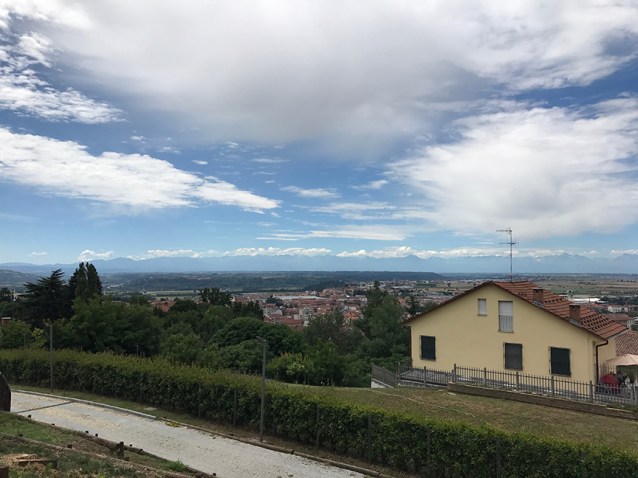
  I know a lot of people are curious about the toponym Bra (and the homonymic jokes are as predictable as they are forgivable).
 There were so many highlights from our summer vacation this year. But I’ll never forget that magical moment of finally being strapped in aboard a plane bound for California. The folks at Southwest were super nice and everyone was super cool about our car seats on the plane (I can’t say that every airline is like that!).
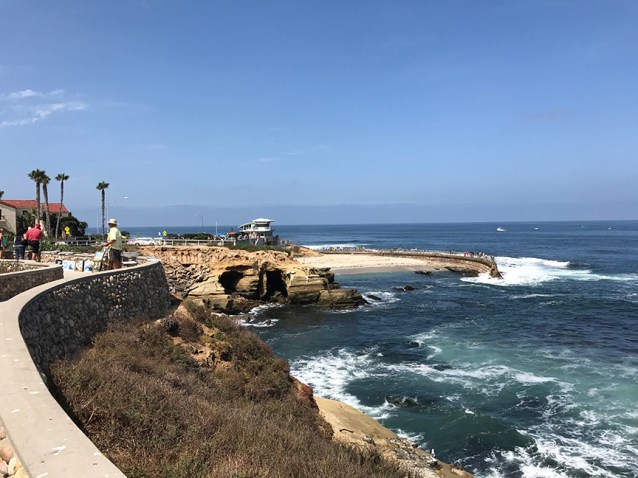 Here’s the view that awaited us on the other side. That’s the La Jolla Children’s Pool (beach), where I used to swim as a kid.
 The Children’s pool has been taken over by the seals in recent years. So I took the girls nearly every morning to search for shells at the nearby La Jolla Cove, where the seals also hang out but still leave enough room for humans.
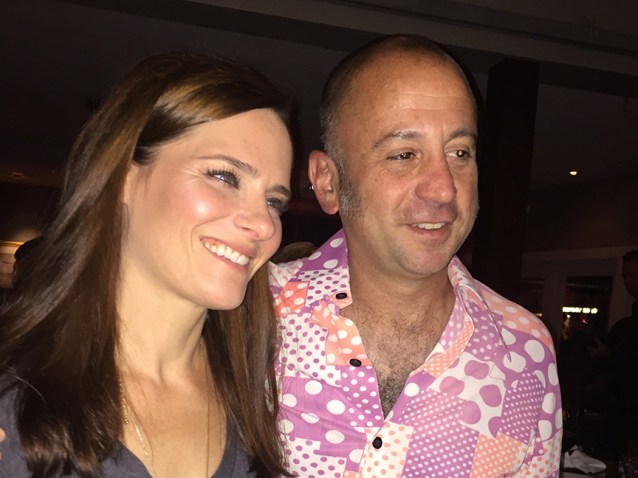 On Friday, July 14, we celebrated my 50th birthday (!!!) with an all-star hometown show at La Jolla’s sole rock club, Beaumont’s.
 For years now, there has been talk of a Lambrusco renaissance in the U.S. And while there have been many valiant attempts to hip Americans to what Lambrusco really is and why it is so great, it’s only in recent years that a confluence of factors — ranging from a new and growing wave of independent importers and distributors in the U.S. to Americans’ expanding and incessant thirst to (re)discover Italian viticulture — has made Lambrusco’s risorgimento possible.
  Today Barolo mourns the loss of one of its greatest grape growers and winemakers, Domenico Clerico, 67, who died yesterday in his home in Monforte d’Alba. According to
 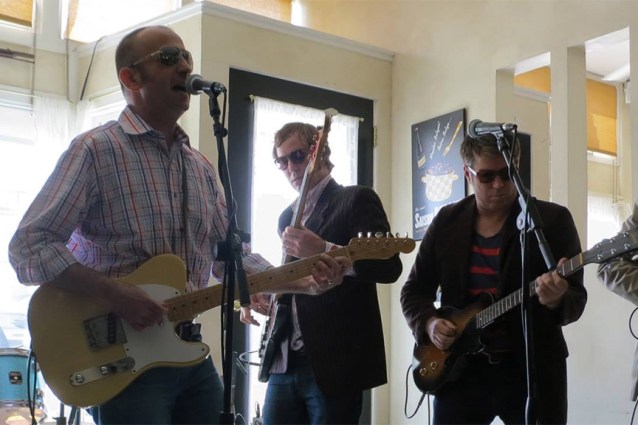 After nearly 50 years on this planet, I’m allowed to take a little vacation, right?
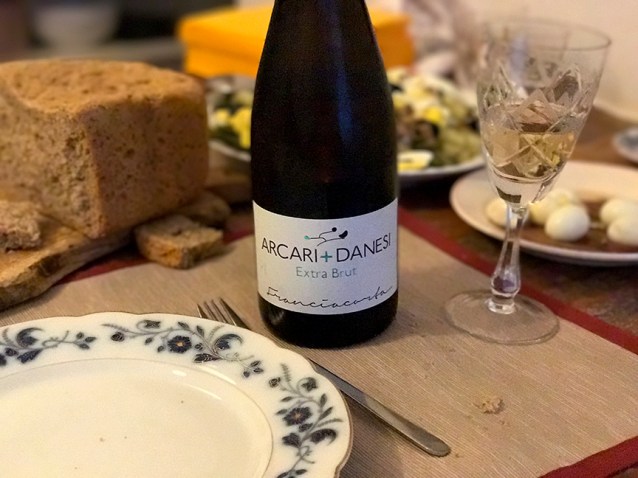 Just had to share a tasting note for this wine by my bromance Giovanni Arcari and his partner, another one of my best friends in Italy, Nico Danesi.
 Giovanni generously hooked me up with a bottle of their 2011 Franciacorta Extra Brut for me to take to dinner on my last night in Italy. I was heading to Milan to meet one of my best friends from my University of Padua days, Stefano Spigariol, who’s also celebrating a milestone birthday this weekend. Our mutual friend Gavino Falchi,
  Giovanni and Nico have shared so many memorable bottles of their wine with me and my friends. But this was one of the most remarkable in terms of its glowing, brilliant fruit character. What a wine!
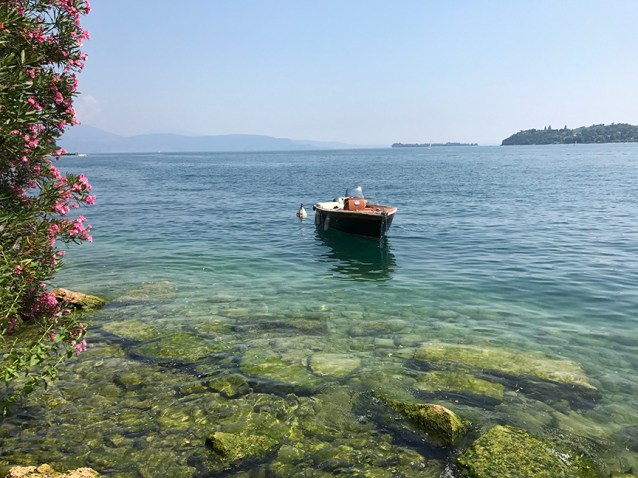 I rarely indulge in what Tracie P and I call “day drinking.”
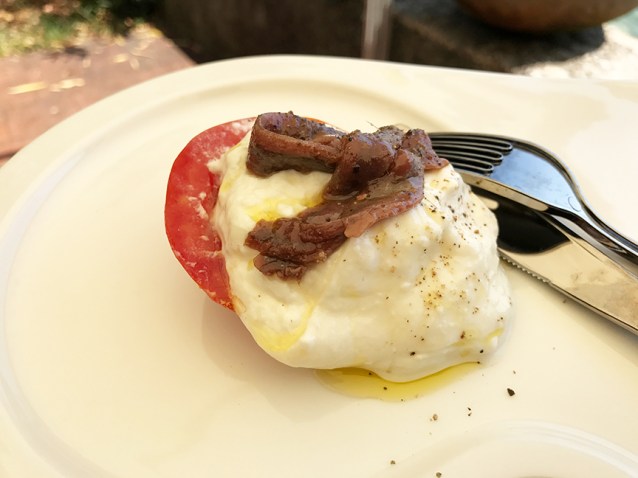 A lot of Facebook folks have been asking me where I was partying on the lake yesterday: we were at Tony’s private rental house just outside the village of Salò, not far from the Palazzo Martinengo, where Mussolini’s secretary once ran the Italian Socialist Republic — the Fascist state established after the Armistice of Cassibile in 1943.
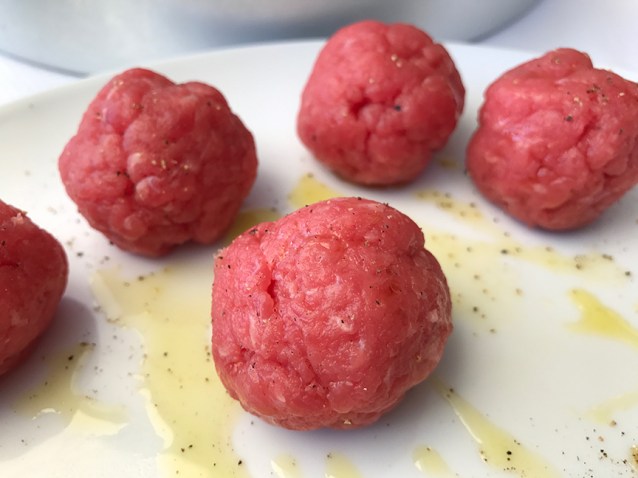 Those are his battuto di fassona (Fassone [or Fassona] beef tartare) “meatballs.” Ridiculous, right?
 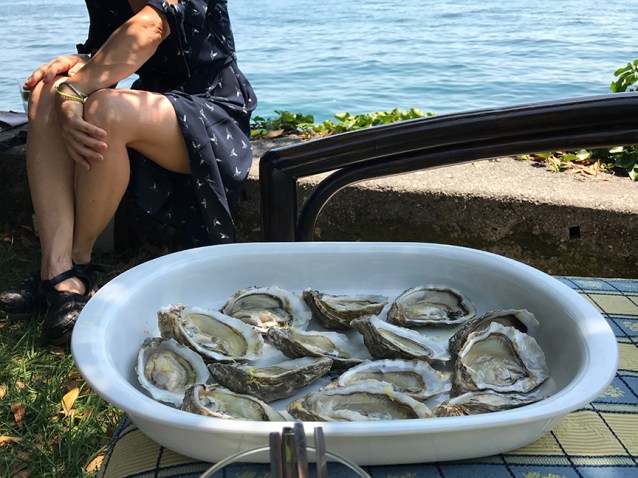 Brittany oysters paired brilliantly with Pasini Lugana metodo classico (“Trebbiano with a small amount of Chardonnay,” said the consulting enologist, who happened to be on hand).
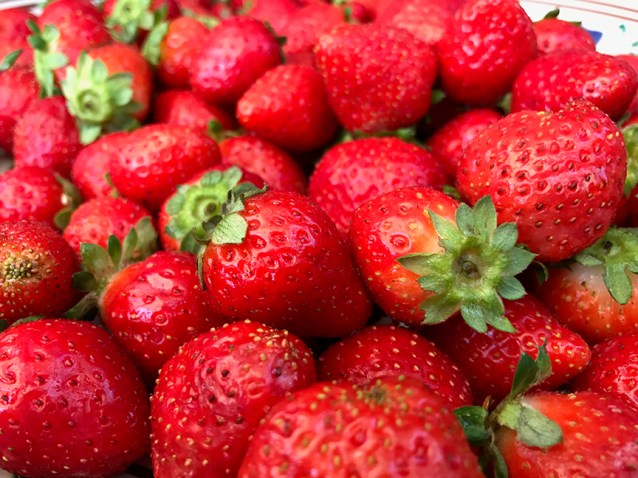 Locally harvested strawberries for dessert, among many other delights (I only wish I would have taken more photos, Gianni, but the party was too good!).
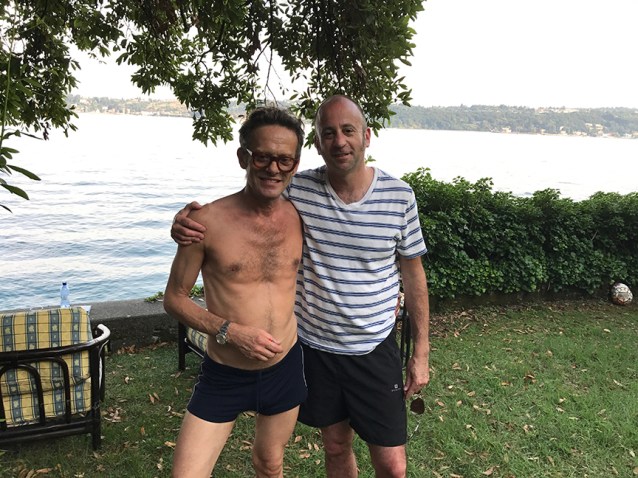 Tony, my friend, thanks for letting me tag along for your excellent birthday party. I can’t think of better way to get my own birthday week kicked off right. That gin & tonic was the best I ever had and I’m now heading home with the perfect tan…
 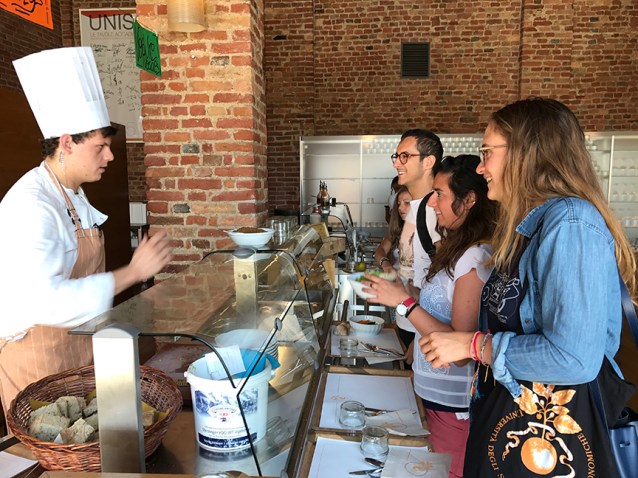 As much I as cherish my memories from my university days in California and Italy, I realize now that the cafeteria food really sucked back then.
 That’s tartrà on the right, a savory pudding made with eggs, onions, and herbs, a classic dish of Piedmontese country cooking.
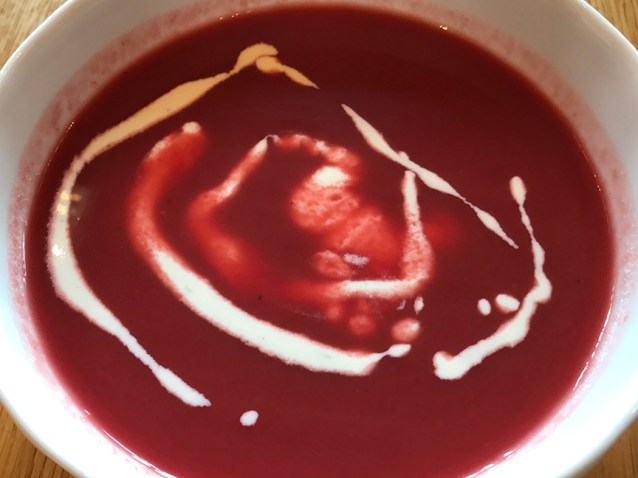 Our one Russian classmate and I bonded over the beet soup that was also on the menu yesterday.
  We are halfway through our culinary writing class and this afternoon, following our morning session on food blogging and social media trends, I’ll lead my first seminar on “Wine in Boccaccio’s Decameron.”
 That’s Italian wine legend Giorgio Grai (above, right) with leading Italian wine retailer and former winemaker Francesco Bonfio, co-founder of the newly launched
  The other new wine (and Italian wine) resource I’m really excited about is Alice Feiring’s newly released book
  And lastly, from the department of “all the news that’s fit to blog about,” I was catching up on my Feedly this week when I read that
  Do Bianchi