
 Tracie and I both really enjoyed this Vermentino (above) from Troon Vineyard in Oregon.
My longtime friend Craig Camp, the estate’s general manager, had sent me a flight of the property’s wine in exchange for some consulting I did for him.
From San Diego county to southern Oregon, I’ve tasted some great wines made from Vermentino over the last 12 months. And this bottle got me thinking: where American Pinot Grigio has nearly always struck me as uninspired, west coast Vermentino can really deliver in terms of varietal expression, food-friendly drinkability, and approachable cost (according to WineSearcher this wine should retail for around $15).
Historically, American viticulture has always been driven by winemakers’ desire of the Other (apologies for the post-modern speak). The patricians who founded Napa Valley drank Bordeaux and Burgundy like their British counterparts. And so they planted Cabernet Sauvignon, Merlot, and Chardonnay even though those may not have been the ideal varieties to grow there.
The same could be said of the American Pinot Grigio mania of the 2000s.
Francis Ford Coppola doesn’t grow Pinot Grigio in California because it’s the ideal grape to grow there. He grows it because he and his company think that’s what Americans want to drink (they blend it with Chardonnay and Chenin Blanc according to the winery’s website).
As Tracie and I happily polished off Craig’s Vermentino over the course of two nights (it was still super fresh on night two, btw), I couldn’t help but think: could Vermentino be the white grape that California and Oregon winemakers have been waiting for?
The wine had a wonderful buoyant character thanks to its zippy acidity and a classic citrus note, typical of Vermentino when handled properly. I remembered a Vermentino I had tasted with a San Diego grower last year and how proud he was of its continuity with Vermentino farmed in Sardinia. That one was delicious and affordable, too.
Vermentino: it’s the new — or at least it should be the new — Pinot Grigio!
In other news…
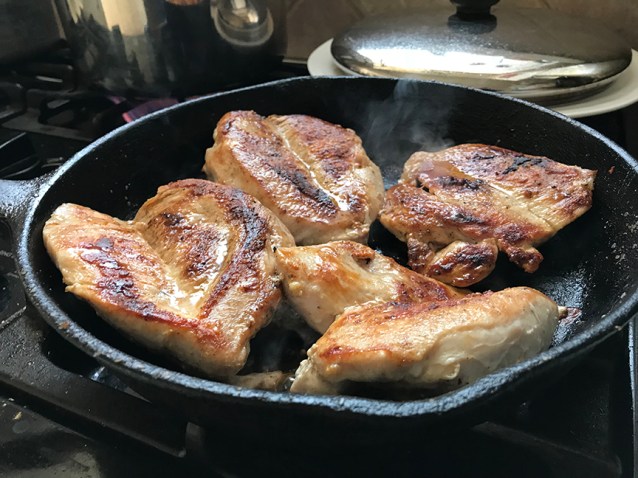
A lot of folks asked me about the below photo, which I shared yesterday on my Instagram.
That cast-iron skillet belonged to Tracie’s maternal grandmother, Georgia Ann, our oldest daughter’s namesake.
She faced severe economic challenges over the course of her lifetime yet she raised a large brood of happy and healthy Texans. And by all accounts, she could cook like nobody’s business.
We use that pan nearly every day at our house, from frying bacon in the morning to pan-fired chicken, pork chops, and steaks at night. It’s so well-seasoned that you barely need to salt the meat. And man, I’ve never had a better grilled cheese sandwich than the ones I’ve turned out with that pan.
Last night’s blackened chicken was the easiest thing to make: I simply salted the split breasts and added them to the pan without any fat after I had let the skillet heat properly over low heat; aside from turning the meat, I didn’t have to do anything else. It made for a great pairing with the Vermentino.
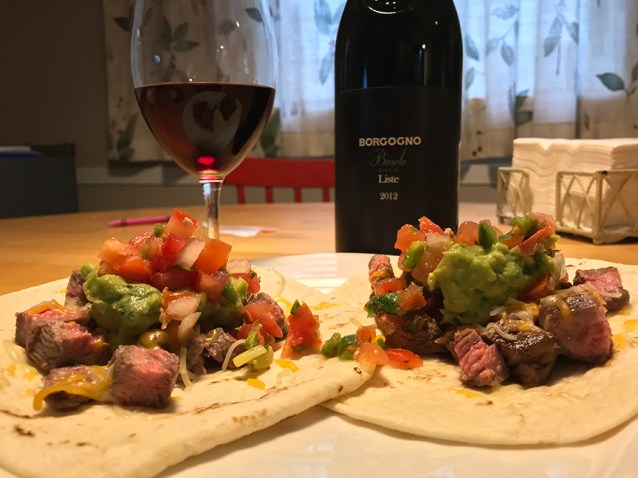 Single-vineyard designate Barolo and steak tacos piled high with spicy guacamole and pico de gallo…
 The world of Italian wine moves so fast these days that we often forget that the mosaic of Italy’s vinous treasure is as endless as it is wondrous.
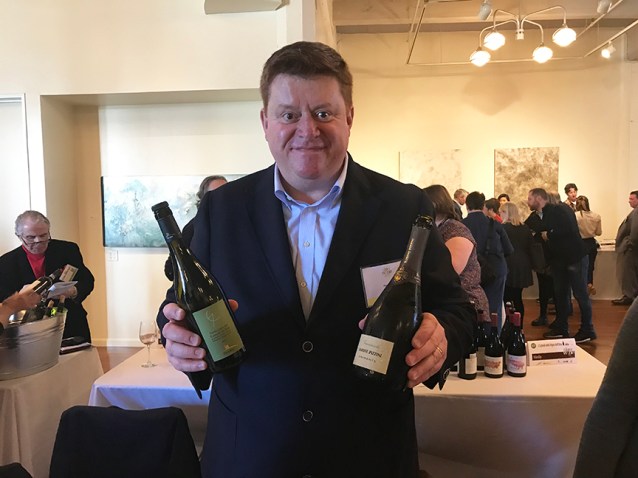 Another highlight for me at the tasting last week was Pievalta’s 2012 Verdicchio dei Castelli di Jesi Riserva San Paolo. I used to do some writing for the Barone Pizzini group, which includes the Pievalta estate. That’s BP COO Silvano Brescianini in the photo above. I’ve followed the wines since the earliest vintages and I really believe this year’s release and next year’s, from the 2013 harvest, are really going to put the little-biodynamic-estate-that-could on the map for good. Great wines.
  Speaking of the 2013 harvest, I was also stoked to taste the new release of G.D. Vajra’s Barolo Bricco delle Viole. What a vintage for this wine!
 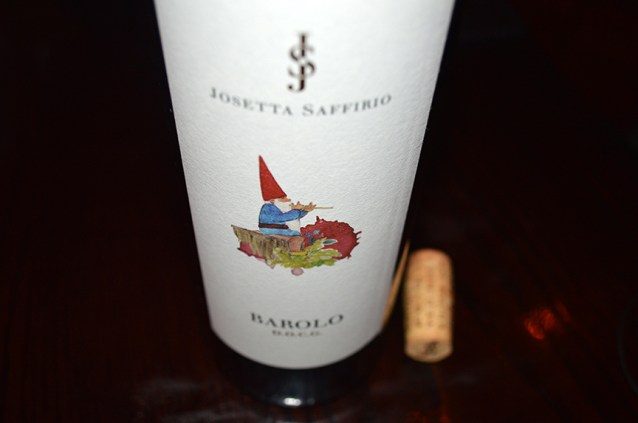 Lunchtime at a bustling Houston-area Tex-Mex restaurant isn’t exactly the ideal place to taste Barolo.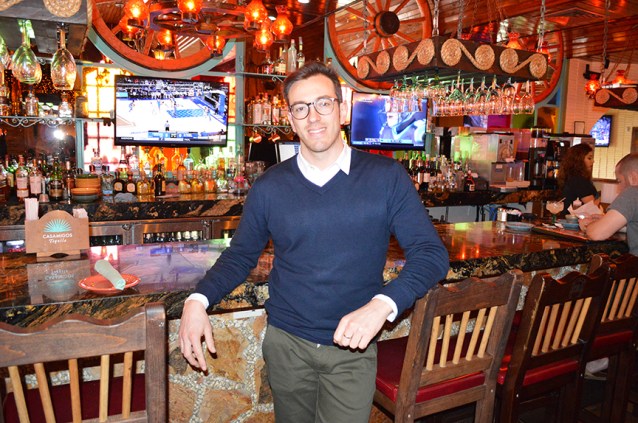
 This week, my wife Tracie’s 97-year-old grandmother received an anonymous letter defaming her granddaughter and me. The author claimed to have gone to school at the same California university where I received my doctorate. She/he evidently felt compelled to share slanderous, false information about our lives, including our sex lives and our children.
 When Slow Wine editor-in-chief Giancarlo Gariglio asked me if there was something he shouldn’t miss on the touring team’s drive from New Orleans to Houston, I told him to drive straight through to my adoptive city where I knew he and the group of traveling Slows would enjoy dinner at one of my favorite restaurants in the city, Caracol. They did btw.
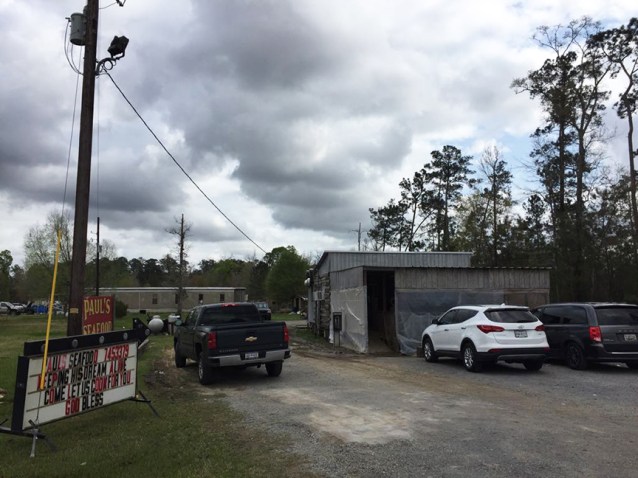 Evidently, Giancarlo’s GPS had informed him of an accident on Interstate 10 and so he took their van off the freeway at the first exit, which just happened to be
  Giancarlo and his team enjoyed the fried shrimp and frogs’ legs. And they said everyone was really nice to them (despite their broken English).
 What a thrill for me to share the stage last night here in Houston with Italian wine industry great Brian Larky (foreground), US Foods Corporate Chef Joe Vargyas, and my good friend J.C. Reid, Houston Chronicle food columnist and bbq expert.
 As I prepare my notes for
  Man, I was just blown away last night by Vinny Montecuollo’s wine list at Potente in downtown Houston last night. The breadth and range of his 350+ lot Italian program, the aggressive pricing (he’s using the retail-plus-corkage formula), and the balance of modern vs. traditional winemaking represented across the board… This is the type of list that has something for everyone, from the big spender who wants to share a trophy label with her friends to an average punter like me who is completely stoked to find Cantina del Pino 2011 Barbaresco for just $70 (!!!).
  But the wine that really stole my heart last night was the Colterenzio Müller Thurgau from South Tyrol. Man, this wine had it all: zinging but not overly flashy acidity, gorgeous white flower notes on the nose and rich apple and pear in the mouth.
  Do Bianchi