
 Frasca in Boulder and Vetri in Philadelphia have long been at the top of many informed gourmets’ list of best destination Italian restaurants in the U.S.
At both venues, the executive chefs have embraced traditional, regionally inflected Italian cuisine and as their gastronomic vision and mission. But exploration, experimentation, and creative verve are also important elements in their aesthetic and ethos.
Last week, a dining experience in New York City changed my view of that status quo.
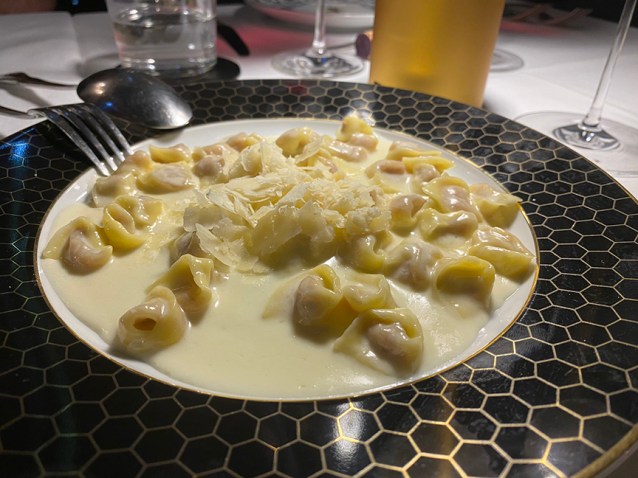
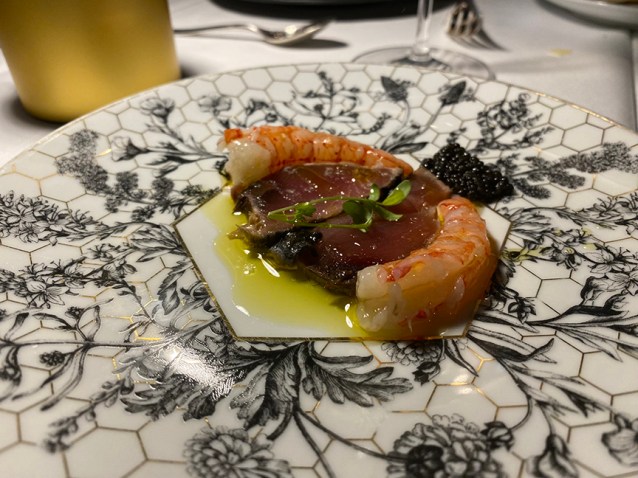
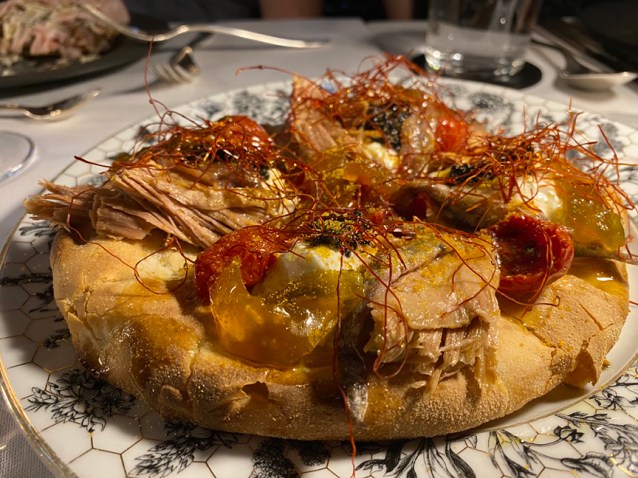
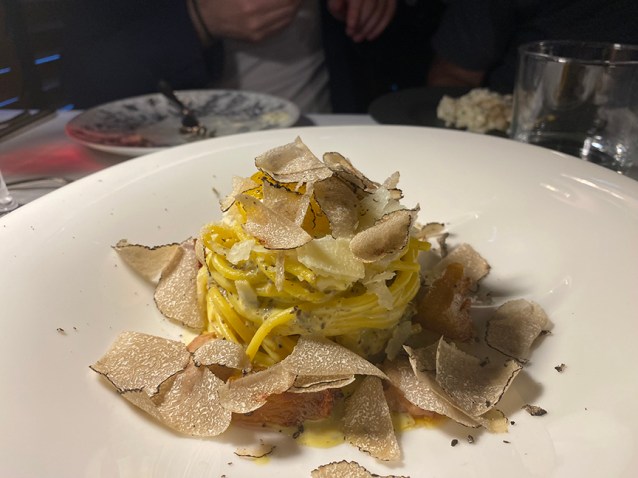
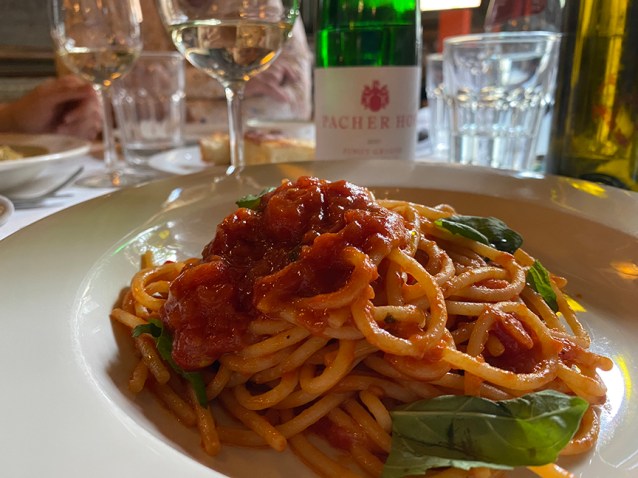
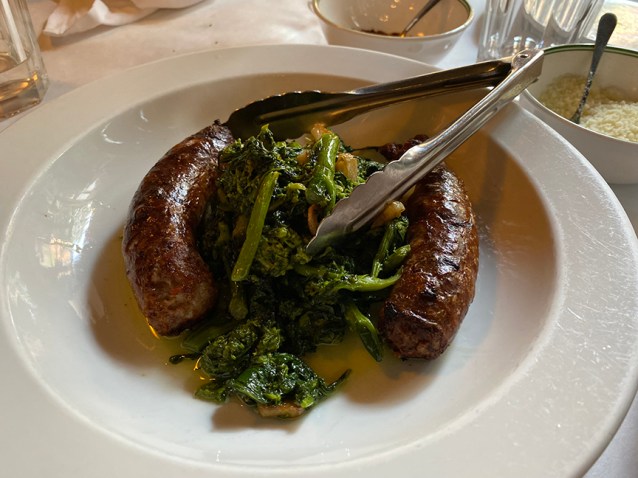
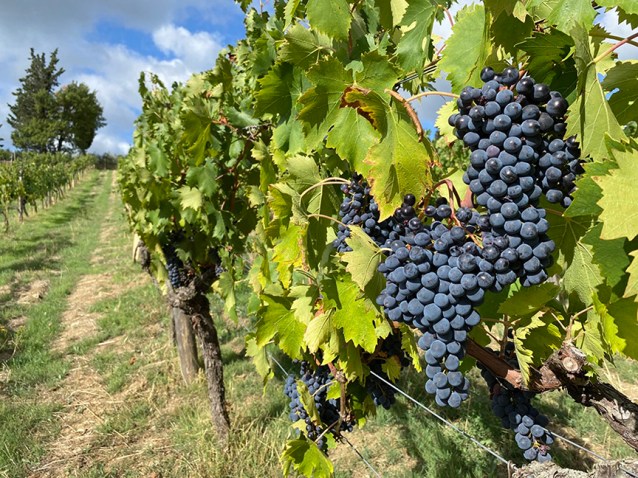
Lucciola, on the Upper West Side (in the heart of my old neighborhood), seemed the embodiment of the future of Italian culinary arts: maniacal attention in selecting the materia prima; extreme precision in execution; respect and passion for tradition balanced by an insatiable hunger for creativity; and a wine program that celebrates the greatness of Italian viticulture while including icons of international winemaking.
 The word lucciola means firefly in Italian. It’s pronounced with the emphasis on the first syllable: LOO-choh-lah.
Owner and chef Michele Massari and co-owner and wine director Alberto Ghezzi both hail from Emilia.
You are going to hear a lot more about them this year. Chef wasn’t there the night that I ate there. But Alberto, the nicest guy btw, told me about a new project that will bring the pair national exposure. It’s not my place to reveal their new partnership but it’s safe to say that it’s going to be a big one, with broad reach.
 Alberto also told me about an upcoming sold-out dinner that will feature the winemaker and a vertical flight of wines from the storied Champagne house Billecart-Salmon.
Billecart-Salmon isn’t the type of winery that you simply call and invite to your establishment. No, they choose the restaurants that align with their standards of excellence. I guess that Le Bernardin just wasn’t good enough.
It’s just another example of how chef Michele and Alberto have taken Italian cuisine to a new level.
 During my decade in the city, a number of then newly opened restaurants helped to redefine the Italian culinary dialectic in the U.S.
As I travel across the country these days, I see the ripple effect from those years.
There’s no doubt in my mind that Lucciola will have a profound impact on the way we conceive and perceive Italian cookery in years to come.
In the meantime, I’m just going to enjoy — to joyfully inhale — the gastronomic symphony that Michele and Alberto conduct nightly in a neighborhood once known solely for its smoked fish and the occasionally good Kosher steak.
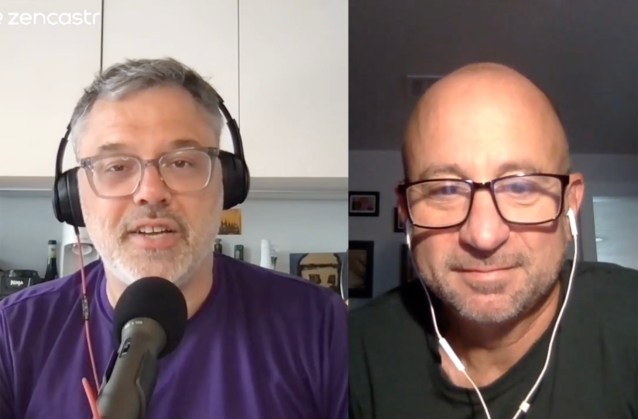 Big shout out and thanks today to my friend and fellow wine professional and activist Michael Whidden for asking me to join him on his
  All those years I lived in New York, I never made it to the legendary’s Ballato’s on East Houston.
  I had some incredible meals while in the city. And I tasted with some extremely talented people (I’m doing a “work with” for my client Amistà, whom I adore).
  Miami, Los Angeles… Houston.
  More than any others, two people have been the inspiration for my career: my dissertation advisor Luigi Ballerini and Darrell Corti.
  New Yorkers of a certain age will remember the moment that the
  Anyone who speaks more than one language will tell you the same thing.
  Miami is a genuine linguistic paradise where no one seems to care where you came from or what language you speak. Restaurant and wine professionals are constantly switching between the many tongues spoken there.
  I also have to give a shoutout to Graziano’s Market in Coral Gables where we hosted a supplier meeting earlier in the day. This place is like a dream come true for me: a Cuban-focused menu in a casual, self-serve setting with a broad offering of Italian wines — from Borgogno to Emidio Pepe. Nebbiolo and croquetas de jamón? I’m in!
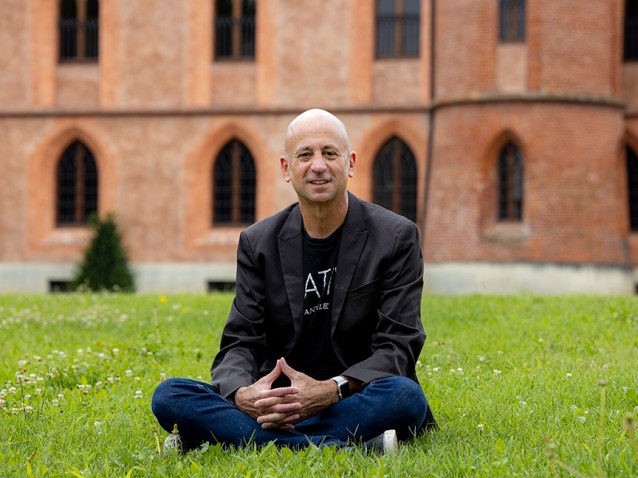 What a thrill for me to be asked to present a tasting of 13 of Valpolicella’s most iconic wineries in Houston!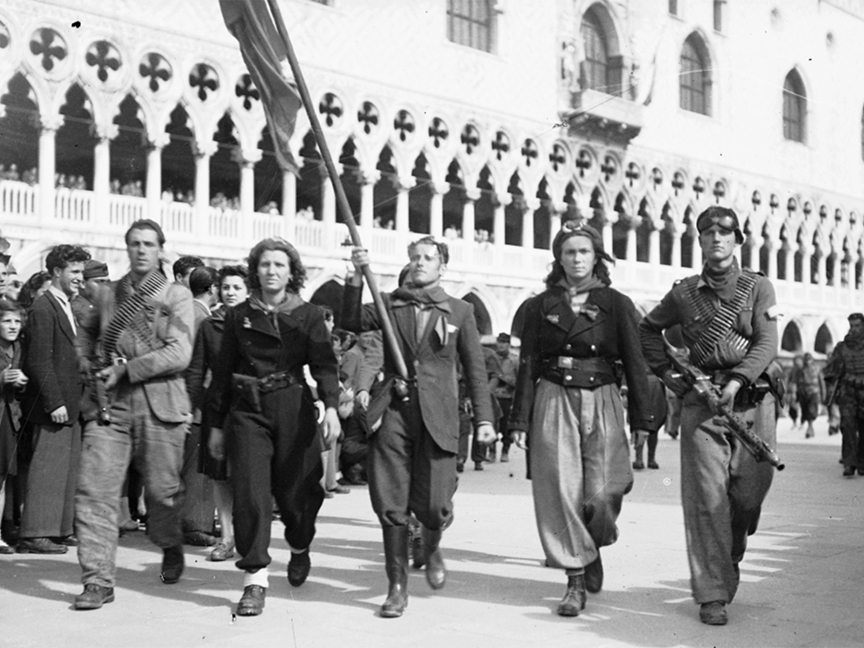
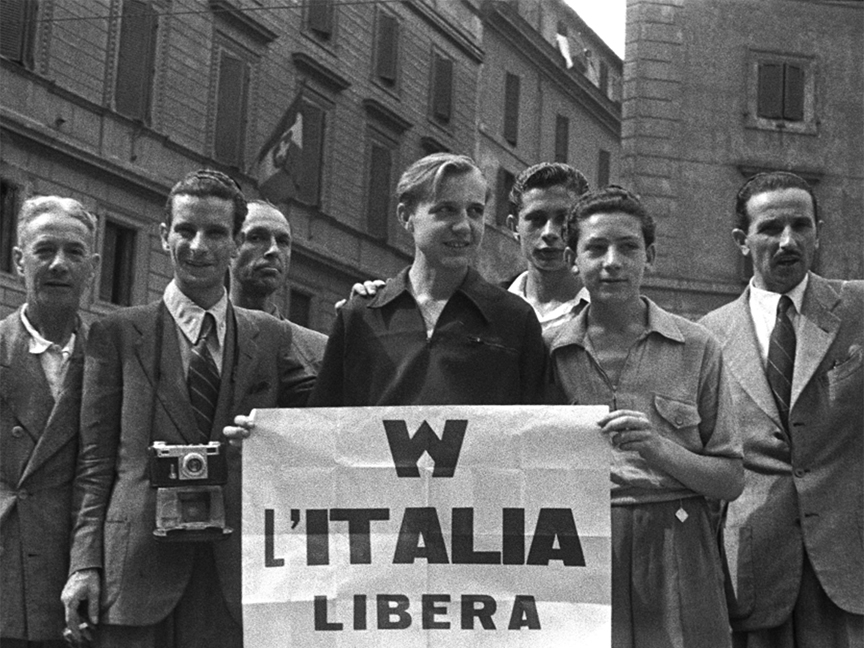
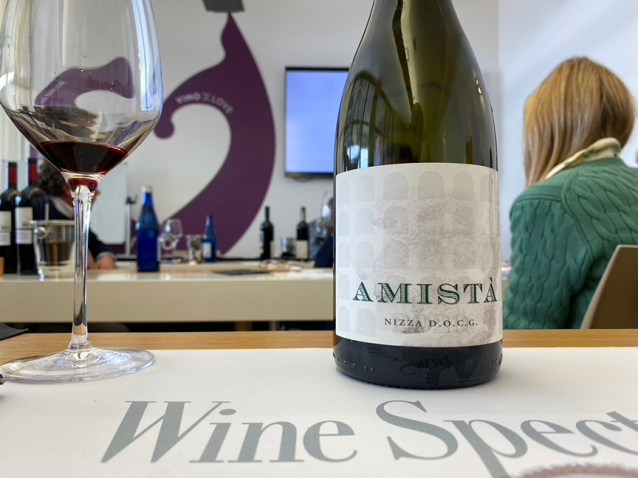 It’s incredible to think how different the wine world when Wine Spectator was launched in 1976, the year of the Bicentennial, in San Diego. When east coast publisher
