
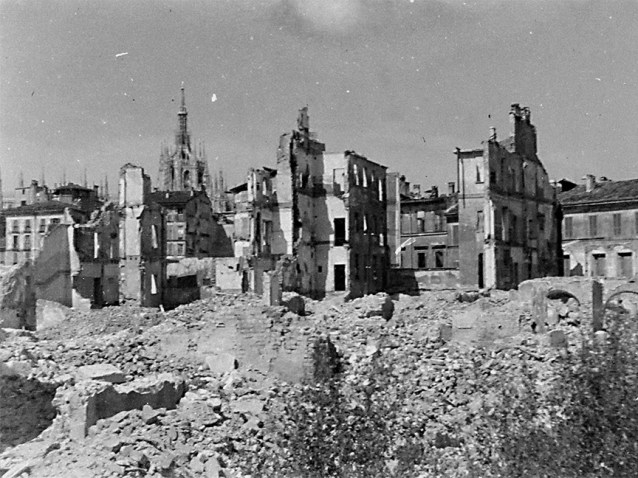
 Above: an image captured in Milan in 1943. Note the Duomo in the background. Image via Wikipedia.
By April 19, 1945, the occupying Nazi forces had begun to leave Milan. A few days later, the city was liberated by Italian partisans and by April 27, the U.S. 1st Armored Division had entered the city.
My dissertation advisor Luigi, who was born in Milan in 1940, used to love to tell the story of one of his earliest memories. It was an icy cold day in 1945, as he remembers it, when he watched a bare-chested German solider sitting atop his tank as it left the city. Luigi, who was five years old at the time, had survived both the Allied bombing of Milan and the Nazi occupation. In his mind, the soldier’s machoism was an expression of his unfettered defiance and pride as German forces retreated in the face of the American advance.
On this April 25, Italian Liberation Day, a national holiday that commemorates the Italian partisans’ victory over the Nazi occupation and the Fascist regime, it’s hard not to think of our sisters and brothers in Ukraine.
From 1945 when Milan was liberated, another two decades would pass before Italy rebuilt its economy. Luigi’s father had been killed in 1943 by the Nazis in Greece in what is known today as the Cephalonia Massacre. Think of what young Luigi and his single-mother faced in terms of rebuilding their lives. He would ultimately become a migrant after winning a scholarship to study in the U.S. in the 1950s.
In 1945, when the first wave of Neorealist films began to be released, viewers saw for the first time the severe personal and emotional toll of war victims and refugees. The most iconic of those is arguably “Rome, Open City,” where director Roberto Rossellini blended quasi-realtime war footage and person-on-the-street actors who had no professional experience (Fellini was one of the screenwriters).
While Americans were accustomed to seeing state-sanctioned war footage, this new media form reshaped the way movie goers understood the local human toll in a war that hadn’t been fought on their continent.
As we watch the nonstop coverage from Ukraine via mainstream and social media, many commentators have noted that there has never been a European war where news consumers have such unmitigated access to what is happening on the ground. Thanks to media’s immediacy today, the human toll and the resulting desperation are streamed daily into our homes and on to our phones. In many ways, our perceptions of the war find a parallel in what movie goers must have experienced when they saw films like “Rome, open city” (1945) and “Bicycle Thieves” (1948) for the first time.
Today, on this Italian Liberation Day 2022, more than 75 years after WWII ended in Europe, we must never allow ourselves to become immune to the suffering of the Ukrainian people at the hand of Putin — our generation’s Hitler. If Italy’s path to recovery gives us any indication of what the Ukrainians will face even after the conflict draws to an end, we must remember that it will take decades for life there to return to normal.
G-d bless our sisters and brothers in Ukraine. Please consider giving to Unicef’s Ukraine child refugee fund. This link takes you straight to the donation page. Thank you and happy Liberation Day.
Buona festa della liberazione. Let’s pray that one day we will all be free.
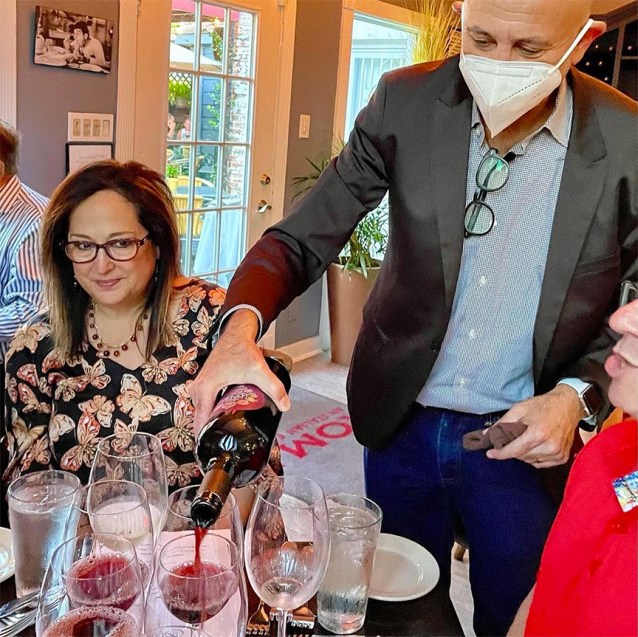 It meant a lot to me when my longtime friend and colleague
 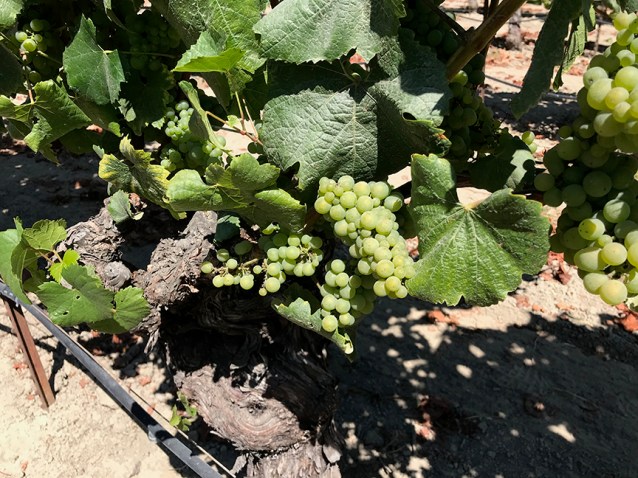 Back in the late aughts following the big bang of the enoblogosphere, there was probably no word more maligned, no term more associated with the wine establishment as “Chardonnay.”
 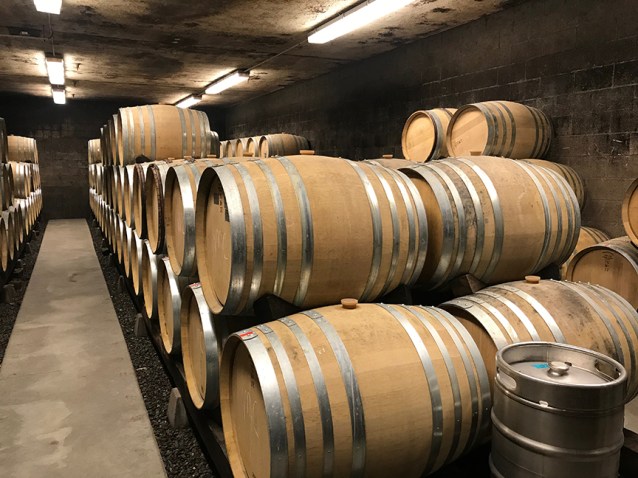 One of the key moments in my own personal Chardonnay sea change was my repeated visits in pre-pandemic years to northern California wine country where the opportunity to taste a broader spectrum of Chardonnay entirely reshaped my perception of the category. By my September 2019 trip for the Slow Wine guide, my third for the imprint, I had discovered so many expressions of Chardonnay that we both loved. From Santa Ynez to west Sonoma coast, there were myriad winemakers — many of them négociants — that had never found their way into our glass along our überhipster wine route.
  Another seismic shift was also happening: we were becoming more experienced wine drinkers. As we strived for many years to birth our “cool palates,” we began to realize that a great lacuna had formed in our wine tastes. And ten years into that arc, we became aware of that gap because we had started to taste some of the great expressions of Chardonnay with more finely honed tasting chops.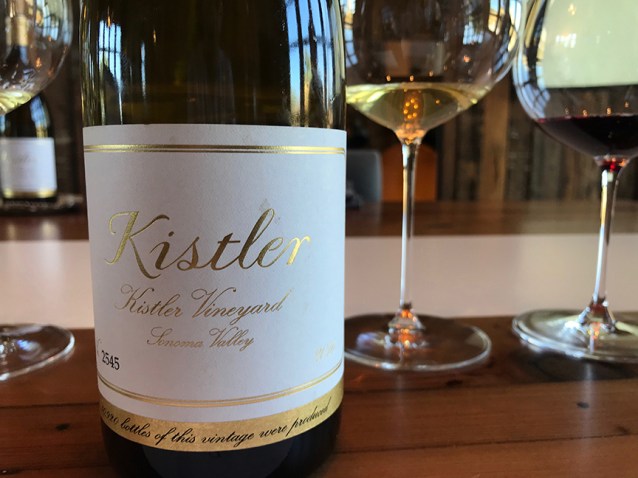
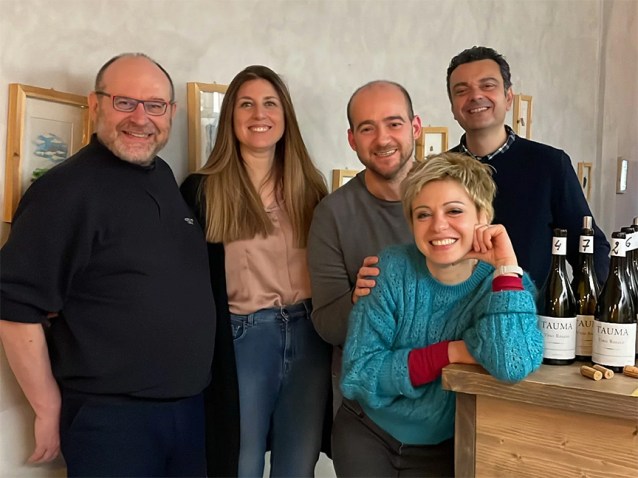 Above, far left: Sandro Sangiorgi, one of the authors of the recently published Vini Veri manifesto that squarely criticizes a new wave of natural producers who consider “technical ability an obstacle” to making their wines. A top wine writer and taster, Sangiorgi is widely considered one of Italy’s leading experts on and advocates for natural wine (image via
 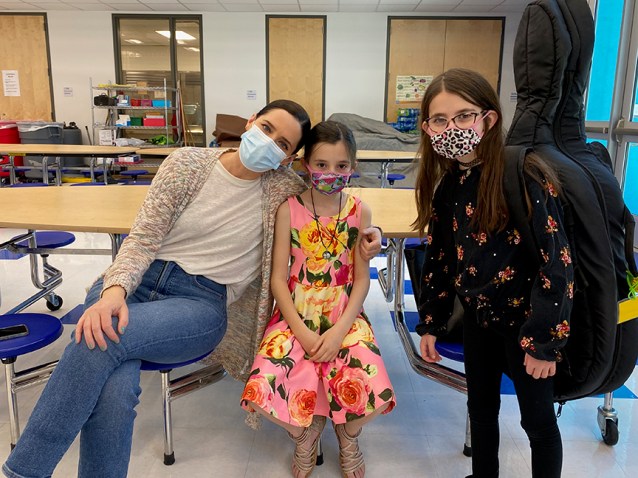 This year as we prepare to celebrate the Passover, our family knows how fortunate we are to enjoy good health and security. With everything going on in the world today, we take time each and every day to tell each other that we love each other and to let each other know that we support one another.
 Georgia and Lila Jane have both been doing well in school. And we all enjoy their music.
 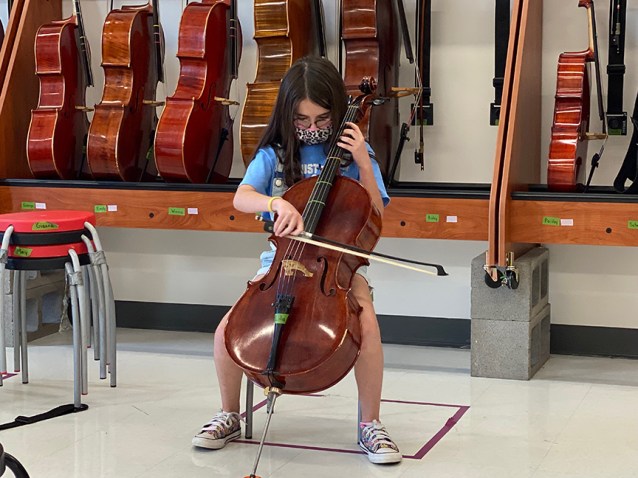 Georgia plays violin and piano and is in advanced choir at school. Lila Jane plays cello and piano and is in beginning choir.
  Tracie’s work is going really well (poo poo poo!). And now that the wine business is back in full swing, my work is also going well.
 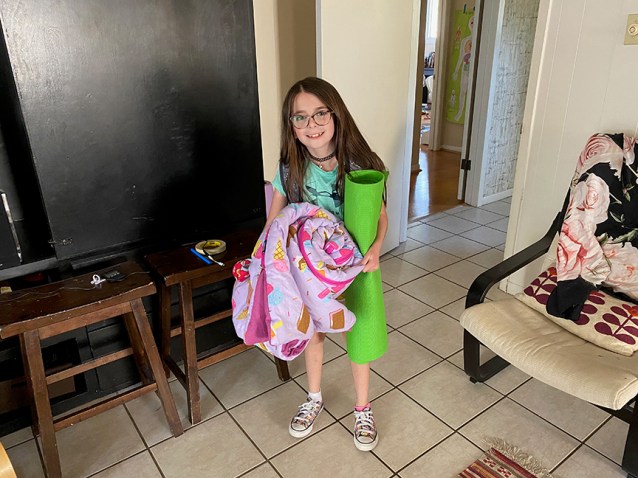 We are much closer to our financial goals than we could have ever imagined in 2022. The light is appearing at the end of the tunnel, which is great.
 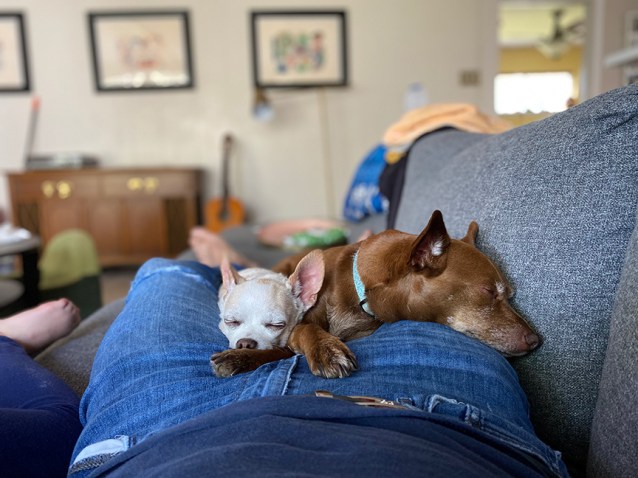 Tracie has done an amazing job and there’s not a day that goes by that I don’t remind her that she makes our lives whole.
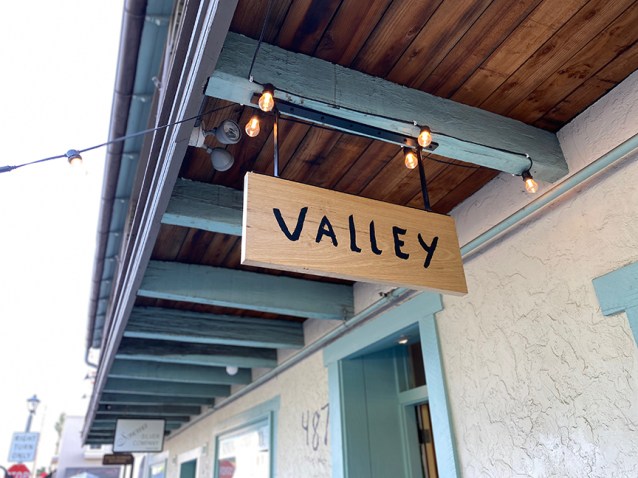 The sun shone through the trees on an unusually warm Sonoma valley early evening as kids played in the park and tourists milled about the shops and tasting rooms.
 Since the late 1980s, Italian cuisine in the U.S. has been shaped by a tension between traditional- and creative-leaning forces.
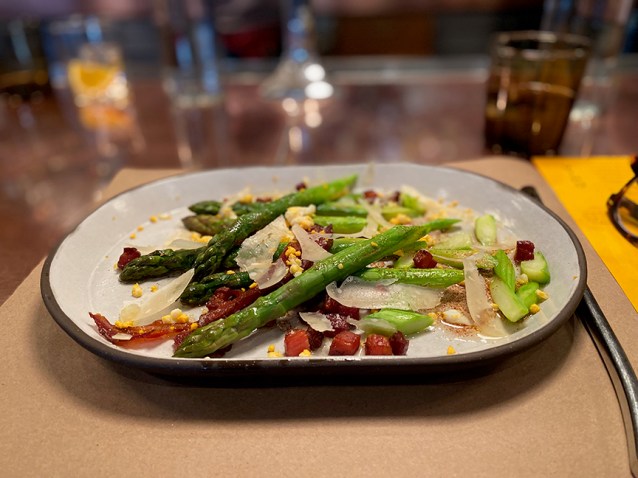 Making my way over to Cotogna from my hotel in San Francisco the other night, I couldn’t help but remember a chilly winter evening in the late 80s when I stopped a man on the street and asked him if he knew the way to a certain “trattoria,” a name for pseudo-Italian restaurants that had become popular in the second half of the decade.
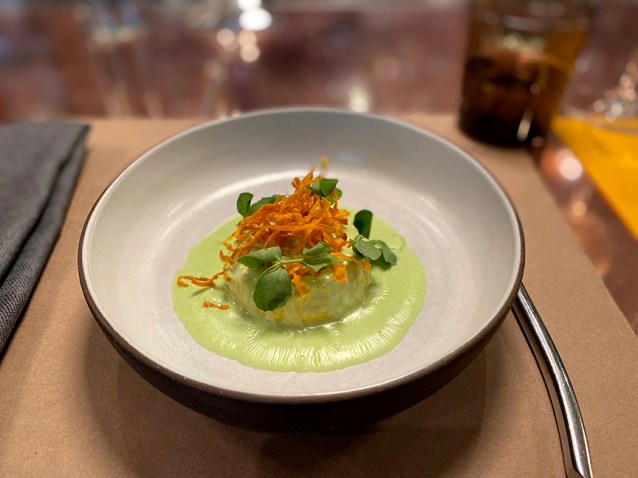
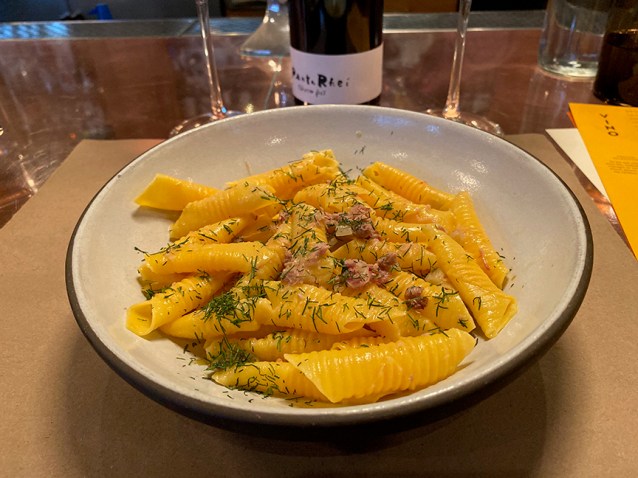 The carrot sformato (first photo) blew me away with its ethereal texture and subtle dance of bold but elegant flavors. Sformato — properly called a savory custard in English — is all about the texture. It should be firm but light, rich but buoyant. I know already from my Instagram that people agree with me: this dish was nothing short of show-stopping. I loved it.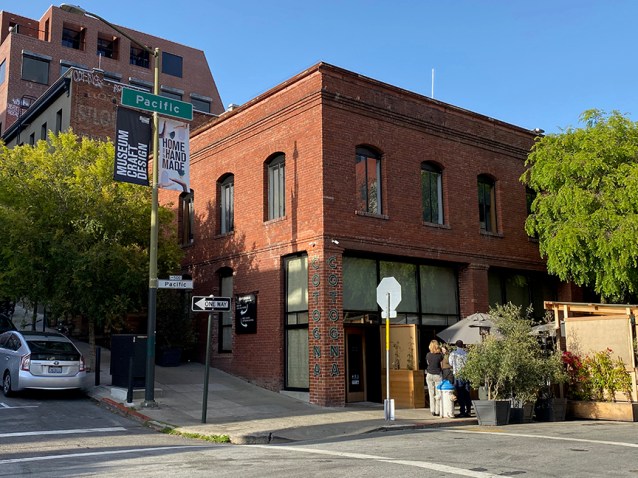
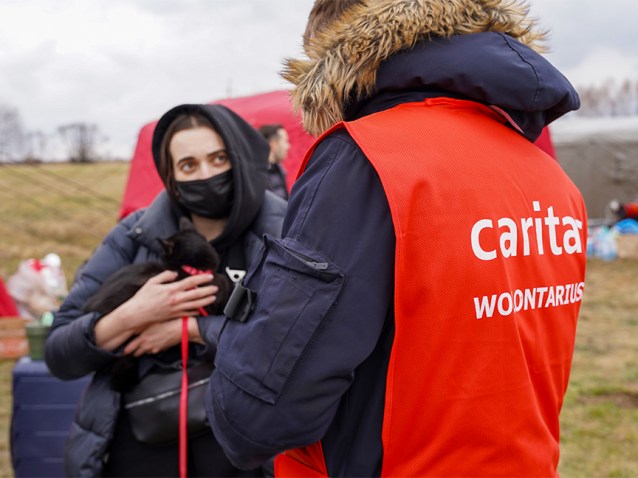 Image via
 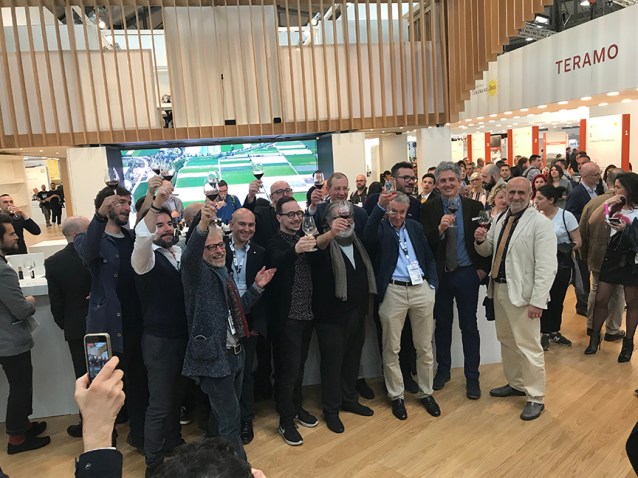 Every year at my Vinitaly, there’s a first-day toast organized by a loosely knit group of Italian wine bloggers and social media users at the Abruzzo region stand.
 Do Bianchi