
 Above: a bas relief at the Basilica of Sant’Ambrogio in Milan.
It’s hard to say why a wine scribbler like me would be so obsessed with the tale of a wild boar that was trapped in Milan’s canal system for two weeks despite a heroic attempt to save her. My guess is that the story is an allegory for humankind’s alienation from the natural world. But that’s just me.
It all began earlier this week with a blog post about wild boars — feral hogs — destroying a small farm’s grape harvest in northern Italy. The story reflected a growing problem for humans and hogs in Italy: driven by lack of natural resources, the animals are increasingly turning to commercial farms and even urban centers in their search for food. In Rome, broods of wild boar are commonly seen navigating the streets as they forage through uncollected garbage.
After a university-years friend in Milan saw my post, she shared an anecdotal account of the boar’s tragic arc. But she missed an important detail. Mindless authorities didn’t try to kill the animal, as she told it. In fact, driven by compassion, the city’s civil servants did everything humanly possible to save it.
What started out in my mind as a Kafkaesque yarn about a wild beast cheated of life and liberty by heartless bureaucratic machinery had become a narrative plucked out of a neorealist documentary film all’antonioniana — an achingly poignant tale of humans unable, despite Herculean effort, to spare and revive the emaciated sow.
Here is an excerpted translation from a story in the Milanese edition of Italy’s national daily La Repubblica, dated August 18, shared with me by friend Andrea Gaviglio, a native of the Ambrosian city who owns and runs a legacy wine shop there, Vino Vino dal 1921. The hog was first sighted on August 4.
- Local police, public safety officers, and Metropolitana Milanese city engineers were all involved efforts to save the boar. They had dubbed the animal “the swimmer” because of its “excellent swimming ability,” which made its capture difficult following the first sighting according to firefighters. For nearly 15 days it seemed to have “disappeared” in a canal in Milan connected to the Darsena di Milano.
(The Darsena is a humanmade urban lake that serves as a hub for the city’s vast canal system. The word darsena means dock.)
- Agents from [Milan’s] fire department, together with agents from the city’s departments of fish and wild life and emergency management, had tried nearly everything in their efforts to “capture” the animal. A few days ago, they set two traps and video cameras at the canal entrance and exit (just before the Alexander Langer bridge near Piazza Tripoli. But the ungulate had seemed to have disappeared without a trace and its whereabouts were unknown for days. But then it would reappear as it ate the bait without ever being ensnared in the traps. That was when agents tried using the “trail of breadcrumbs” technique.
When they did finally “capture” the Swimmer, they were unable to resuscitate her.
In my view, the boar is a victim of humans’ wanton exploitation of the natural world. She probably fell into the canal, authorities believe, while drinking or looking for food around one of the city’s humanmade lakes. Her bitter fate proved too challenging for the humans: they were helpless in their struggle to free her from the very urbanity they themselves created.
As a famous Roman poet once wrote, naturam expellas furca, tamen usque recurret. You can chase nature away with your pitchfork, but it always returns [and reveals you for who you are].
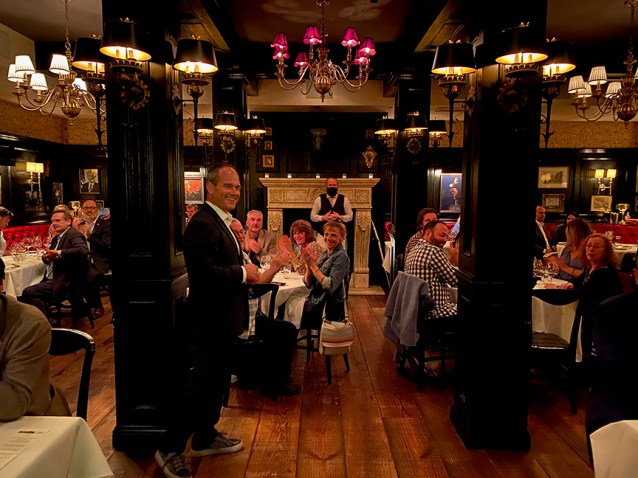 Above: Brett Zimmerman, founder of the Boulder Burgundy Festival, presents the Friday night dinner at last year’s gathering.
 Image via
 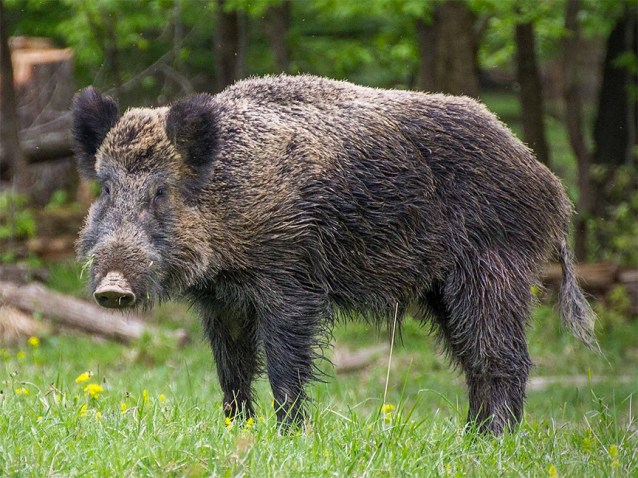 Image via
 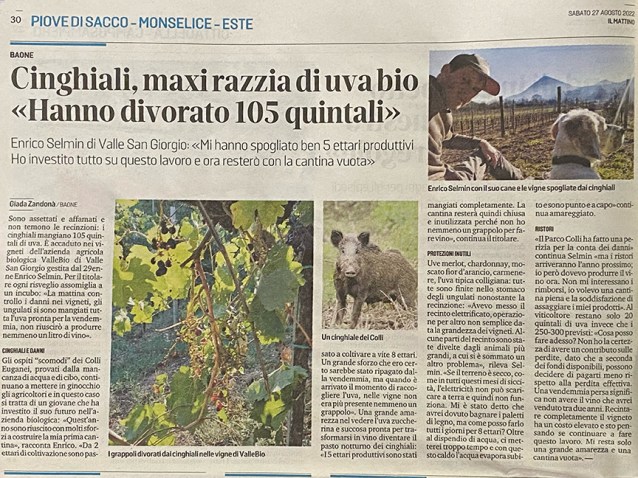 Enrico Selmin had used electric fences to protect his five hectares of organically farmed grapes — his first commercially viable crop.
 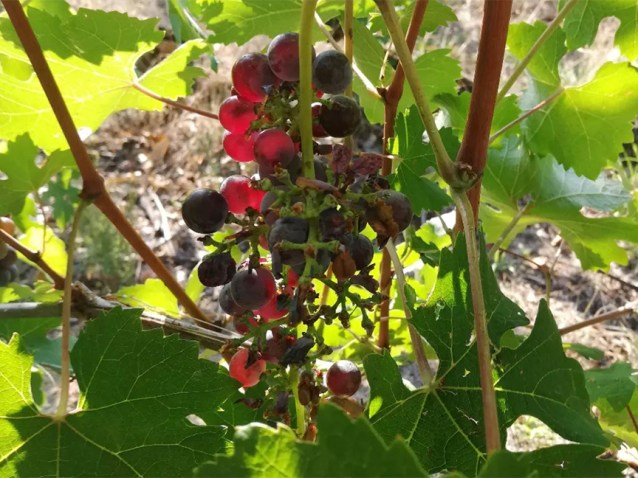 “The Sreja 2022 died before it was even born,” wrote
  For more than a decade, the Boulder Burgundy Festival has quietly grown an extremely loyal following among top Burgundy collectors and wine lovers.
 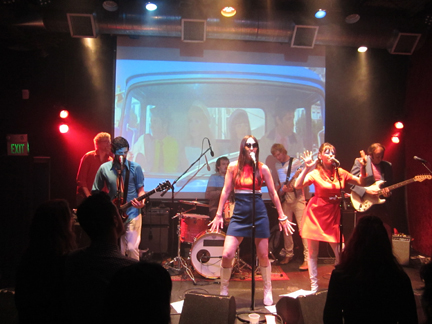 Late last week, I was pleasantly surprised to discover that two songs by my band Nous Non Plus had been used in the 2020 film “Sister of Bride,” starring Alicia Silverstone.
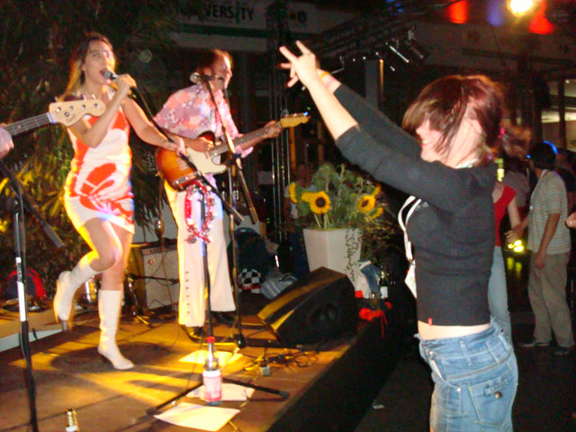 Making the deal even more sweet was the fact that I wrote that song for Georgia, our now 10-year-old, when she was still a baby.
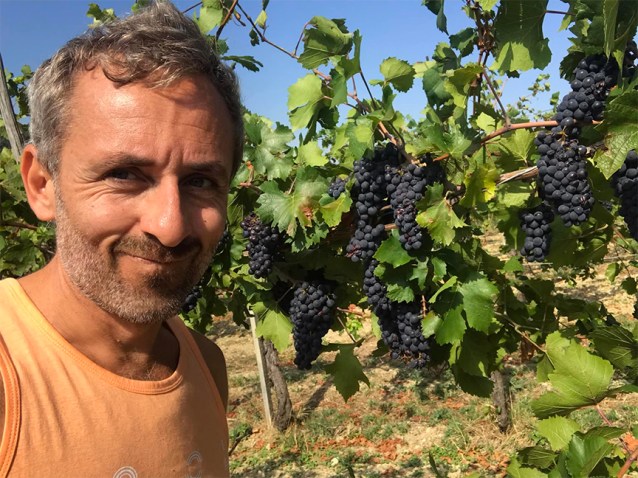 Above: winemaker Gianluca Cabrini of Tenuta Belvedere in Oltrepò Pavese
  Above: Lake Iseo in Brescia province as seen from Mt. Orfano in the south of what is now the Franciacorta appellation. Its morainic “lean” soils, as they were described in the Middle Ages, contributed to its reign as a top zone for wine between the 14th and 16th centuries.
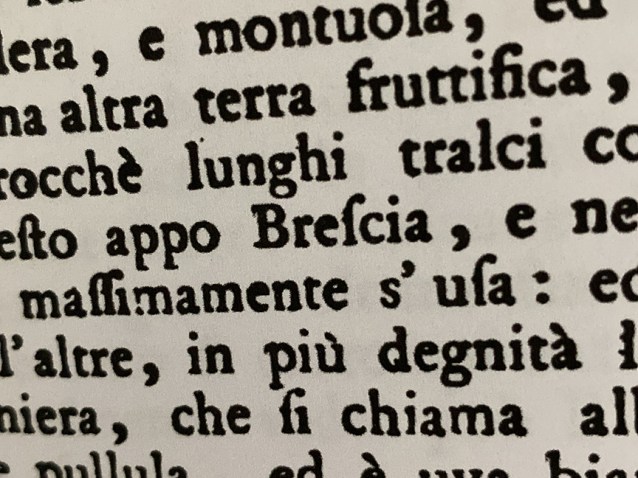 What will come as a surprise to contemporary readers is that neither Tuscany or Piedmont figure as top centers for wine production. Tuscany would become an elite region for wine as the Medici family’s power grew. But it was still far from dominant when Dante began writing the Comedìa. Piedmont was centuries away from becoming a top wine region.
  Grape harvest in the north of Italy began this week.
 Do Bianchi
