 Above: Lake Iseo in Brescia province as seen from Mt. Orfano in the south of what is now the Franciacorta appellation. Its morainic “lean” soils, as they were described in the Middle Ages, contributed to its reign as a top zone for wine between the 14th and 16th centuries.
One of the most remarkable and compelling things about early Italian ampelography is how cutting-edge it appears today.
Attentive readers of 14th and 15th-century viticultural treatises will discover that what are called “biodynamic” farming practices today were standard operating procedures for grape growers in the Italian Middle Ages: cover crops and farming practices aligned with the lunar cycle were sine qua non elements of commercially viable vineyards. The only difference was that the humus didn’t need to be revived and restored through the purging of chemical based treatments.
But Medieval growers in Italy were also extremely knowledgeable about soil types, vineyard density, harvest timing, and, perhaps most significantly, pruning. Anyone with even a vague sense of how fine wine grapes are largely farmed today will immediately recognize the myriad parallels with contemporary knowledge and know-how.
Another striking element that emerges through close readings of these texts is that the Italians were extremely advanced with respect to their French counterparts. By all accounts, head-trained vineyards were the norm in southern France while Italians were already using sophisticated cordon and cane-pruned training systems (the latter is what we commonly call Guyot today).
Of course, the Italians had a huge advantage over their transalpine cousins: Mediterranean as opposed to Continental climate in the time before the fossil fuel transformation of the earth’s weather systems. And however far off climate change may have been on the horizon, the Italians were well aware that their warmer climate made them the viticultural leaders of the Middle Ages and Renaissance.
 What will come as a surprise to contemporary readers is that neither Tuscany or Piedmont figure as top centers for wine production. Tuscany would become an elite region for wine as the Medici family’s power grew. But it was still far from dominant when Dante began writing the Comedìa. Piedmont was centuries away from becoming a top wine region.
And while Naples was the center of the fine wine world of the time thanks to its connection to the Greek wine trade, Brescia province (yes, Brescia!) was the top area for red wine and Romagna was the leader for white. The Marches were also considered a number-one producer. (Naples was renowned for what we now call orange or macerated white wines but much of that wine was imported from Greece, although vin greco — “Greek wine” — was also produced locally around the Castello di Somma on the lower slopes of Mt. Vesuvius.)
This observation is based on my own close reading of the first definitive work on ampelography by an Italian, Pietro de’ Crescenzi from Bologna, who died around 1320. He was an itinerant lawyer who traveled throughout the peninsula for his work. Written in Latin and based on his own experiences combined with his readings of the then newly rediscovered agricultural classics of the Roman era, his work was remarkable in part because it represents an ante litteram protohumanist achievement. It was widely popular in its day and when it was translated into Italian during the Renaissance a few centuries later, it became an instant best seller.
Many Italian philologists believe today that Boccaccio used Crescenzi’s work as a source and inspiration for his own descriptions of the natural world in the Decameron.
Crescenzi pointed to Brescia — Brixia in Latin — as the top producer of red wine in the time of Dante, who died around the same time that Crescenzi did (1321). But the uncanny thing about it is that Dante, in his book about the nascent Italian language, De vulgari eloquentia, points to the Brescians (more precisely, the Bergamask, but the linguistic and geographic connection is undisputed and undeniable) as the worst speakers of Italian.
Lucky in wine, unlucky in language… go figure!
Thanks for checking out today’s post. This is the kind of stuff that I really love to do. It means the world to me that I can share it with like-minded wine lovers and Italophiles.

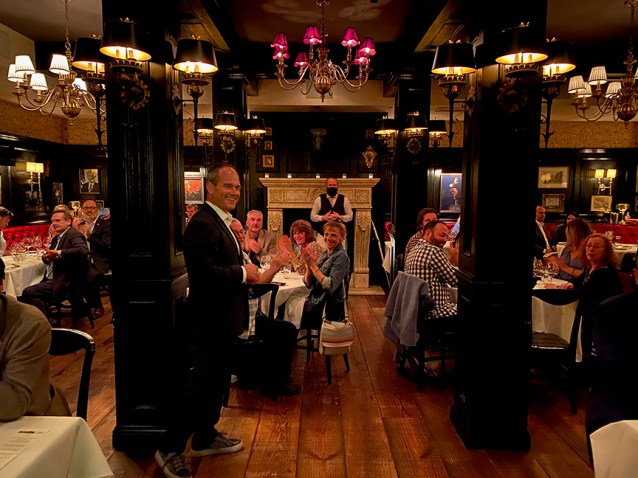 Above: Brett Zimmerman, founder of the Boulder Burgundy Festival, presents the Friday night dinner at last year’s gathering.
 Image via
  Image via
 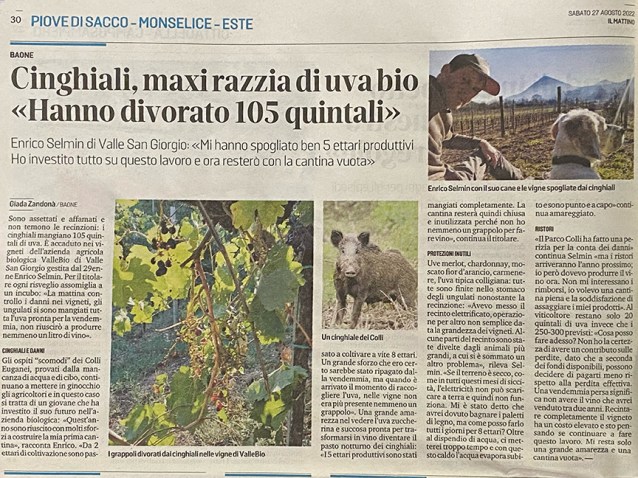 Enrico Selmin had used electric fences to protect his five hectares of organically farmed grapes — his first commercially viable crop.
 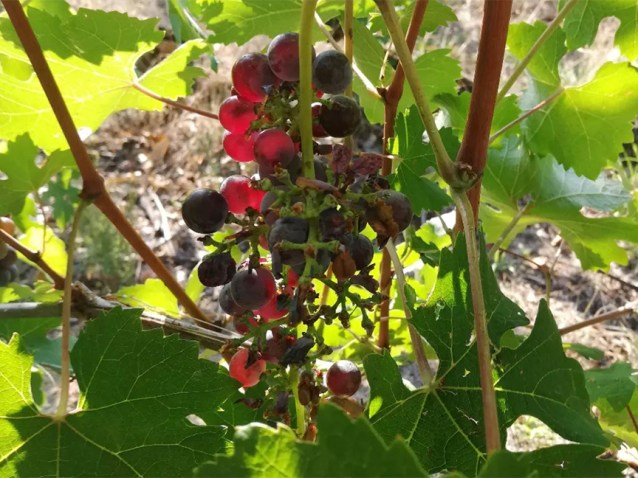 “The Sreja 2022 died before it was even born,” wrote
  For more than a decade, the Boulder Burgundy Festival has quietly grown an extremely loyal following among top Burgundy collectors and wine lovers.
  Late last week, I was pleasantly surprised to discover that two songs by my band Nous Non Plus had been used in the 2020 film “Sister of Bride,” starring Alicia Silverstone.
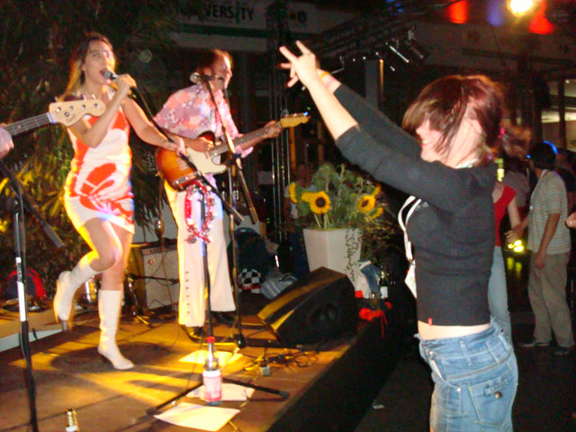 Making the deal even more sweet was the fact that I wrote that song for Georgia, our now 10-year-old, when she was still a baby.
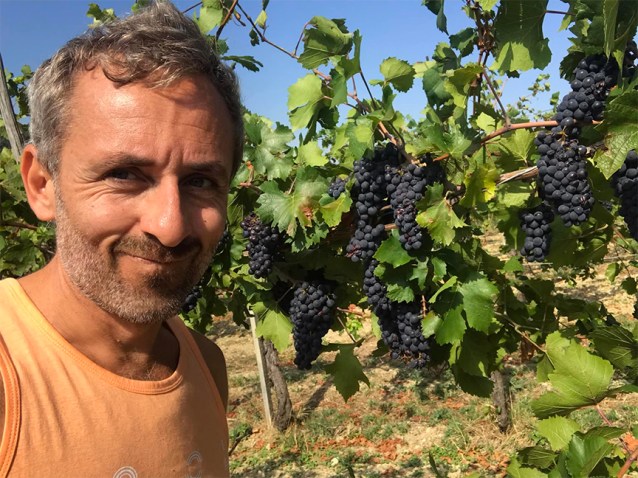 Above: winemaker Gianluca Cabrini of Tenuta Belvedere in Oltrepò Pavese
  Grape harvest in the north of Italy began this week.
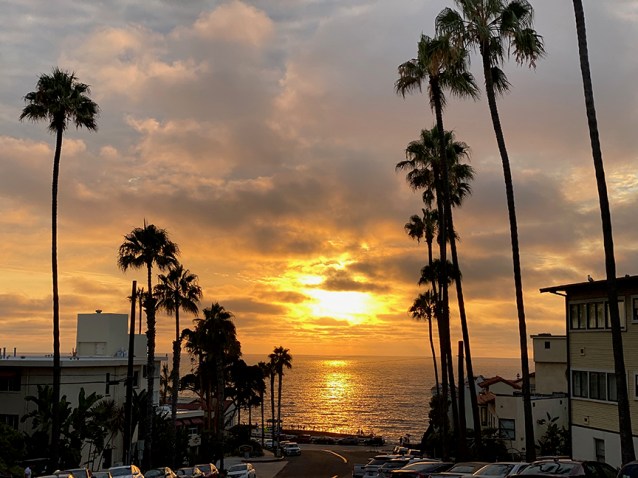 The Parzen family just got back from our yearly summer trip to La Jolla, California to visit our family and friends there. It was an awesome trip.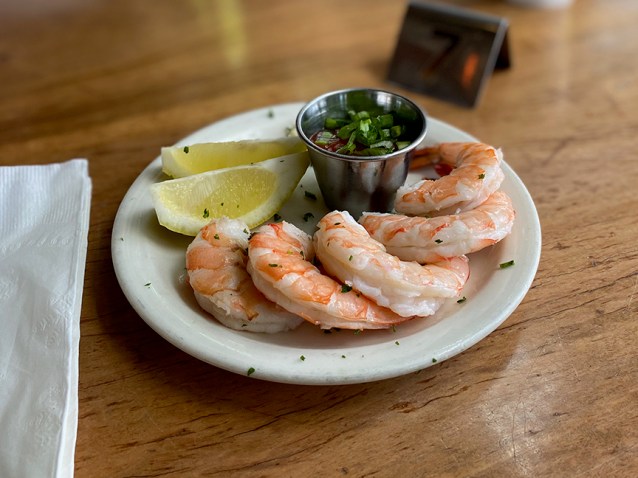
 Do Bianchi
