
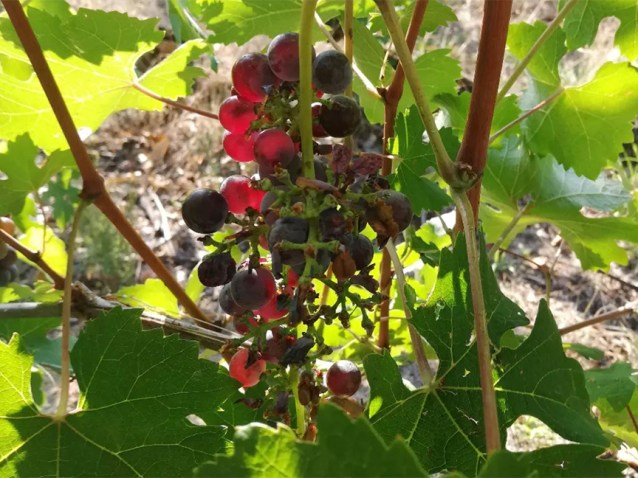
 “The Sreja 2022 died before it was even born,” wrote Cascina Fornace grower and winemaker Enrico Cauda on his Instagram this week. He was referring to one of his top red wines, Sreja, made from 100 percent Nebbiolo grapes, grown and raised in Roero.
“It died in the bellies of of the parched people of the woods. What the f*&%. #sreja #cacscinafornace #roero #everythinglost” (translation mine).
Like many Italian winemakers, Enrico and his crew have been dealing with extremely high temperatures and prolonged drought. In some places across the peninsula, the drought persisted for more than three and a half months before moderate rainfall gave them some relief — and hope.
And now that the red grape harvest is around the corner, Enrico, like his peers and counterparts at all levels of the wine trade, is facing the challenges of extreme hydric stress.
As Riccardo Cotarella, the president of the Italian association of enologists (Assoenologi), wrote in a widely circulated statement earlier this month:
- everything will depend on what happens in coming days because the vines will need a significant amount of water in the ground. They need it not just to keep their vegetation alive. They also need to feed the many berries in the clusters that they have produced. If enough rain falls over the next few days, we should be able to save the harvest. If not, we are going to have problems… If the rain doesn’t come, we will see a phenomenon where the plant will need to take back the little water it has given to the berries. This is the worst-case scenario. Let’s hope it doesn’t happen.
In the case of Enrico’s Sreja, the precipitation was too little, too late.
From grape growers to bottlers, from large importers to small distributors across Europe and the U.S., the trade is holding its breath and praying for the best as the red grape harvest approaches.
According to Cotarella, there will be “appellations that suffer to a greater extent while others will suffer to a lesser extent. It depends on the type of soil and the vineyards’ exposure. This means we can’t generalize about the entire country in our analysis without recognizing these distinct differences.”
For many white wine growers, it seems that last week’s rain was enough to carry them through to a successful if not abundant 2022 harvest.
The following are a few snapshots from around the country (from growers I follow on social media).
I’ll be heading to Italy soon and will post updates as I travel across central and northern Italy. In the meantime, I’m keeping up with it all via social media and have also been giving some growers a hand with translations of their “statements” and press releases on the situation there. Stay tuned…
Continue reading
 For more than a decade, the Boulder Burgundy Festival has quietly grown an extremely loyal following among top Burgundy collectors and wine lovers.
  Late last week, I was pleasantly surprised to discover that two songs by my band Nous Non Plus had been used in the 2020 film “Sister of Bride,” starring Alicia Silverstone.
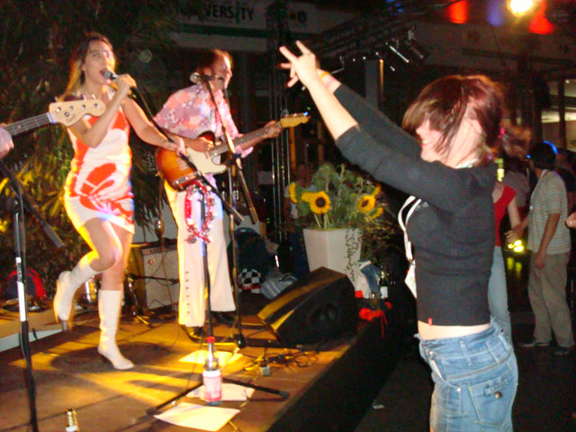 Making the deal even more sweet was the fact that I wrote that song for Georgia, our now 10-year-old, when she was still a baby.
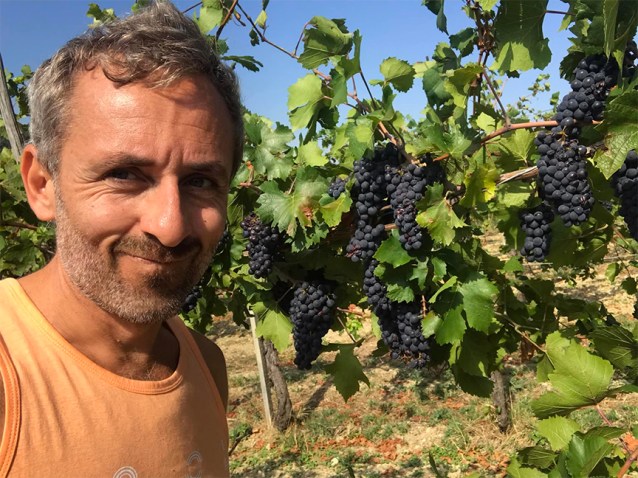 Above: winemaker Gianluca Cabrini of Tenuta Belvedere in Oltrepò Pavese
  Above: Lake Iseo in Brescia province as seen from Mt. Orfano in the south of what is now the Franciacorta appellation. Its morainic “lean” soils, as they were described in the Middle Ages, contributed to its reign as a top zone for wine between the 14th and 16th centuries.
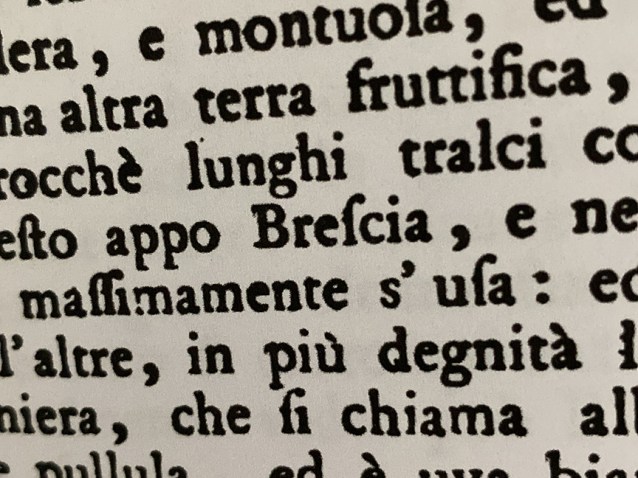 What will come as a surprise to contemporary readers is that neither Tuscany or Piedmont figure as top centers for wine production. Tuscany would become an elite region for wine as the Medici family’s power grew. But it was still far from dominant when Dante began writing the Comedìa. Piedmont was centuries away from becoming a top wine region.
  Grape harvest in the north of Italy began this week.
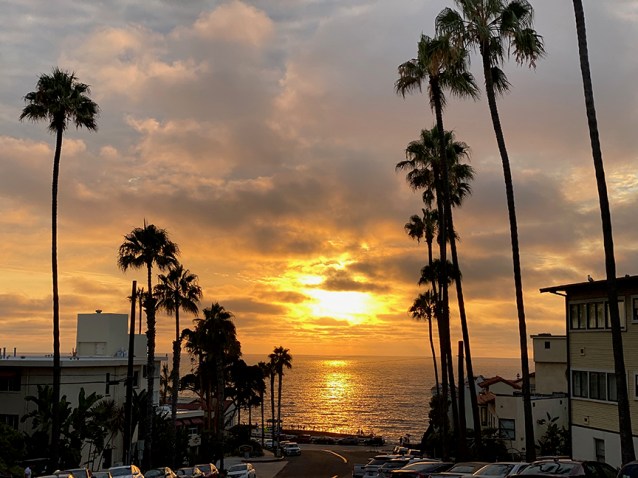 The Parzen family just got back from our yearly summer trip to La Jolla, California to visit our family and friends there. It was an awesome trip.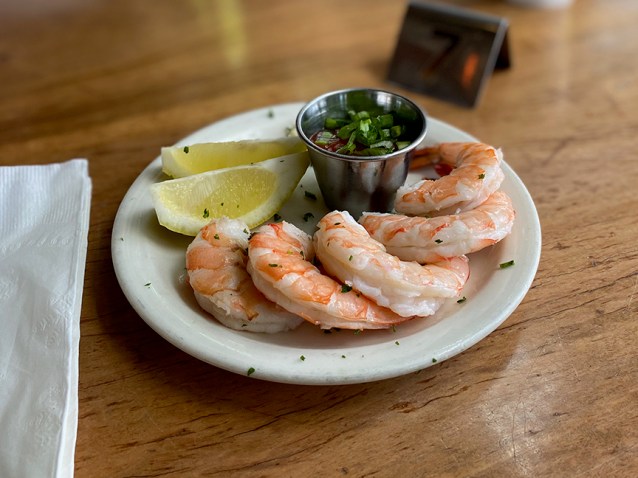
 Lila Jane, happy birthday! You are nine years old today! We love you so much and are so proud of you, sweet girl!
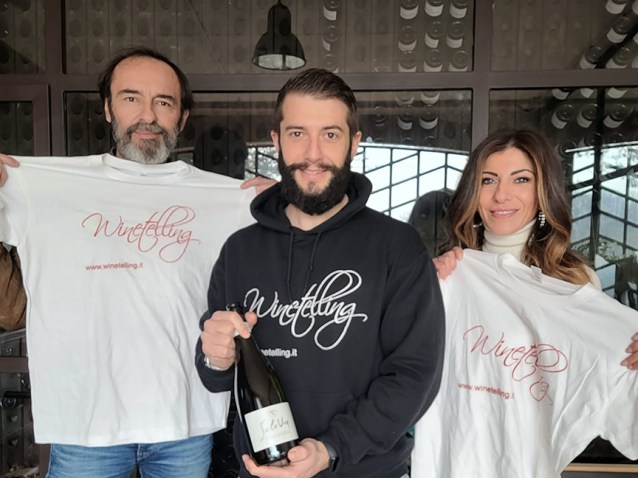 When you Google “Riccardo Fabbio,” the first result is a video interview by an Italian YouTuber entitled
 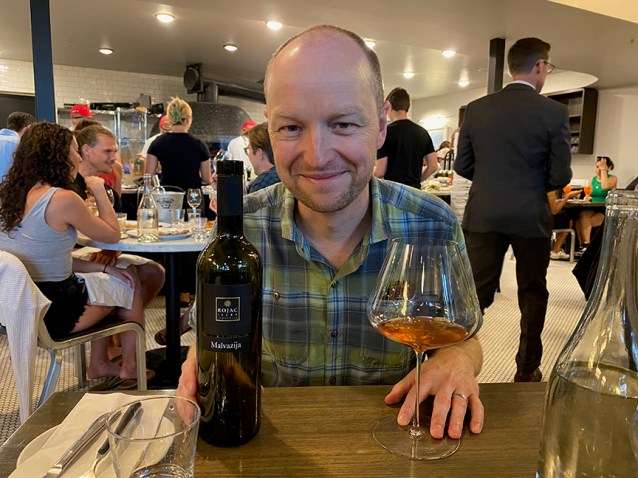 Another Italian-focused wine blogger who’s in my feed is Kevin Day, author and editor of
  These days, it’s no surprise that Italian winemakers are kept up at night by nagging questions about energy costs, availability of raw materials and their rising prices, worker shortages, logistics, and the biggest challenge of all — international consumers and their changing habits during economic volatility and unpredictability.
  Do Bianchi