How Bob Trinchero unwittingly transformed the Italian wine industry when he released his first alcohol-removed wine.

When work travels first began taking me to Piedmont in the early 2000s, the topic of spinning cones was a hot-button issue in the region. At the time, old line winemakers like Bartolo Mascarello (“No barriques, no Berlusconi”) were decrying the modernization of Barolo and Barbaresco.

Some high-profile winemakers there had begun to abandon traditional vinification in favor of what many considered a “Californian” or more broadly “American” approach because certain wines had begun to emulate the California style that appealed to American wine lovers. New winemaking techniques included the then newly adopted use of French barriques for aging and — perhaps most importantly — the use of technology like spinning cones and reverse osmosis to restrain alcohol levels in wines that were picked overly ripe.

Many believed that some of Nebbiolo’s greatest interpreters had fallen under the sway of the newly emerged American wine media and the unbridled influence of a handful of American importers who believed that the Americanization of Piedmont wines would open up a lucrative demand for high-end Italian wines in the then rapidly growing U.S. premium wine market.

The importers’ bet paid off: by the early 2000s, modern-style wines farmed in Piedmont in the 1990s became all the rage on the high-end New York wine scene.

Over the course of researching an article on alcohol-removed wines for the Corriere Vinicolo, the voice of the Unione Italiana Vini (which represents more than 150,000 Italian growers, accounting for more than 85 percent of Italian wine exported abroad), an extraordinary 1993 Popular Mechanics feature story emerged: “Grapes without Wrath: A new machine allows vintners to take the alcohol out of real wine.”

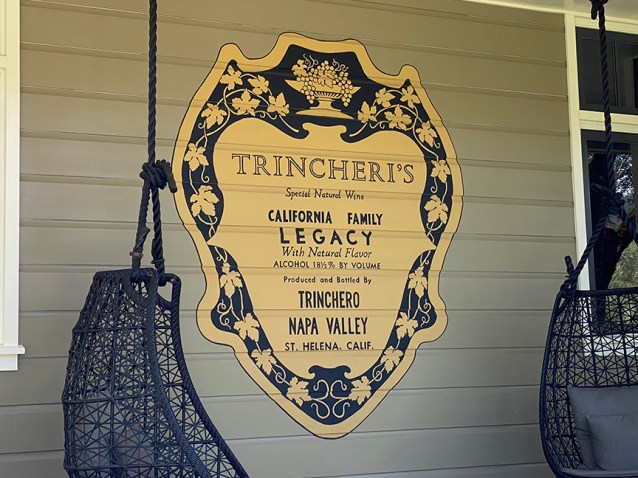
The author tells the “fascinating story” of how Bob Trinchero started using spinning cones, a technology first developed in Australia, to make “alcohol-removed” wines for the U.S. market. Little did he know at the time that 2021 would be the year that his Fre line, first released in the early 90s, would become the biggest selling zero alcohol wine in the country.

Nor could he imagine that the Californians and later the Italians would broadly employ spinning cones for different and highly innovative reasons.

The Californians wanted to reduce alcohol levels in their wines to avoid taxation.

As one winemaker put it in 2001, “if you’ve got a huge blend, a million cases of Chardonnay or something, it definitely pays to bring the alcohol down; you’re talking big money in taxes.”

The Piedmontese, on the other hand, used spinning cones to reduce alcohol in wines that were harvested overly ripe. As global warming began to elevate temperatures in the mid-1990s, certain growers, eager to make headway in the U.S. market with fruit-forward wines, would let fruit hang on the vine to achieve the intense fruit flavors and immediate approachability they wanted. But this delivered unusually high alcohol levels. To counter this, they would remove some of the excessive alcohol to bring the wines in line with consortium norms.

One disconcerting element that emerged from my research was that spinning cones were illegal in European viticulture until 2009 (!!!).

Anecdotally, I know of at least a handful Piedmontese wineries that were using spinning cones before the year the EU first allowed the technique. According to many trade observers who were active during that time, the use of spinning cones was widespread in Barolo and Barbaresco as early as the mid-1990s. I don’t have any hard data on that but just ask some of the trade members who working with those wines at the time.

Click here to read my story on alcohol-removed wines, their origins, and their growing popularity in the U.S. today. It’s part of an issue of the Corriere dedicated to “no-low” — zero and low-alcohol — wines across the western world. My contribution is devoted to the American market.

I couldn’t be more thrilled to have become a contributor for the masthead. Warm thanks to editor Fabio Ciarla for asking me to join his team of writers.

I also have to send out a big thanks to the PR team at Trinchero Family Estates. They did a fantastic job of getting me the info I needed. Despite what grouchy, flatulent old trolls say about wine publicists, they play a vital role in our industry and deserve our respect and thanks.

Thanks for checking out my Corriere piece. I think you’ll find the other articles on different international markets equally compelling. It’s incredible to consider the legacy of Bob Trinchero, a wine industry genius, and how it has shaped wines made on the other side of that misunderstanding otherwise known as the Atlantic Ocean.

Please consider giving to Unicef’s Ukraine child refugee fund. This link takes you straight to the donation page.
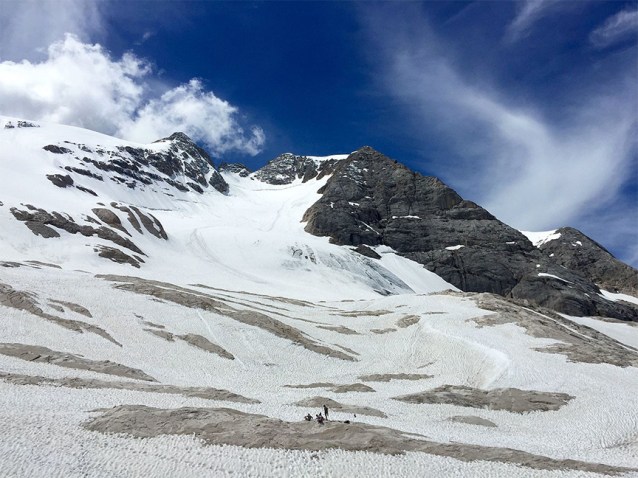
An avalanche in Italy shows how top Italian wine regions were formed. It also shows how they will be destroyed.

Above: the Marmolada glacier in Trento province before Sunday’s avalanche. Image via Wikipedia Creative Commons.
On Sunday, a melting glacier caused an avalanche in Italy’s Trento province. As of today, the remains of nine persons have been found. More hikers are still unaccounted for as the number of the dead climbs.

In reports published by mainstream media, local officials attribute the catastrophe to global warming. Some have predicted the entire glacier will melt within 50 years.

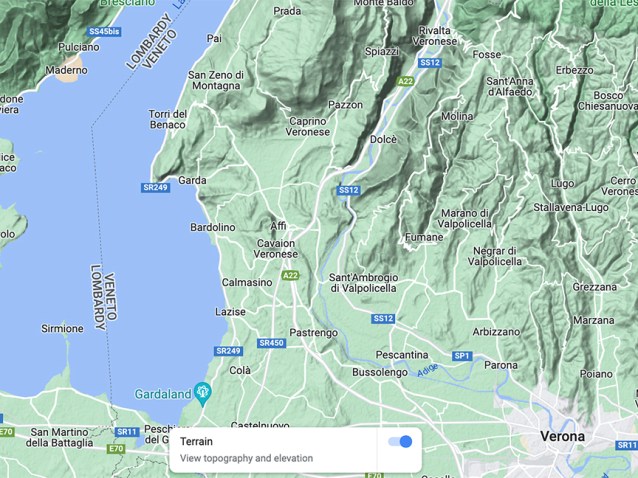
Many of Italy’s greatest northern wine appellations were formed by melting glaciers in the Eocene period more than 30 million years ago.

Lake Garda is a great example of this. In the topographic map below, to the right of the lake, you can see the “wrinkled” hills of Valpolicella that were also formed by melting ice during that period.

(Btw, the toponym Valpolicella doesn’t mean “the land of many cellars,” as many erroneously believe. In fact, the name first appeared in the twelfth century, in a decree by Frederic I of Swabia, aka Barbarossa or Red Beard, and by the sixteenth century was widely found in Latin inscriptions as vallis pulicellae, literally the valley of sand deposits, from the Latin pulla, a term used in classical Latin to denote to dark soil and then later to denote alluvial deposits.)

Lake Iseo is another classic example. And we could point to many other appellations that were shaped by similar geological events in prehistory.

The valleys of Trentino and south Tyrol, where some of Italy’s best Pinot Grigio and Pinot Noir are grown, were also formed by a melting glacier. Its alluvial soils are testament to the region’s geological history. Proseccoland and Valle d’Aosta also share this geological heritage.

Earlier today, the Times published a story entitled “Glacier Tragedy Shows Reach of Europe’s New Heat.”

In the piece, the reporter quotes Susanna Corti, he coordinator of the Global Change unit of Italy’s National Research Council.

“These kinds of events, they are getting more and more frequent,” she says, “and they will be more frequent with enhanced global warming.”

With this type of catastrophic event already happening upstream from wine country, how long will it take before extreme weather events literally wash the vineyards away?

After reading the initial reports of the avalanche, which happened in a part of Italy that I — like so many wine professionals of my generation — have visited repeatedly for work, it occurred to me that the vineyards my children will visit with me in coming years might not even be there by the time their putative children are grown.

Could it be that the same geological events that created so many important wine regions will be their undoing?

Taste with me July 6 in Boulder, July 14 in Ft. Worth.

Above: me at the Slow Food University of Gastronomic Sciences last summer in Pollenzo/Bra where I teach food and wine communications in the graduate program. Photo by Marcello Marengo.

It’s been wonderful to get to travel again and to interact with wine lovers in other cities.

I couldn’t be more geeked to get to pour at one of my favorite wine shops in the country, Boulder Wine Merchant, next Wednesday, July 6, from 5-7 p.m. No RSVP required. Owner Brett Zimmerman and I have been working together for more than 10 years now (I’m the official blogger of the Boulder Burgundy Festival) and earlier this year, I began writing the store’s weekly e-blasts and blog. It’s a super fun gig and the best people in the business.

It looks like I’ll be pouring some Lambrusco, Barbera, and Nebbiolo. So come on out and taste! I can’t imagine that macerated whites, Nebbiolo, and pizza won’t be happening later that night at Pizzeria Locale (another favorite spot).

On July 14 (my birthday!), join me at the Amon Carter Museum of American Art in Ft. Worth where I’ll be pouring and talking about Prosecco and its significance in Venetian culture. The event, presented by the Italy-America Chamber of Commerce, another long-time client of mine, is part of the museum’s show on Whistler and Sargent in Venice and the influence of the Murano glassworks. How cool is that?

Register here (required because of limited space).

Ever since I first landed in Italy, I’ve suffered from Venetophilia. I’m really looking forward to this.

Please consider giving to Unicef’s Ukraine child refugee fund. This link takes you straight to the donation page.

What I learned from getting Starbucks with QAnon.

Above: American artist Tony Tasset’s “Eye” in downtown Dallas not far from the Grassy Knoll.

A few weeks ago, we attended a music educators’ conference with our daughters in Dallas. I had a speaking gig up there as well and so we made a weeklong vacation of it.

When we arrived at our hotel, we soon learned that the hotel was also to host a QAnon conference. No shit. They were there for the second coming of JFK. Yes, for real. We spent the very long weekend running into them in the elevator, hallways, and at the hotel restaurants.

I wrote about the bizarre experience for the Houston Press, Houston’s weekly rag. Thanks for checking it out.

Please consider giving to Unicef’s Ukraine child refugee fund. This link takes you straight to the donation page.

Italian wine mourns the untimely loss of Marco Accordini, 26. “A man who, despite his youth, left an indelible mark on the lives of all of us.”

Screenshot from BresciaToday.

Today, the Italian wine world mourns the untimely loss of Marco Accordini, 26, beloved son of one of Valpolicella’s leading families.

According to reports published by mainstream media, he died this week after being severely injured in a tractor accident.

“Words cannot describe the pain we are feeling,” the family wrote on its Facebook page yesterday. “Marco was innovation. He was the brain. He was the present and future of our winery. We have lost a son, a nephew, a cousin, a friend. But more than anything else, we have lost a great man. An ambitious man teeming with ideas, hopes, passion, and dreams for a life ahead of him. A man who, despite his youth, left an indelible mark on the lives of all of us.”

A memorial is to be held tomorrow at the Church of San Rocco in Pedemonte.

I first met Marco many years ago when I visited his family’s estate. And I had the opportunity to interact with him last year when we presented a virtual wine dinner featuring Accordini’s wonderful wines. He was classic veneto: industrious, forthright, and extremely talented. His family’s wines are as pure and focused as was he in his work and in his life. His loss is a tremendous blow to Italian wine. He will be sorely missed by many.

Sit tibi terra levis Marce.

Barolo weighs a ban on tourist traffic. Electric shuttles would ferry wine lovers through appellation according to new plan.

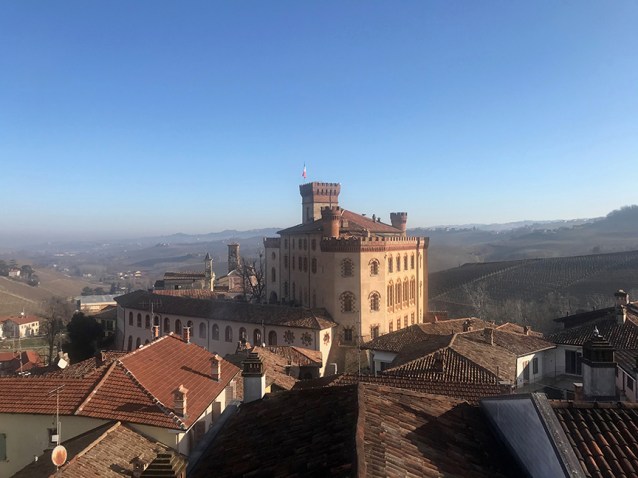
Above: the historic Barolo castle in the center of Barolo, the village.

According to a report published this week by the Turin edition of the Corriere della Sera, the Union of Communes of the Langa Hills and Barolo has commissioned a study of a potential ban on tourist traffic between the villages of Barolo, Castiglione Falletto, and Monforte d’Alba.

The proposed plan would also provide for an electric shuttle that would ferry wine lovers throughout the appellation. The shuttles could also be employed to take children to school each day.

The author writes that 500,000 people visit the appellation each year. On weekends, the traffic in villages like Barolo, with a total population of 650, has become unsustainable.

“We have already invested in electric bicycle routes,” says Roberto Passone, president of the communes association in the Corriere article. “We don’t want exclude anyone but we want to make our landscape more enjoyable.”

Tourism is what drives the local economy, notes Barolo mayor Renata Franco, “but we also need to consider our residents and our children.”

The proposed plan would also repurpose industrial zones as large parking lots where tourists could leave the cars while visiting.

One top producer, Ernesto Abbona, owner of the historic Marchesi di Barolo estate, has even proposed charging tourists admission to the appellation.

But others feel such a step would be too much.

“We don’t want to become an elitist destination just for the rich,” says Monforte d’Alba Livio Genesio. “There are alternative solutions and we are looking at every one of them so that we won’t have to issue tickets and take reservations.”

Happy Juneteenth! Check out “On Juneteenth” by Annette Gordon-Reed.

From “The War of the Rebellion: A compilation of official records of the Union and Confederate Armies,” 1896. Image via the Texas State Library and Archives Commission.
Happy Juneteenth, everyone!

It’s so awesome to see people celebrating this year, one year after it became an official U.S. holiday.

Houston has a deep connection to the holiday because it was first observed here in our city not long after the earliest celebrations in Galveston.

For anyone who wants to learn more about the holiday, I highly recommend Annette Gordon-Reed’s wonderful book, On Juneteenth, a memoir of her growing up in Texas (not far from where we live), published last year.

Happy Juneteenth! Enjoy the holiday!

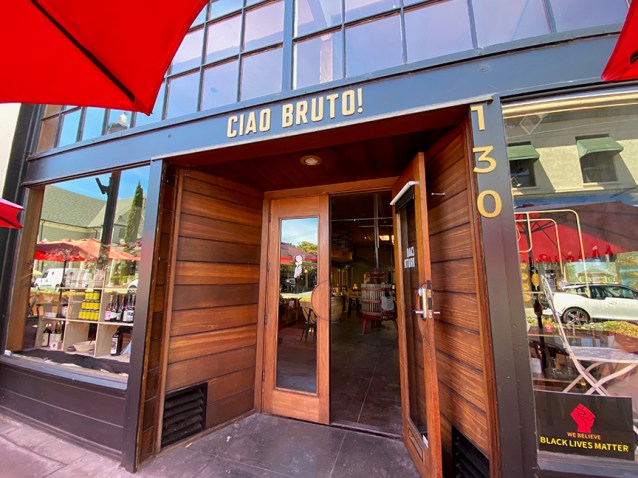
Italian wine comes to Healdsburg. Ciao Bruto!

It almost felt surreal.

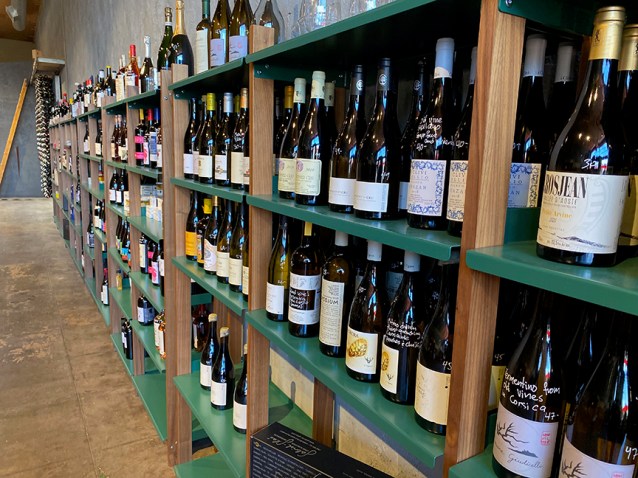
As I drove past tasting rooms for some of the most famous California wineries, posh hotels, and randy restaurants I can’t afford, I made my way to an oasis of Italian wine that has just opened in one of the luxury epicenters of American wine country.

Ciao Bruto!, just recently opened by the Idlewild winery’s Thomas DeBiase, is Healdsburg first bona fide wine shop. Yes, it’s first!

As Thomas pointed out when I visited with him the other day, even though there are countless marquee tasting rooms in the town, there had never been genuine retail outfit there.

But what seemed even more surreal was that the newly stocked shelves are lined with Italian (and French) wines.

I don’t know about you but I had never seen anything like that in Sonoma or Napa Counties. Plenty of wine, yes. But almost exclusively Californian.

What’s even more exciting about Thomas’ new shop is that he is also importing all kinds of great food products from Europe as well.

I was traveling light but man, I had my eye on his selection of olive oil-cured tunas.

This blogger is not the only one exited by the prospect of being able to source European foods and wines in wine country.

Esther Mobley, who rarely writes about EU wine, has already penned a feature story about this literally ground-breaking operation for the Chronicle.

There are so many amazing new places opening right now in wine country. Ciao Bruto! (I love the name, btw) is just one of them.

I can’t wait to get back there with Tracie in August.

A shout-out and thanks to wine publicists. Don’t let your myopic detractors get you down.

Image via Shutterstock.

In their most recent weekly dump, the venerated Italian wine authority and éminence grise of the wine blogging world, Alfonso Cevola, takes aim at wine bloggers, wine influencers, and the wine industry publicists. As they reveal in their post, they are acutely aggrieved by wine media trips, “junkets,” as they call them.

“It’s a waste of time and money,” they write, “and it does a disservice to the already enlisted multitudes all over the world who are legitimately trying to put your bottles into the hands of loving customers, day after day.”

They seem particularly peeved by a publicist who recently invited them on a trip to California wine country. The perceived offense? They invited them only two weeks out from the trip start date and they didn’t write them back after they responded that they wouldn’t be attending.

With all due respect to dottor Cevola, one of the most revered wine professionals in the country (now retired), this is the umpteenth example of the bile-fueled, maligned, and myopic rhetoric that continues to flow from the keyboards of self-righteous wine media figures like them — most of them on the older side, like them.

While they wildly swing their bat at the PR piñata, it doesn’t occur to them that the publicist they are striking is probably a young person in their first job or early career. The person who authored the invitation is most likely just trying to do their job, like the person who drops off a flier for a fast food restaurant on your doorstep.

Cevola entitles their post “Keep On Trucklin’ – Press Junkets in the Age of Disruption.”

Despite their title, they do not seem to be aware the entire wine industry, including wine media and wine PR, is undergoing major upheaval. Long-time publicists for top wine importers are being laid off across the trade. Similarly, young publicists and marketing professionals are struggling to hang on to their jobs as the big PR firms downsize.

Why they feel compelled to train their ire on the wine PR world is probably driven by other forces than the supposed incompetence or ill intentions of publicists in wine today. Why call out a young person for simply sending you an invitation?

In an industry that is rapidly changing in the wake of the ongoing pandemic and logistics crisis, not to mention a world war and inflation, we all need to be more mindful and sensitive of and for our colleagues. The answer is not to berate them. No, we will all rise together when we treat each other with the dignity we deserve. And we all — all of us — need to start treating media workers like the human beings that they are. Not the punching bag for embittered former members of the trade.

The other folks they have it out for are the bloggers and influencers, whom Cevola calls “hangers-on”: “A good number of them go from event to event, eating and drinking well, staying in nice places, being chauffeured around in temperature-controlled autobuses [sic]. And then on to the next junket. Don’t believe me? Check out their Instagram feeds: Tuscany today, Penedès tomorrow – they keep on truckling!”

What they don’t realize is that he continues to receive invitations to trips like this because the industry perceives them as a hanger-on. As the age-old adage goes, it takes one…

Or even better in Cevola’s case, they who smelt it…

To folks who work on the receiving end of these invitations and wine industry press releases, please remember that the person on the other side of that email is just a human being trying to do their job.

My post today is a heartfelt shout-out and warm thanks to all the people who are trying to make the world a better place to enjoy wine. We appreciate what you do and we know that you play a vital role in our industry. Thank you!

Please consider giving to Unicef’s Ukraine child refugee fund. This link takes you straight to the donation page.

Join me and top Piedmont producers, Luigi Coppo and Stefano Chiarlo, for a Moscato d’Asti seminar and lunch in Dallas next Wednesday.

Next week I’ll be leading my “What’s So Sexy about Moscato d’Asti” seminar and tasting in Dallas at the legendary ZaZa hotel.

I’ll be joined by some of the top names in the appellation, including my friends Luigi Coppo and Stefano Chiarlo — two of the coolest guys in the biz.

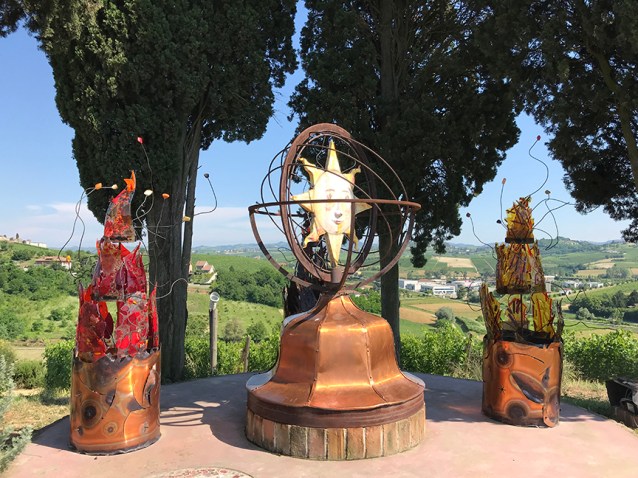
They’ll also be joining us for lunch and pouring some of their families’ reds, including the Nizza La Court, a single-vineyard Barbera farmed on their famous La Court vineyard. That’s a shot from my visit to the estate in 2018 with Tracie and the girls. The site is also an open-air sculpture garden. It’s wonderful and we all loved our time up there.

Click here to register for the 11 a.m. event next Wednesday in Dallas. Have a great weekend and see you next week!

Please consider giving to Unicef’s Ukraine child refugee fund. This link takes you straight to the donation page.