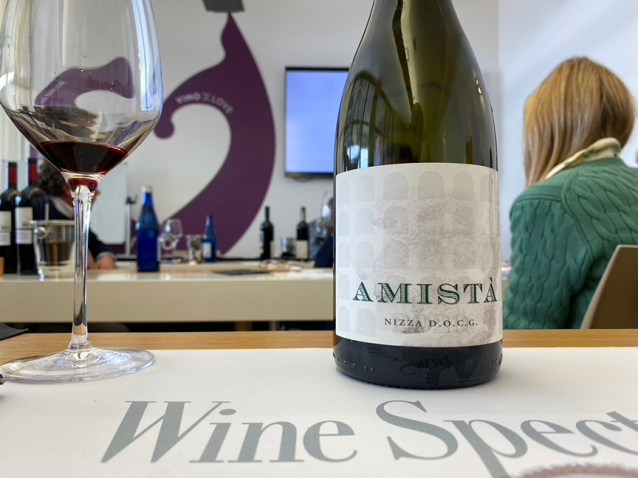
 It’s incredible to think how different the wine world when Wine Spectator was launched in 1976, the year of the Bicentennial, in San Diego. When east coast publisher Marvin Shanken purchased the masthead just a few years later, Jimmy Carter was still president.
By the mid- and late-2000s, Wine Spectator (and Robert Parker’s Wine Advocate, founded in 1978) represented the “establishment” in wine writing. Those were also the years of the early enoblogosphere when the magazine, three decades after its founding, became a favorite punching bag for the new wave of Italian-facing enohipsters.
A handful of editors are giving high scores to Italian wines made in an international style from international grape varieties while they’re giving mediocre ratings to traditional-style wines from native grapes. That was the prevailing wisdom among media and social media reactionaries. Those same editors are favoring overly “oaked” and overly “extracted” wines with muscular alcohol and overly bold and sometimes concocted fruit-forwardness. These wines and the editors’ interests do not reflect local and regional viticultural heritage.
Although the claims were often hyperbolic and acerbic, a nugget of truth lay therein.
But what many of us missed at the time (myself included) was that Wine Spectator was turning a whole new American generation on to Italian wine. More significantly, it was deciphering, “translating” a wine world that would have otherwise been impenetrable for anglophones. Remember: this was the era before Pigato and Frappato were on anyone’s radars, let alone by-the-glass at your favorite Hollywood pizzeria.
I would even go as far as to argue that the editors’ focus on Italian Cabernet Sauvignon, Merlot, and later Chardonnay and Syrah ended up having a significantly propaedeutic impact. Before anyone in America could wrap their mind around a Nebbiolo, it made perfect sense to entice my countrypeople with grapes they already knew and loved.
Looking back on it all now, I recognize that many of us wouldn’t have careers in Italian wine if a few forward-looking writers at Wine Spectator hadn’t decided to expand their coverage of Italy during those years.
On the second day of my Vinitaly (our annual trade fair in Verona), I had the immense fortune to attend a small seminar led by Bruce Sanderson, senior editor for Italy. He had invited the top producers of the new Nizza DOCG to bring their wines for an informal gathering.
“I’m here to learn more about Nizza,” Bruce told the group. “I want you to teach me.”
It was a remarkable event and a dream flight of the appellation’s best wines (I was there with my client Amistà).
Bruce and his colleague Alison Napjus, also a senior editor for Italy, have been doing these “meet, greet, and taste” sessions since 2011, Bruce told me. It’s just one of the ways that he and his colleagues engage directly with Italian producers.
“We want them to get to know us, too,” he said.
Bravo Wine Spectator! Thank you for everything you have done and continue to do for the world of Italian wine. You’ve taken wine writing from an ivory tower and brought it down to earth where those growers raise those grapes. The community of wine professionals — on both sides of the Atlantic — is only the better for it.

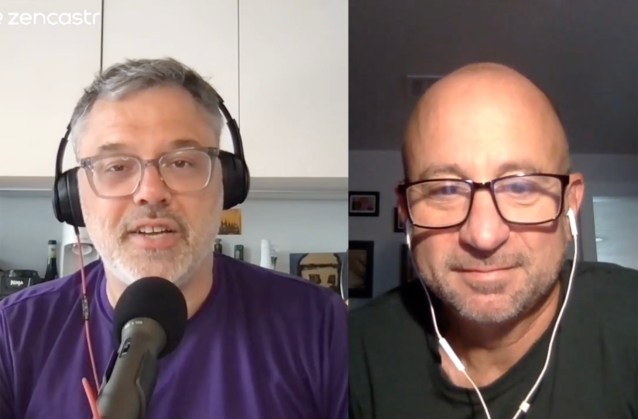 Big shout out and thanks today to my friend and fellow wine professional and activist Michael Whidden for asking me to join him on his American Tributaries Podcast.
 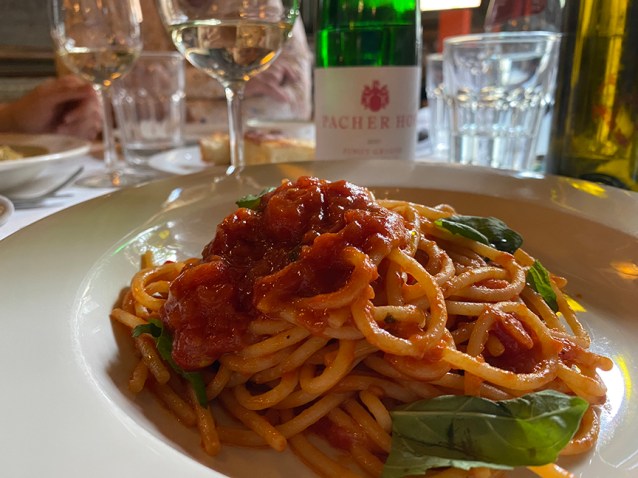 All those years I lived in New York, I never made it to the legendary’s Ballato’s on East Houston.
 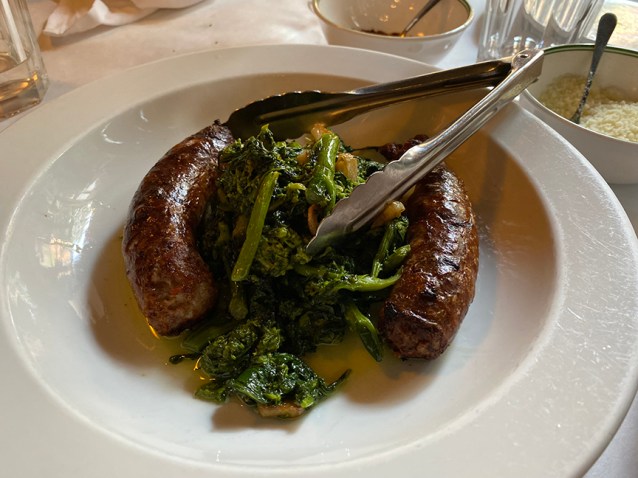 I had some incredible meals while in the city. And I tasted with some extremely talented people (I’m doing a “work with” for my client Amistà, whom I adore).
 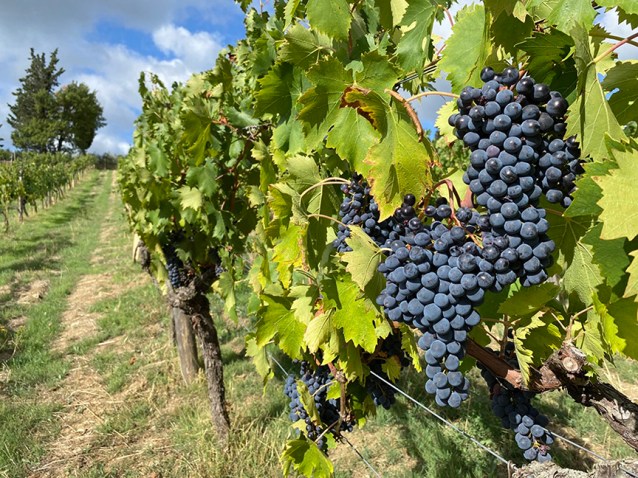 Miami, Los Angeles… Houston.
 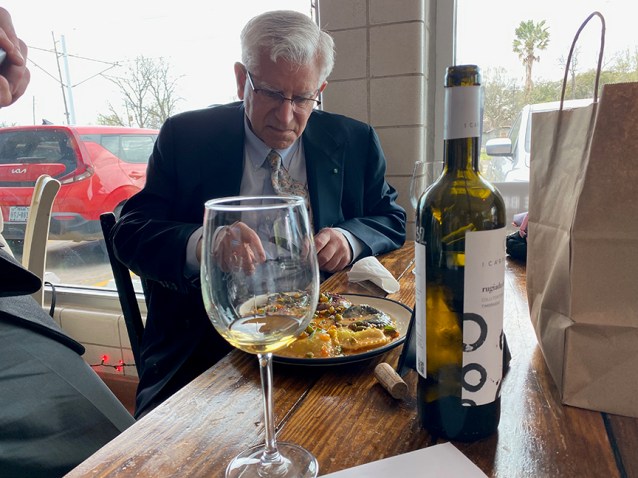 More than any others, two people have been the inspiration for my career: my dissertation advisor Luigi Ballerini and Darrell Corti.
  New Yorkers of a certain age will remember the moment that the
  Anyone who speaks more than one language will tell you the same thing.
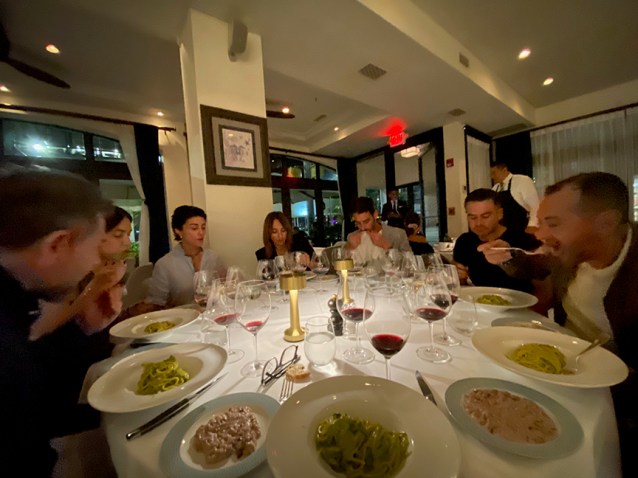
  Miami is a genuine linguistic paradise where no one seems to care where you came from or what language you speak. Restaurant and wine professionals are constantly switching between the many tongues spoken there.
 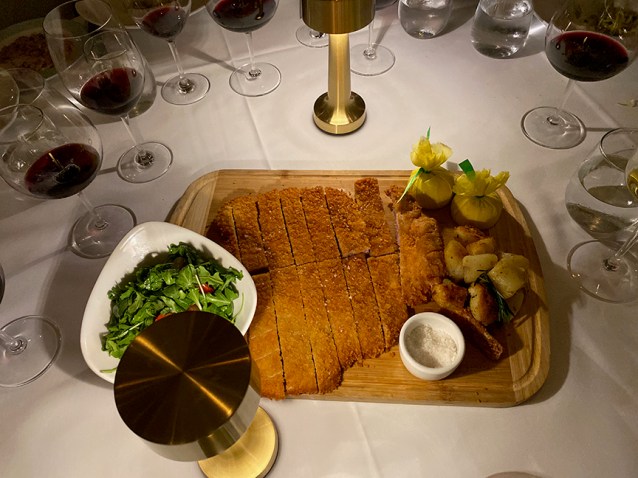 I also have to give a shoutout to Graziano’s Market in Coral Gables where we hosted a supplier meeting earlier in the day. This place is like a dream come true for me: a Cuban-focused menu in a casual, self-serve setting with a broad offering of Italian wines — from Borgogno to Emidio Pepe. Nebbiolo and croquetas de jamón? I’m in!
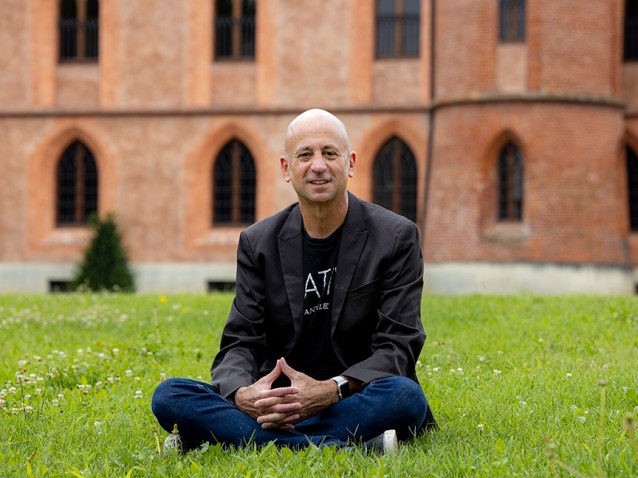 What a thrill for me to be asked to present a tasting of 13 of Valpolicella’s most iconic wineries in Houston!
 Days at Vinitaly, the annual Italian wine trade fair in Verona, can be so packed with meetings, impromptu and planned, that you don’t get the opportunity to taste all the wines you had hoped.
 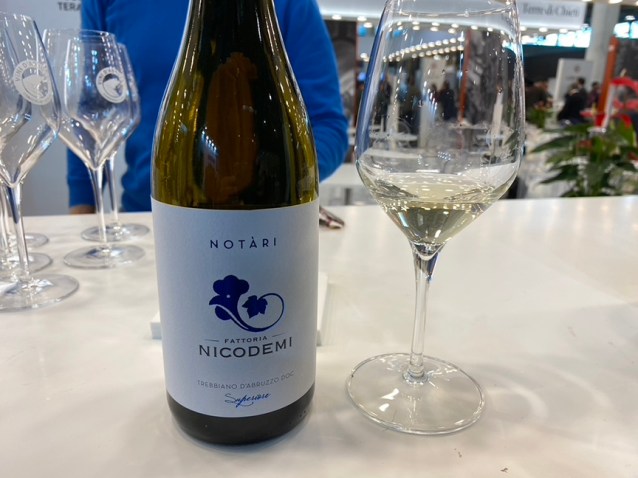 My pervagations also led me to the Abruzzo pavilion where Elena Nicodemi of the Nicodemi farm in Colline Teramane poured me her super Trebbiano d’Abruzzo.
 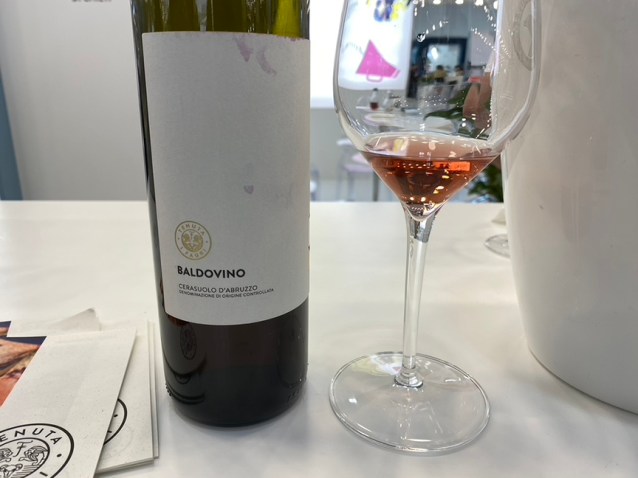 Valentina Di Camillo of the Tenuta I Fauri has become a friend thanks to our shared interest in classical music. She is an accomplished and superbly talented concert pianist. She’s also an extraordinary winemaker.
