

Above: Barbera was featured as one of Italy’s greatest grape varieties in Giorgio Gallesio’s landmark work of ampelography, published in the early 19th century.
It’s hard to believe in this day of growing wine awareness, appreciation, and enthusiasm.
But it’s still not uncommon to encounter wine professionals, including wine industry institutions, who continue to call wine made from Barbera the “wine of the people.”
Roughly a quarter century after the Italian wine renaissance began (1998 is the year, in my view, of the shot heard round the world), it’s unfathomable and entirely unacceptable that we continue to divide wine lovers into “haves” and “have-nots.”
Let’s put it this way, if Barbera were in fact the “wine of the people,” are other wines reserved, intended, or conceived exclusively for nobility and the managerial classes? If that were the case, shouldn’t the classist-minded among us call it the “wine of the proletariat”?
Joking aside, haven’t we outgrown this caste-driven view of the wine world?
Historically, Italy’s aristocracy and haute bourgeoisie preferred French wines. Cavour, the Piedmont noble and first prime minister of Italy, wrote that he didn’t believe Italian grape varieties could reach the same heights as Pinot Noir. The Incisa della Rocchetta family, also Piedmont nobility, famously planted Cabernet on their horse ranch on the Tuscan coast. The producers of what would become Sassicaia drank Bordeaux-style wines while the local Tuscan cowboys drank Sangiovese, or so the legend goes.
In the early 19th century, Ligurian botanist Giorgio Gallesio devoted ample space to Barbera in his landmark work of ampelography and Italian botany Pomona italiana. Only the fig tree received more face time. Nebbiolo is a footnote by comparison.
Gallesio’s love of Barbera was echoed loudly in another seminal work of ampelography, Ampélographie universelle, by the great French viticulturalist Alexandre Pierre Odart, who describes Barbera as one of the best grape varieties in Italy. With evident and warm enthusiasm, Odart quotes Gallesio’s work and points to Barbera as a variety that growers, French and otherwise, should know.
Before you call Barbera the “wine of the people,” please remember that we — rich or poor — are ALL people. It’s just that only some people know how good Barbera can be.
 Have you ever heard the word “haunted” used in winespeak?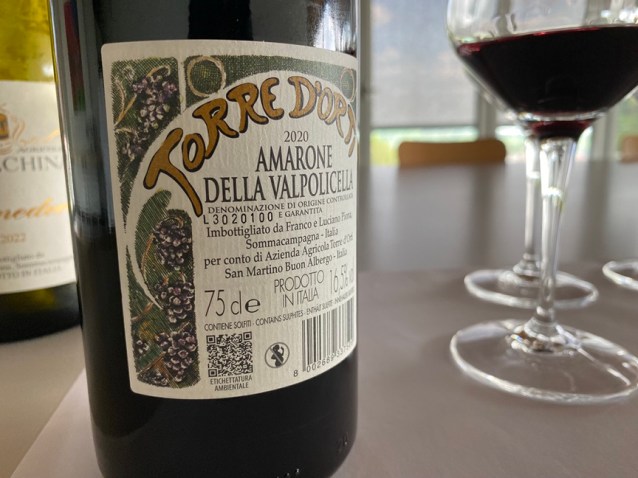
 What an incredible year it’s been already!
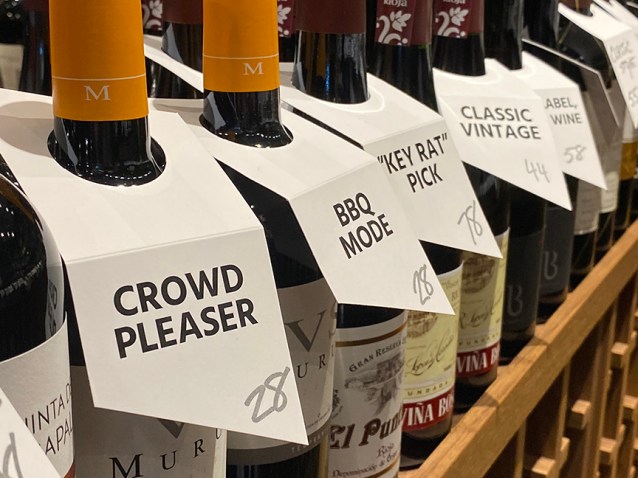 From my colleague
  Above: one of the earliest celebrations of Juneteenth at Emancipation Park in Houston in 1880. The park was created especially by local business leaders to serve as a gathering place for future Juneteenth celebrations. That tradition continues
  Houston wine trade and media folks, I need you to join me on Monday, June 26 for a classic Abruzzo menu paired with Abruzzo wines at Davanti, Chef Roberto Crescini’s casual Italian on Wesleyan.
 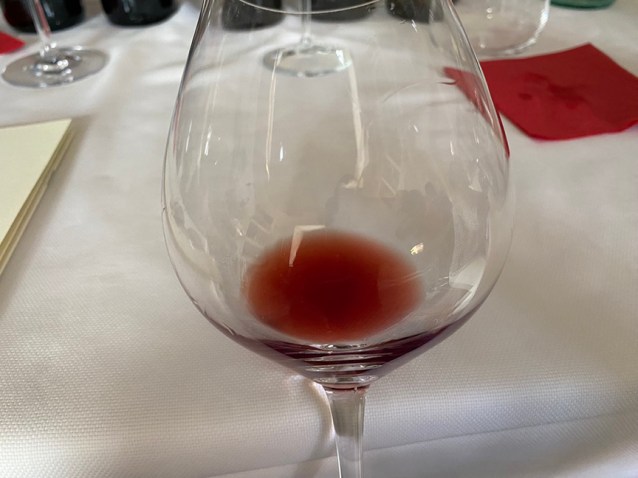 For many years now, I’ve pondered the notion of “wine writing” as a self-referential exercise.
 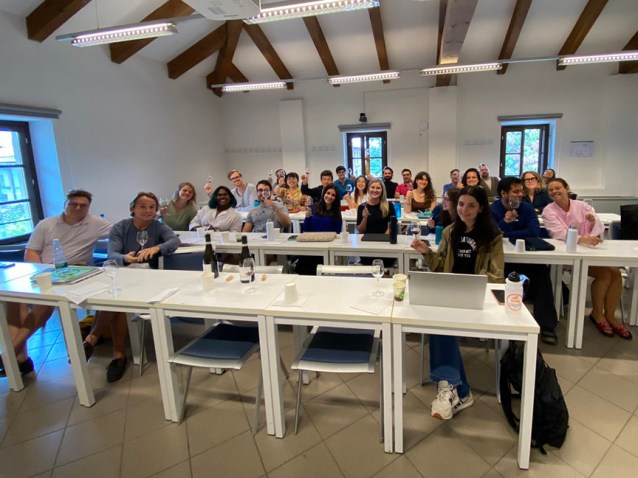 Above: some of my students in the graduate program at the Slow Food University of Gastronomic Sciences in Pollenzo, a hamlet of Bra commune in the Roero subregion of Piedmont.
 Image via
  Do Bianchi
