
 Image via Wikipedia Creative Commons.
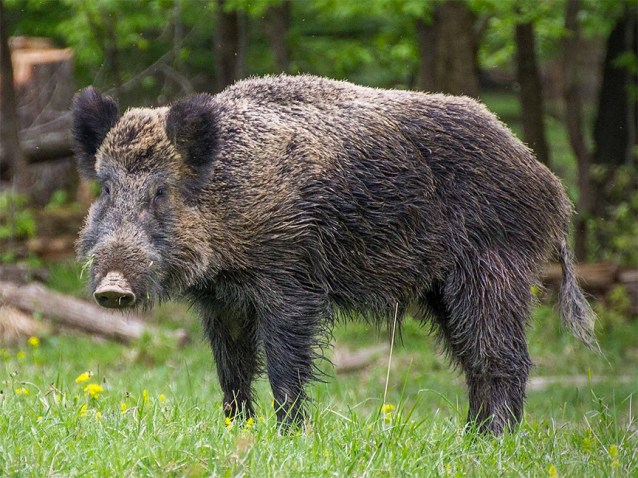
“Wild boars pull off mega heist in organic vineyards in the Colli Euganei,” read a headline in the Mattino di Padova, Padua’s daily newspaper, over the weekend. Feral hogs “devour 10.5 metric tons of grapes.”
Feral hogs — a term used in U.S. English to denote the cinghiali or wild boar that we love so much in our pappardelle al ragù di cinghiale — have increasingly become a nuisance and even safety hazard in Italy as hot temperatures, dwindling water resources, and scarcity of their natural foods have increasingly led them to venture into the human sphere.
Earlier this year, the Smithsonian magazine published an article entitled — no joke — “Wild Boars Are Ransacking Rome.”
Check out this video posted on Twitter by Wanted in Rome.
You’ll see a brood of the beasts strolling down a heavily trafficked street in Italy’s capital.
Beyond the neighborhoods of the Eternal City, where the biggest concern is that they will spread disease or physically harm residents, the animals have come to represent an existential threat for small wine growers.
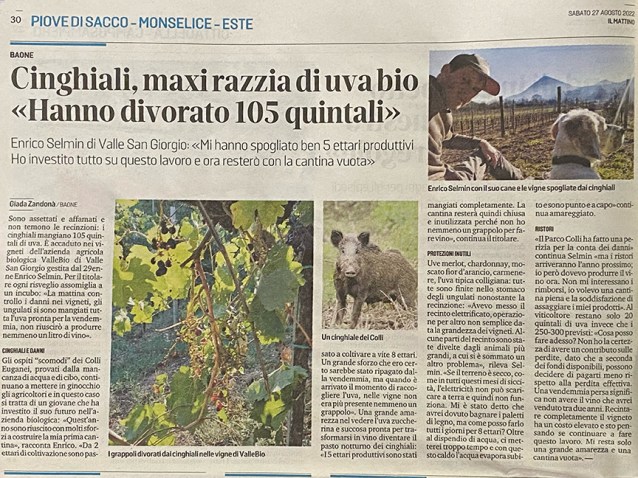 Enrico Selmin had used electric fences to protect his five hectares of organically farmed grapes — his first commercially viable crop.
“My five productive hectares were completely eaten,” he told the Mattino. My winery [opened just this year] will remain closed and unused because I don’t even have one cluster to make wine.”
For large-scale growers, the animals, which have little fear of humans, represent a growing problem in terms of crop loss. But for someone like Enrico, it means starting all over from scratch. He also lost his investment in the electric fence.
Last year, Italy’s national daily La Repubblica reported that the Chianti Colli Fiorentini appellation lost 30 percent of its crop to feral hogs.
Tuscany’s regional government has allocated €4 million to build “double fences” to keep the beasts out of vineyards, and farm and ranch land.
Efforts to curb the damages have been underway since 2015 when it became clear that the problem needed to be addressed, says Chianti Colli Fiorentini president Marco Ferretti in the Repubblica coverage. But programs to hunt and kill the animals were put on hold during the pandemic. As a result, the boar population continued to grow during 2020 and 2021.
Italian wine growers are already contending with one of the hottest and driest vintages on record. The last thing they need is to contend with ungulates eating their already diminished crop.
*****
Roadkill is certainly no solution to this ongoing and increasingly challenging ecological problem.
But nearly anyone who’s ever dined in the home of Tuscan in wine country will tell you that roadkill boar is thoroughly delicious. My favorite has always been gooey fried boar liver paired with a nice glass of young Sangiovese and a side of chestnut flour polenta and white beans.
 “The Sreja 2022 died before it was even born,” wrote
  For more than a decade, the Boulder Burgundy Festival has quietly grown an extremely loyal following among top Burgundy collectors and wine lovers.
 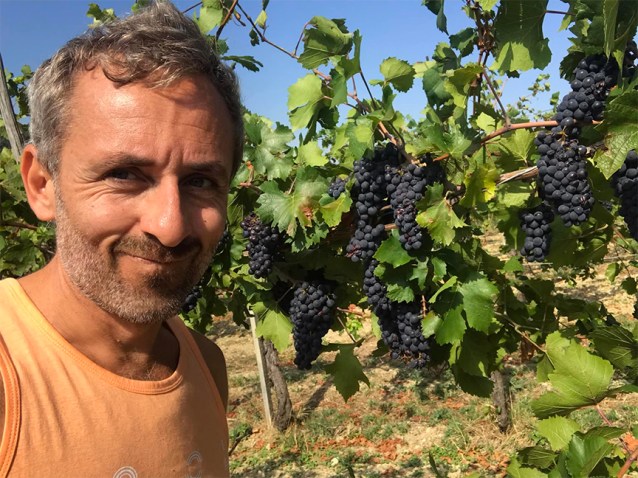 Above: winemaker Gianluca Cabrini of Tenuta Belvedere in Oltrepò Pavese
  Above: Lake Iseo in Brescia province as seen from Mt. Orfano in the south of what is now the Franciacorta appellation. Its morainic “lean” soils, as they were described in the Middle Ages, contributed to its reign as a top zone for wine between the 14th and 16th centuries.
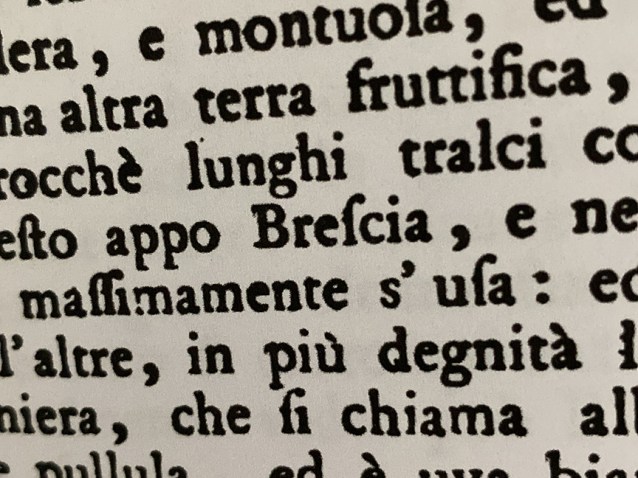 What will come as a surprise to contemporary readers is that neither Tuscany or Piedmont figure as top centers for wine production. Tuscany would become an elite region for wine as the Medici family’s power grew. But it was still far from dominant when Dante began writing the Comedìa. Piedmont was centuries away from becoming a top wine region.
  Grape harvest in the north of Italy began this week.
 Lila Jane, happy birthday! You are nine years old today! We love you so much and are so proud of you, sweet girl!
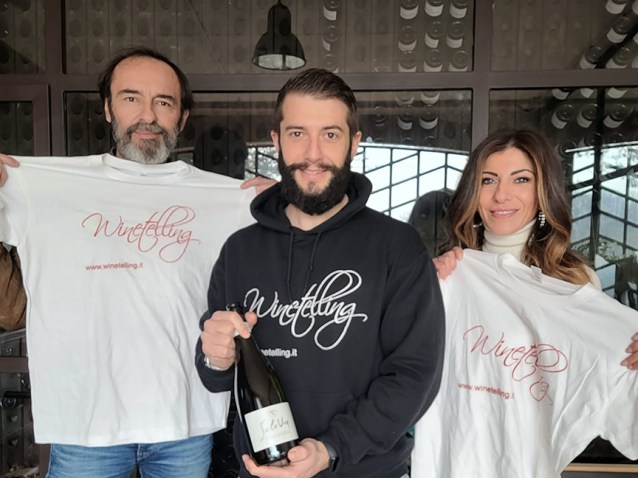 When you Google “Riccardo Fabbio,” the first result is a video interview by an Italian YouTuber entitled
 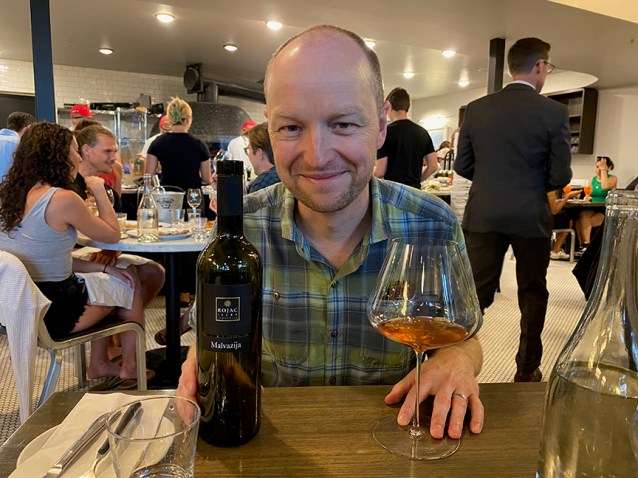 Another Italian-focused wine blogger who’s in my feed is Kevin Day, author and editor of
  These days, it’s no surprise that Italian winemakers are kept up at night by nagging questions about energy costs, availability of raw materials and their rising prices, worker shortages, logistics, and the biggest challenge of all — international consumers and their changing habits during economic volatility and unpredictability.
 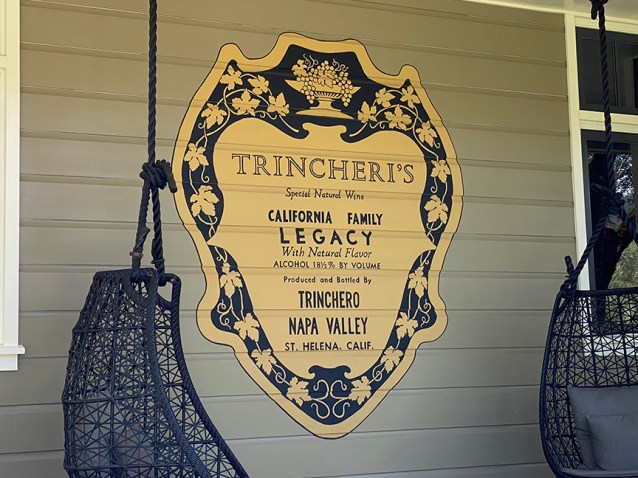 When work travels first began taking me to Piedmont in the early 2000s, the topic of spinning cones was a hot-button issue in the region. At the time, old line winemakers like Bartolo Mascarello (“No barriques, no Berlusconi”) were decrying the modernization of Barolo and Barbaresco.
  Do Bianchi
