Gaglioppo, one of the most exciting categories in Italy today

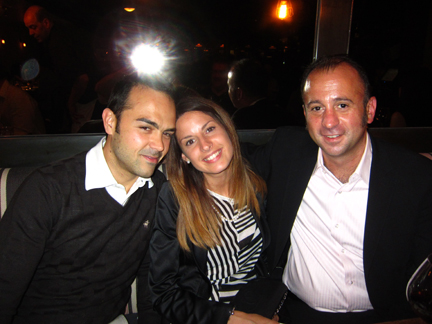
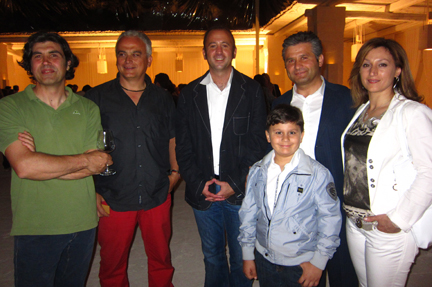
Above, from left: Gaglioppo producers Francesco De Franco, Giuseppe Ippolito, yours truly, Giuseppe and Marinella Parrilla with their son Gianluca (Radici Wines Festival, Apulia, June 2011).

Reflecting on my recent experience in Apulia at the Radici Wines Festival, celebrating the indigenous grapes of Southern Italy, the grape that I can’t stop thinking about is Gaglioppo — the light-skinned, tannic red grape grown and raised as a noble wine in the appellation of Cirò, Calabria.
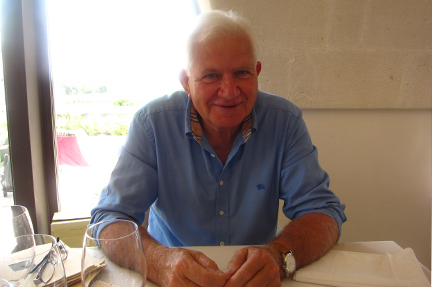
Above: What a thrill to get to taste with Nicodemo Librandi, one of the Gaglioppo greats and a softly spoken, gentle, knowing man.

Over the course of a week in Apulia, I got to taste a wide array of Gaglioppo bottlings, including richer and more tannic expressions (read longer maceration times) and lighter, yet equally powerful wines.

And although Aglianico del Vulture and Campania Aglianico were the true stars of the event, the wine that kept me going back for more was Galgioppo. From Librandi (the classic) to ‘A Vita by Francesco De Franco (the wine that captivated me the most), I discovered something entirely unique in the world of Italian wine today: a loosely banded however coherent group of heterogeneous winemakers who share a vision of wines that speak of and to the places where they are made and the people who make and drink them.
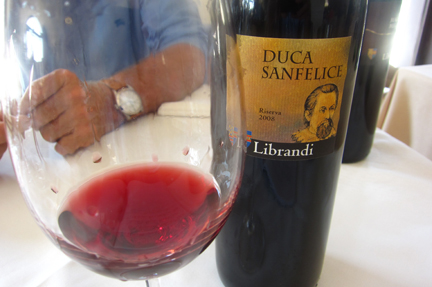
Above: Look at the beautiful light color in Librandi’s flagship Duca Sanfelice Gaglioppo! Man, that wine was awesome! I’ve been pouring both their Cirò rosato and bianco at Sotto in Los Angeles and I showed their classic Cirò in Atlanta at a conference where I spoke earlier this year. Fantastic wines, great value.

I would never compare apples to oranges or Nebbiolo to Gaglioppo but Gaglioppo does share a fundamental attribute with its more famous counterpart in the north: when vinified in a traditional manner, it can create that ineffable balance of lightness and power in the wine, the “unbearable lightness” I like to call it, the paradox of wine that puzzles and thrills my palate and makes me return my nose to the glass and my tongue to the wine over and over again…
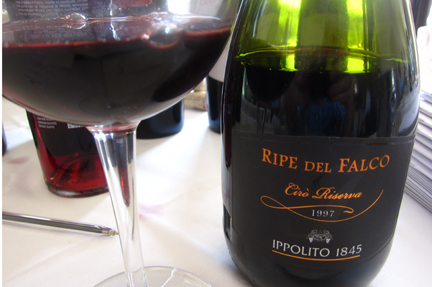
Above: The 1997 Ripe del Falco by Ippolito 1845 was one of the most stunning wines I tasted all week. Still in its youth, this wine blew me away with its power balanced by subtle nuance. The nose alone was enough to inebriate my sensibility with sensuous fruit and salty earth. I loved this wine.

Of course, the festival entries represented the best of the best and those winemakers whose devotion to the authenticity of their appellation is first and foremost in their approach to winemaking and marketing of their products. But you could definitely sense a solidarity among the winemakers, who all seemed to share the same joy and smile when I sat down to taste with them… as if to say, we know how your eyes and your palate are about to light up as we share that joy with you…

For folks like me, who can no longer afford the prices of Nebbiolo bottlings that remained in our reach even 10 years ago, Galioppo represents an excellent ground-floor opportunity for modest collectors who want to cellar affordable wines.

It’s one of the categories Tracie P and I will be cellaring for Baby P’s birth-year wine. :)

Wondering how to pronounce Gaglioppo? Click here.

The best meal in Greece, the most beautiful Greek woman, and the CORRECT pronunciation of Xinomavro

Many great meals were thoroughly relished by a wine blogger last week in Greece but the one that he cannot stop thinking and dreaming about was a dinner prepared by Maria Constandakis, who — together with her husband and agronomist Yannis — oversee the Boutari winery in Crete.

The meal began with a Cretan dakos, a wholewheat rusk, a bit larger but similar to the frisa of Apulia, where they top it with diced mozzarella, tomatoes, and tuna. Here, tradition calls for fresh tomato purée and crumbled feta. And while the Apulians gently soak their frisa before dressing it, the Cretans use the water naturally purged by the tomato when it is tossed with the salty cheese.

Next came the classic Greek zucchini “meatballs,” the kolokithokeftedes. The wine blogger had experienced this dish before but in his own words, “to have Maria’s, made from zucchini she grew herself in the winery’s garden, is a game-changer.”

The next morning, said wine blogger photographed Maria’s zucchini.

When you travel in Greece during summer, horiatiki — the classic village or summer salad — is served at nearly every meal. But there was something different about Maria’s. Upon further inquiry, the blogger discovered that Maria included freshly torn glistrida or purlane in her salad, also grown in her garden.

Still used as an effective folk remedy for certain ailments of the mouth, purlane grows wild in Greece (the blogger even found it along the sidewalks of one of the small towns he visited in Northern Greece). Like nettles, it slightly stings the tongue and according to legend, those who consume it are prone to loquaciousness. (Said blogger has never been accused of being long-winded! But true to legend, he stayed up late into the night discussing philosophy and politics with his companions over many glasses of raki.)

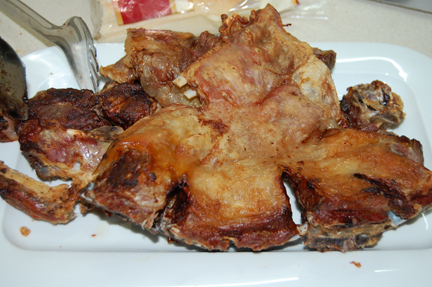
The pièce de résistance, however, was Maria’s slow-roasted lamb. Even though, technically, the meat had not been smoked, the effect was the same: the bones were so tender that that crumbled gently in the blogger’s mouth, rewarding him with their sweet marrow.

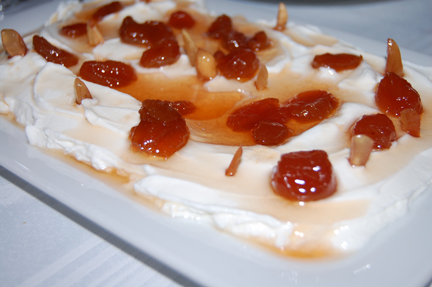
Said blogger is rarely said to eat dessert but there was no way for him to resist Maria’s yogurt topped with cherries she had stewed herself.

Said blogger enjoyed many great meals in Greece but none came close to that prepared by Maria.

In other news…

In the days that followed, said blogger, an accomplished linguist, learned that he had been incorrectly pronouncing the name of the most noble red grape variety in Greece, Xinomavro.

Click here to listen to the correct pronunciation.

Ciliegiolo: Italian grape name pronunciation project (and a fun post about Lambrusco)

CLICK HERE FOR ALL EPISODES

Before I left for Greece, Wine Parkour requested an episode of the Italian Grape Name and Appellation Pronunciation Project devoted to the ampelonym Ciliegiolo.

So I reached out to my friend and excellent producer of Morellino di Scansano Gianpaolo Paglia, who graciously agreed to video himself pronouncing the grape name. (You may remember Gianapolo for the excellent meal he and I shared last year in Maremma and for my posts about his decision to sell his barriques and his declaration that he would no longer age his wines in new small French oak cask; click here for the thread.)

I wouldn’t exactly call Gianpaolo the “Dustin Hoffman” of Italian wine but you will definitely walk away from this video knowing how to pronounce Ciliegiolo (not an easy one for Anglophones)!

In other news…

However jetlagged today, I managed to churn out a fun post this morning for the Houston Press on Lambrusco. My editor there has been very generous in letting me create my “wine as exegetic tool” posts (read “wine as a pretext and excuse to study culture”). Have you ever visited Emilia-Romagna? Then you’ll know what I’m talking about!

Greek grape name pronunciation project and my Greek artichoke flower

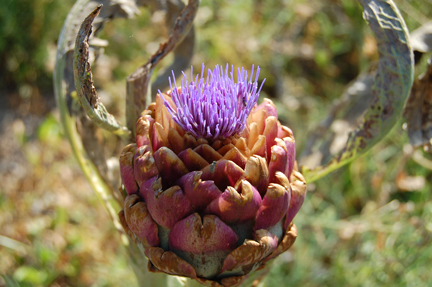
Fortune smiled on me today when it delivered me at the doorstep of Roxani Matsa (above), the most super cool lady and winemaker in the Attica appellation just outside of Athens. She took me on a tour of her garden and her vineyards, insisting that I stop to smell the artichoke flowers…

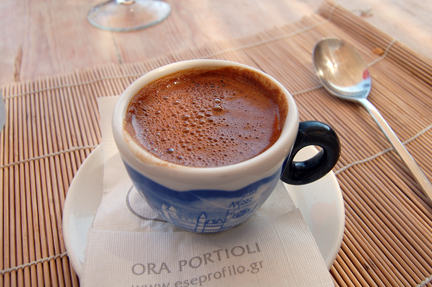
We chatted about winemaking and films as we sat outside her home and winery, sipping frappè coffees (ubiquitous here in Greece), munching on pastries, and leafing through photo albums.

Before I headed out to Mantinia in the Peloponnese, she graciously recited some Greek grape and appellations for the fresh-off-the-presses Greek Grape Name and Appellation Pronunciation Project, which I launched yesterday at the Boutari Social Media Project blog.

There’s so much more to tell and so many more photos and videos to post from my trip. But now it’s time to relax and get some sight-seeing in before I head back home with the armadillo.

I’ll be taking the next few days off from blogging but will pick up again early next week where I left off…

Thanks so much, to everyone, for the kind words here, on the Twitter, and on the Facebook about the review of Sotto and my wine list there in Los Angeles. They mean the world to me. :)

See you next week!

A 1996 oxidative Assyrtiko, brilliant!

This 96 oxydative Assyrtiko blew me away yesterday in Megalochori, Santorini where I attended a horizontal and vertical tasting of Boutari’s Assyrtiko.

With limited internets access here on the island, I’m posting by phone but I did manage to cobble together some highlights over at the Boutari blog this morning.

Looks like our trip to Crete will be postponed because of strikes. Being stranded on Santorini wouldn’t be such a bad thing after all.

Lunch and swimming in Perivolos, Santorini

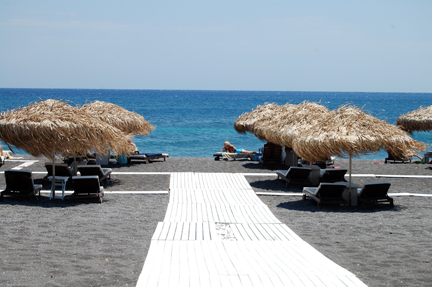
Great swimming in the Aegean and fantastic lunch at Notos in Perivolos, on the south shore of Santorini (hence the name Notos, south), with Stavros (Santorini sales manager), Petros (vineyard manager), and Marina (owner) of Boutari. Fascinating conversation ranged from Sophocles to the Venetian rule of Santorini, from the origins of the name Santorini to the relationship of Italian Vin Santo and Santorini’s Vinsanto.

Too much to relate now and so I’ll let the images tell the story. But one wonderful moment I cannot refrain from retelling.

At one point, Marina asked me about my relationship with Italy and what I studied there. I answered, “I studied philology” and was about to begin my spiel about what philology is (since most people in the U.S. aren’t familiar with this field of study). But then it dawned on me: I was speaking with Greeks and they know exactly what philology is because its name is Greek… ϕιλο (philo) λόγος (logos)… love of words. When, instead of explaining its meaning, I shared my thrill at speaking with fellow lovers of words, we raised a glass of Assyrtiko in celebration… :)

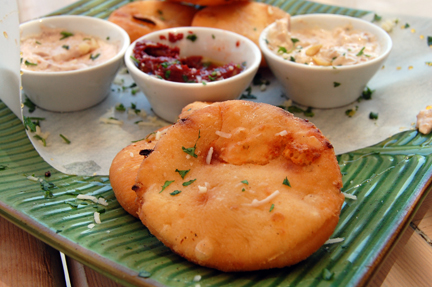
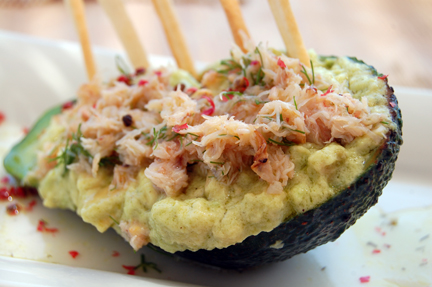
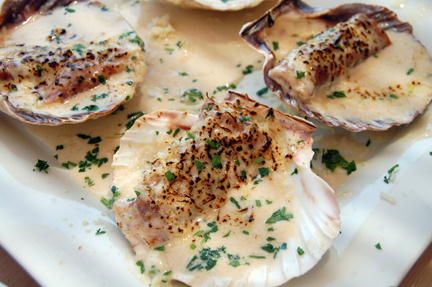
Here’s what we ate (the first photo is of bourekakia, btw).

On my way to Greece…

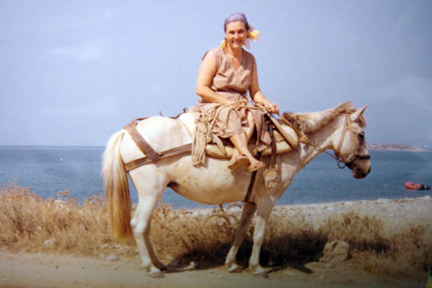
When I told Alfonso that I’d be heading to Greece this week, he shared this wonderful photo of his mother, probably taken in the 80s.

I’m heading back to the Mediterranean (not far from Apulia, where I visited earlier this month) for the Boutari Social Media Project — a virtual media program I have curated for the Boutari group of wineries for the last 14 months.

I’ll be covering the adventure here and on the Boutari blog.

It should be an interesting trip. Stay tuned and see you on the other side!

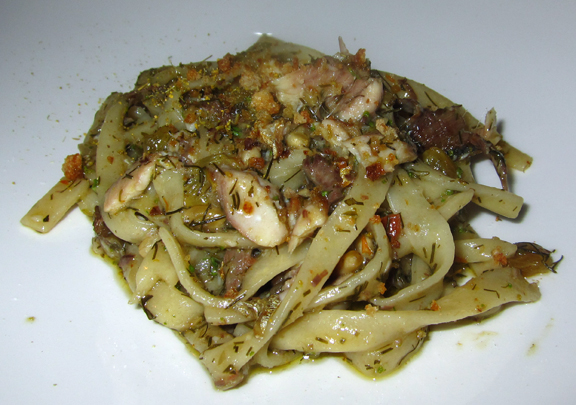
Sotto’s pasta con le sarde stopped the show last night

Chefs Steve and Zach literally combed the Malibu foothills foraging for wild fennel flowers — finocchietto — to complete their pasta con le sarde, traditional Sicilian noodles with sardines, pine nuts, raisins, and — de rigeuer — finocchietto.

The occasion was a wine dinner at Sotto in Los Angeles in honor of my good friend Giampaolo Venica who wrote on the Twitter today What a great pasta with sarde last night @sottoLA, probably best ever had.”

Tracie P and I simply adore Giampaolo and Chiara, who are celebrating their first wedding anniversary on Sunday! Mazel tov! :) Photo by Alfonso, who also joined us.

Things behind the bar were getting steamy last night. Amazing cocktails…

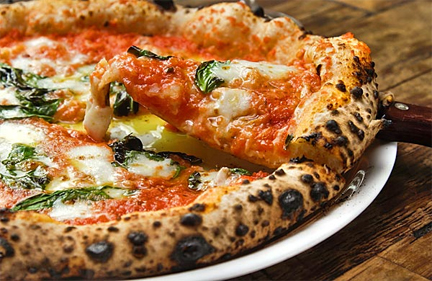
I just had to ask the parents of these happy children for permission to snap their photo. Pizza is a wonderfully universal dish, isn’t it? Who doesn’t like pizza?

Now that Tracie P and I are expecting, I find myself thinking all the time about nutrition and Baby P. It was great to see these super polite kids enjoying the wholesome Neapolitan stuff!

A bottle of red, a bottle of white… some things never change in La Jolla

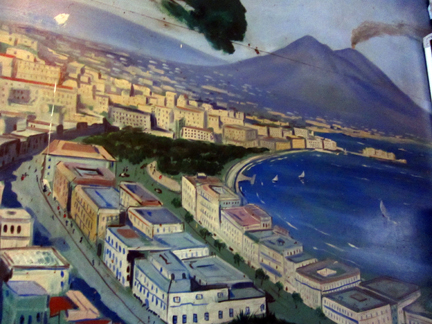
Before heading up to Los Angeles this week to work at Sotto where I curate the wine list, I stopped in my hometown of La Jolla, California, to have dinner with father Zane who was in from Indiana visiting my brothers down there. We decided to go to Carino’s Pizza on La Jolla Boulevard, a restaurant where the décor has not changed since 1971, when the current owner bought the joint and when my family moved to Southern California from Chicago (Remember when Annie Hall moves to LA eats in a vegetarian restaurant, smokes pot and uses black soap? That’s essentially what happened.) The place looks like a movie set and is still adorned by murals of Mt. Vesuvius.

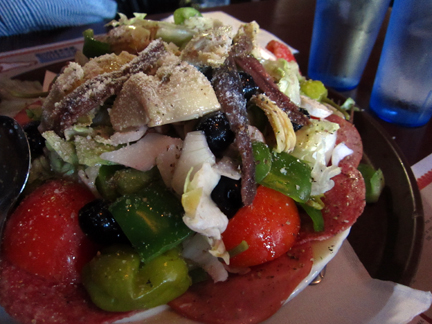
The food at Carino’s is nothing to write home about. But then again, I was at home. I hadn’t been there in literally 16 years. The antipasto was exactly as I remembered it. Over breakfast the next morning mama Judy said, “honey, I hate to tell you this, but you smell like garlic. You should do something about that before you start your day,” she added. I guess it’s the kinda food that “sticks with you.”

Carino’s has a moderate corkage fee of $8 and so I brought this excellent bottle of 09 Toni Jost Riesling that my buddy Jesse sold me. I’ve been drinking a lot of Riesling this summer (and posting about it over at the Houston Press blog, Eating Our Words).The wine was bright and delicious, with a wonderful 12% alcohol. Great pairing for the antipasto.

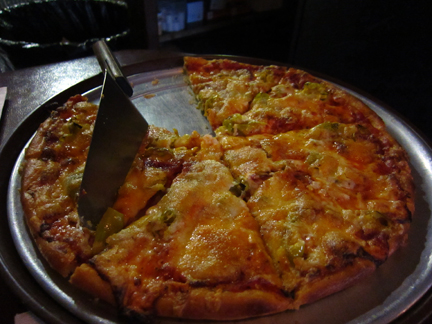
The pizza hasn’t changed either. We had the peperoni with jalapeños.

I popped a bottle of 05 Benanti Nerello Mascalese from Etna, Sicily. This has been one of my favorite red wines this year: earth and black and red and berry fruit, with bright bright acidity, and that wonderful balance of elegance, lightness, and power that you find in the pharmacist’s wine (Benanti made his fortune in pharmaceuticals before becoming a winemaker).

Zane doesn’t drink red wine, so he didn’t have any.

He talked to me about the usual subjects: his expertise in aerophysics and the recordings arts, Israeli politics, and his legacy as a member of the American Association for the Advancement of Science.

Some things never change… Es muss sein…