
Please consider giving to Unicef’s Ukraine child refugee fund. This link takes you straight to the donation page. G-d bless our Ukrainian sisters and brothers. Thank you.
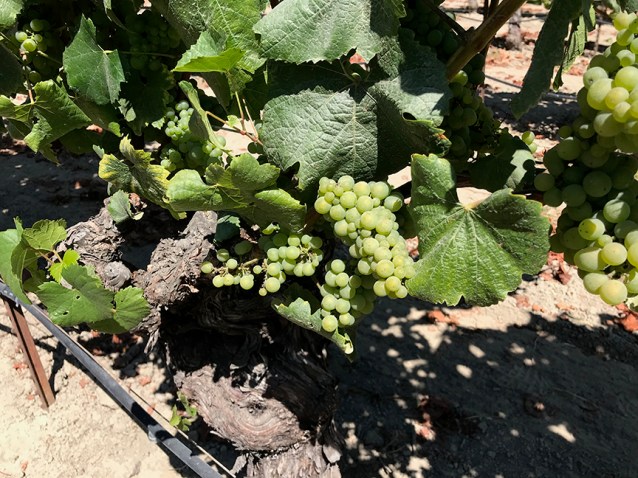 Back in the late aughts following the big bang of the enoblogosphere, there was probably no word more maligned, no term more associated with the wine establishment as “Chardonnay.”
“Oaky, buttery, California Chardonnay.” It spoke to everything we nouvelle vague wine lovers despised about the wine world hegemony.
And as Tracie and I began to date, Chardonnay avoidance with dramatic flair — à la “Sideways” — was a bona fide whereby you established your cool.
Yes, we were amenable to the grape variety if it showed up in the form of a racy blanc de blancs pas dosé or a hitherto unknown but acceptably “acidity-driven” Chablis. But the mere mention of the apelonym was enough to make you heave… well… maybe not heave but wince.
So how is that our most recent online, curbside mix-and-match order from the Houston Wine Merchant was literally replete with Chardonnay? California Chardonnay and French Chardonnay! Egads!
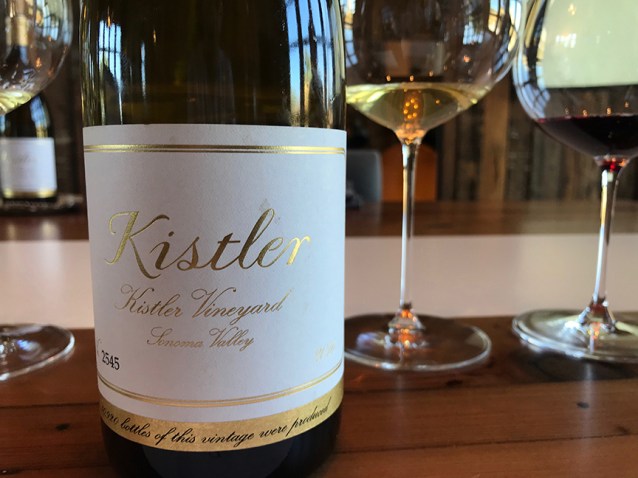
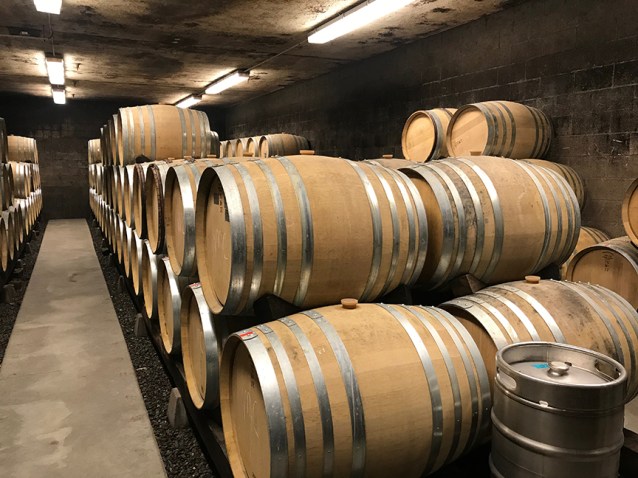 One of the key moments in my own personal Chardonnay sea change was my repeated visits in pre-pandemic years to northern California wine country where the opportunity to taste a broader spectrum of Chardonnay entirely reshaped my perception of the category. By my September 2019 trip for the Slow Wine guide, my third for the imprint, I had discovered so many expressions of Chardonnay that we both loved. From Santa Ynez to west Sonoma coast, there were myriad winemakers — many of them négociants — that had never found their way into our glass along our überhipster wine route.
It wasn’t that there was a “new California” that even the Times touted at the time. In fact, there was plenty of great California Chardonnay to go around. But it hadn’t been “marketed” to our emerging demographic of Gen X, would-be enlightened wine lovers.
By missed-opportunity marketing, I don’t mean that those winemakers had failed us. No, they had not, by any means. As I discovered, many of them were happily selling their entire production to their lists and to a tuned-in clientele who had appreciated the stuff for more than a generation.
The truth is we had failed them by letting them be eclipsed by the new subversive media- and social media-driven wine culture. Subversion was good. And a lot of cool stemmed from it. But it was also deeply myopic in certain fundamental instances like l’affaire Chardonnay.
 Another seismic shift was also happening: we were becoming more experienced wine drinkers. As we strived for many years to birth our “cool palates,” we began to realize that a great lacuna had formed in our wine tastes. And ten years into that arc, we became aware of that gap because we had started to taste some of the great expressions of Chardonnay with more finely honed tasting chops.
And you know what? We discovered that we loved the wines.
There were also other factors that guided the shift toward the most coveted of candid grape varieties.
We stopped being drawn to the palate-bracing acidity of some of the wines that came out the the in search of balance movement (yeah, you know what and whom I’m talking about). At the time it seemed that the winemakers were overcompensating for the “okay buttery” (and attenuated acidity) paradigm.
Another thing that has really influenced our wine buying habits has been the release of an overwhelming number of Bourgogne blanc from top producers. At our end of the Passover Seder this year, we’ll be drinking current release 2015 Bourgogne, “white Burgundy wine,” from De Montille. It’s friggin’ delicious, people. And I imagine that Étienne (yeah, you know whom I’m talking about) reclassified this lot. Gauging from the wine, you would think that he had more lofty aspirations for it.
His Bourgogne blanc is just one of the many marquee houses that are now releasing rivers of appellation-wide designate wines (i.e., “Bourgogne”).
The current lineup in our cellar is Au Bon Climat, Boillot, De Montille, and a Mâcon from Thévenet.
Dear Chardonnay, it took us a long time to make it, but we got here as quick as we could. And we’ve been loving every minute of it.
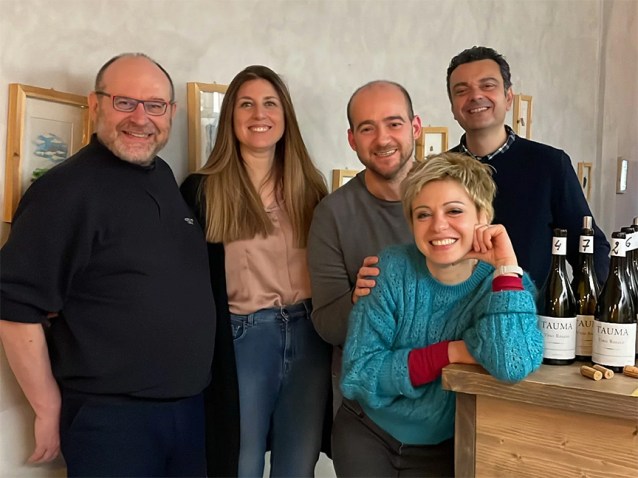 Above, far left: Sandro Sangiorgi, one of the authors of the recently published Vini Veri manifesto that squarely criticizes a new wave of natural producers who consider “technical ability an obstacle” to making their wines. A top wine writer and taster, Sangiorgi is widely considered one of Italy’s leading experts on and advocates for natural wine (image via
  This year as we prepare to celebrate the Passover, our family knows how fortunate we are to enjoy good health and security. With everything going on in the world today, we take time each and every day to tell each other that we love each other and to let each other know that we support one another.
 Georgia and Lila Jane have both been doing well in school. And we all enjoy their music.
 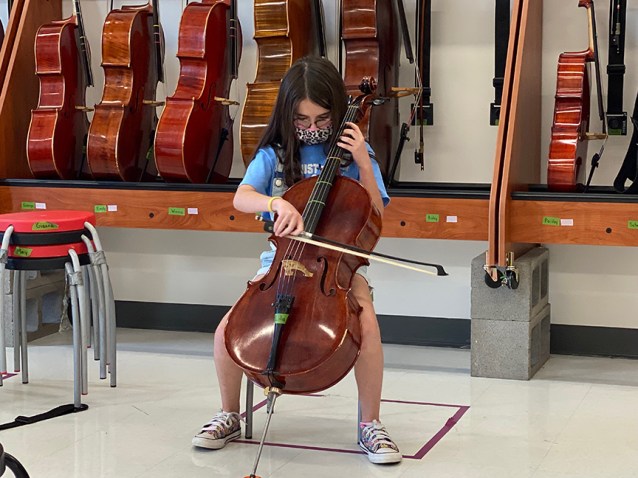 Georgia plays violin and piano and is in advanced choir at school. Lila Jane plays cello and piano and is in beginning choir.
  Tracie’s work is going really well (poo poo poo!). And now that the wine business is back in full swing, my work is also going well.
 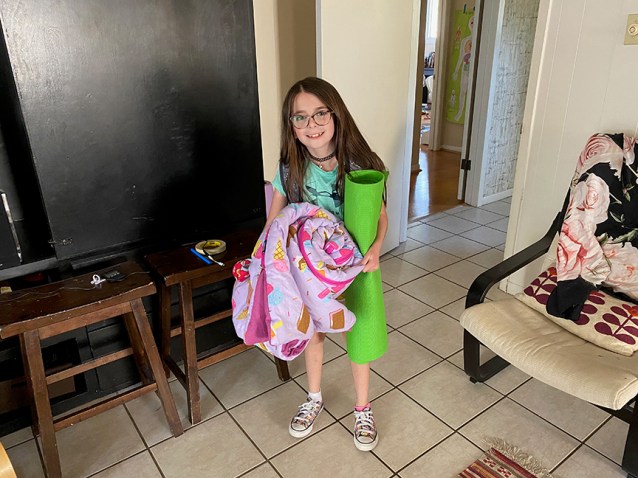 We are much closer to our financial goals than we could have ever imagined in 2022. The light is appearing at the end of the tunnel, which is great.
 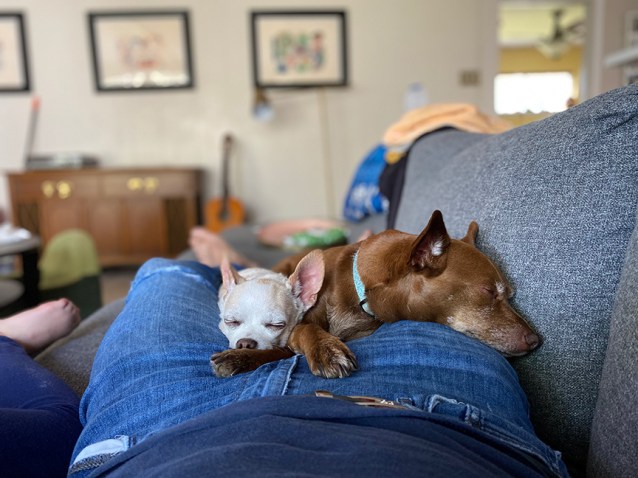 Tracie has done an amazing job and there’s not a day that goes by that I don’t remind her that she makes our lives whole.
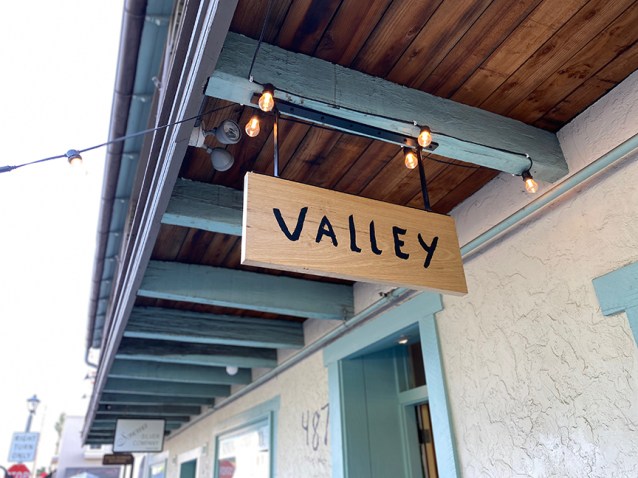 The sun shone through the trees on an unusually warm Sonoma valley early evening as kids played in the park and tourists milled about the shops and tasting rooms.
 Since the late 1980s, Italian cuisine in the U.S. has been shaped by a tension between traditional- and creative-leaning forces.
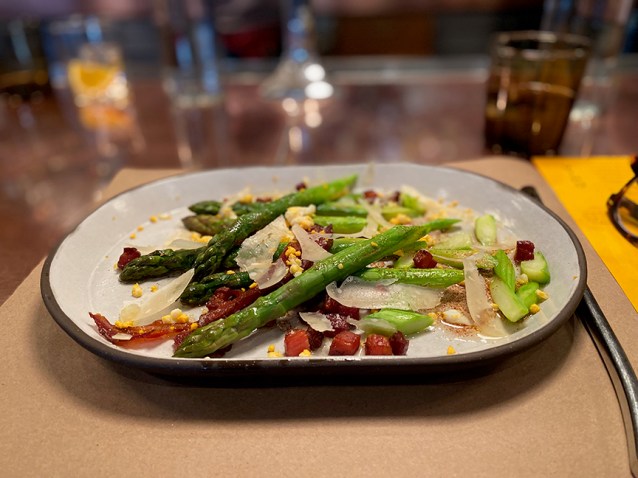 Making my way over to Cotogna from my hotel in San Francisco the other night, I couldn’t help but remember a chilly winter evening in the late 80s when I stopped a man on the street and asked him if he knew the way to a certain “trattoria,” a name for pseudo-Italian restaurants that had become popular in the second half of the decade.
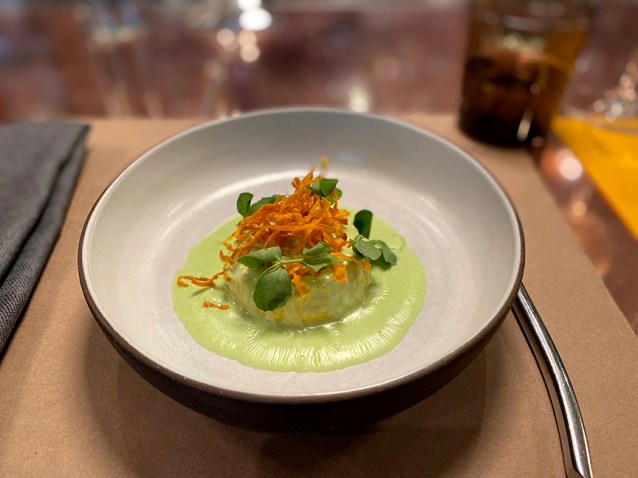
 The carrot sformato (first photo) blew me away with its ethereal texture and subtle dance of bold but elegant flavors. Sformato — properly called a savory custard in English — is all about the texture. It should be firm but light, rich but buoyant. I know already from my Instagram that people agree with me: this dish was nothing short of show-stopping. I loved it.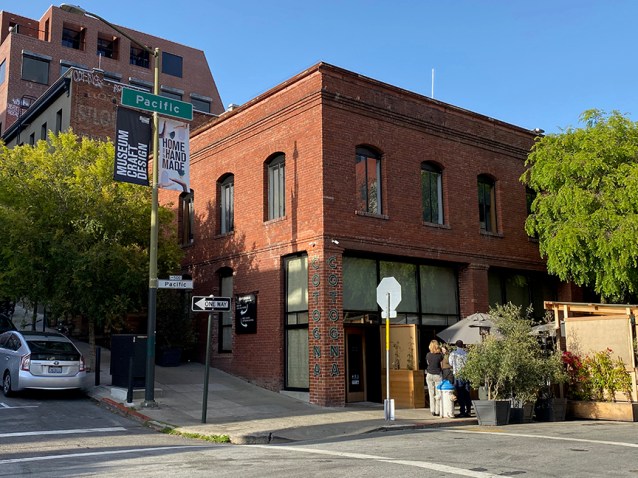
 Image via
 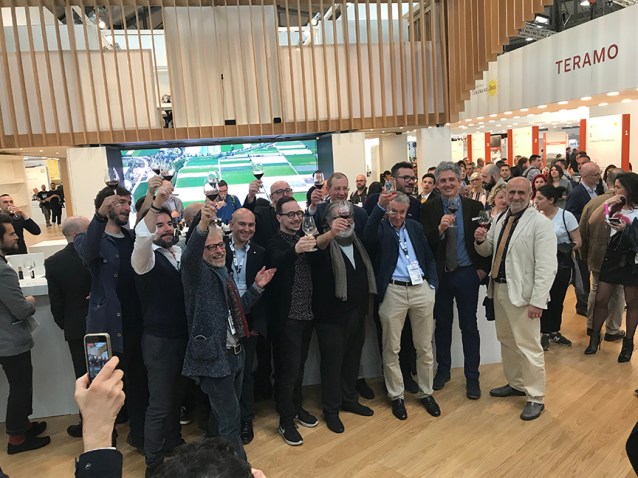 Every year at my Vinitaly, there’s a first-day toast organized by a loosely knit group of Italian wine bloggers and social media users at the Abruzzo region stand.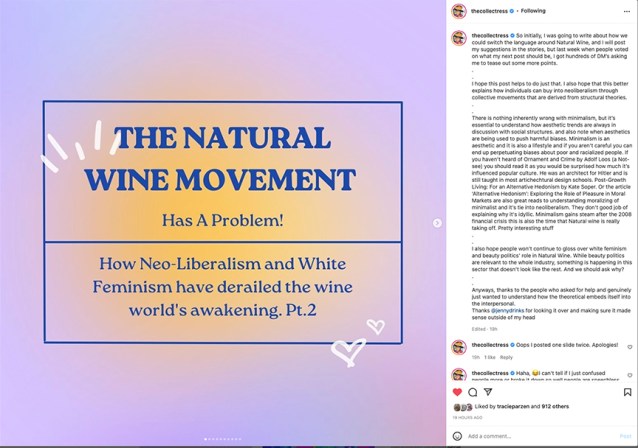
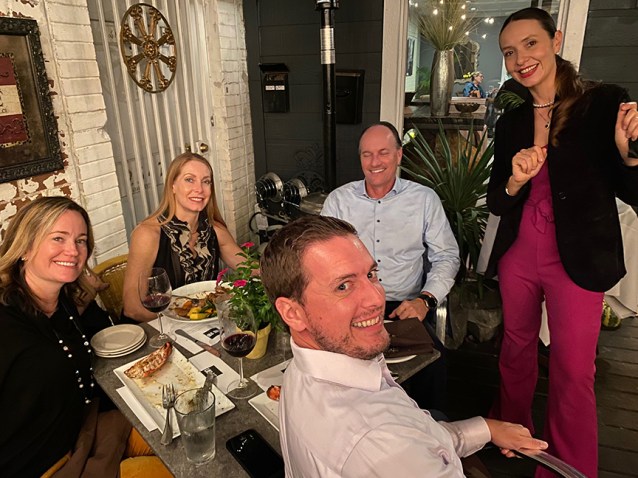 Above: in November of last year, I presented a sold-out dinner at Roma in Houston featuring the wines of Alicia Lini (standing).
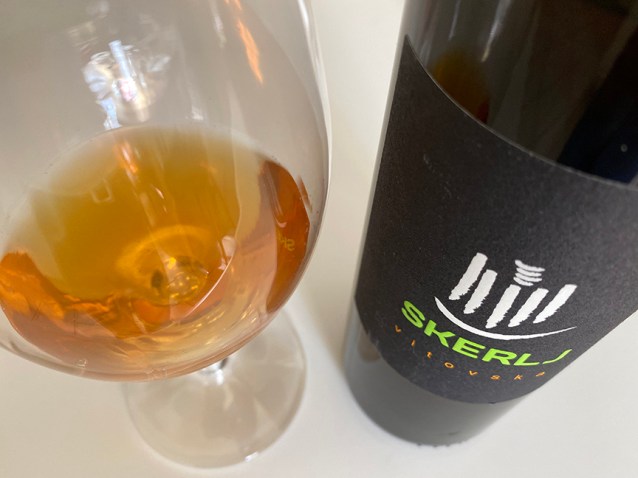 Above: last night, Tracie and I treated ourselves to one of our favorite macerated white wines from Friuli, the Vitovska by Skerlj. I’m now more convinced than ever that the most highly prized wines in the Italian Renaissance were “orange” like this one.
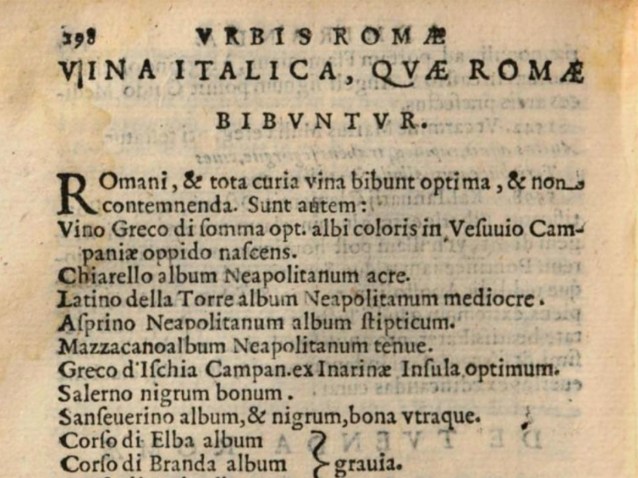 Above: a folio from Itinerarium regionum urbium et oppidum nobiliorum Italiae (Itineraries Through the Noble Regions, Cities, and Towns of Italy), a travel log published by Flemish jurist Franz Schott on the occasion of the 1600 Jubilee declared by Pope Clement VIII.
 Do Bianchi