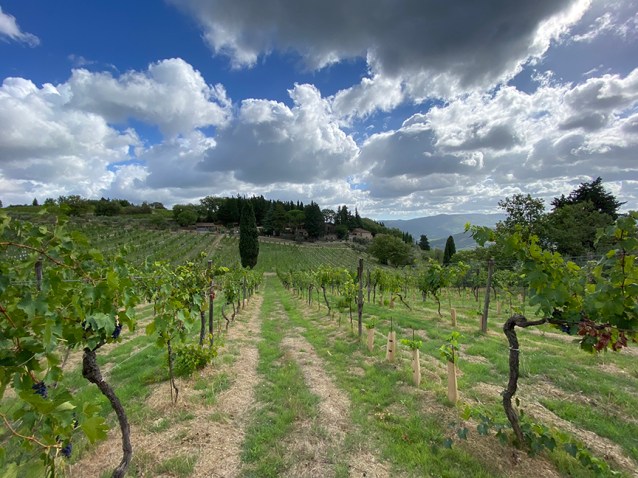
 Back in early September as the red grape harvest was just about to begin in central Italy, I visited the Montefili farm and winery in Panzano in the heart of Chianti Classico. It was a glorious and highly photogenic time to be in the vineyards. But the thing I was most interested in photographing was the rocks.
Disclosure: the estate is owned by my friend and former employer Nicola Marzovilla.
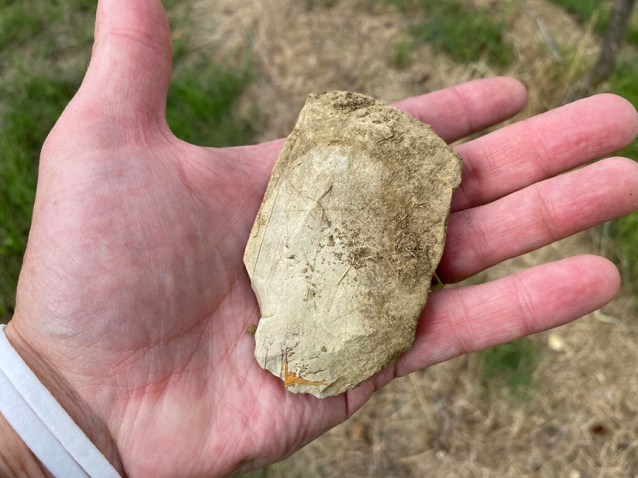
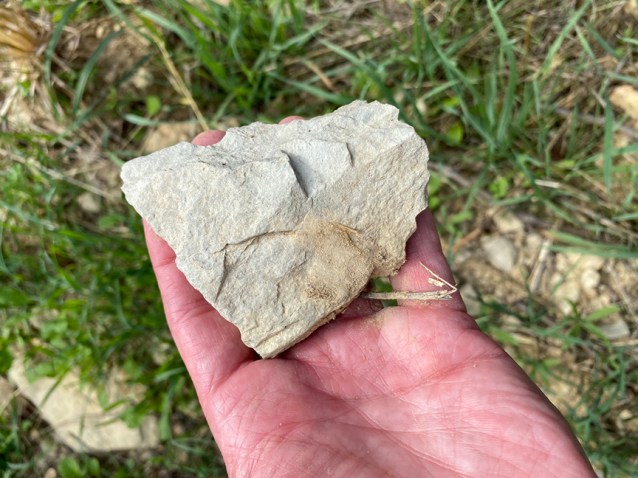
Those are classic examples of galestro above and alberese below.
Note how the galestro is almost yellow in color while the alberese is nearly white.
Philologists don’t entirely agree on the origins of the term galestro but some believe it comes from the French glaise meaning clay.
The word alberese, most agree, comes from the Latin alba meaning white.
 Although these types of rocks can be found in other parts of Tuscany, Chiantigiana is where you’ll find their highest concentration. And while rocks similar to alberese are found in other parts of Europe, galestro seems to be unique to the Tuscany.
Alberese is generally defined as limestone, in other words, calcareous deposits formed in ancient seabeds.
The best definition I can find for galestro is that penned by wine writer and Tuscan wine expert Monty Waldin as “a rock formation of stone (mudstone or clay but not compact clay) and sand which will become clay, but has not yet reached the full clay stage.”
As the great Chianti-focused vineyard manager Ruggero Mazzilli writes, galestro is typically found at the highest altitudes in Chianti while alberese is found closer to the valley floors.
I highly recommend his excellent post “How changes in vineyard altitude within the Chianti Classico region affect climate and soil factors” where he discusses these and other Chianti soil types in great detail. (Scroll down for the English translation.)
 In my experience, galestro soils tend to deliver wines with a more robust fruit character while wines made from fruit grown in alberese soils can be more mineral and savory.
One thing however is certain, as Mazzilli writes, “Sangiovese, as a varietal, has an enormous capacity to adapt its behavior based on the environment in which it is grown.” And as he notes, these soil types (and others present in Chianti) are an important element in shaping their unique qualities.
I still don’t have all the details but I will be leading a Chianti seminar at Vinology in Houston on Thursday, February 2. We’ll be tasting wines from different parts of Chiantigiana and talking soil types and growing conditions. It’s going to be a fun time for sure. Please save the date!
 Sometimes wine is work. Sometimes it’s fun. When the two overlap, it’s always a joy. But when it’s pure fun, the experience can be truly transcendent.
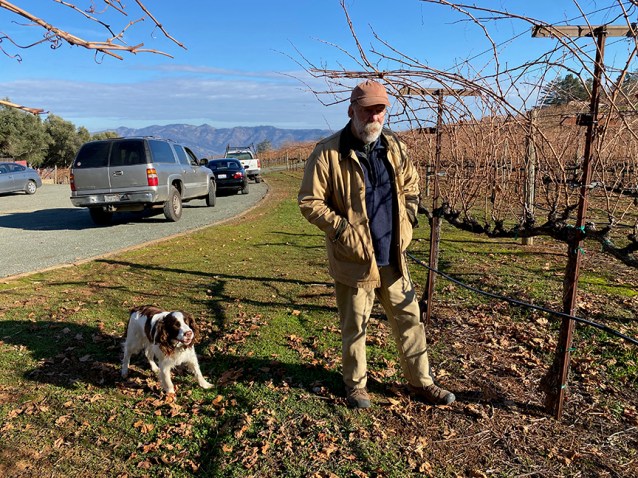
 That’s a view of the northern tip of the Napa Valley as seen from Stu and his brother Charles’ property. They first planted grapes their in 1972. Today, their wines are one of California’s top wines. Think of that! 1972! Think how the world was different then and how different our perceptions of wine.
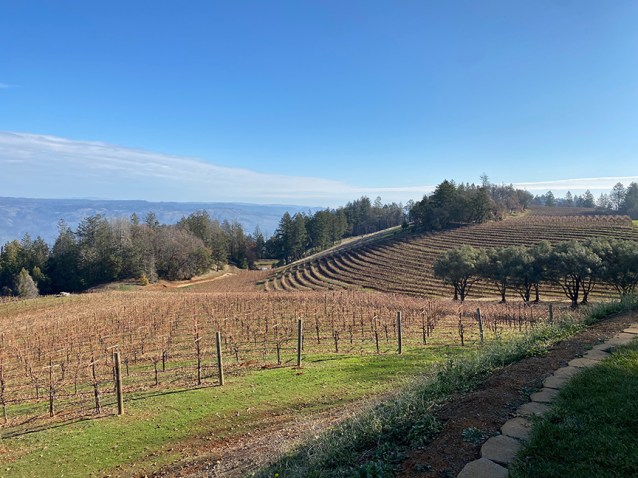 I was actually in wine country for an Italian client of mine, believe it or not (that’s another story for another time).
 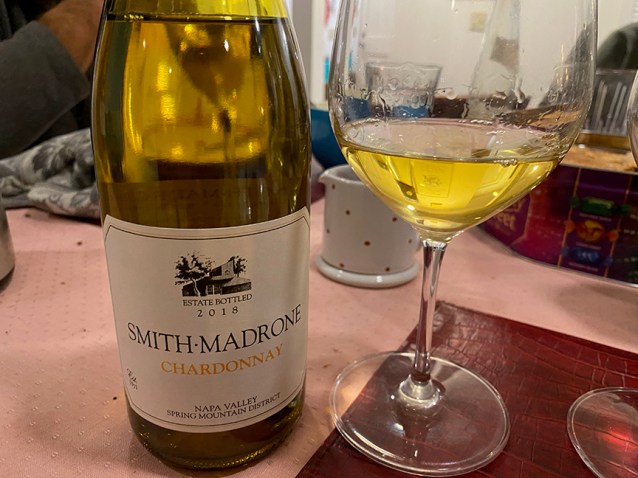 I’ve always been a huge fan of the wines and I was stoked to get to spend some extended time with them when I worked on the Slow Wine Guide.
 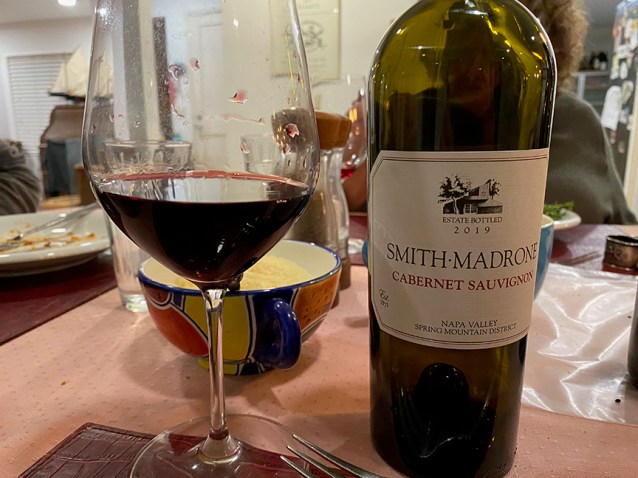 During our vineyard tour, we talked about training methods (he likes cordon for his Cabernet Franc), about row orientation (he’s done some interesting things with contour vs. non-contour planting), and fire prevention.
 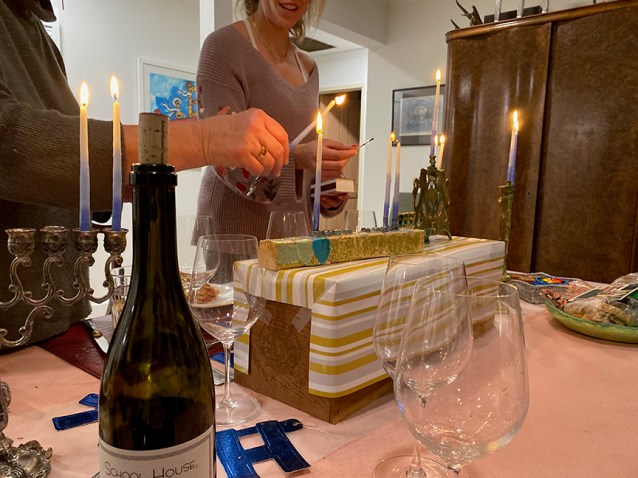 After dinner, I said to Julie Ann, “wow, that was like getting to have dinner with Bruce Springsteen!” It’s not every day that you are invited to sit at the table of one of the winemakers you admire most.
 Image via the
  It’s been a year that none of us will ever forget.
  Both girls are getting straight A’s in school and both continue to play music.
  Georgia, who just turned 11, continues to play violin and piano. She dropped out of advanced choir this year, her last at our elementary school. Instead, she did tennis, chess club, and theater as her after school activities. It’s been a busy year so far!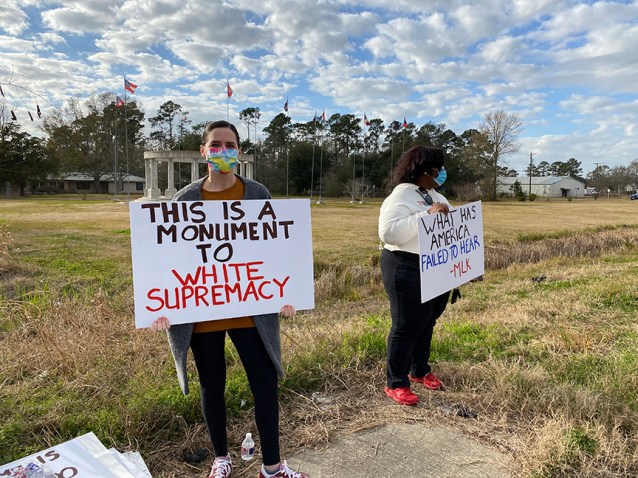
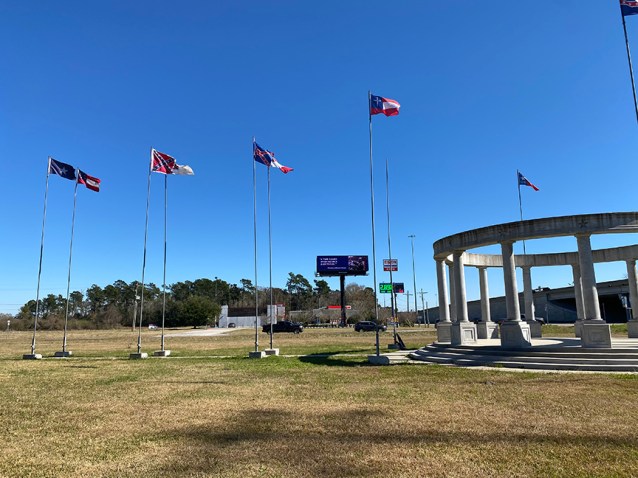 There is no doubt in anyone’s mind that the people who built it intended for it to be an affront to the Black community in city that has a sordid legacy of racism and racist violence (just ask any Black Texan of a certain age and they will tell you how their parents told them to avoid Orange as they drove to or from New Orleans).
 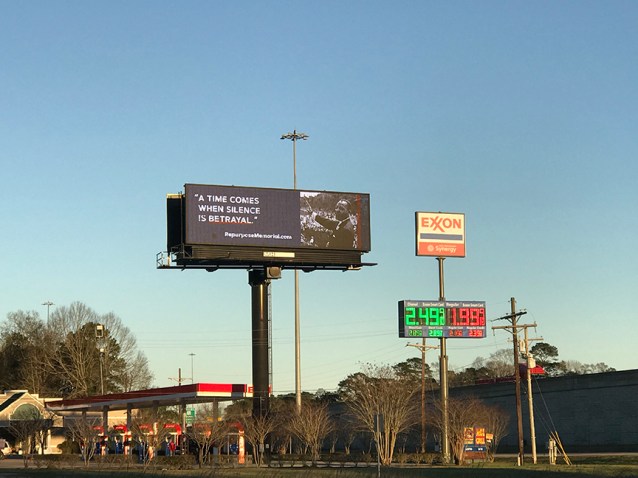 Any amount, no matter how small, matters. Even if you’re not able to donate, you can help to further our cause by sharing with friends and posting on social media.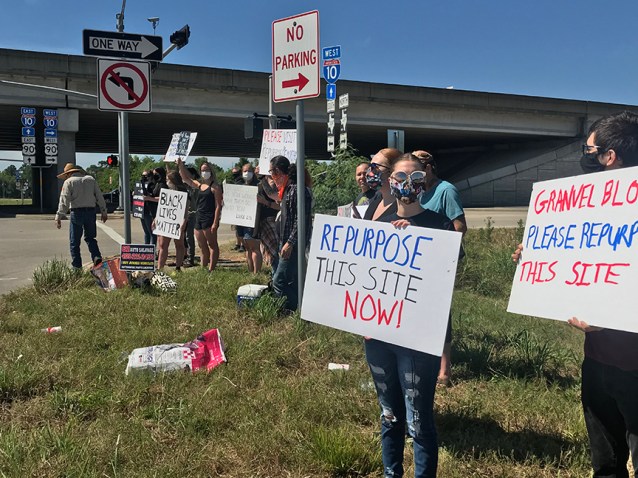
 Many will remember a dark period in spring 2020 when the
 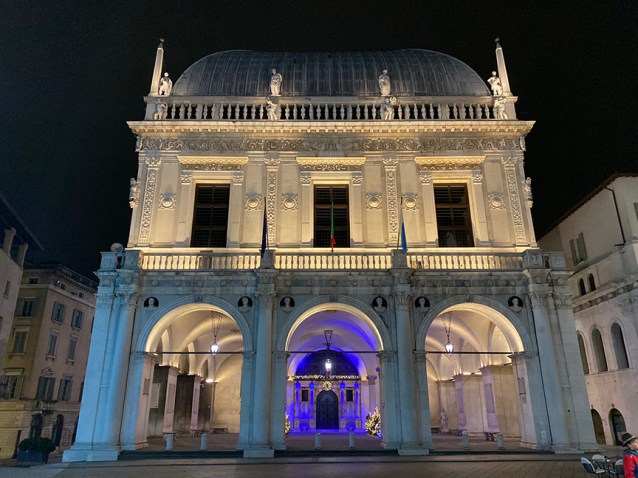 Today, I’m happy to report from my own experiences there, Brescia is experiencing a genuine renaissance — a rebirth. Its piazzas are packed with tourists who come to admire the Roman ruins and Longobard works of art and artifacts. And its restaurants, wine bars, beer joints are brimming with exuberant and joyful citizens who rarely remark on those dark times. They do, however, talk proudly and rightly about their resilience and courage in the face of ultimate tragedy.
 In the words of the organizers,
 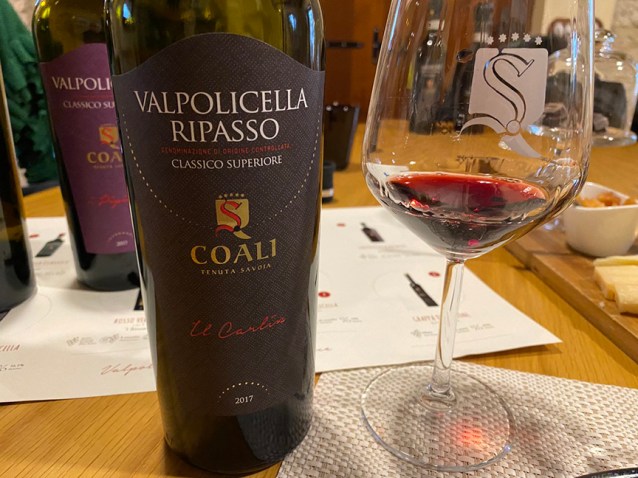 The funniest thing happened on my last trip to Italy.
 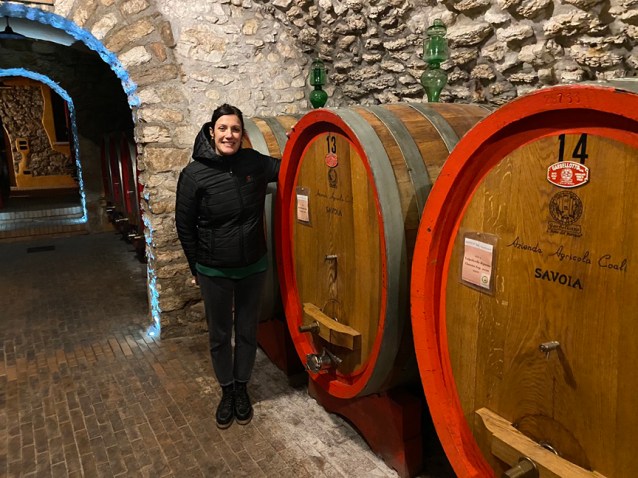 I asked Marina Savoia, above, why the odd choice of bottle format? After all, in my experience, producers like her and her family often like to use older, more classic formats, and they are keen to reduce their carbon footprint by using the lightest glass possible — the antithesis of the Super Tuscan craze of the aughts.
 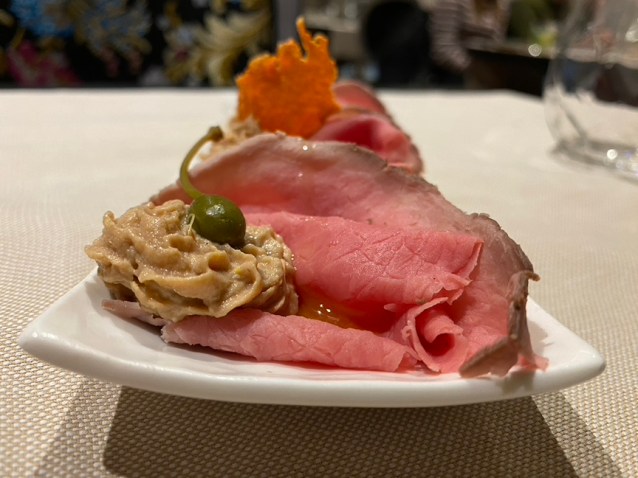 Even after all these years of coming to Italy for study and work, I had never really spent proper time in the city of Turin.
  I only had a little free time to stroll the city’s beautiful porticoes but I was blown away by all the rare book shops. I even found a vintage record store that specializes in classical — one of my recent collecting interests.
  The Egyptology museum blew me away! As a dog lover, of course, I was drawn to the mummified animals section, purportedly one of the biggest collections in the world beyond Cairo. It was amazing. The whole thing was amazing. There’s even a “tomb” designed by Renzo Piano. Not to miss.
 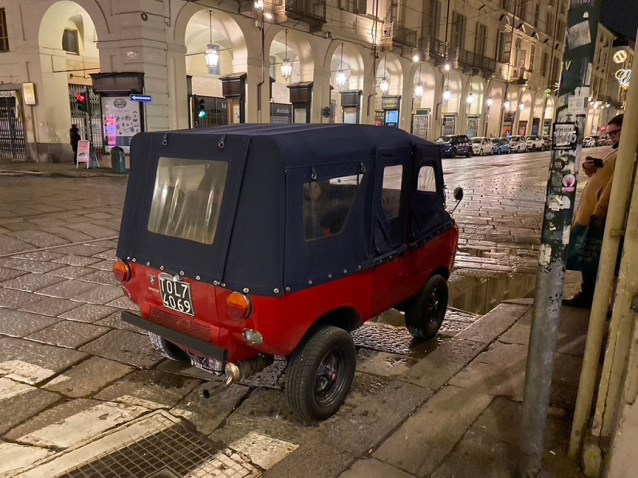 Car culture, as one would imagine, is big in Turin. I was told that the automobile museum is great. Next on my list. And it was cool to see some of the crazy cars that people drive in the city.
  One of the things that I really dug was how the city has retained its old-school feel. There’s not just a sushi place and a Burger King on every corner. Those are tajarin al Castelmagno at Porto di Savona — SUPER OLD SCHOOL and wonderful.
  Still so much to explore there. I can’t wait to get back.
 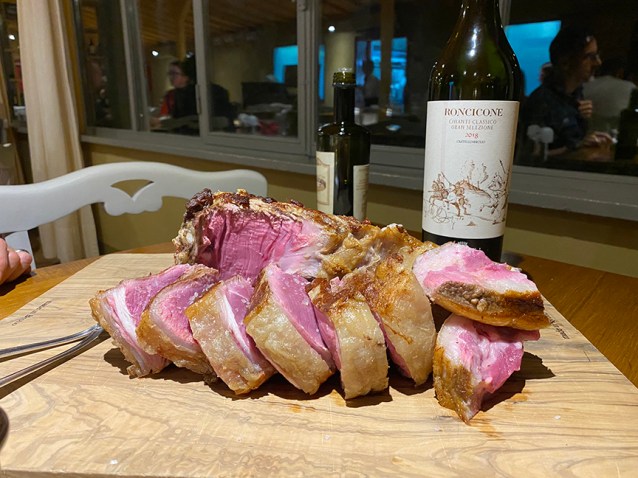 I’m actually heading out again tonight for Italy to meet a new client (more on that later). And I still haven’t finished blogging about my early September trip!
 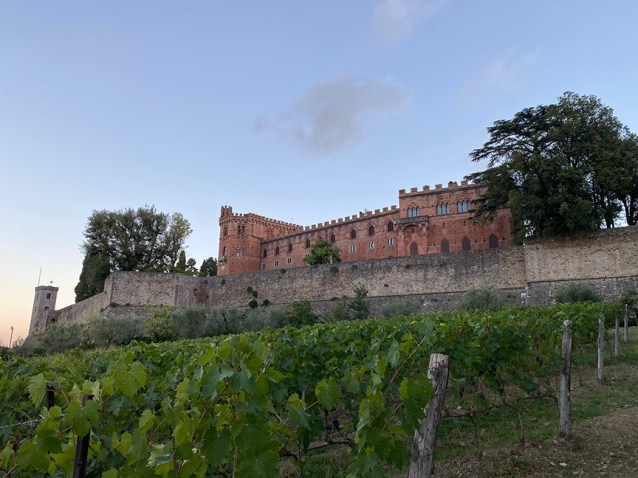 I slept that night at Ricasoli’s “Agriroom,” a spartan but perfectly anointed bed and breakfast in the main piazza of the small village where the Ricasoli offices are located.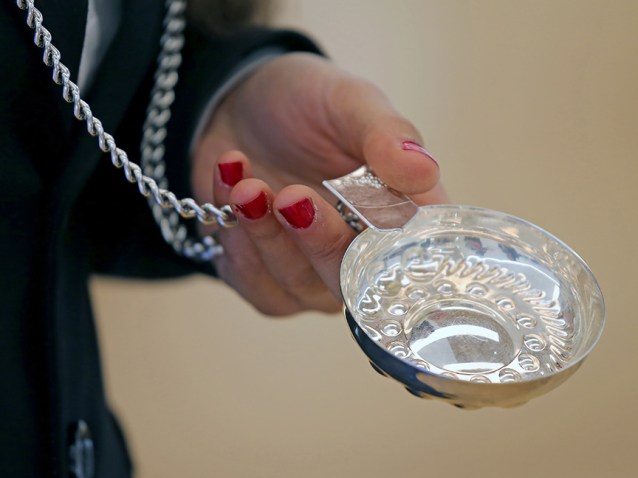
 Do Bianchi