
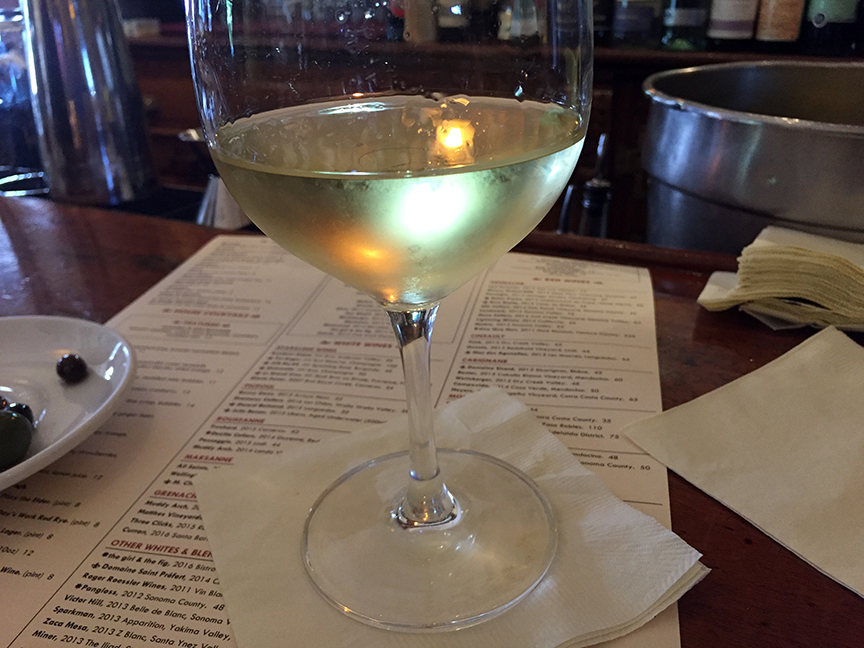
 Last week, while touring vineyards and tasting with winemakers in northern California, I stopped into a popular restaurant for a before-dinner glass of wine in one of the area’s trendy tourist districts.
After I took a seat at the bar, the bartender walked me through a couple of by-the-glass rosé selections. They all sounded good, even though I didn’t know any of the producers. I asked her to pour me one of her favorites. Her ability to rattle off all the grape varieties in each wine and describe the style of each was impressive. It was clear that she was familiar with all of the restaurant’s by-the-glass offerings and I was confident that I was in good hands.
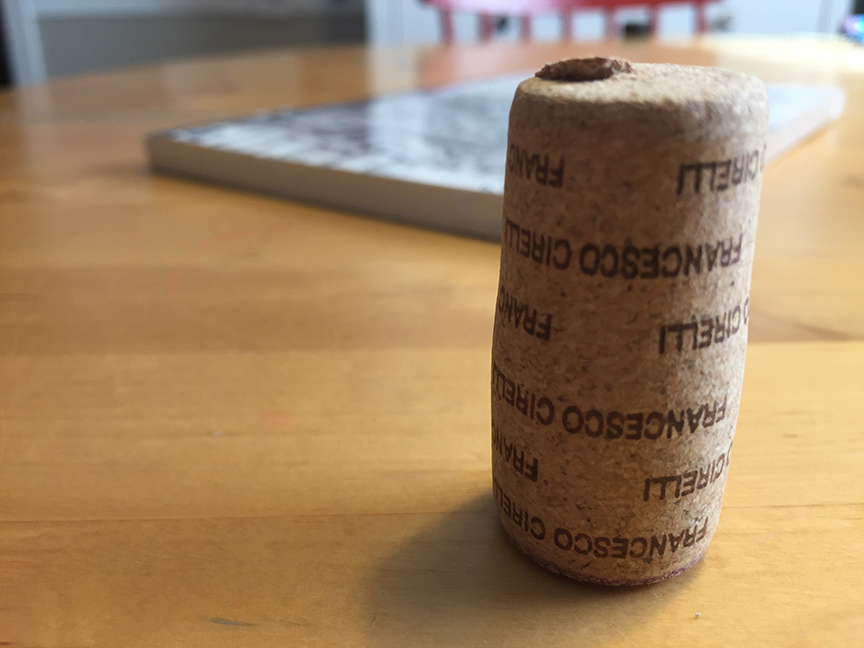
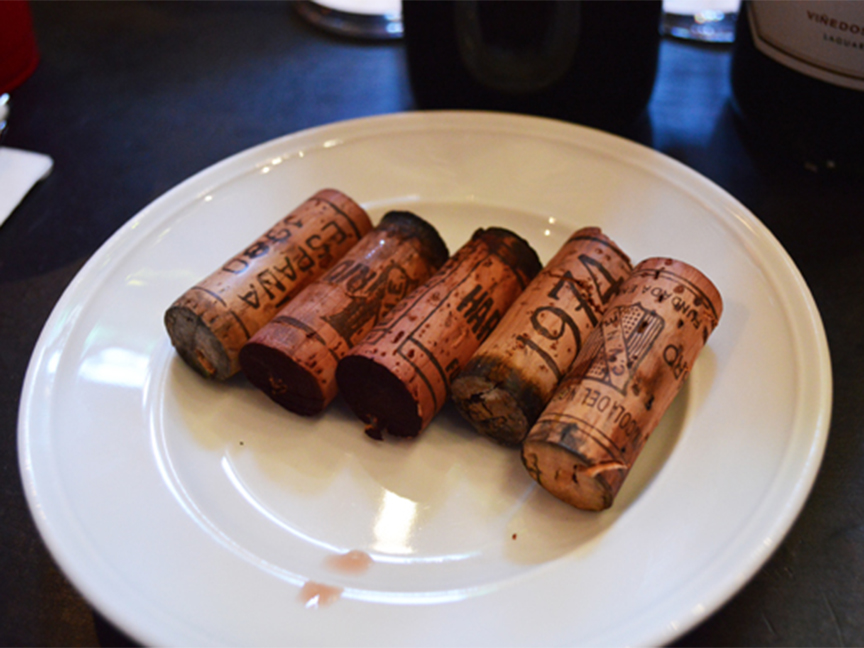
The wine was icy cold and it took it a few minutes to warm up in the glass. It had some good fruit in the mouth but the nose was still very muted because of the temperature. I took a few sips and by the time I had drunk about half of the glass, I realized that it was corked.
I’m sure that this has happened to many of you: when the wine is too cold, it can be hard to determine its fitness or “correctness.” Even some of the best tasters I know don’t catch corkiness at the first sniff, especially when it’s subtle. It’s even more challenging when the wine is too cold.
The restaurant and its bar were both really busy on a Thursday night in the early weeks of the prime wine tourism season. And it took a moment before the bartender checked back in with me.
When I mentioned that the wine was corked, she looked puzzled. She then promptly grabbed the bottle from the tub of ice behind the bar and poured herself a taste. She swirled and sniffed and unequivocally declared that “the wine definitely isn’t corked but I’ll be happy to pour you something else.”
It’s possible that I was wrong and I appreciated her offer to pour me something else.
But what is the point of challenging the guest regarding the corkiness or fitness of a wine?
I was alone that evening but what if I was out with my significant other or with a colleague or client? It made me feel crummy enough that she felt it necessary to belittle my ability as a taster. But what if I had been on a special-occasion date with my wife on our trip to California wine country? The awkwardness that her insistence created would have only put a crinkle into what would have otherwise been a seamlessly lovely evening.
There’s no doubt that servers, sommeliers, and bartenders who work in wine country often encounter citizen wine lovers who don’t have a lot of experience in tasting and determining wine fitness. But in my view, that’s all the more reason not to challenge the guest’s take on the wine.
Many years ago, while dining at a three-Michelin-star restaurant in the U.S., I told a sommelier that I believed a wine was corked. He tasted it and said it wasn’t and didn’t even offer to bring me something else. Was his pride as a taster more important to him than his mission to provide a great dining experience? (Never mind that he had a huge steel plug pierced into his tongue, easy to spot when he opened his mouth it was so large.)
My server ended up pouring me a fine glass of Anthony Truchard’s Chardonnay and didn’t charge me for my first glass. I really appreciated that. But what was the point of challenging my assessment of the wine when the restaurant (or at least the bar) has a policy of substituting wines by-the-glass (and not charging for them) when the guest questions the wine’s fitness?
She could have easily replaced the wine and then discreetly tasted the questionable wine (not in front of me).
I can’t imagine that she didn’t pour the rest of that bottle for other guests that evening. Too bad for them…















 Do Bianchi