
 As European Union organic grape growers anxiously await a Brussels decision on new and more stringent restrictions on copper fungicide use, the highly controversial issue continues to be a focus of media, industry observers, and winemakers in Italy. In many instances, organic and conventional producers — together with their supporters and detractors — are pitted against one another in an increasingly bitter fight. And the exchanges are growing ugly.
My colleague and fellow Slow Wine editor Fabrizio Giavedoni summed it up best in a post published earlier this week on the Slow Wine and Slow Food blogs (translation mine):
- The debate over copper fungicide in grape growing resurfaces frequently these days — in conversation, in print, and online. And the discussion focuses on organic wine.
- For the most part, there are two principal positions.
- On the one hand, many organic grape growers are racking their brains as they try to limit or find alternatives to the use of this metal in their vineyards. They are clearly worried about the accumulation of copper in their soils. There’s no doubt that it’s not a healthy or acceptable situation. And we wholeheartedly share their concern over this serious issue.
- On the other hand, conventional grape growers have also been raising their voices, often with the support of writers (including some leading journalists) and bloggers who have little knowledge of viticulture. They point their fingers at organic growers and accuse them of poisoning their vineyards. In many cases, these winemakers and/or journalists have no idea — because they are ill-informed or even ill-intentioned — that commercial products normally used in conventional farming contain substantial levels of copper. Obviously, they aren’t concerned about this because it’s challenging to calculate the exact amount. But more importantly, they aren’t worried about copper levels because there are no legal limits on the use of this metal [for conventional farmers].
(For background on the question of copper fungicide and its risks in organic grape growing, see this post.)
Fabio’s position seems to be at odds with a statement issued by agronomist Francesco Sottile, a member of Slow Food’s technical advisory committee and a professor at the Slow Food University in Bra, Piedmont (UniSG).
“We are in favor,” wrote Sottile in a post published in late August, “of the reduction in the quantity of copper allowable per hectare that the EU is currently discussing. We hope it will lead to broader efforts in research on alternative and supplemental products.”
In this week’s post, Fabio previews the findings of a Slow Wine report on copper levels found in organically farmed vineyards. According the still unpublished study of farms where grape growers are converting or have completed a conversion to organic growing practices, copper levels have actually decreased, he claims. Despite increased spraying of copper sulfate, he writes, the amount of copper present is lower thanks to the fact that synthetic products have been eliminated.
Like many of my colleagues, I’m eager to read the study’s conclusions. In the meantime, I know the sparks will continue to fly.
As one Italian organic grower put it in a cryptic but powerful Facebook post, the question is “a sad truth.”
 More than once, a mea culpa has been published on this blog:
  SO MUCH great wine was poured this week in Houston at the Abruzzo wine growers association tasting.
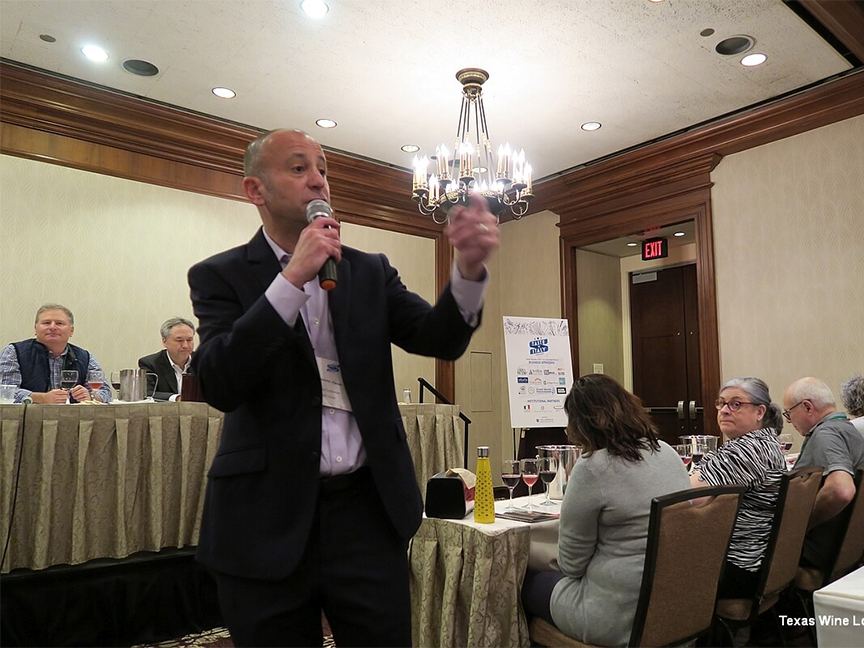
  When was the last time that Maurizio Zanella (above), Chiara Lungarotti, Alois Lageder, Piero Mastroberardino, Alberto Chiarlo, Giovanni Gaja, and Francesco Marone Cinzano were in Houston? When was the last time they were all here at the same time, at the same tasting pouring their wines?
 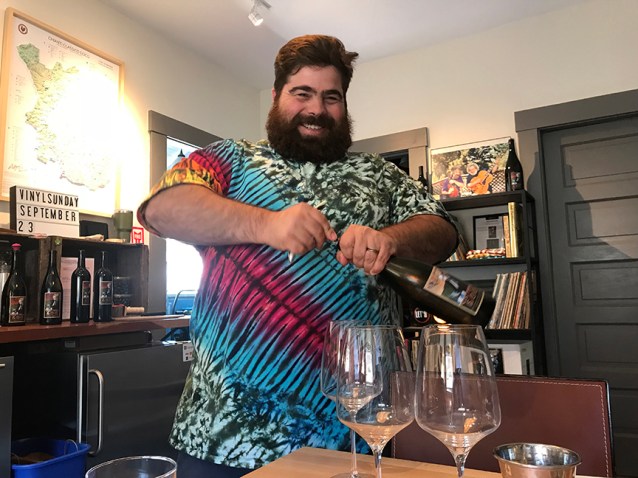 Sam Coturri of Sixteen600. Love that guy and love the wines. Favorite “new old school” Zinfandel. His family has grown organically since the 1970s. Great wines, all around.
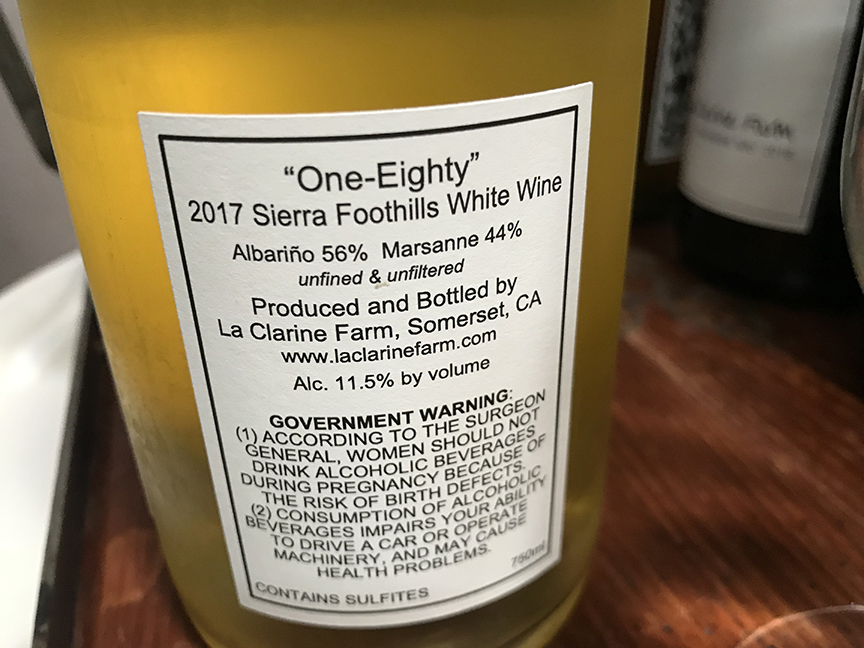
  Meeting and tasting with Hank Beckmeyer at his house in Fair Play was a genuine dream come true. I love everything he releases at La Clarine Farm.
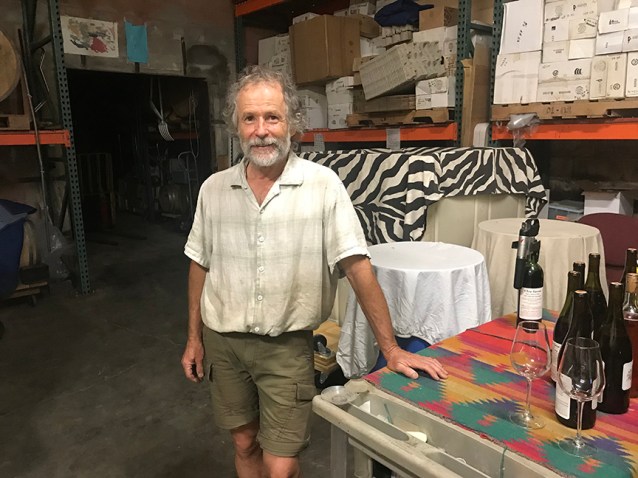 “Winemaking is all about timing,” said Gideon Beinstock of Clos Saron. Tasting and chatting with him was one of the most inspiring winery visits of my whole career. “It’s actually very simple,” he told me. “The grapes tell you when to pick them. The wine tells you when it’s done fermenting. The wine tells you when to bottle it.” His wines are simply astounding.
 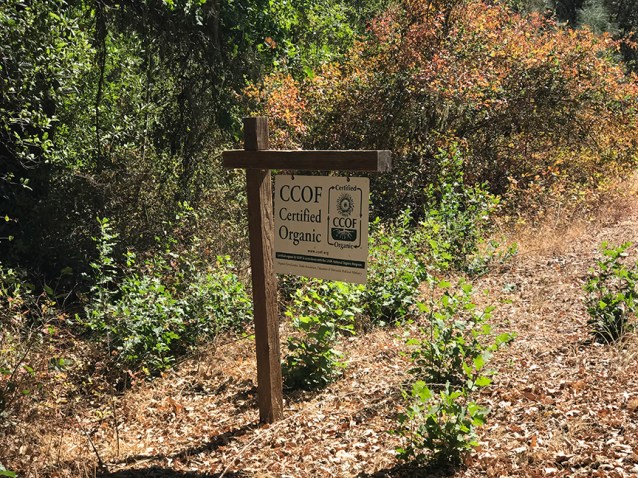 The vineyards at Volker Eisele, producer of my favorite Napa Valley Cabernet Sauvignon, have been organically farmed since the 1970s. It’s one of the most beautiful growing sites I’ve visited in California and I love Alex and Catherine, the owners and winemakers. Such cool people, such gorgeous wines.
 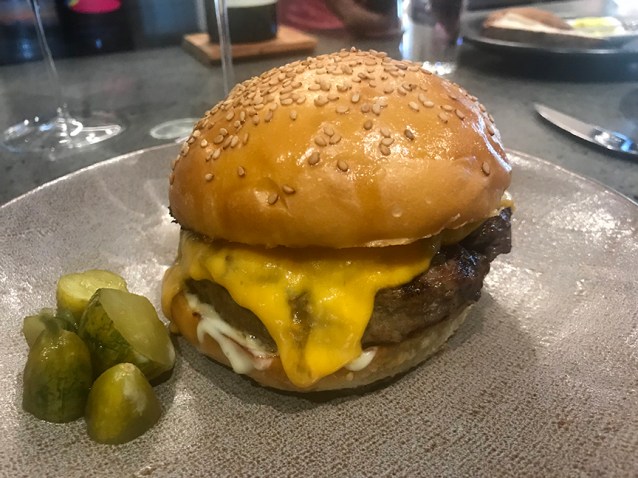 The delicious burger at Compline, the super cool newish wine bar in downtown Napa.
  The “hard press” Pinot Gris from Donkey & Goat, tasted yesterday at their wine club release party in Berkeley where they make their wines. Jared Brandt’s wines have always been great and we’ve always enjoyed drinking and sharing them. But man, he is on fire right now. His new Linda Vista Vineyard Chardonnay was one of my favorite wines from this trip.
  It’s hard to describe how cool Ordinaire natural wine bar in Oakland is. By the end of my night, I had made all kinds of new friends and tasted a ton of compelling wines. Isabelle Legeron just happened to stop by! I was completely starstruck. She is super cool. I loved this place. I hugged all of the sommeliers before I left. It was such an awesome experience.
  Just had to drink Gideon’s 2011 Texas Hill Vineyard Pinot Noir. What a wine and what a great coda to my trip.
 No trip to California is complete without a Double-Double. I am a native Californian, after all!
  Above: Granvel Block recently began working again on construction of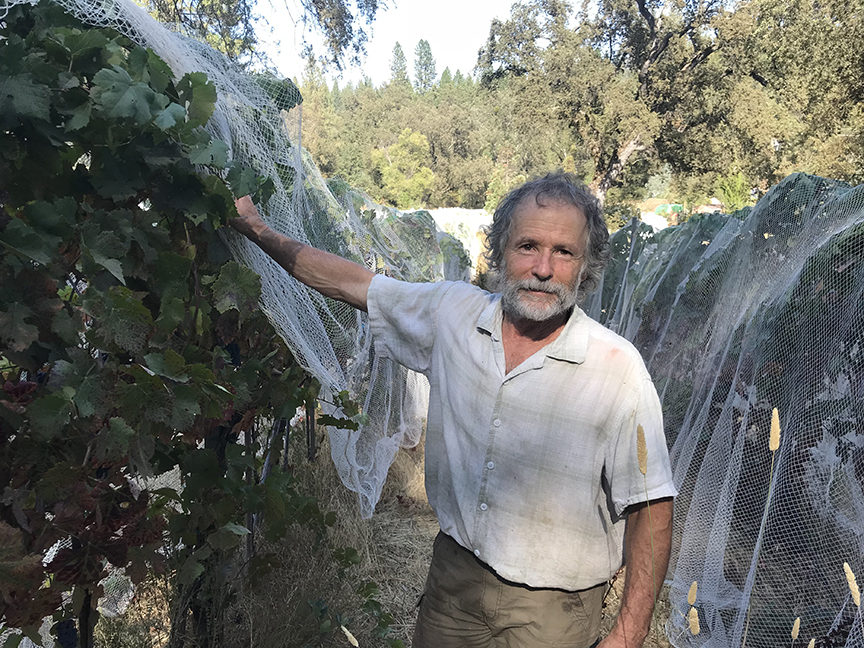







 Do Bianchi