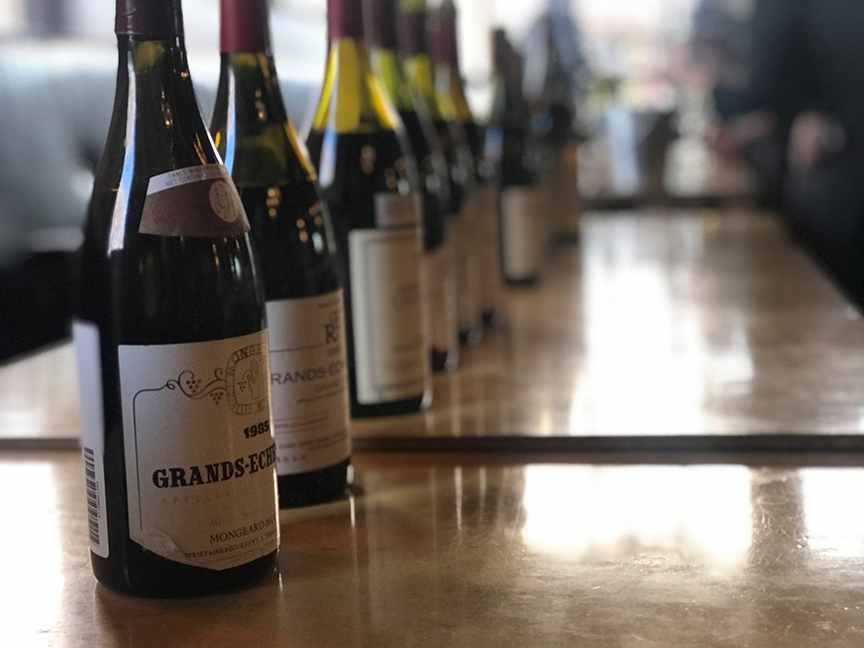
Snap your fingers and ship your wine to America! Sorry, Italian winemakers: I love you but it doesn’t work like that.

It’s begun again.

Two messages arrived in my inbox yesterday asking me to provide a list of potential American importers for the authors’ friends’ wines from Italy. One came from a friend of mine, the other from a friend of a friend of mine.

Before the 2020 lockdowns, I’d receive at least two messages like that per month. Sometimes more. They stopped for a while. But now that things are opening up again on both sides of the Atlantic, the missives — “help me find an importer for my clearly superior wine although I have no intention of paying you for your services nor would I even consider that given how good my wine is” — are beginning to appear again.

They are generally accompanied by a collateral message: “my wine is obviously so stinking good that American importers will undoubtedly be lining up and fighting for the opportunity to work with me despite the fact that I don’t speak English, have only ever visited New York and San Francisco on vacation, and have no idea how the U.S. wine market works or what market conditions are.”

Snap your fingers and ship your wine to New Jersey! Sorry, Italian winemakers. I love you but it doesn’t work like that.

The messages bring to mind a 1982 New York magazine article by legendary wine writer Alexis Bespaloff where he features three then relatively (at least in America) Italian winemakers: Gaja, Antinori, and Mastroberardino. They were all trying to break into the U.S. market at the time.
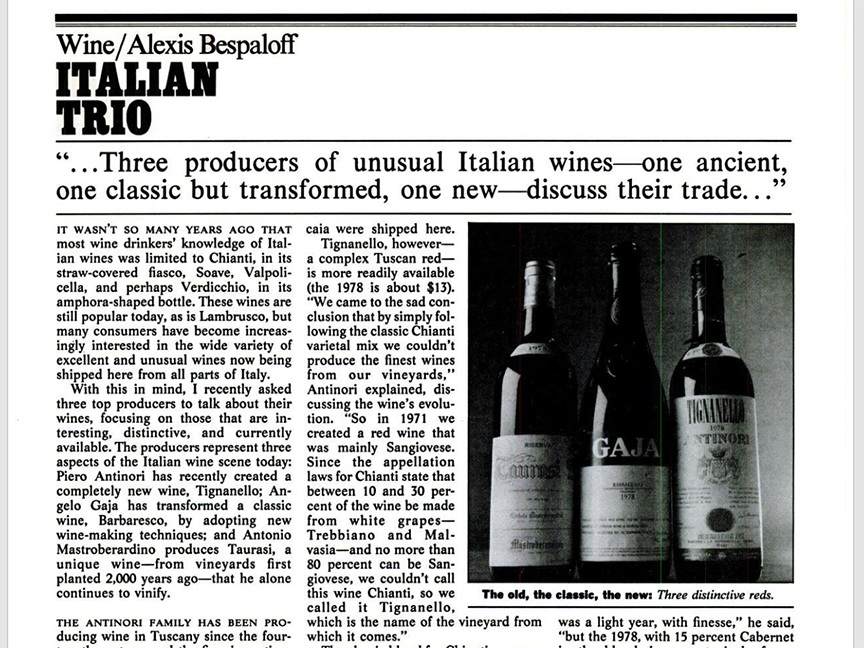
In the piece, Antinori explains to him why his family has abandoned traditional winemaking conventions: “‘We came to the sad conclusion that simply following the classic Chianti varietal mix, we couldn’t produce the finest wines from our vineyards,’ Antinori explained, discussing [Tignanello’s] evolution.'”

The first Super Tuscan — quite literally ante litteram — was born!

At the time, the 1978 “Tignanello… a complex Tuscan red,” wrote Bespaloff, was “readily available” and cost about “$13.” (!!!)

It’s incredible to think that these three winemakers (and I would add producers like Primo Franco and Maurizio Zanella to this early 1980s list) were hitting the streets and hawking wine. My friend Craig Camp, wine writer and now Oregon winery manager, remembers, for example, doing work-withs with Angelo Gaja when Craig was starting out in the wine trade as a sales rep.

What I’m getting at is this: these guys — titans of Italian wine today — were busting their asses to build their brands in the U.S. And history would prove them to be visionaries of their craft. Just think how much Tignanello costs today and show me the high-end steakhouse that doesn’t have it on its list. In 1982, it was an unknown wine that, as Antinori explains in the article, he created in the hope of opening up new market possibilities. Piero Antinori and today his daughters still come to the U.S. regularly (before the lockdowns, of course).

There couldn’t be a more challenging time for a small Italian winemaker to break into the U.S. market today. Massive consolidation of distribution channels, continuing supply chain and shipping disruptions, and shifts in consumers’ tastes and attitudes are making it difficult for single family-run estates to break into U.S. importing game.

Despite the herculean task that lies ahead of them, I always write back the same thing.

My advice is to spend as much time in the U.S. market as you can (even if your wines aren’t here yet). Try to make connections with young American wine professionals. That’s the key to building your brand here. Try to figure out whether or not your wines are relevant here. Think about how your brand fits into the American wine trade paradigm.

I can point to myriad Italian winemakers who have done just that. They cultivate the friendships and professional contacts that ultimately lead to success here.

Have you ever attended one of Angelo Gaja’s lectures where he talks about the countless scallop-and-lamb-chop dinners he’s attended in the U.S.? That’s called paying your dues, folks!

Yes, there are exceptions to this rule. Neither Bartolo or Maria Teresa Mascarello had any desire to come to America (she told me as much once when I complained to her about her asshole importer from Oklahoma). Yet their cultish brand is undeniably popular here. You could say the same about Quintarelli. But those are both examples of wines that had already become undeniable classics, icons of Italian winemaking before they even touched U.S. soil. Neither of them had any trouble selling all their wine each year and the U.S. represented and represents a means of expanding their profitability.

For most Italian winemakers trying to break into the U.S. market, you need to be here. Showing up is literally 50 percent of the equation.

Wines are like songs. Even if they are the best songs ever written, they will have no meaning or commercial viability until someone hears them. And getting people to hear them takes grit, determination, luck, and — I hate to say it but it needs to be said here — investment. I’m not a winemaker but I am a songwriter. I’ve written a ton of songs but the commercially successful tracks were the ones that happened at the right time and in the right place and with the right support. It was about being there: showing up and playing every gig my bandmates and I could until someone finally started paying attention.

To every Italian winemaker or friend of an Italian winemaker who’s hoping to make their wines a big hit in the U.S., please come see me in Houston. I’ll take you wine bar hopping and will introduce you to all the cool young sommeliers and wine buyers (I’m a wine buyer in Houston, too; I’m just not young!). The first round is on me — for real, I mean that. The rest is on you…

Images via Google Books.

Italy, here I come! Heading back to teach at the Slow Food University of Gastronomic Sciences in Piedmont.

The news is still sinking in.

It was just a few short weeks ago that it didn’t seem possible: quarantine requirements for vaccinated U.S. travelers have now been lifted and the Slow Food University of Gastronomic Sciences in Piedmont has just booked my flights for three weeks of seminars beginning mid-July.

After nearly 18 months since my last trip to my spiritual homeland — the country, people, and places that have shaped my academic and professional careers — I’m finally going back to Italy!

That’s a photo (above) of the university’s main campus in the village of Pollenzo, the site of a castle and former farm once owned by the Italian royal family. There is also an excavated Roman arena and settlement there. It’s pretty cool to check out.

As I have for the last five years, except for 2020, I’ll be teaching wine and food communication to students in the graduate program there. The overarching theme of my seminars this year is going to be “organic vs. optimized content,” a conundrum that seems to flummox so many young people who are trying to carve their paths in wine and food media today.

We’ll also be doing case studies about the Black Lives Matter and Me Too movements and their impact on food and wine writing (it’s incredible to think about all that’s happened over the last year and half!). We’ll also be doing an overview of wine and food writing history and we’ll take a look at how content creators became even more creative during the pandemic, making use of technology in unexpected and surprisingly useful ways that continue to affect how we talk about and perceive wine and food.

I hope to get to spend some time away from campus during my weekends. But I’ll be spending most of my time between Pollenzo where the teaching happens and the small, nearby city of Bra where I’ll be staying.

If you happen to be in Roero or Langa the last two weeks of July or the first week of August, please let me know and let’s taste! I’m super serious about that. There will be many servings of vitello tonnato that I need to share! Seriously, hit me up. That’s the vitello tonnato (below) at Local, Slow Food’s excellent shop and casual restaurant in downtown Bra.

Wish me luck, wish me speed!

Italy, my love, the alma mater that has nourished and inspired me for a lifetime, here I come… back.

The world’s first sommelier was a woman.

The goddess Hebe as portrayed by the 19th-century Franco-German painter Louis Fischer (image via Wikipedia Creative Commons). In paintings and sculptures from that era, she is often seen serving wine to her father Zeus, who appears in the form of an eagle.

Bacchus is the ancient figure that most point to when they speak of the “god of wine.”

But when we dig a little bit deeper, we find that the first deity associated with wine and — more significantly — wine service was Hebe, the daughter of Zeus and Hera.

I was reminded of Hebe when I was browsing recently through the “Barbarous Odes” of Giosuè Carducci, the 19th-century Italian poet and first Italian Nobel laureate.

(The odes were written in Italian using ancient Greek meter. That’s why Carducci ironically called them “barbarous”: they would sound outlandish or “foreign” to the ancient Greeks if they could hear them. Prosody in Carducci was a focus during my graduate student years.)

In his ode “Ideale” (“Ideal”), Hebe and the ambrosia she pours are an allegory for the revival of classical learning of his time.

Inspired by the image of the proto-sommelier, who poured wine for the gods, I have translated the first four stanzas here.

Happy Friday and happy reading!

Oh Hebe, wrap me in the aroma of ambrosia flowing from your cup and make me drunk with the ancient knowledge! Renew me in your soft glow!

*****

“Ideal”
an excerpt

As the serene aroma of ambrosia
Wraps itself around me, flowing from your cup,
Oh Hebe, with the gait of a goddess,
You glide by smiling all the while.

Neither the shadow of time nor the icy
Cures are what I feel on my head. I feel,
Oh Hebe, the serene Hellenic
Life flow through my veins.

And the ruined days, fallen from the slope
Of the sorrowful time, have arisen anew.
Oh Hebe, they are yearnful to
Be renewed in your soft glow.

And the new years gladly pull
My face out of the fog.
Oh Hebe, your rising, trembling,
Ruby splendor greets them!

A southeast Texas wine list that needs to be on your radar at Davis St. in Houston.

Last Friday, Tracie and I had our first big night on the H-Town since our 10-year anniversary celebration in January 2020. We were joined by some of our best friends in Houston: a couple we have known through wine since before the lockdowns began and another couple to whom we’ve become close through the weekly virtual dinners I led during the lockdowns. It was an incredible experience to sit down finally with them over a proper meal. That’s something, I believe, a lot of us are experiencing these days.

Not only was it wonderful to connect with great friends, old and new, over a long, relaxed, and decadent dinner. But it was also fantastic to explore the incredible menu and amazing wine program at Davis St. at Hermann Park on the edge of Houston’s museum district (which, I recently learned, is only surpassed in scope and breadth by New York City’s — no joke).

Chef Mark Holley’s menu is focused on seafood and Gulf Coast cookery with contemporary flourishes. The materia prima alone would be worth the price of admission. But it’s his creative approach to haute Louisiana cuisine that really takes it over the top. That’s the Thai-style Gulf red snapper in the image above. Nothing short of phenomenal.

But the biggest and even happier discovery was the excellent wine program there. We started out with a selection from an ample offering of Champagnes, headed to Burgundy for some Bourgogne Blanc and then to Willamette for some richer-style but still judiciously restrained Chardonnay. But the real showstopper was a 2008 Sagrantino by Antonelli. I was so stoked to find that wine on the list and it wowed all of us. For the last wine (there were six of us, after all!), I asked wine director Kevin Jackson to choose for us. He soon reappeared with a bottle of Elio Altare Langhe Nebbiolo (2018, if I’m not mistaken, the brio had eclipsed the note taking by that point!). The pairing with our seafood mains was spot on — Nebbiolo and classic Louisiana cooking. We loved and highly recommend it.

This is Americana cooking at its best imho. Come out to visit us in Houston and I’ll make us a reservation… And wine people, you need to get Kevin Jackson and his wine program on your radar.

In other news…

I’m in Southern California this week, working and visiting a best friend who’s facing some major health challenges right now.

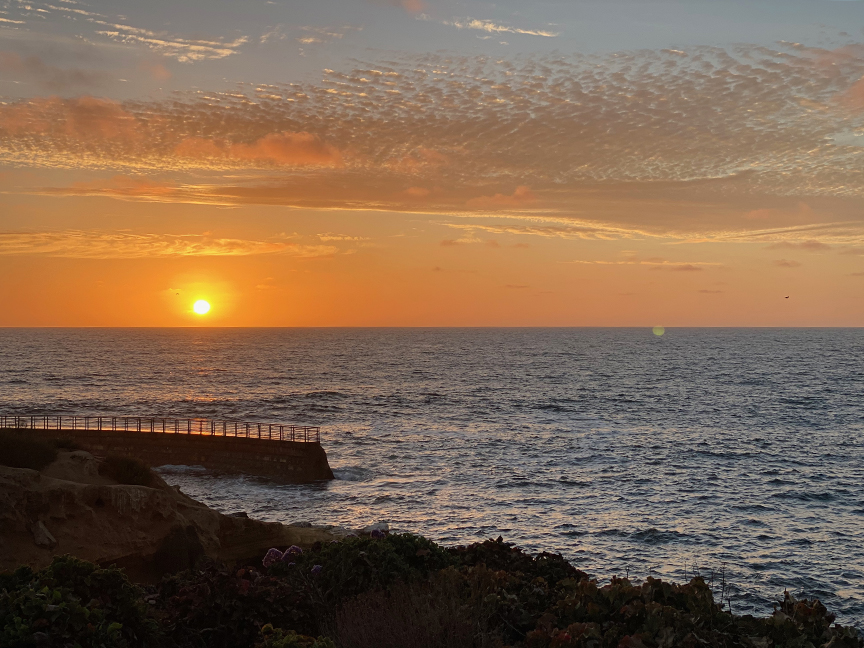
That’s a photo taken from the Las Flores Canyon vista point at Camp Pendleton yesterday.

Please say a prayer for my friend. They have a long road ahead. I know they’re going to make it. But it’s going to take all of our support for them to get there. They will. I know it, they will. But it’s not going to be easy.

Thanks for being here and thanks for the support and solidarity.

Dosaggio zero, pas dosé, brut nature: some of the wine world’s most misunderstood terms.

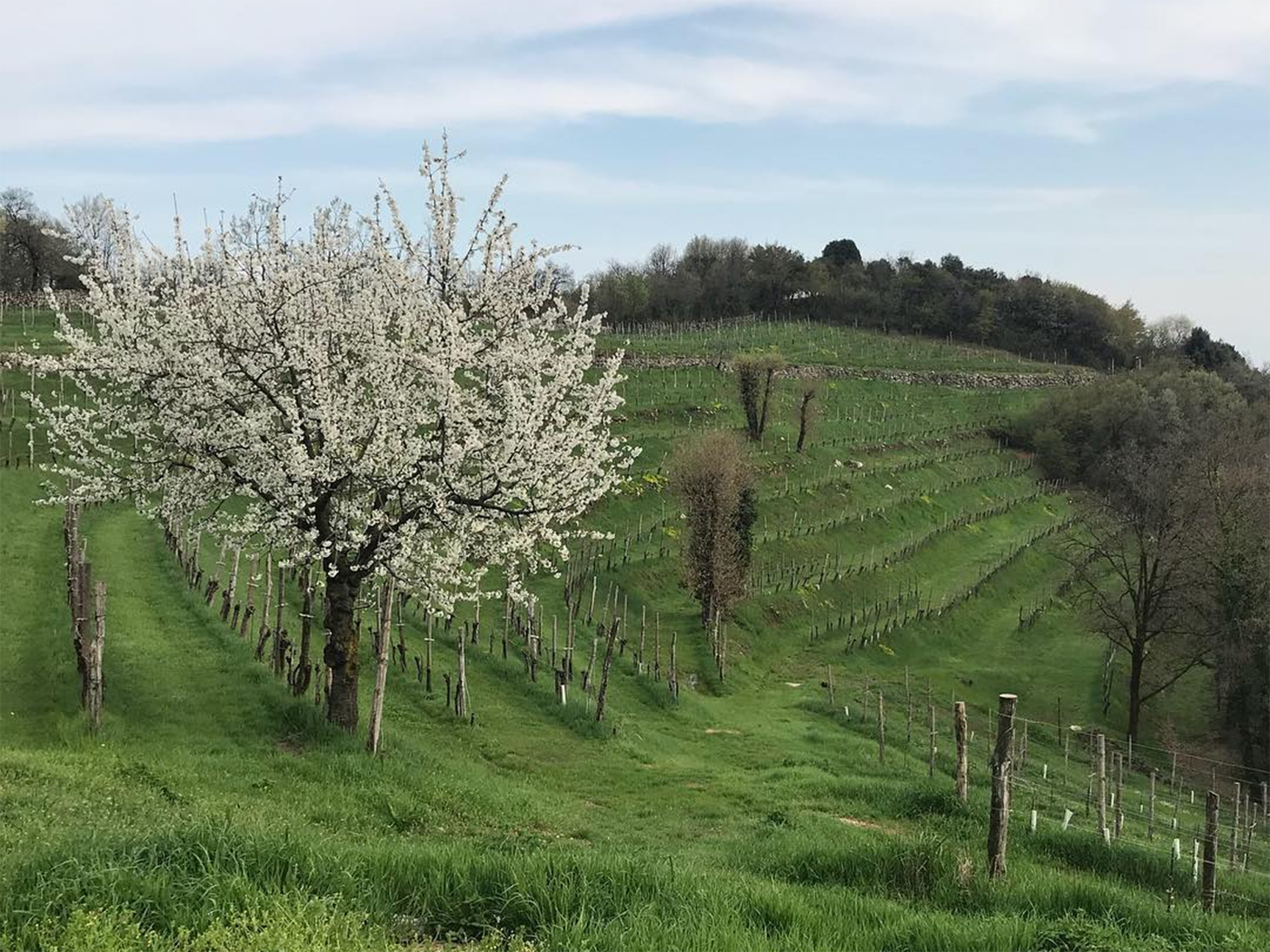
Above: the Montorfano (Mt. Orfano) vineyard where Arcari + Danesi grows Chardonnay for their Franciacorta Dosaggio Zero, a wine that they make using their “solo uva” (“just grapes”) method.

Despite the extreme quality, the immense value, and the uniqueness of the wines within the spectrum of sparkling viticulture, Franciacorta remains one of the fine wine world’s most misunderstood and improperly categorized wines.

Such malignment can be attributed in part, at least in my view, to how the wines have been marketed outside of Italy. In the 2010s, just as many young U.S. wine professionals were looking out for the soulful, family farmer-driven, and thoughtful wines of Italy’s new wave, the Franciacorta powers-that-be continued to pound the luxury/premium pavement. And pound they did until they pound their Franciacorta into the ground.

There is still a of confusion in the wine world about what the term dosaggio zero means.

That’s not to say that Franciacorta isn’t producing world-class wines: Ca’ del Bosco, Bellavista (and family), Ricci Curbastro, Barone Pizzini, and Monte Rosso among other iconic brands continue to ship great wines to North America. But young people can’t afford and have little interest in drinking them.

(I owe all of the above a thanks for the two years I served as the consortium ambassador in the U.S.)

That disconnect has been breached over the last decade or so by just a handful of small-scale producers who grow their own grapes and age their wines themselves.

One of those winemakers is Arcari + Danesi, led by my close friends Giovanni Arcari and Nico Danesi. Depending on the generosity of the vintage, they make about 22,000 bottles of their Franciacorta Dosaggio Zero each year.

The wine is produced using mostly Chardonnay grapes that they grow in their terraced vineyard atop Montorfano (Mt. Orfano), one of the highest growing sites in the appellation. The soils are compact and morainic in nature, meaning they are composed of small stones (about 10 centimeters wide, give or take) with a robust presence of iron.

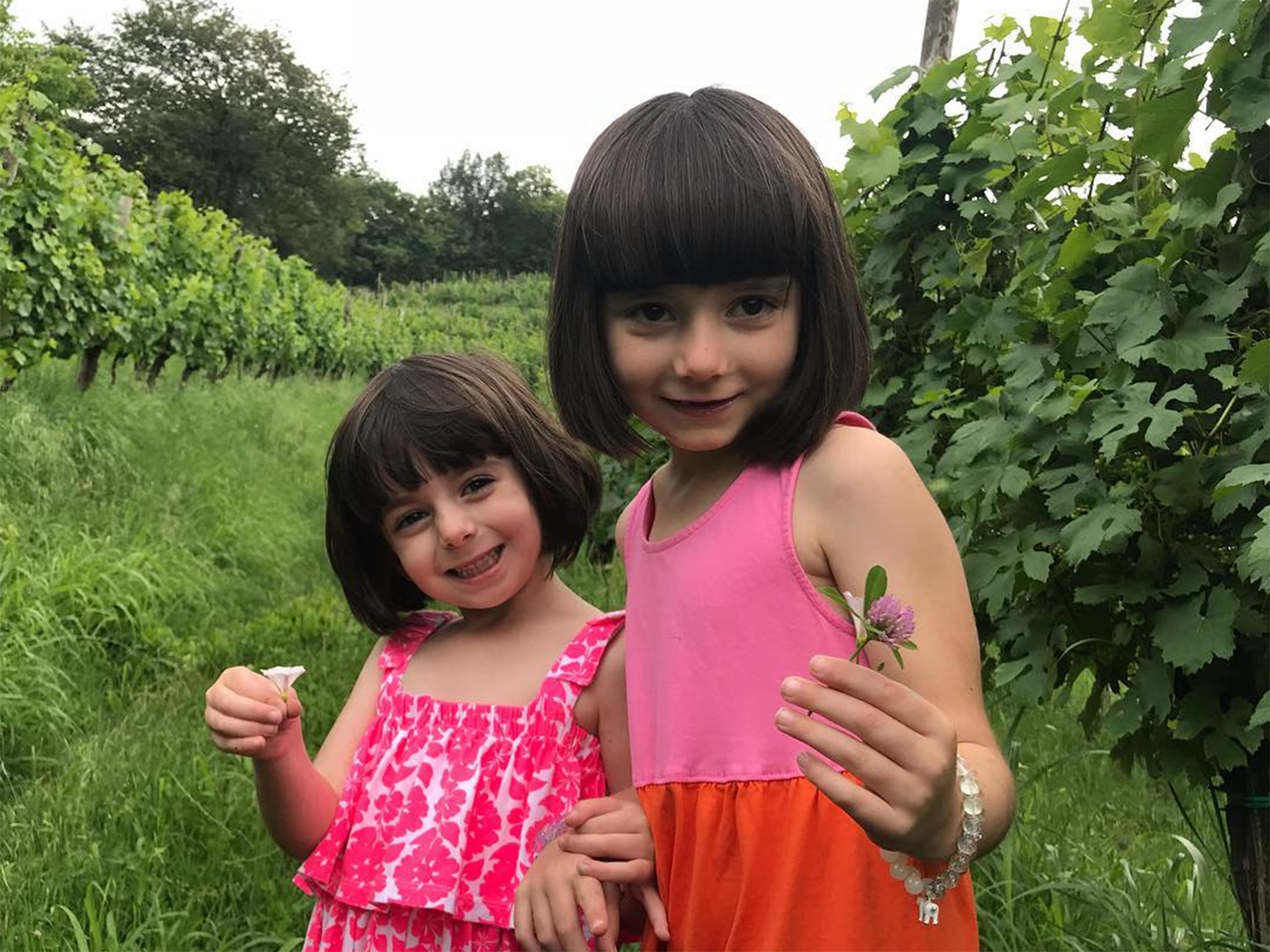
Tracie, the girls, and I visited Giovanni and Nico’s vineyard in 2018. As Tracie would say, if I were a grape, I would want to grow there.

But they also add a small amount of Pinot Bianco (Pinot Blanc) to this wine. Chardonnay is the hegemonic variety of Franciacorta and many producers have shied away from fickle Pinot Blanc, choosing instead to make 100 percent Chardonnay wines. But Giovanni and Nico still value the gentle aromatic character the grape imparts to the wine, giving it a “lift” (as the young sommeliers say) that many others lack.

The wine is a dosaggio zero, otherwise known in wine parlance as pas dosé or brut nature. Some believe that this designation means that no sweetener is added to the wine. What it really means is that no sweetener is added before bottling and that the total residual sugar in the bottled wine is less than 3 grams per liter. But even when no dosage (sweetener) is added at the end of vinification (a common practice in Champagne and beyond), a sweetener is still used. It’s essential to the process.

Like all producers of classic method (Champagne method) sparkling wine — from Champagne to Napa and beyond — Giovanni and Nico use a sweetener to provoke the wine’s second fermentation in bottle — the tirage (French) or tiraggio (Italian). (The classic recipe used in Champagne calls for 24 grams of sugar — yes, 24 grams! — per liter.) But unlike the overwhelming majority of classic method producers, they don’t use a sweetener made from cane or beet sugar. Instead, they use reserved grape must from the same vineyard where the Chardonnay is grown. In other words, when they harvest the fruit, they set aside and freeze some of the grape must (newly pressed juice) and freeze it until they are ready to provoke the wine’s second fermentation. They call their tirage protocol the “solo uva” or “just grapes” method.

I can’t wait to get back to Italy next month to teach in Piedmont at Slow Food U. But the first stop will be Mt. Orfano! That’s me and Lila Jane at Arcari + Danesi in 2018.

The winemakers believe that by using reserved grape must instead of refined cane or beet sugar, they can avoid the oxidative character that you find in wines from certain Champagne and Franciacorta houses. You know that wonderful “yeasty,” “brioche” aroma you get in Bollinger (our favorite Champagne, btw)? Giovanni and Nico will tell you that it’s created by the oxidated sugar in the wine.

I’ve done countless tastings with them where we compared their pre-solo uva method wines with their current style. And we’ve even added famous Champagne houses to the flights when comparing the wines. Over and over again, you get a freshness in the solo uva wines that you don’t find in traditional Champagne and other classic method wines.

That’s not to say that one is better than the other. I love them both and no one is taking away our beloved Bollinger! (I even once wrote and recorded a song about Bollinger.) But I do find myself more readily reaching for Arcari + Danesi wines when I’m sitting down to dinner. Bollinger is reserved especially for pairings with caviar, oysters, risotto alla parmigiana, and even potato chips — extra salty foods that work well with that style of wine. Arcari + Danesi is a wine we drink throughout dinner, including pairings with a wide variety of flavors and textures.

As an Algerian critical theorist once said, vive la différance!

Houstonians, if you want to taste this wine, it’s now on our wine list at Roma in Rice Village where I became the wine director earlier this month. And Californians, the wine is coming to my Do Bianchi wholesale/retail program next month. Hit me up! Thanks for checking it out.

Natural wine curious? Taste with Alice Feiring & me this Thursday (virtual event at Roma).

I couldn’t be more thrilled to share the news that Alice Feiring, the world’s leading advocate for and expert on natural wines, will be joining our weekly virtual wine dinner at Roma in Houston where I manage the wine program.

The cost is $119 per couple and sends you home with three bottles of wine and a vegetarian menu that outgoing chef Angelo Cuppone has created especially for the dinner. Click here for details and menu.

Alice started a bona fide revolution when she published her first book, The Battle for Wine and Love: How I Saved the World from Parkerization, in 2008. Since that time, she has published a number of titles devoted to natural wine, not to mention her many Times pieces — including her wonderful “Modern Love” columns — and bylines for leading mastheads like The World of Fine Wine and others.

Alice is also one of my best friends in the wine trade, a mentor and a role model for my own career. I’m super geeked to be hosting her for this event and there’s no doubt in my mind that it will be one to remember!

Houston wine people, I hope you can join for this one. Thanks for the support. From the natural wine curious to the natural wine veterans, this is one not to miss.

Dolomite sunrise, a prayer for a friend…

La Jolla, Tuesday, June 8, 2021.

How many sunsets have we watched together over that same horizon?
How many berakoth have we parsed before we reached 13?
How many gigs have we spun, you on skins, me on strings?
How many repasts in confraternity, how many 750s in convivium?
How many nights in Chandler’s America and Shakespeare’s Italy?
How many sunrises have we watched together over that same horizon?

Do you remember the 3 a.m. panino dunked in the Belluno périphérique?
Do you remember the 11 a.m. glass offered by the Alpini?
Do you remember the collation we shared in the Carson jail?
Do you remember the heifer we carved under the W-burg bridge?
Do you remember the Moscato d’Astis, the Brunellos, the grappas?
Do you remember the Dolomite sunrise we watched in Agordo?

From the edge of the sea to the foot of the mountain,
From the depths of desolation to the peak of our delight,
I remember them all — each and every one.  

“The allocation game is out of control.” Opinion by Brett Zimmerman, Boulder Burgundy Festival founder.

“The social challenges of the last 24 months have prompted many in the greater wine community to advocate for more inclusion and equity in our industry. But with prices like this, some purveyors of fine wine seem to be moving in exactly the opposite direction.”

Please read “the allocation game is out of control,” a post by my friend and client Brett Zimmerman.

The best Italian party last night at Eataly Dallas.

Above: My seminar yesterday on Pecorino Toscano at Eataly, Dallas. That’s the Italy-America Chamber of Commerce director, Alessia Paolicchi, left, addressing our group at the market and restaurant’s first in-person “Scuola” event since early 2020.

Nearly all shared my sentiment that we were attending a truly extraordinary event yesterday evening at Eataly in Dallas.

After a small group of food writers and enthusiasts joined a Prosciutto di Parma and Pecorino Toscano seminar in the venue’s first in-person “Scuola” (cooking school) event since the lockdowns began early last year, we all headed up stairs to Terra restaurant where we were joined by roughly 100 of the city’s leading Italian and Italophile citizens. It was a genuine who’s-who of the culinary community there, including Italian chefs, entrepreneurs, locally based writers and influencers, and food and wine trade members.

Chefs Alfio Longo and Andrea Rodella, both Dallas-based Italians, were joined by Terra’s executive chef Michael Lawson for what was surely the most sumptuous meal any of us had enjoyed in public for more than a year. They did a truly bang up job.

I have to give the warmest shout-out to the staff at Eataly Dallas for their professionalism, verve, and dedication in presenting a fantastic dinner for such a large group. I certainly wasn’t the only one who noted how remarkable it was to be at such a great event — with such a wonderful crowd — after such a long time.

And dulcis in fundo, as I was window shopping on the floor of the retail space, I ran into one of my ex-students from the Slow Food University of Gastronomic Sciences grad program (I hope to be heading back there soon, btw). It was such a treat for me to catch up with him and learn that he’s thriving in the world of Italian food and wine.

I couldn’t have been more thrilled to be part of Eataly’s first in-person gatherings. And I couldn’t be more proud to have presented the seminar and dinner alongside some of our state’s top Italian food and wine-focused professionals. Great job, guys, all around!

My new wine director gig in Houston! Taste with me at Roma, Weds. June 2 (free tasting).

One of the most remarkable experiences of my career in wine took shape during the 2020 lockdowns. For more than 52 weeks, with just a few breaks, I led virtual wine dinners every Thursday night for Roma restaurant in Houston. Those events were what kept the restaurant financially afloat — and what kept food on all of our tables — during the seemingly unending challenges of the pandemic.

But something else happened as well, something truly magical. Through these digital gatherings on Zoom, we created a community of Italian food and wine lovers who found comfort in our shared culinary passion as the world outside seemed to be falling apart — literally. By the summer of 2020, we regularly had 80-90 guests attending virtually each week. The friendship and culinary camaraderie we shared was something that I’ll never ever forget. It showed, once again, how food and wine can transcend their roles as nutritional and aesthetic pleasures.

When the lockdowns began in March 2020, I had worked as a media manager for Roma for more than two years, running the restaurant’s website and social media. But the restaurant’s founder, my good friend and Houston restaurant veteran Shanon Scott, had never even considered me working on the wine list with him. His thought was, if it ain’t broke, don’t fix it. But then, after he had watched me lead more than 50 or so of these events, which also included an Italian winemaker joining us from Italy at 2:30 in the morning, I approached Shanon about me helping out with the program. By May of this year, we had agreed that I would become the restaurant’s wine director as of June 1.

On Tuesday of last week, we debuted our new list and program. And by Saturday night, there was a bottle of wine on every table — something that had never happened before at Roma. Our goal is to make the restaurant the leading Texas destination for Italian wine by 2021’s end.

Tomorrow night, I’ll be hosting a free (yes, free!) Amarone tasting at the restaurant at 6 p.m. (Wednesday, June 20). And then I’ll be pouring and chatting tableside with guests throughout the night. Please join me!

Just shoot me an email at jeremy [at] romahouston.com if you’d like to attend the event. Thank you for your support. I hope to see you tomorrow or at one of the many wine tastings and dinners — in-person and virtual — that we have planned for coming months.