
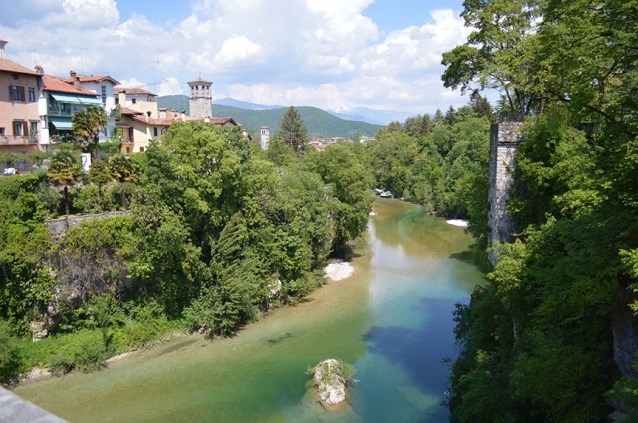
 Above: “chiare, fresche, e dolci acque” (“clear, cool, and fresh waters”). Does anyone remember the famous song by my beloved Petrarch? For those who don’t, it’s canzone 126. The view of the Natisone River, above, from the Ponte del Diavolo in Cividale del Friuli, reminded me of the poem when I visited a few weeks ago.
Five years ago, when we held our first staff training at Sotto before the restaurant opened, the team looked at me like I was crazy.
How on earth were we going to sell wines made from grapes like Aglianico, Falanghina, Gaglioppo, Pallagrello, and Tintilia when our prospective guests had probably never even heard of them let alone knew how to pronounce them?
I’ve known owner and executive chef Steven Samson since we spent our UC junior year abroad together in Italy back in 1987-88. He had asked me to create an all southern Italian wine list. I loved the challenge and I knew that southern Italian wine — from white to red and every color in between — offered all the goods we needed to deliver a world-class carta dei vini. I also knew that it was going to be an uphill battle to introduce Angelenos to a whole new world of wine and to overcome the stereotypes of the “north vs. south” culture war in Italian enogastronomy.
But Californians’ insatiable thirst for the unusual and exotic and their adventurous spirit in wine exploration swiftly brushed aside any prejudices our guests may have harbored. It didn’t take long before the Los Angeles Times called our list one of the “most interesting” and LA Magazine named it a one of the “best Italian wine lists” in the city.
Five years later, mission accomplished. Today, guests regularly order Gaglioppo and Aglianico with unrivaled linguistic mastery (pun intended).
As the next chapter in the history of Sotto’s wine program unfolds, we’ve decided to shift our focus beyond southern Italy to other “undiscovered” regions of Italian viticulture: Friuli in northeasternmost Italy and Liguria on the Italian riviera. Although few in America know the wines (yet!), we believe these regions produce some of the best still white wines and most compelling seafood-friendly reds in the world. They’re perfect for chef Steve’s evolving seafood menu as it will follow the seasons through summer.
I hope you can join me and Sotto’s sommelier Christine Veys on May 25 for a tasting of five of the new wines we are debuting this month at Sotto.
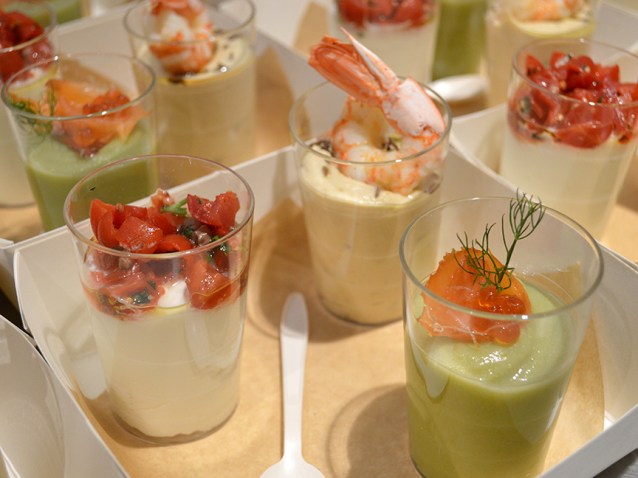
Chef Steve will be serving light bites as well.
 In Venetian, they call it a bacaro (pronounced BAH-kah-roh, with the tonic syllable in the first position).
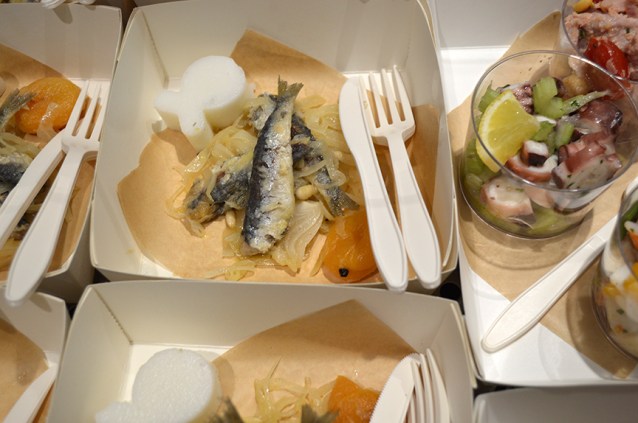 I was so enthralled with the food the night we visited that I forgot to take pictures of the space itself.
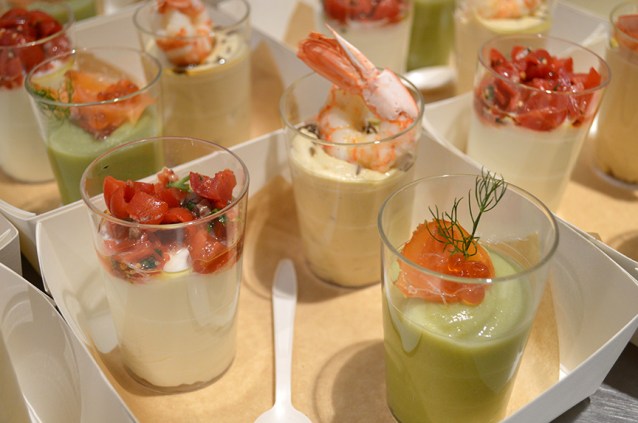 The fact that it’s set on the edge of the picturesque Venetian fish market only sweetens the salty deal.
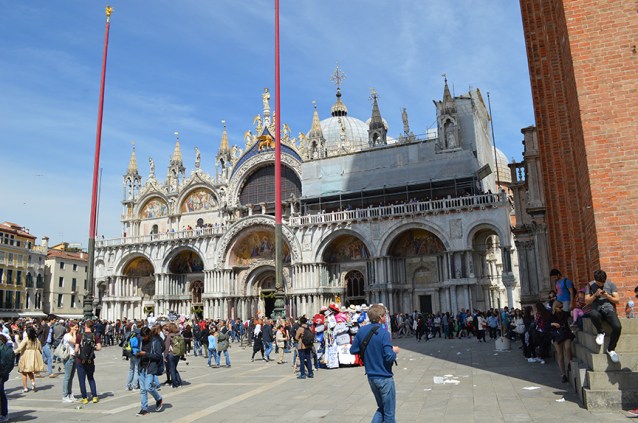 Venice is a tough town for hungry and thirsty food and wine tourists. It’s the ultimate tourist trap, especially when it comes to the dining scene.
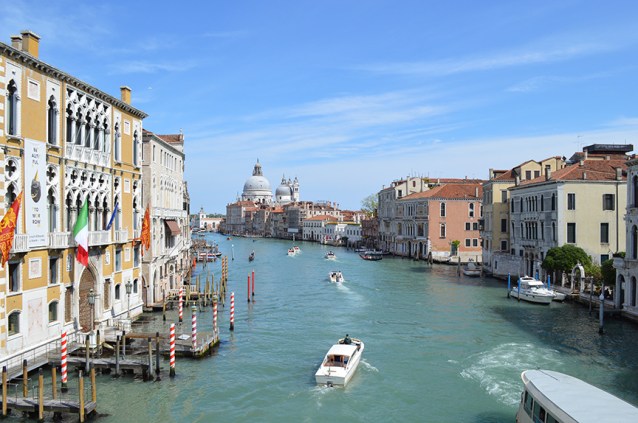 The only way to get great treatment in Venice is to speak Italian with a Veneto accent (which, fortunately, is how I speak Italian). I hate to say it but it’s true. And I write this as a lover of Venice and the Veneto who spent many days studying in Venice (mostly at the Marciana library) and many evenings playing music there back when I was a grad student in Italy.
 The recently opened
  Another place I highly recommend to you is
 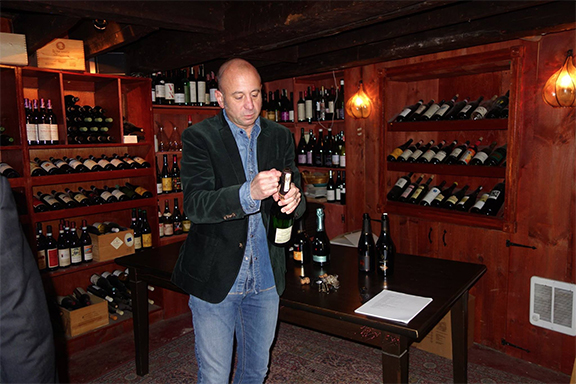 Here are some events that I’m going to be attending or where I’m going to be pouring and speaking about wine in coming weeks. Please join me if you can!
 Above: grapes harvested in August 2015 at Ca’ del Bosco, another one of Franciacorta’s “big three” and another winery experimenting with organic farming practices.
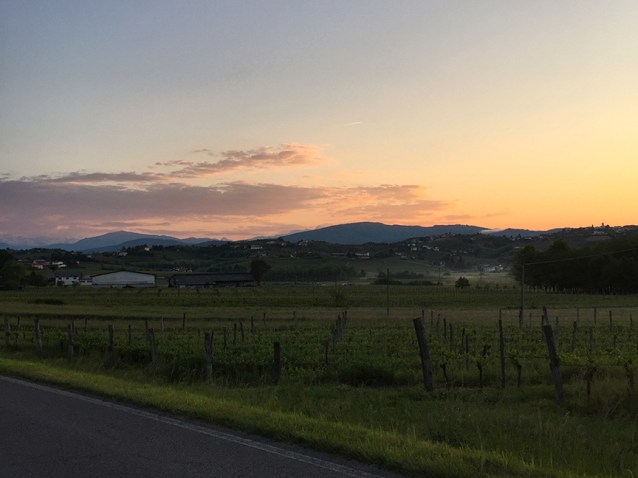 The sun rose over Slovenia’s Brda hills yesterday morning as I enjoyed a daybreak walk on the Italian side of the border before heading back to Texas (check out the video below and be sure to turn up the volume to hear the sound of the day’s first church bells in the distance).
 My good friend Adam Japko’s Design and Wine Tour officially came to an end yesterday (although many from the group, including me, are staying on for a couple of days for tasting and touring in Friuli).
 But the thing that impressed me the most was the professionalism of the sommelier who waited on us yesterday.
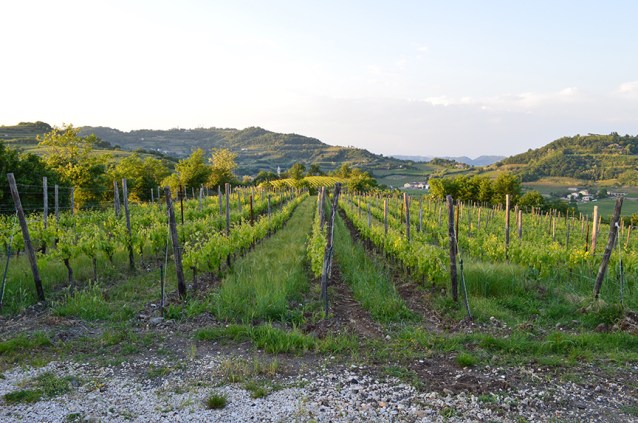 Not much time to post this morning as I try to catch up with work before heading out for the last day of our Design and Wine Tour.
 It’s with no small amount of urgency that I’m posting today because it was only yesterday that I learned that Italy now requires that U.S. passports be valid for at least six months beyond your planned date of departure from the
  Above: dinner last night at
  Above: and in the midst of it all, I got to have “do bianchi,” two white wines, with my good friend
