From the department of “Gramsci’s ashes”…
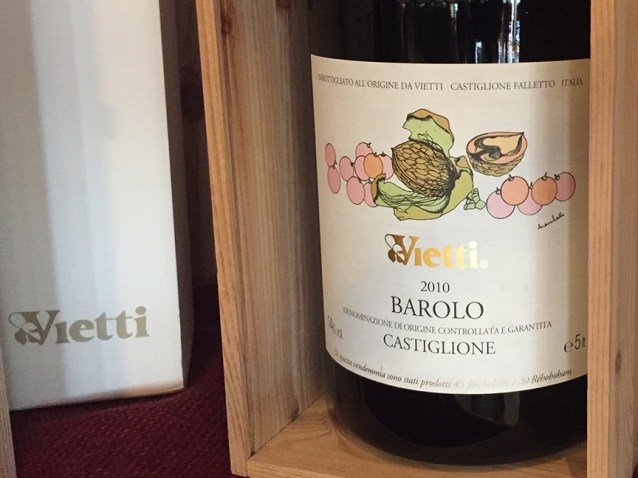 Above: a large format bottle of Vietti Barolo, proudly displayed in the lobby of the hotel where Tracie P and I were staying in Alba down the road from Barolo village last week.
“We made this monster.”
Those were the words of a legacy Barolo producer last week when the subject of the Vietti sale came up in conversation at dinner.
The winemaker wasn’t deriding Vietti or its new American owner. Nor was this a Jeremiad on the high prices of land and vineyards in the appellation.
It was a simple statement of fact. The immense popularity of Barolo among collectors today, said the grape grower, has caused land prices to increase so drastically that even legacy families can no longer afford to expand their holdings.
“I can sell my vineyards,” said the vigniaolo, “but I can no longer afford to buy new vineyards.”
How not to make an analogy with the גולם (goylem) of Jewish mythology? Created to protect the Jews of Prague, the goylem was a monster who could no longer be controlled by them once the threat had been overcome.
While we were in Barolo last week for the Collisioni festival, it was only natural that everyone was talking about the sale of Vietti to an American buyer Kyle Krause (owner of Kum and Go) and its implications.
I haven’t been surprised by the reactions of my Italian counterparts and peers — writers and trade observers who lean toward traditional-style Barolo and champion its cultural signficance. As I noted in a post last week, many (and most, really) see the acquisition as a “dark day for Barolo.”
But in speaking to top growers and bottlers in situ like the one above, I was impressed by their embrace of the sale as the natural outgrowth of their appellation.
I also learned that for the most part (although not universally), they have have great respect and affection for Mr. Krause.
He and his wife have been coming to Barolo for years, they told me. And for years, he has dutifully paid visits and homage to the Barolo greats. Although some are disdainful of the sale, none had a bad word for him — not one.
Since I posted my note on the sale last week, I’ve also been struck by the reaction of many leading American wine professionals.
As one industry veteran put it, my voice is part of “a chorus of American histrionics regarding foreign investment in Vietti.”
While in Barolo, one of the most prominent Italian wine buyers in the U.S. (and a good friend) gently chastised me. What’s wrong, he asked me, with the Vietti winery using American investment to expand their vineyards and grow their business?
He’s wholly right: the families behind the Vietti brand have every right and prerogative to engage in one of the tenets of the American brand of capitalism. He is 100 percent right in this. I cannot underline that enough.
But then I think of the sale of legacy Chianti producer Ricasoli to the Seagram group in the 1970s. We all know how that ended…
Just today, my friend and client Stefano Cinelli Colombini published a post about the day that Banfi came knocking at Fattoria dei Barbi in 1969. The Mariani brothers weren’t coming to buy but to license. And ultimately they came to buy.
“Love it or hate it… was it better for Brunello [this way]?” asks Stefano. “Who can say?” (The post is really worth checking out; Italian wine trade observers will be surprised by Stefano’s anecdote, I’m sure.)
Without a doubt, I see the logic and wisdom of capitalist spirit here, although I don’t share it.
I also see a Marxist parable in play whereby the boom becomes unsustainable by those who created “the monster.”
The Kum and Go family’s purchase in Barolo isn’t the first example of foreign investment there nor will it be the last.
One of the best expressions of Nebbiolo I tasted last week was made by a Barolo native who works for a Czech-owned winery: a historic estate that has been reinvigorated by foreign investment.
And I was told that Asian investment in Barolo is also growing.
The power and strength of the capitalist march are unstoppable. It was inevitable that Barolo, like Burgundy and Bordeaux and Brunello before it, would succumb to the capitalist model.
But there’s no question that a little piece of Barolo died last week for the sake of progress. And there’s no question — at least in my mind — that Baldo Cappellano was right when he told us: the battles you know you won’t win are the ones you need to fight the hardest for…

 I had read about Jaime De Leon and his ambitious wine program at a Kroger supermarket in Houston’s Heights neighborhood. But it wasn’t until I walked into the wine section there the other day that I could wrap my mind around what Jaime, who goes by James, has achieved.
 Reader John Roenigk of the Austin Wine Merchant writes:
 Happy birthday, Lila Jane, sweet, sweet girl!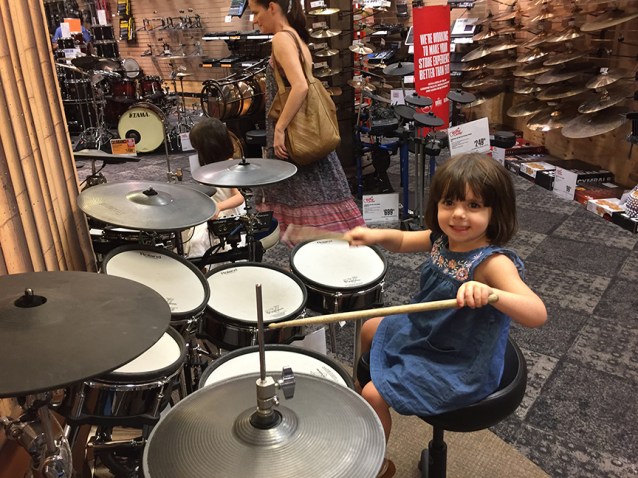
 It seems like
  Tracie P and I were blown away — BLOWN AWAY — by the superb flight of wines that we tasted yesterday at the Collisioni festival’s Roero event.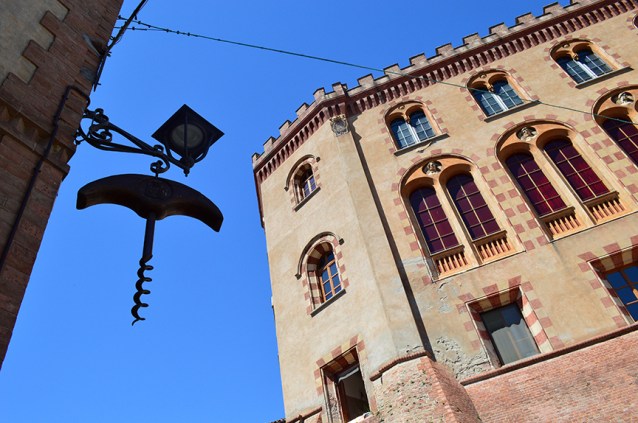
 I didn’t get to catch all of
  Above: Nebbiolo grapes in Cannubi, one of Barolo’s most famous crus.
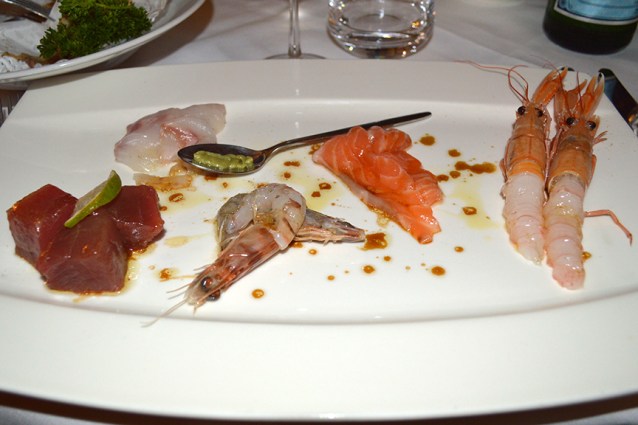 It felt like I was back in my university days in Italy except that the food and wine were a lot better.
 Do Bianchi