
 As I prepare my notes for the traditional balsamic vinegar seminar and tasting I’m leading on Monday at the Taste of Italy/Slow Wine fair in Houston, I rang up my good friend Silvia Rossi from Acetaia Guerzoni in Modena province this morning.
In the 1970s it became the first ABTM — aceto balsamico tradizionale di Modena — producer to farm its grapes organically and then biodynamically. How friggin’ cool is that?
Silvia is a great friend and she’s one of my go-to experts in the field: I wanted to dot my i’s and cross my t’s before our event on Monday (registration is still open for the Taste of Italy/Slow Wine Grand Tasting and there are still a few spots available for our balsamic seminar as well).
Did you know that most ABTM producers use five types of wood for their Solera aging of the vinegars?
At Guerzoni they actually use seven kinds: cherry, acacia, mulberry, ash, oak, chestnut, and juniper. Silvia shared the image above where you can see the cycles of the planets and sun that they use to determine when they rack the vinegars and transfer them to a new cask (in accordance with biodynamic precepts). Super cool, if you ask me.
Sadly, “balsamic vinegar” is one of the most misunderstood and abused categories in the world of food and wine today.
Did you know that the overwhelming majority of “balsamic vinegars” that you buy at the store (even high-end gourmet shops) is actually wine vinegar that’s been colored with a small amount of genuine balsamic vinegar? In some cases, caramel is used to color the wine vinegar. It’s a complete sham if you ask me. And btw, even in Italy colored wine vinegars are commonly sold and served as aceto balsamico.
I’m super psyched for Monday’s seminar and I hope you join me: Houston-based chef Danny Trace is doing the balsamic-inspired dishes that he’ll serve topped with the sticky icky gooey groovy delicious stuff.
A Freilichen Purim, everyone! Happy Purim! Chag sameach!
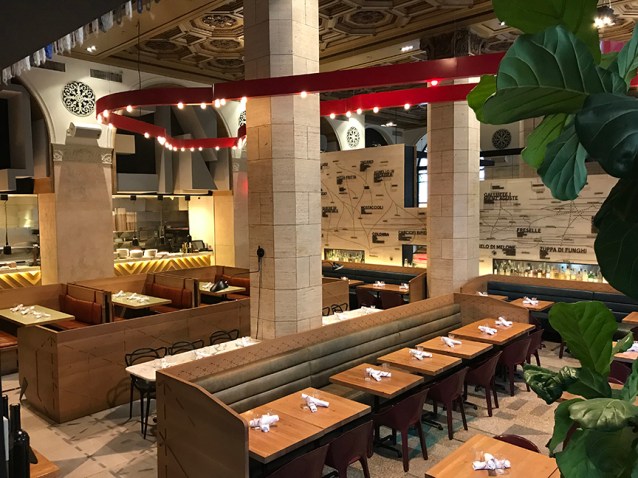 This week found me in LA where I checked in on the wine lists I author and co-author at Sotto and Rossoblu. I also spent some time this week eating out around town to catch up with what has shaped up to be a genuine Italian culinary renaissance here.
 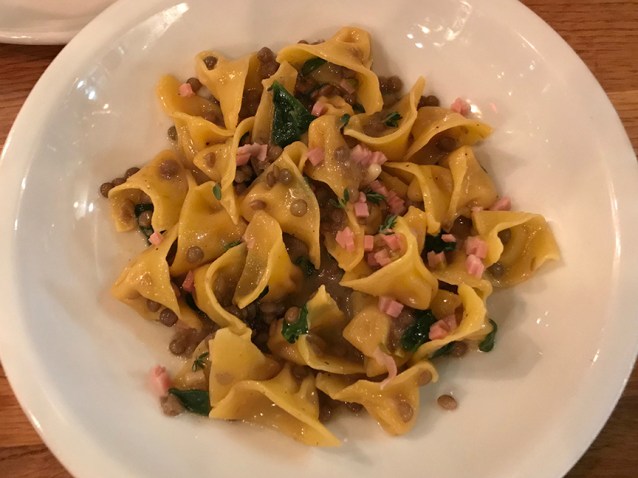 Bestia was completely packed on Monday night. The Monday after Thanksgiving! I had to pull a restaurant connection string to get a table but man, was it worth it.
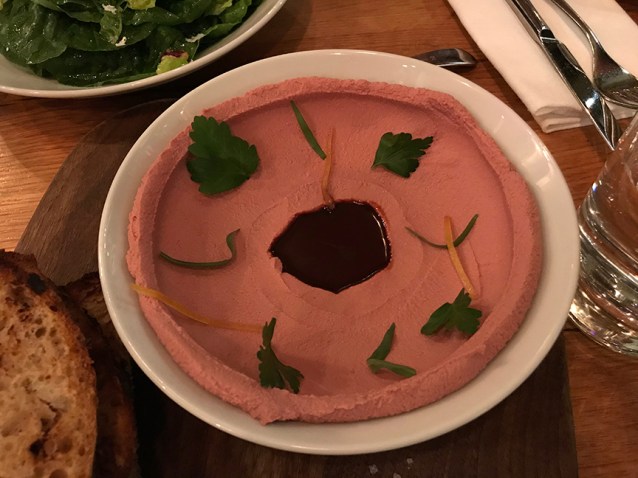 But as much as I loved Bestia and as much as I love the two restaurants I consult with here, the all-time king of Italian cuisine in Los Angeles will always and forever be Gino Angelini, owner and chef at the eponymous Angelini Osteria.
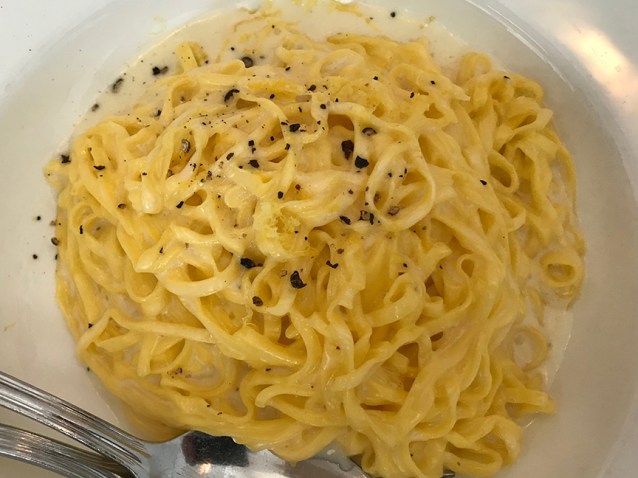
 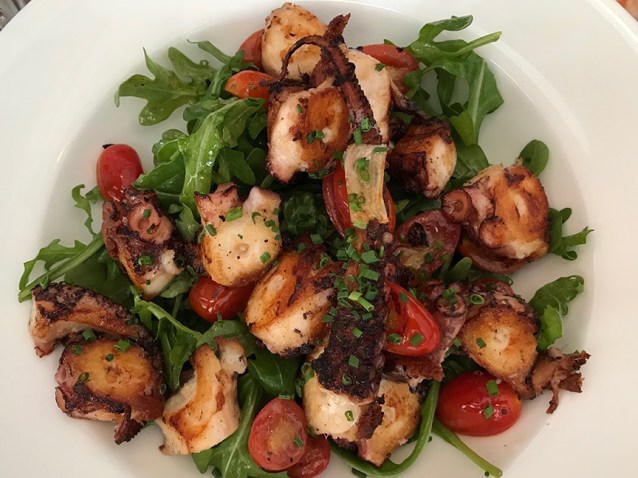 The legendary tagliolini al limone (below).
 The pappardelle with duck ragù (below) were also fantastic.
 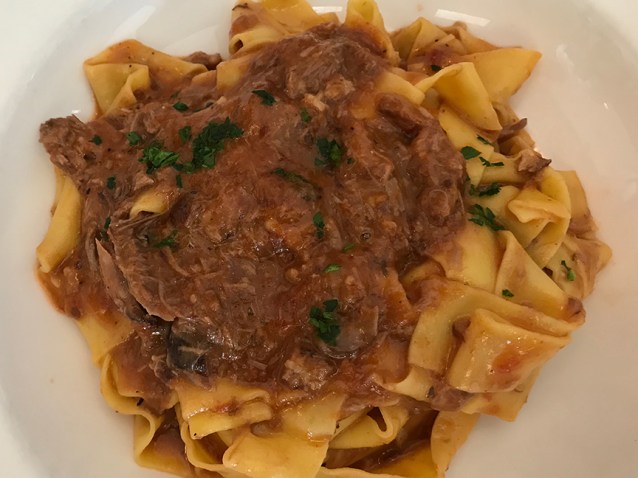 Wow, Gino, as always, ubi major minor cessat. I really love and have always loved your cooking. It was great to be back. Thanks for taking such good care of us (and thanks Anthony for treating!).
 Last night, I had the immensely good fortune of being a guest in the home of professor
  For the wine pairing, he told us, you need a white with enough body to stand up to the saltiness and fattiness of the dish. He highly approved of Michele’s Van Volxem 2011 Saar Riesling (above).
 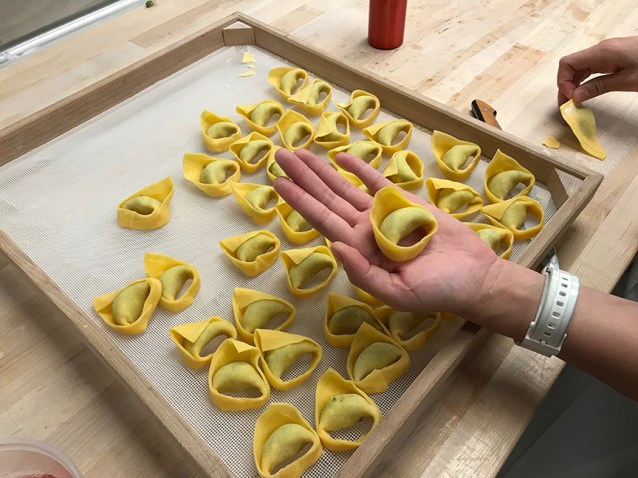 “The tortelloni, stuffed with the traditional mixture of ricotta and chard,” wrote LA Times food critic in his review of Rossoblu, “could illustrate the concept of Italian dumplings in a textbook.” I took the above photo last week when I was at the restaurant to lead a vertical tasting of Nebbiolo stretching back to 1996.
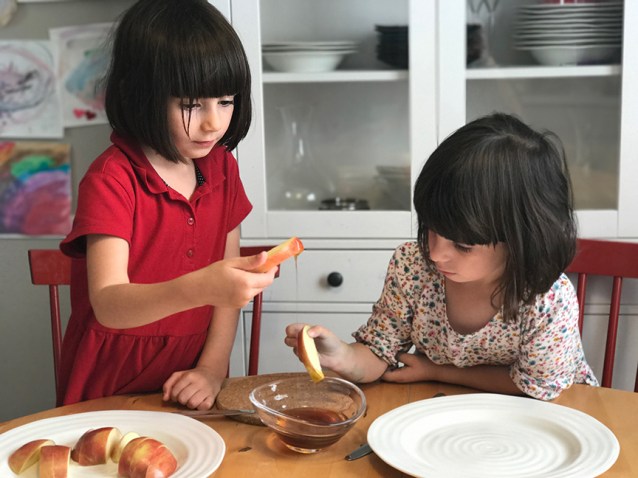 On Rosh Hashanah, the Jewish new year,
  Last night, thanks to cousins Dana and Neil (who graciously treated us to dinner), Tracie P and I finally made it over to Chef Hugo Ortega’s new(ish) restaurant in downtown Houston,
  Infladita de Conejo — rabbit, black tortilla, raisins, almonds, tomato, and refried beans.
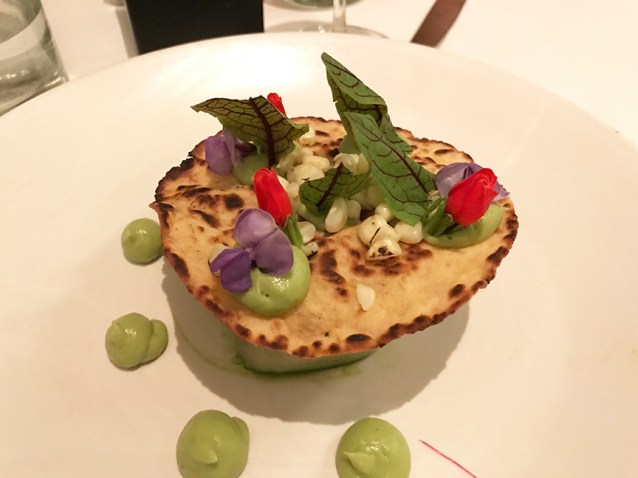 Robalo (sea bass crudo) — aguachile verde (green chile water), cilantro, parsley, lime, orange, avocado, serrano, corn, red onion, cucumber, and plantain tostada.
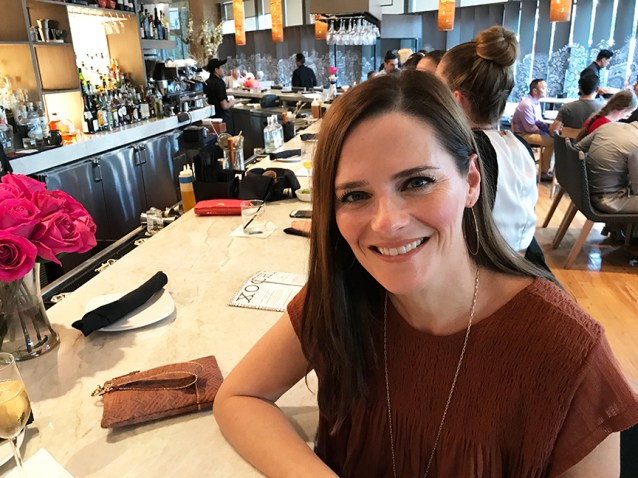 …was having a night out with my beautiful wife.
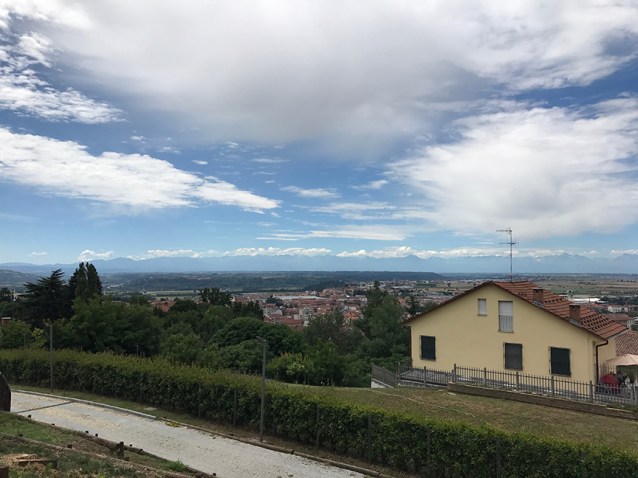 Before the Parzen family headed to southern California for
  I know a lot of people are curious about the toponym Bra (and the homonymic jokes are as predictable as they are forgivable).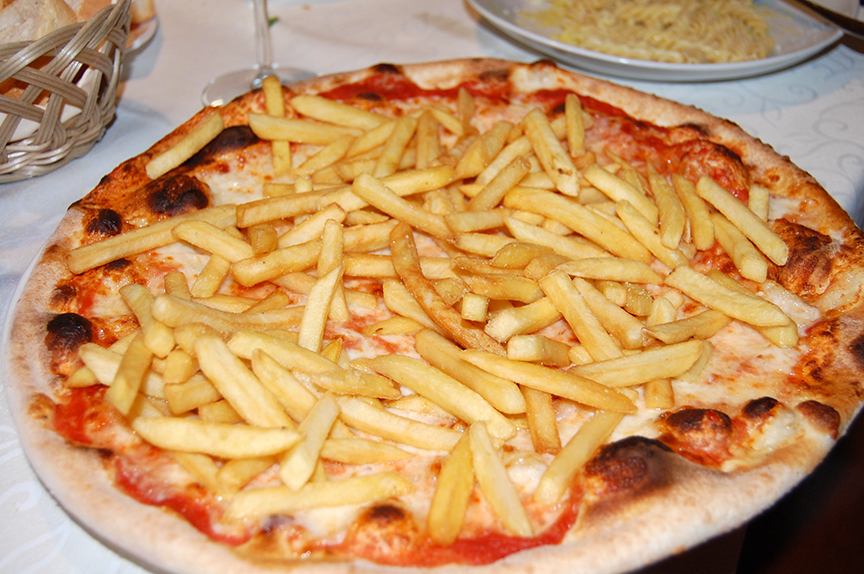





 Do Bianchi