Poetry is the Devil’s Wine: origin and meaning of the expression

In the 1980s, my high school’s literary magazine was called “The Devil’s Wine,” a reference to the ill-attributed and much misunderstood but often repeated proverb: poetry is the Devil’s wine.

Most dime-store quotation aggregate websites ascribe the quote to St. Augustine. So does the editor of “a compendium of… dark verse,” Tom Piccirilli.

In fact, St. Augustine did not conceive the axiom. Nor did Francis Bacon. But the origin story leads us back to the English critical theorist and scientist (above).

In his essay “Of Truth,” Bacon wrote: “One of the fathers [of the Church], in great severity, called poesy vinum daemonum, because it filleth the imagination; and yet it is but with the shadow of a lie.”

The word vinum means wine in Latin. The word daemonum id the plural genitive of daemon meaning demon (not devil).

A more apt translation from Bacon’s Latin would be the wine of demons.

Over time, some of Bacon’s editors have translated it as devils’ wine (note the English possessive/genitive plural), in other words, the wine of devils (and not Devil’s wine with capital d and singular genitive). I believe this is where the now colloquial expression was born.

Another important distinction: for Bacon, poesy, not poetry, is the wine of demons.

The term poesy, more akin to the Greek poiesis than the contemporary English poetry or poem, denotes not just poetry or poem but rather the art of composing poetry or a poem.

It’s a fine point, I concede. But there is a subtle difference that’s important here: in the context of Bacon’s essay, he’s arguing that literary artifice, the art of creating poetry, can obscure or bend the truth (read the essay here; it’s great, btw).

In his quote of the Church father, he’s probably blending — most scholars agree — a line from St. Augustine and a line from St. Jerome.

In the Confessions, St. Augustine wrote: “vinum erroris ab ebriis doctoribus propinatum” (“the wine of error poured for [me and my fellows] by drunken teachers”).

Like Bacon, who was inspired by him, he was discussing the ways words — literary artifice — can eclipse truth.

In one of his epistles to Pope Damasus I, St. Jerone wrote that “daemonum cibus est carmina poetarum” (“the poets’ verses are the food of demons”).

I haven’t been able to track down the original letter (yet). But I believe that St. Jerome is apologizing to the Pope for his use of a parable (literary artifice) to illustrate one of Christ’s teachings (according to descriptions of the letter, it describes and recounts the Parable of the Prodigal Son).

So the next time someone misattributes this erroneous quote, please correct them and tell them to pair the wine of error with the food of demons.

Thanks for reading.

Image via Wikipedia Creative Commons.

Authenticity in the bottom of the bottle: the new wave of ancestral method Lambrusco

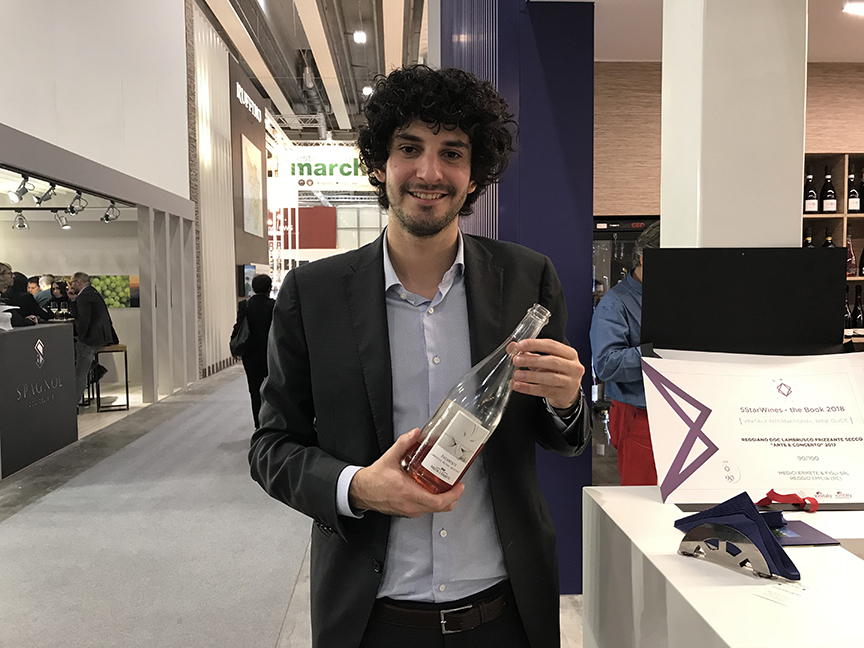
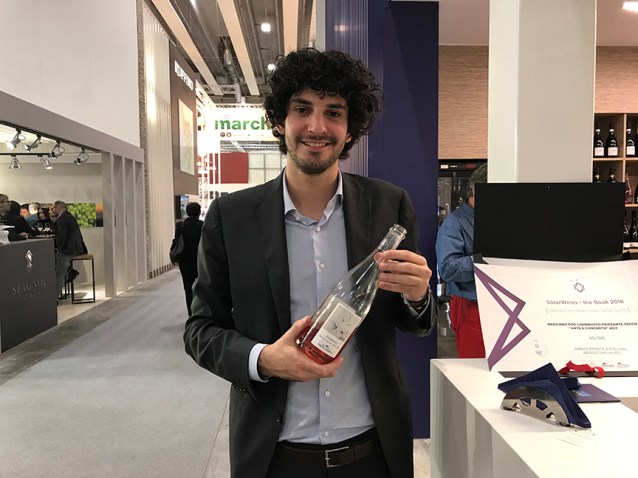
One of the more memorable tastings from my Vinitaly this year was with Alessandro Medici (above), the current generation of the Medici Ermete winemaking legacy.

If you follow Italian wine in the U.S. (and especially if you like Lambrusco), you probably already know his family’s wines. Medici Ermete is one of the Lambrusco powerhouses and its wines are nearly ubiquitous in the states.

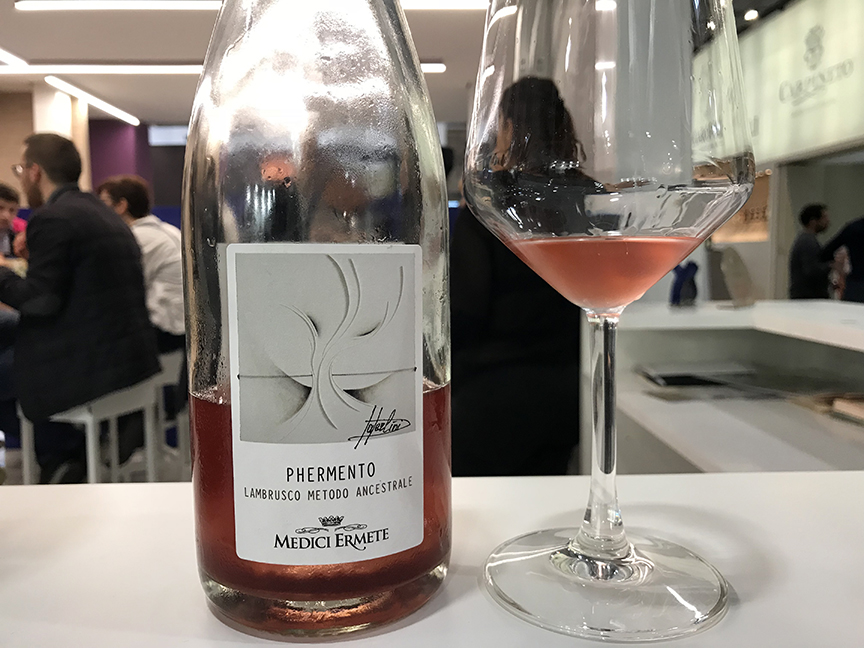
But the twenty-something Alessandro wasn’t interested in showing me the estate’s popular Concerto, its best-selling wine. Instead, he wanted to pour me a wine that he has created and launched this year: Phermento, an ancestral-method Labmrusco di Sorbara.

Most Lambrusco (like Prosecco) is made using the Martinotti method (sometimes referred to, however erroneously, as the Charmat method). A still “base” wine is produced. The wine is then transferred to pressurized tank. A sweetener and yeast are added to provoke a second fermentation. The resulting CO2 is captured and contained by the sealed vat. The sediment (from the dead yeast) is separated from the wine using a temperature control system. And then the wine is bottled.

Some Lambrusco is made using the classic method (also known as the traditional method or Champagne method, although it’s illegal in Europe to call it the Champagne method except for when used in Champagne). A sweetener and yeast are added to the base wine in bottle. The bottle is sealed. A second fermentation occurs. The CO2 is trapped in the bottle. The wines are “aged on their lees” (the dead yeast) for shorter or longer periods depending on the producer. The sediment is disgorged by storing the wines upside down at a 45° angle, thus causing the solids to be concentrated in the bottle’s neck. The sediment is generally removed by freezing the neck and then allowing the pressure of the CO2 to expel it from the wine once the seal is removed (although there are other ways to disgorge the wine).
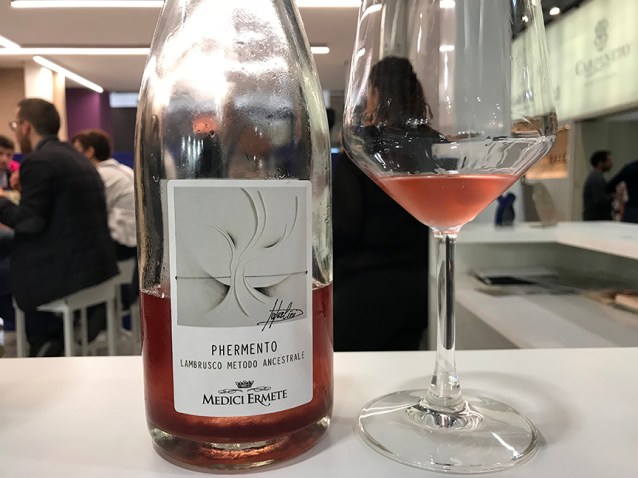
But more and more Lambrusco producers are using the ancestral method to make their wines these days. And Alessandro’s is the first to be released commercially by his family’s estate.

The ancestral method is as simple as it is challenging.

A base wine is produced and then a sweetener is added at bottling. Although not everyone in the wine world agrees on what exactly “ancestral method” denotes, most Prosecco and Lambrusco producers concur that the addition of the sweetener at bottling distinguishes the method from pétillant-naturel wines (known in the vernacular as “pét nat”) because the latter is bottled before fermentation is completed. In other words, pétillant-naturel wines only undergo one fermentation while ancestral method wines go through two.

Ancestral method wines like Alessandro’s are not disgorged. You can see the sediment in the bottom of the bottle above.

It’s challenging to make wines like this because, as many winemakers have told me, you have to get the amount of sweetener just right to obtain a dry wine. Too much sweetener will lead to unwanted residual sugar and an off-dry as opposed to dry wine.

I enjoyed Alessandro’s Phermento a lot: fresh and clean on the nose, with delicious primary grape flavors and some berry fruit — just right for a wine like this.

But it also struck me that this new entry from a winery like his family’s marks a new wave of commodification of what was once a wholly rural tradition.

Sometimes these wines are called rimosso, a term you could translate as re-animated or revived (not removed or repressed, as the term is sometimes translated depending on the context). They are reminiscent of the days when most country-dwelling Emilians grew their own Lambrusco and made their own wines (before the EU reforms that enticed them to grub up their vines). Grandpa or dad (and yes, it was the patriarch who made the wine, not the matriarch) would add a handful of sugar to the bottle to attenuate Lambrusco’s bitter character (most people don’t realize that Lambrusco is a highly tannic grape). I remember drinking wines like that in the early 1990s when I spent time in the countryside outside of Reggio Emilia.

Today, winemakers like Alessandro are trying to appeal to a revived interest in ancestral method and pétillant-naturel wines among young American (and to some extent Italian) consumers. Beyond the fact that it makes for a good conversation starter, the rimosso wines seem to convey a richer sense of authenticity.

Are they more authentic than Martinotti-method Lambruscos? Do they taste better? They certainly cost more because they are more costly to make.

I’m confident that Alessandro is going to hit a long ball with this wine. At the fair in April he told me he was heading to New York for an exclusive launch of the new label. The wine is delicious, the packaging is fantastic (he tracked down an elusive local artist to create it), and Alessandro has all the right energy to make this label a genuine success.

But would grandpa recognize a wine in a clear bottle, with an artist’s label, and a sensational name like Phermento (a hypercorrective paronomasia playing on ferment fermentation)? I don’t think so. But then again I remember people, inspired by California’s new cuisine, putting boiled corn kernels into their salads in Italy in the late 1980s. Grandpa looked over and said, “in my day, that’s what we fed to the chickens.”

In other Lambrusco news…

I’m dying to read Alice Feiring’s article on Lambrusco in the current issue of The World of Fine Wine.

Have a sparkling weekend, everyone! Thanks for being here.

Is the “best white wine in the world” Italian? Maybe not but Lugana delivers a world-class label…

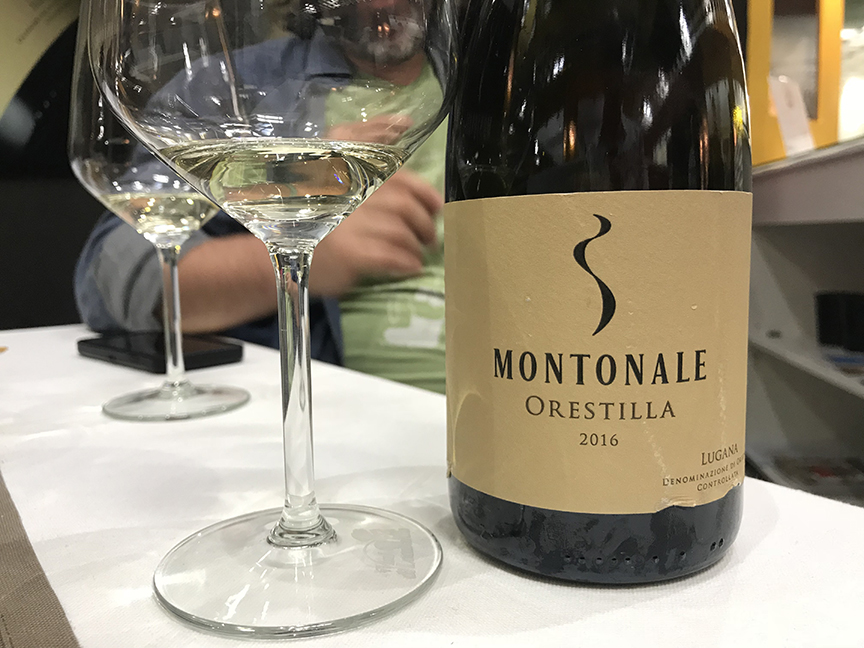
When the press release reached my inbox earlier this year, its author’s claim seemed like a bit of stretch: “Montonale Lugana Orestilla named best white wine in the world by Decanter” (translation from the Italian mine).

In fact, the 2015 vintage of the wine, rated a 95 out of 100 points by the editors, had been awarded the “best single-variety white wine” prize by the magazine’s 2017 tasting panel.

The 2016, also a winner of the masthead’s gold medal, scored a whopping 96 points (besting the previous vintage by a point) with the magazine’s 2018 tasting panel.

I had to pull some serious strings at Vinitaly this year to taste the 2016. Even though I had asked the winery’s publicist to make me an appointment at its stand at the fair, the team member flat out refused to pour me the wine when I showed up at the agreed-on time. It took a call to the owner himself to open that bottle (I know a guy…).

And it was worth it… If ever there were a white that embodied the notion of “unbearable lightness,” this would be it: the wine’s intense, rich flavor and texture was buoyed by its remarkable freshness and its glowing white fruit and white flowers. And underlying the fruit, a vein (as the Italians would say) of delicate nuttiness played its savor character in counterpoint to the elegant, juicy sweetness. What a wine!

It was also impressive inasmuch as Lugana, beyond the Brescia-Verona axis, is rarely considered a contender for best in show. Part of my curiosity about the above-mentioned (and overblown) release stemmed from the fact that you never see Lugana and its local variety Turbiana called out like this (by the way, many today believe that Turbiana is genetically synonymous with Verdicchio and not Trebbiano as the linguistic affinity would suggest).

If this wine is any indication of the appellation’s potential (and surely it is), we should all be looking more carefully at Lugana as one of the spiritual homes for great white wine from Italy.

Is the “best white wine in the world” Italian? Probably not. But man, Italy’s ability to deliver world-class whites seems only to expand.

Rock out and taste with me in San Diego: July 27-28 #music #Lambrusco

Above: my San Diego-based band The Grapes plays mostly psychedelic country and British invasion.

Please come rock out and taste with me in San Diego on July 27-28!

On Friday, July 27 my band The Grapes will be playing at Beaumont’s in La Jolla (northern San Diego). We’ll probably go on around 9 p.m. And the amazing country guitarist Dave Gleason will be sitting in with the band (not to miss).

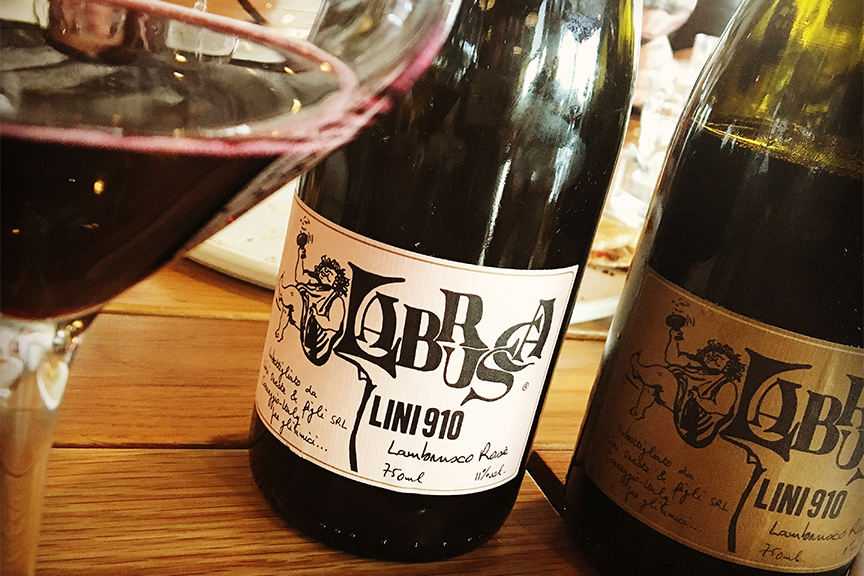
And then on Saturday, July 28, I’ll be hosting a Lini Lambrusco tasting at my favorite San Diego Restaurant, Jaynes Gastropub. I don’t have the exact details yet but it will be late afternoon. And Tracie and the girls will be joining me for dinner that night. So please come down and taste some Lambrusco and say hello!

Thanks for your support! Please stay tuned for details and have a great weekend…

The Grapes
Friday, July 27
Beaumont’s
5662 La Jolla Blvd.
La Jolla CA 92037
(858) 459-0474
Google map

Lini Lambrusco Tasting
Saturday, July 28
3-5 p.m.
$15 per person
Jaynes Gastropub
4677 30th St.
San Diego CA 92116
(619) 563-1011
Google map

Lambrusco image via Corkscrew Concierge.

Is Barbera feminine or masculine (grammatical gender)? And why is there a photo of the great Ethiopian Emperor Menelik II on my blog today?

Is Barbera (the grape and wine) a feminine or masculine noun? In other words, what’s its grammatical gender? Is it correct to say la Barbera or il Barbera?

Believe it or not it’s an orthographic that comes up frequently in Italian winespeak.

The Barbera d’Asti Consortium published my post answering the linguistic conundrum this week.

My research for the post led me to dig up my grad school notes on the great Italian poet, scholar, and critical theorist Giovanni Pascoli.

And one of his poems led me to the renowned Italian soldier and patriot Giuseppe Galliano (the one the liqeuer is named after).

And that led me to the great Ethiopian Emperor Menelik II (1844-1913) (above).

Galliano died at the Battle of Adwa (1896) where Emperor Menelik defeated Italian imperialist forces led by General Oreste Baratieri.

The biography of the Ethiopian ruler is as fascinating as it is thrilling: he was a brilliant military strategist and he became the first Africa ruler to repel European colonialism. The Italians’ defeat at Adwa stunned the world and Menelik became an icon of African and African-American independence.

Read my post on Barbera’s grammatical gender here. Next week, I’ll translate the poem (which also fascinated me) in its entirety with a brief critical apparatus.

In other news…

Parzen family made it home from Italy safely and soundly last night.

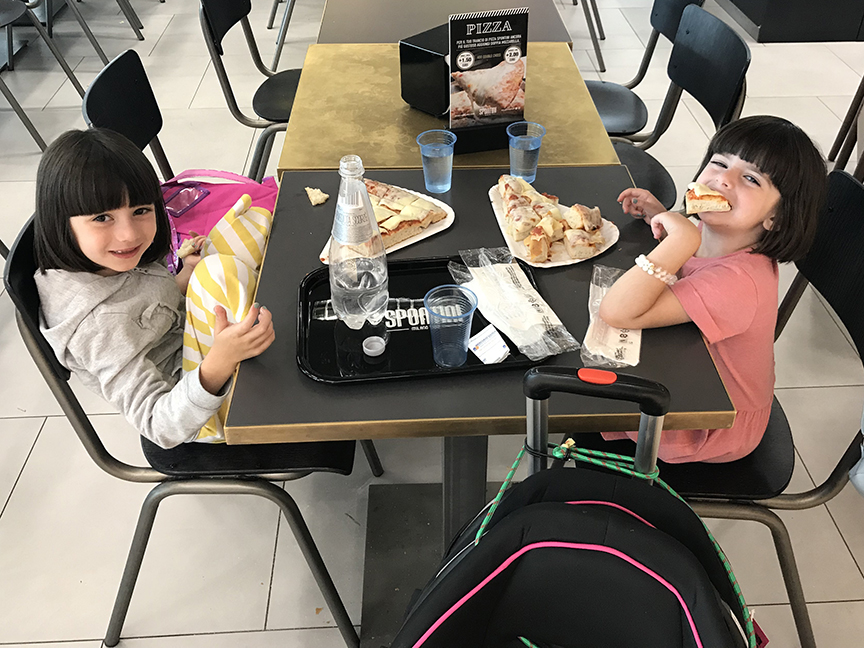
Georgia and Lila Jane (above) enjoyed one last taste of pizza yesterday morning for breakfast at Malpensa airport outside Milan.

The ladies at the food court were so sweet to them. It was a wonderful coda to our stay in a country where children are universally adored.

Both girls were extremely well behaved on our flights and both were overjoyed to sleep in their own beds last night — as were their parents.

Thanks again to all of our friends who made the trip so fun, special, and memorable. It was a really great one.

One of these days I’ll get around to telling the story of the Michelin-starred chef who made Lila Jane a hamburger on the spot (because ethereal housemade spaghetti tossed in delicately sautéed cuttlefish and garden-grown tomatoes just wouldn’t do)…

Top image via Wikipedia Creative Commons.

Arrivederci, Italia! Thank you for treating our girls so well!

It’s been a wonderful three weeks in Italy with our girls, ages (almost) five and six and a half.

They’ve been trying all kinds of new foods (Lila Jane now loves rabbit; Georgia has a yen for fried anchovies) and picking up Italian words along the way (Georgia can now count to 13 in Italian; Lila Jane’s grazie is impeccable).

They’ve made a ton of friends here: Cecilia, Tiziano, Lorenzo, Federico, Andrea, Alba, Azzurra, Atena… too many to count. And they played with kids from all over the Mediterranean.

Their mother and father have been eating well, too.

Our host (and the best friend you could ever ask for), Giovanni, made us delicious linguine with fresh tomatoes and coppa last night (above), a perfect pairing for his Franciacorta Dosaggio Zero (Arcari + Danesi).

Other highlights were fish stew in Liguria, a cow-goat hybrid Robiola paired with Nebbiolo in Piedmont, spaghetti with clams at Giancarlo and Francesca’s house (Piedmont), erbazzone and homemade salame on Michele and Vanina’s farm (Piedmont), aperitivo with the Lini mispucha (Emilia), tortelli verdi with the Levy clan (also in Emilia).

Another highlight was a vineyard picnic on Sunday with my dissertation advisor Luigi and his son Edoardo, also a great friend of mine. We were the guests of the Arcari + Danesi winery in Coccaglio (Franciacorta, Lombardy), where we enjoyed perfect weather, wine, and a paradisiacal Bagòss.

And that brings me to the best part of all — loving and being loved in return.

That’s Giovanni in the photo below (top, left) with Nico (his partner at Arcari + Danesi, top right), and Andrea (their partner in SoloUva, bottom left), Georgia (center) and Lila Jane (right).

The guys did everything in their power to make sure that the Parzen family was comfortable, safe, and well fed. By the time we said goodbye this morning, the girls were playing with them (and on them!) like they were uncles — my Italian brothers.

Words cannot express how thankful I am to them for everything they did for us. Just knowing they were there for us in case we needed them made the trip all the more relaxing and enjoyable for Tracie and me.

Not many can boast of having such loving, lovely, and generous friends. We’re so lucky to have them in our lives.

Many tears were shed as we all said goodbye this morning: dew cascading gently from a grape bunch as the sun rises over Montorfano.

Arrivederci, Franciacorta! Arrivederci, Italia! We have loved you as you have loved us.

Take your children for a walk in a vineyard. You won’t regret it…

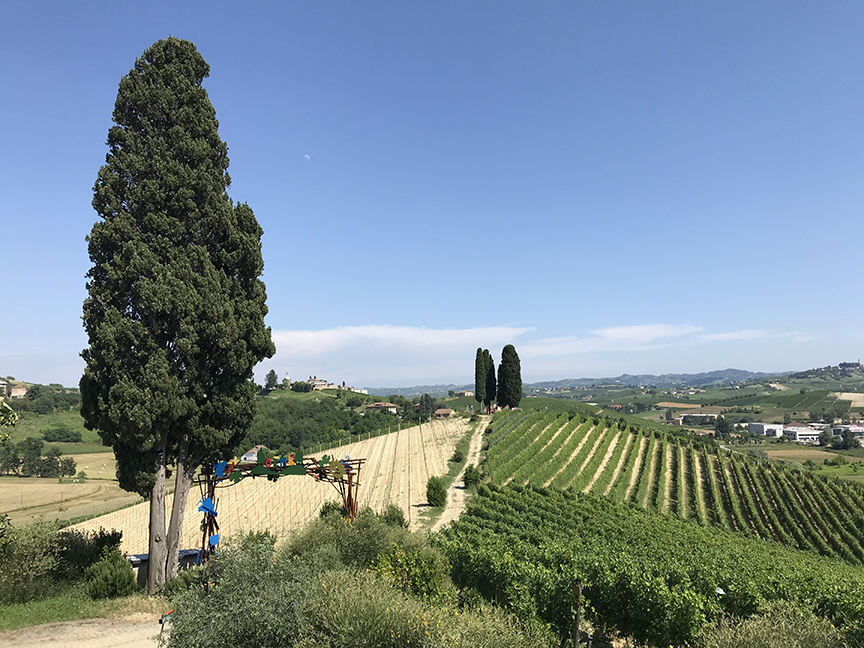
Yesterday Parzen family spent the afternoon meandering through the Michele Chiarlo winery’s Parco Artistico La Court in Asti province with Stefano Chiarlo.

Lila Jane and Georgia, who had been complaining about the hour-long drive from Bra in Cuneo province (“daddy, this is taking forever!”), literally bounded out of their car seats and headed straight for the park’s observation tower.

It was a clear, beautiful, but hot day in Barbera vineyardland yesterday.

Atop Chiarlo’s Cascina La Court, a cool breeze gently soothed their cheeks as they marveled at the newly born bunches, still green only a few weeks after fruit set.

Any keen observer of grape growing would remark on how wild Barberaland is and how the vines don’t have the manicured look of their counterparts in Nebbiololand. The farming there alternates with woods and other crops and many growers have shifted to organic practices like Chiarlo, said Stefano.

That’s Stefano as he showed us the apotropaic totems mounted on each of the rows. His family’s park is open to the public throughout the day and the winery will organize picnics and tastings by appointment. But everyone is welcome enjoy the estate, any time of day, he said.

There are works of art by contemporary artists installed across the park. And there’s even free wi-fi.

“Hills, that’s what makes Italian viticulture unique,” said Stefano as he waxed agronomic (he’s the family’s vineyard manager). Our girls couldn’t agree more.

I can’t think of a better way to spend an afternoon…

Have Rossese, won’t travel: notes from the Ponente

Americans often claim that the wine just tastes better in Italy.

There are a variety of theories as to why this is (purportedly) the case: the Italians keep the good stuff for themselves; the wines taste better with the food there; the wines don’t travel well

As I drooled over his ample selection of Rossese, I was surprised to hear the sommelier of Bistrot I Torchietti in Finale Borgo (Liguria di Ponente) tell me that “you don’t find these wines in America because they don’t travel well. They need to be drunk here.”

Considering how few bottles of Rossese seem to make it to the U.S., he may have a point.

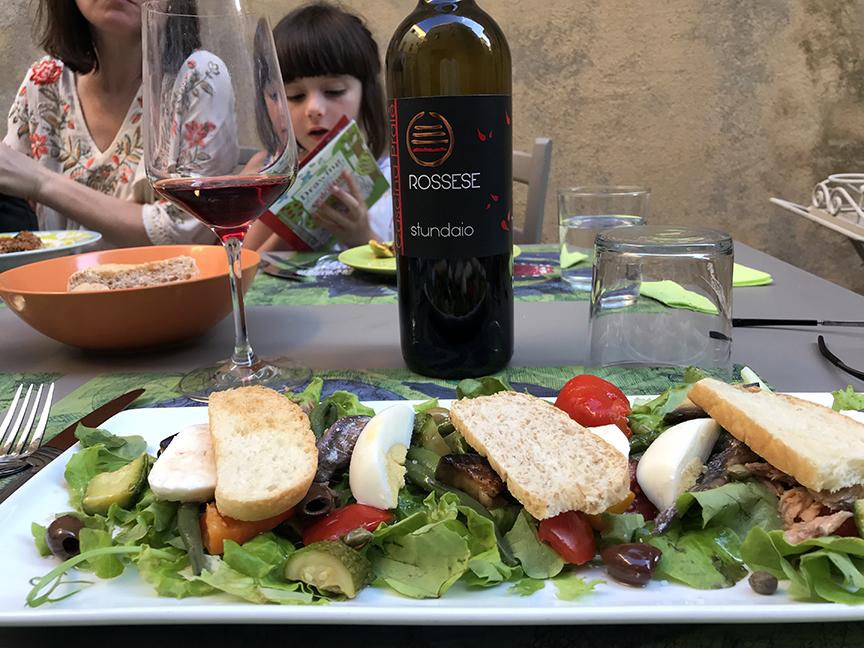
The enigma of the wine well traveled may never be solved… but Tracie and I thoroughly enjoyed the Cascina Praié Rossese Stundaio that he poured for us on Saturday night in the ancient city overlooking the riviera in western Liguria.

With zippy and balanced acidity and restrained alcohol, this wine was electric and lithe with bright berry fruit and Mediterranean scrub. Served room temperature, it paired gorgeously with the condiggiùn in the photo above (condiglione in Italian, the Ligurian niçoise). It was equally delicious with fried anchovies and fish stew.

I couldn’t recommend Ai Torchietti highly enough and I’m looking forward to trying the sister fine-dining concept Ai Torchi the next time we can visit.

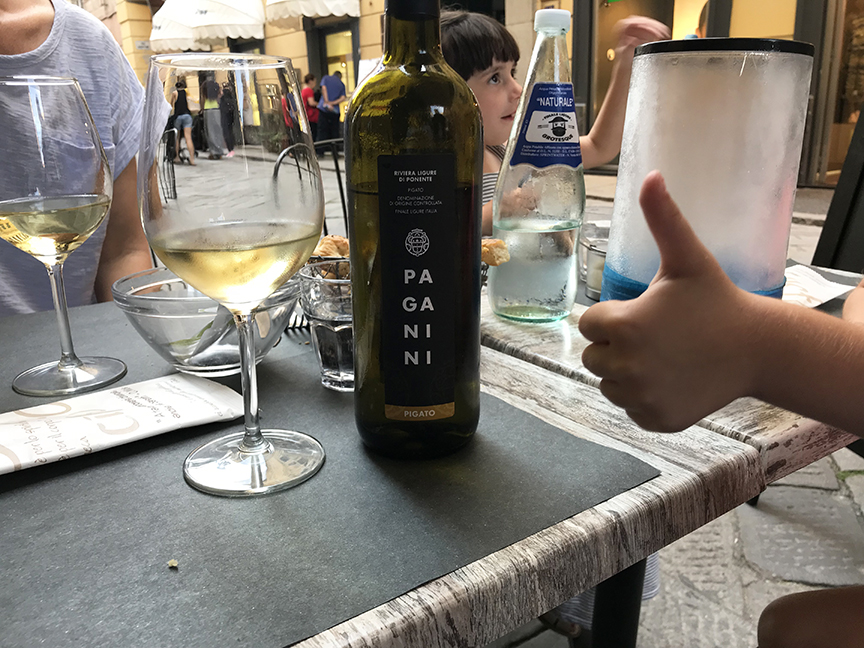
Paganini Pigato was another wonderful discovery at Osteria Grotesque in the beachside village of Finale Ligure.

This food-happy wine had the mouthwatering minerality and classic muted yellow fruit and gentle almond notes that you find in old school expressions of the variety.

It was recommended to us by the young man who was running this popular restaurant on Friday night. He and the server working the floor of this tiny spot were so kind to our family. You don’t always find such nice people in jaded seaside towns brimming with tourists. These guys were the best.

Those are Osteria Grotesque’s antipasti above. We loved the place and we loved the people- and dog-watching (be sure to get there early to snag an outdoor table as we did; we ended up staying all night, with the girls playing with other children in the pedestrian-only street long after we finished eating).

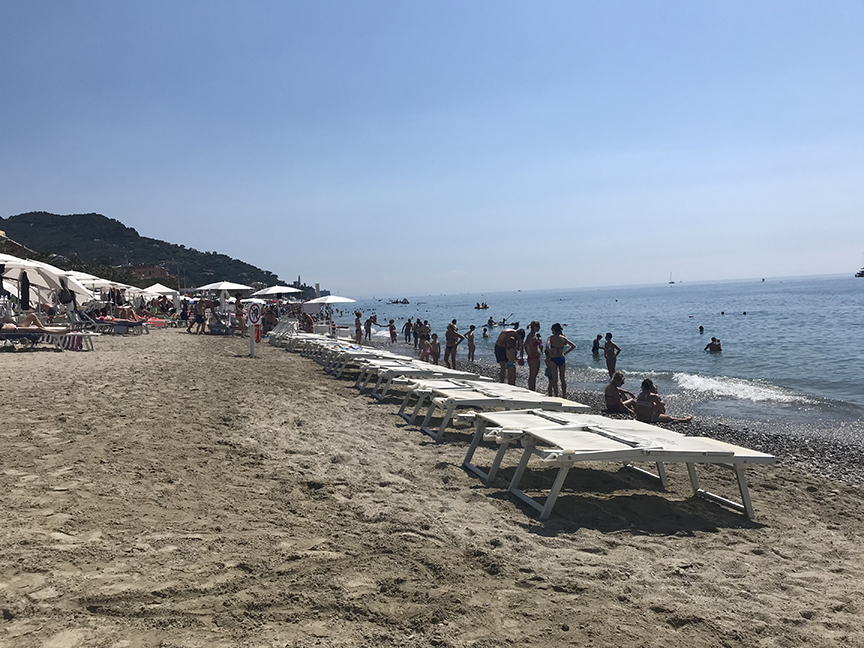
All in all, Parzen family had a magical micro-vacation before returning sun-tanned and sandy to Bra in Piedmont where I have a heavy teaching load this week.

Finale Ligure, thank you! We can’t wait to see you again…

Passito di Pantelleria by Basile, one of the best I’ve ever tasted…

Tasting this superb bottle of Passito di Pantelleria “Prescelto” 2008 by Cantina Basile the other night, the expression “sticky wine” came to mind.

But not because the wine was sticky. The opposite was true: it was so lithe in the glass that it drank more like a classic white wine in terms of its texture. The alcohol and acidity were so well balanced that its sweetness never felt overwhelming or pervasive on the palate.

The other thing that really impressed me about this truly extraordinary wine was its spectrum of primary, secondary, and tertiary aromas and flavors (I know, I know… I don’t like those terms either and they sometimes mean different things for different people. But it’s really the best way to describe this remarkable wine).

As the Italians like to say, you felt like you were chewing the fruit, dried fruit, and almonds in this wine. It really blew me away. And it was made all the more special and memorable by our gracious hosts and the delicious meal they prepared for Tracie, me, and our girls.

What a wine!

In other news…

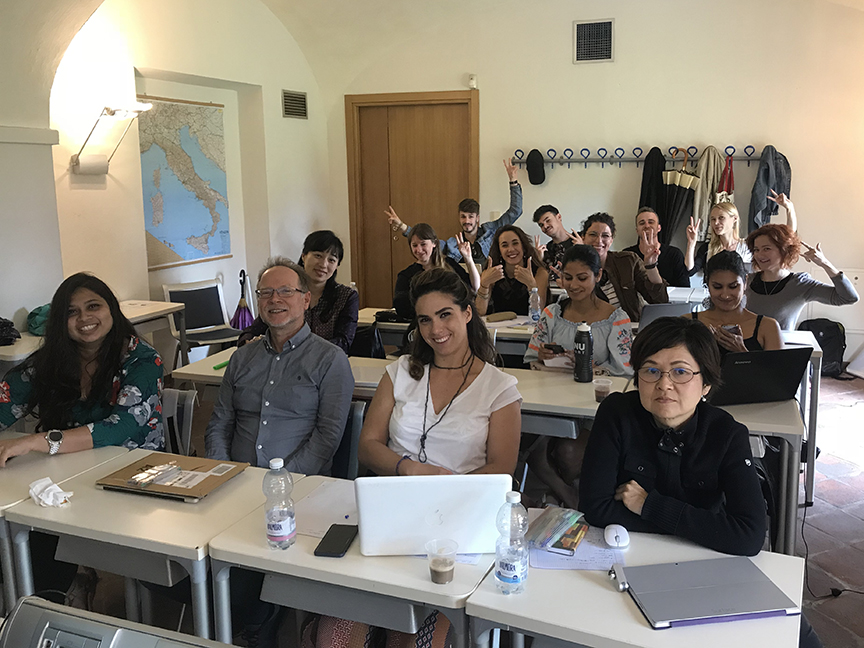
It’s been a busy week of seminars with my students in the Master’s of Wine program at the Slow Food University in Pollenzo (Piedmont).

It’s my third year here as an adjunct and I love the interaction with students and the high level of discussion and dialogue.

Lisa Perrotti-Brown’s post on “The Big Parkerization Lie,” published earlier this week on Wine Advocate, couldn’t have been more timely or relevant as we’ve discuss books by Lawrence Osborne, Eric Asimov, and Alice Feiring.

It’s incredible to think that more than 10 years after Alice’s book, the debate over Parker’s influence and impact still marches on.

The students really surprised me with the insights and experiences they shared. A really great group this year. But then again, each class of students seems to have its own unique take on the world of “wine communication” (one of the subjects I teach).

The other really fun thing this week has been watching our daughters as they discover the sights, sounds, and flavors of Italy.

They’ve both been really adventurous about trying new foods (although the snails didn’t go over so well last night!) and they’ve both been making a college effort to speak a little Italian.

It’s a dream come true for Tracie and me. We’ve been having so much fun and tomorrow I’ll take them to the beach for the weekend.

Living in Italy was such a profound experience for Tracie and me. It shaped the arc of our lives as adults and it’s how we ultimately met. It fills me with joyous wonder to think of how it will shape theirs…

For our vines have tender grapes: our daughters discover the vineyards in Italy

Take us the foxes, the little foxes, that spoil the vines: for our vines have tender grapes.
Song of Solomon 2:15

Tracie and our girls have been with me in Italy for the last five days.

It’s been really wonderful to have them here. I’m teaching at the Slow Food University in Piedmont this week and next. They’re on vacation.

The food has been great and they’ve been having a blast. But the most rewarding thing has been watching our girls — ages 4 and 6 — explore a vineyard.

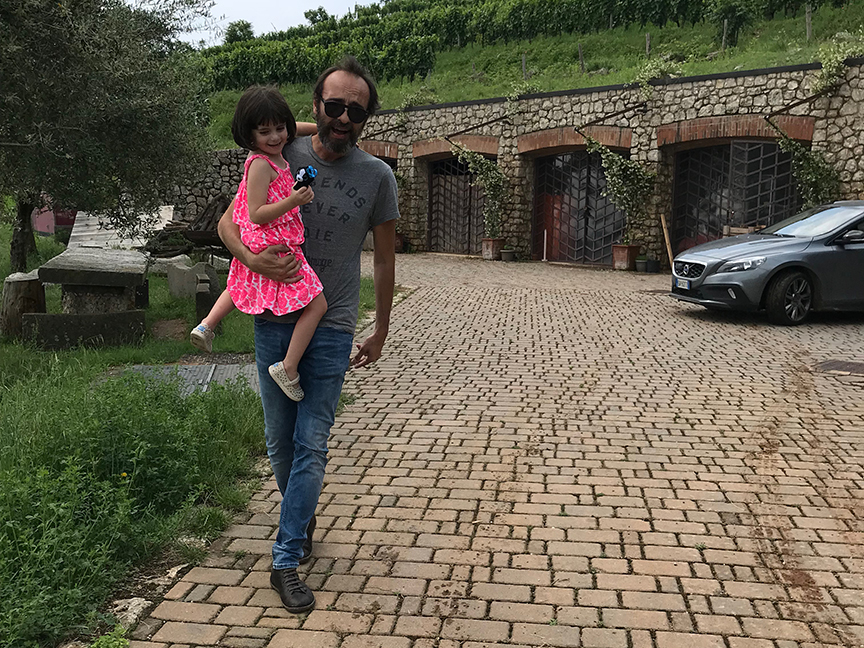
That’s Giovanni above, the most generous friend you could want and a brilliant grape grower and winemaker in Franciacorta (where we stopped on our way to campus). And that’s Lila Jane, our youngest, in his arms. She spent the better part of an afternoon with her sister Georgia picking flowers and chasing butterflies in his vineyard.

And that’s Tracie, showing Georgia and Lila an old wine press outside the winery at the Castello di Verduno. We had such a magical visit there, enjoying the garden and the view at the Real Castello.

“How do grapes turn into wine?” asked Georgia.

How do you explain a miracle to a child?

One of the words Tracie’s taught them is vigna. It’s been a fantastic trip so far and I know many discoveries and adventures await them.

The flowers appear on the earth; the time of the singing of birds is come, and the voice of the turtle is heard in our land;

The fig tree putteth forth her green figs, and the vines with the tender grape give a good smell.