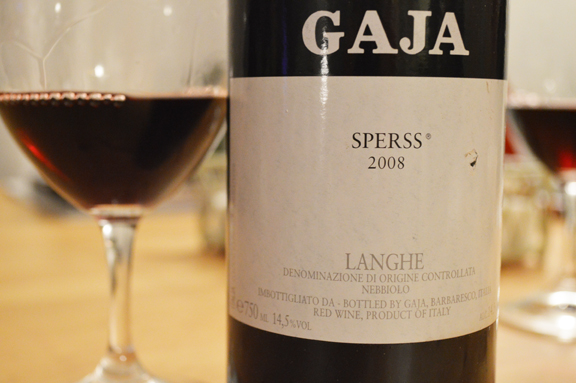
Above: a bottle of Mastroberardino 1968 Taurasi, considered by many one of the appellation’s greatest vintages, tasted in May 2013.
Today, the world of wine mourns the loss of Antonio Mastroberardino, who died yesterday in Campania at age 86.
He was widely considered the father of fine winemaking in Campania and his decision to replant indigenous grapes after the second world war redefined the fine wine movement in his own region and beyond.
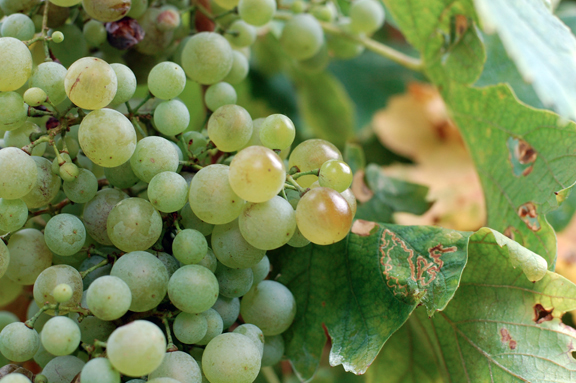
“In 1945,” wrote Neapolitan journalist and wine writer Luciano Pignataro on his blog today, “Irpinia’s great viticultural district, which quenched Italy’s thirst in the 1920s, was practically non-existent [destroyed by the arrival of phylloxera in the 1930s]. Together with his brothers Angelo and Walter, he began again to make wine. But it was he who decided the contents: Fiano, Greco, and Aglianico.
“His decision to remain faithful to the grapes of his forbearers was a stubborn one, rooted in his Irpinian mountain origins. It seemed out of fashion in the 1960s, when agricultural inspectors were pushing growers to plant more prolific Italian grapes: Trebbiano, Montepulciano, Sangiovese, and even Barbera.”
In the 1990s, Mastroberardino launched the Villa dei Misteri project, a viticultural and archeological quest to grow grapes in Pompeii using DNA culled from ancient artifacts and techniques described by the ancient agronomist Columella.
It was just one of the many initiatives that helped to reshape and revitalize Campania winemaking as we know it today.
The many fine wines now produced there — and in particular, the myriad expressions of Aglianico — are inexorably linked to his legacy and passion as a grape grower and winemaker.
Antoni sit tibi terra levis.