Why is it called pepperoni pizza (when peppers [seemingly] have nothing to do with it)?

This just in: Vietti winemaker Luca Currado and my friend and client Tony Vallone will be presenting Luca’s family’s wines on January 18, 2017 at Tony’s in Houston. I’ll be there. Please join me. It’s going to be a night to remember, for sure.

best-pepperoni-pizzaNew York-style pizza and pepperoni pizza in particular are among my greatest guilty pleasures.

In the decade that I lived and played music in New York City, I came to learn all the best spots for late-night Manhattan slices as my band’s drummer and I lugged our gear back uptown from our downtown gigs. Oh man, who doesn’t relish a hot slice at 2 a.m. after a night of drinking flat beer and strumming a Telecaster???!!!

best-pepperoni-pizza-new-york-sliceToday, the question of pizza and the existential question of pepperoni or regular? play a new and outsized dialectical role in my life: our youngest daughter prefers “cheese” while our oldest waivers between her allegiances to pepperoni and cheese.

The joy, alone, in hearing the word pepperoni uttered by a child, with its trochaic mellifluence, is truly priceless, btw: peh-peh-ROOOOOOH-nee.

best-pizzeria-new-yorkMy parental pondering of pepperoni pizza led me recently to reflect on the origin of the nomenclature. After all, in Italian, peperoni denotes what we call bell peppers in English. If you ordered a pizza ai pep[p]eroni in Italy, they’d bring you a pizza with bell peppers and not with thinly sliced, slightly spicy sausage.

A Google search prompted by my curiosity led me to a lovely 2011 article by Julia Moskin for the New York Times (our president-elect’s favorite paper!), “Pepperoni: On Top.”

In it she writes:

What, exactly, is pepperoni? It is an air-dried spicy sausage with a few distinctive characteristics: it is fine-grained, lightly smoky, bright red and relatively soft. But one thing it is not: Italian.

“Purely an Italian-American creation, like chicken Parmesan,” said John Mariani, a food writer and historian who has just published a book with the modest title: “How Italian Food Conquered the World.” “Peperoni” is the Italian word for large peppers, as in bell peppers, and there is no Italian salami called by that name, though some salamis from Calabria and Apulia are similarly spicy and flushed red with dried chilies. The first reference to pepperoni in print is from 1919, Mr. Mariani said, the period when pizzerias and Italian butcher shops began to flourish here.

Evidently, the sausage name is a corruption of the Italian peperoncino, as in the little peppers used to impart heat and color to the salami.

pizza-and-champagne-wine-pairingDigging a little deeper into my philological neuroses, I discovered that the earliest known printed reference to pep[p]eroni sausage actually dates back to 1888 (the year Nietzsche began to lose his mind) in the Times of London.

This early mention of pepperoni in a list of types of dried sausage leads me to believe that pepperoni might not be an Italian-American invention but rather a food product that is Italo-Britannic in origin (something that is highly plausible).

But I found an even more significant and telling mention in the United States government Yearbook of Agriculture for 1894 (published by the U.S. Government Printing Office), a mention that appears some 25 years before Mariani’s editio princeps.

The author of the entry for sausage wrote the following:

A mealtime and snacktime favorite of millions of Americans, sausages include a wide assortment of seasoned and processed meat products… Some sausages are dried during processing. Dried sausages like pepperoni, thuringer, and dry salmi are quite firm, very flavorful, and normally do not need to be refrigerated.

Herein lies the rub, as it were. Pizza, as we knew it in the 1970s, 80s, and 90s before the pseudo-Neapolitan pizza craze of the 2000s, probably emerged during the “Me” era (that’s the 1970s for you millennials). We think of pizza as an ancient food form. And it is. But the pizza of the 1960s probably didn’t resemble the pizzas pictured in this post, for example. It was the rise of canned tomatoes and processed cheese in the post-war boom of the 1960s that probably made pizza as-we-knew-it possible in the decades that followed.

The passage from the 1894 yearbook reveals that pepperoni sausage was already popular (at snacktimes and mealtimes) in the U.S. by the dawn of the 19th century, long before the great waves of Italian immigration began to take shape in north America. And its popularity was probably owed in some measure to the fact that it didn’t require refrigeration.

Ding! Ding! Ding! That’s probably why it became such a popular pizza topping: it was easy and inexpensive to store.

Regardless of its origins and its linguistic and cultural disconnect, pepperoni pizza is one of America’s great gifts to the world imho. There’s just nothing like a late-night slice after a gig and there’s nothing like the smile on a child’s face as she contemplates: cheese or pepperoni?

Why isn’t someone importing this Greco di Tufo by Bambinuto? Wild Irpinia is an unmined treasure of delicious wines.

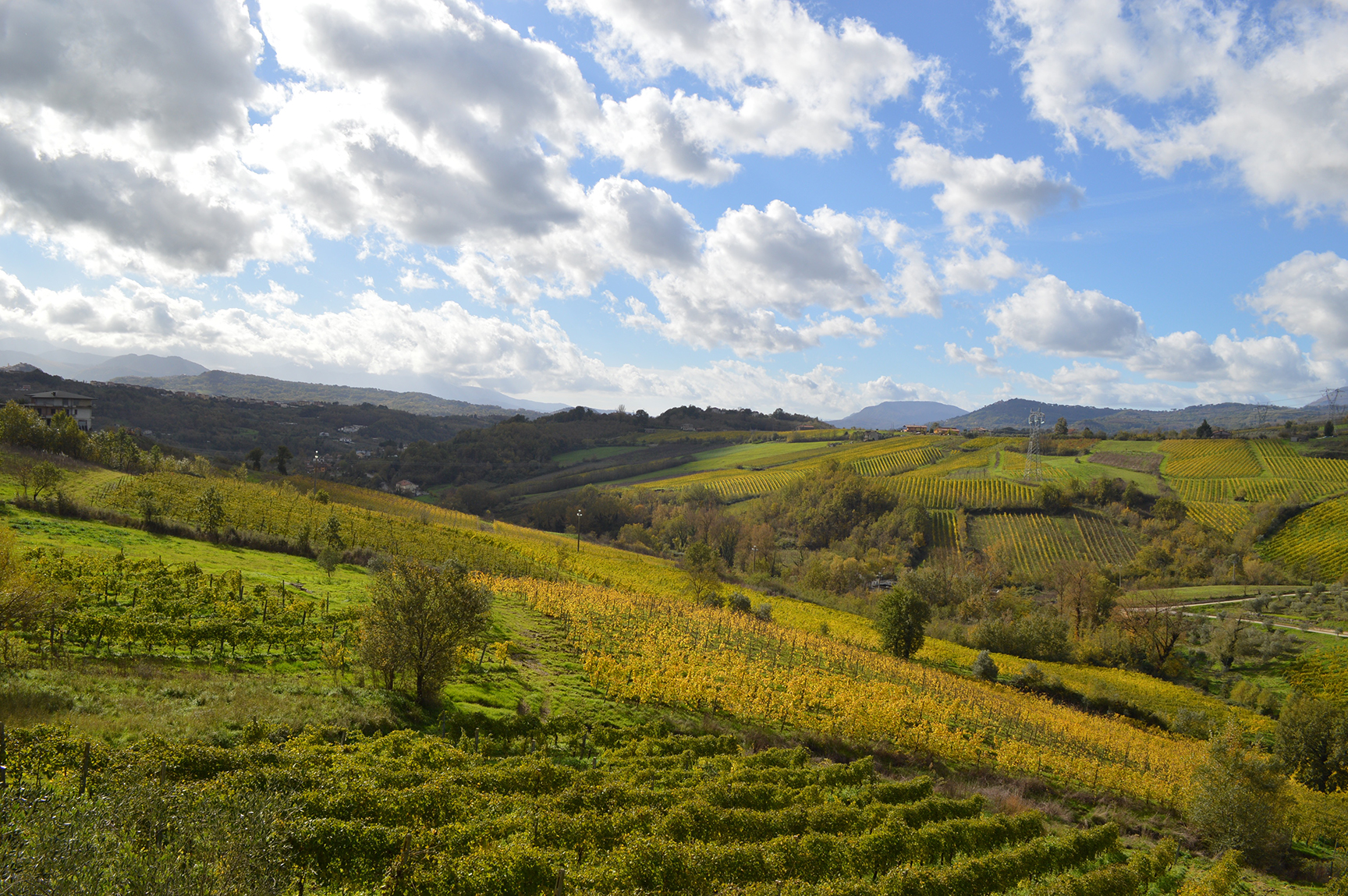
bambinuto-greco-tufoLast week, I wrote about what an incredible experience it was for me to tour Irpinia in early November with Daniela Mastroberardino, who really turned me on to what makes the wines from this otherworldly locus so special. The landscape shots, alone, were worth the price of admission.

Another one of the revelations from that November trip was tasting Marilena Bambinuto’s Greco di Tufo, above.

There are so many great expressions of Greco di Tufo out there but Marilena’s have what the Italians call a marcia in più, an extra “high” gear.

Beautiful focus and purity in this wine, with a gorgeous balance of acidity, alcohol, and fruit and mineral flavors that really danced in my mouth as we tasted the wines paired with her butcher’s sausage and boiled potatoes.

best-artisanal-sausageGreco di Tufo can be such a richly flavored wine and, at least in my experience, certain winemakers will go for a ripe style or an intensely mineral style of the wine. But Marilena’s really hit a sexy harmony of all the elements in this appellation, with a classic but fresh and electric interpretation of this incredible appellation.

It may not mean much to the casual wine lover but a stroll through her organically farmed vineyards (see the grassy rows below) revealed a lot about why the wine has such a magic buoyancy to it.

Why is no one bringing this in to the U.S.? It’s made by a small, family-run and owned estate. It’s organically farmed and only native yeasts are used in fermentation. The wines are a pure and purely delicious expression of the appellation. And Marilena, her family, and her wines couldn’t be a more authentic expression of wild Irpinia.

I owe this discovery to my friend and colleague Marina Alaimo, a writer, blogger, and sommelier based in Naples. Anyone who follows Italian wine, and especially southern Italian wine, knows Marina from social media (if you don’t, friend her here). And she graciously organized my visit that day (and a lot more that I will write about in an upcoming post).

Thank you again, Marina, for such a thoughtful choice of winery for me to visit and taste on my first trip to Irpinia. And thank you, Marilena, for the time and the wine. I can’t wait for someone to bring your wines to America.

To quote a Joni Mitchell song, I could drink a pallet of Bambinuto!

natural-organic-vineyards

Is being Mexican in Trump America a zero-sum game?

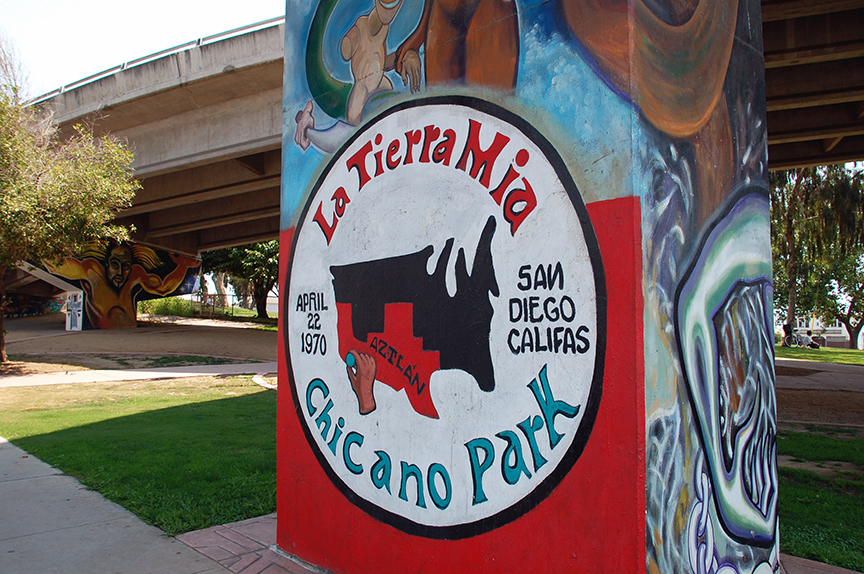
chicano-park-san-diegoOver the span of one week, conversations with two friends of mine, both of them middle-aged and middle-class American women of Mexican heritage, revealed a dichotomy in attitudes about Latinos living in the U.S. in the Trump era.

In Houston, the Texan of the two told me that she and her family are deeply concerned about how the president-elect’s immigration policies are going to affect them and the wider network of their community.

If Trump makes good on his pledge to deport 11 million Latinos from the U.S. and, in particular, if he revokes Deferred Action for Childhood Arrivals, her extended family will surely be affected.

No one knows for certain what Trump will actually do but it’s highly likely that his newly implemented immigration policies will literally rip her family apart.

In North County San Diego, the Californian of the two told me she hopes that Trump acts on his vow to expel “undocumented” Latinos living in the U.S.

“Not another Mexican should ever be allowed into this country,” she said (verbatim).

I grew up in Southern California and called it my home until I was 30 years old.

Now 49 years old, I’ve lived in Texas since 2008.

According to the most recent data on demographics in the two states that I could find (notably here and here), roughly 40 percent of the people living in both states are Latinos. And in California, there are currently more Latinos than Whites. In Texas, the number of Latinos is expected to surpass the number of Whites by the end of this decade.

When I was a child, my caretaker was a Mexican woman (who is still a close friend of my family). I learned to speak Spanish fluently by the time I was 13 years old (long before I learned to speak Italian). My classes were filled with Mexican kids during my years of high school (La Jolla High) and college (U.C.L.A.).

When Trump announced his bid for the presidency in 2015, he said that “when Mexico sends its people, they’re not sending their best. They’re not sending you. They’re not sending you. They’re sending people that have lots of problems, and they’re bringing those problems with us. They’re bringing drugs. They’re bringing crime. They’re rapists. And some, I assume, are good people.” (Read the text of his June 2015 address here.)

Aside from my decade in New York and my years as a student in Italy, I’ve lived almost 40 years in states where Spanish is spoken regularly as a second language and where Mexicans and Whites live, work, study, and raise families side-by-side (as the demographics reveal, Texas and California are very similar in this regard). Gauging from my own personal experience, Trump’s remarks (in his opening bid to become the U.S. president) are as far from the truth as they are deeply offensive.

As a contributor to the Washington Post wrote about a month before the general election, “anyone… sold on the idea that Trump’s comments have simply been misunderstood or taken out of contest seems unable to grasp is that the act of declaring an entire group prone to illegal activity is about as close to a textbook example of bigotry and xenophobia as possible.”

In January when Trump takes office, we’ll see how he intends to implement his often repeated campaign pledge. Some states, like California, are already taking steps to protect their residents from Trump’s bigoted and xenophobic approach to immigration reform.

In the meantime, countless people who reside in our country are living in fear of what will come next.

It was only two generations ago that my family immigrated to the U.S. when my grandparents’ families fled religious persecution and economic subjugation in what are now Russia and Poland. All of my ancestors were Jews and nearly all of them were poor, disenfranchised, and “undocumented” migrants. According to our family mythology, my paternal grandmother came from a family of bootleggers. I don’t know if that’s true. But I do know that she was born into abject poverty. As the tide of history in Eastern Europe has shown, her family’s migration probably saved their lives and their biological legacy. My children are her great-grandchildren.

Trump claims to be a Christian and the majority of Whites who elected him identify as Christians (including Evangelicals’ nearly unmitigated support).

I often wonder how my White-Christian friends are sleeping the days, now that Trump is poised to become the leader of our nation.

I know for a fact that a lot of my Mexican-Christian friends have been losing a lot of sleep.

mexican-park-barrio-logan-san-diegoImages of Chicano Park in San Diego where I grew up via Peyri Herrera’s Flickr. See also the Wiki entry for Chicano Park.

Happy birthday Georgia Ann Parzen! You are the greatest birthday gift of all…

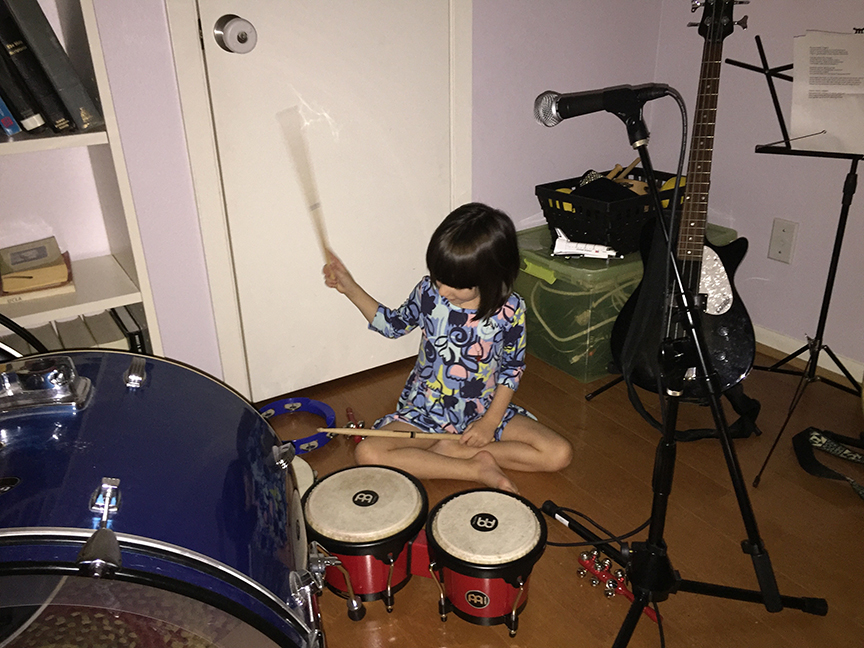
georgia-drummerHappy birthday, sweet Georgia P!

Your fifth birthday is actually on Monday but your birthday celebration begins today and your birthday party tomorrow — with your pink party favors and pink birthday cake that mommy is making for you — is sure to be a smash!

We have a whole bunch of presents lined up for you and your grandparents and your aunts, uncles, and cousins will bring more with them tomorrow for your birthday celebration.

But like every year when your birthday rolls around, I can’t help but think to myself that you are the greatest gift of all.

Your sweetness, yours sassiness, your empathy, your humor, your bright bright smile, your kisses and hugs, your love of music and singing, your love of drums, your love of rock ‘n’ roll, your love of Broadway musicals (like father like daughter!), your love of rhymes, your love of books… You have shared with us a joy I never knew could exist until you came into our lives.

All the birthday gifts in the world and a million more would never be enough to repay you for the blessings you have brought into my life and all that you have taught me about being a father.

And by the way, it is SO MUCH FUN to be your dad.

I love you. Happy fifth birthday, sweet girl!

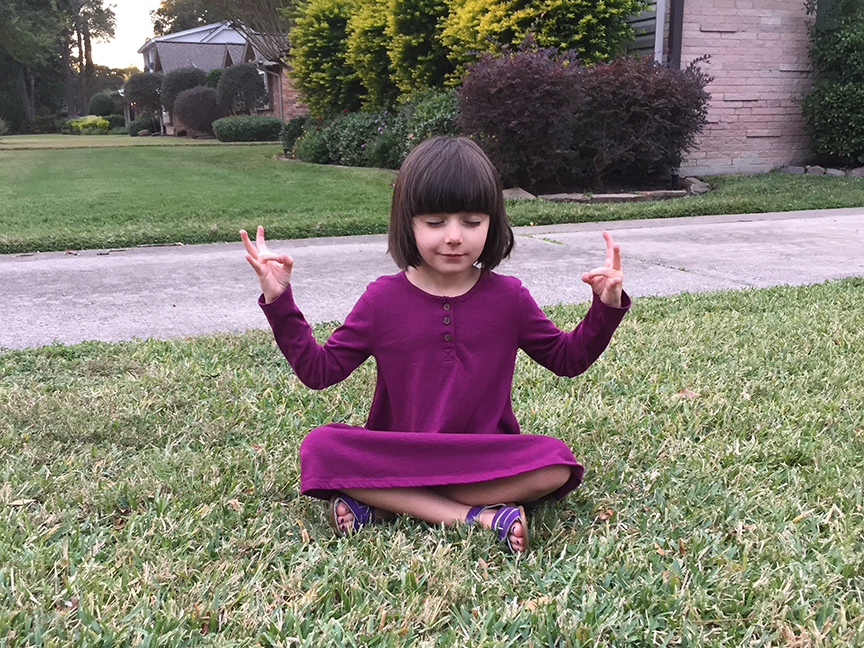
georgia-meditation

Houston has a really cool new wine bar/wine shop, the first of its kind…

thomas-moesse-moe%cc%88sse-wineThomas Moësse is one of the top Italian-focused wine professionals working in Texas and he’s just launched a new wine bar/wine shop concept in Houston’s ritzy West University neighborhood, the first of its kind for the Bayou City.

Check out my write-up today for the Houston Press.

The wilds of Irpinia and Daniela Mastroberardino’s extraordinary wines (Terredora’s is a story yet to be told)

irpiniaAbove: Irpinia, the wild volcanic highlands of Campania where some of Italy’s most extraordinary wines are raised (click the image for a higher-resolution version.

Of the nine trips I made to Italy this year and the literally hundreds of wines I tasted, one of the most remarkable visits was with Daniela Mastroberardino, co-owner of the Terredora winery, who took me on a tour of her family’s vineyards in Montefusco township in Irpinia, Campania’s wild volcanic highlands.

Like many U.S.-based Italian wine professionals, I’ve logged countless hours of vineyard tours and winery tastings in northern Italy between Piedmont, Lombardy, Veneto, and Friuli. And there are few Tuscan hilltop villages between Montalcino and Rùfina that I haven’t visited over the nearly 30 years that I’ve been traveling to Italy.

Of course, I’ve also tasted (and have drunk with gusto) more than my fair share of Irpinia wines: Taurasi, Fiano d’Avellino, Greco di Tufo are all appellations whose wines are increasingly available to American fine wine consumers like me. But until this year, I had never spent any time with those wines in situ.

What a revelation to tour these forgotten, untamed hills of southern Italy’s wine country! As we drove up and down the steep roads that lead to and from Montefusco village (one of the hubs of Irpinian viticulture), I remembered hearing Italian wine maven Charles Scicolone talking about his early visits to Italy in the 1970s, when Italian farmland was just beginning to be developed by big industry. “There were vines everywhere,” he would tell me, noting that the Italian countryside has been radically transformed since those years. Driving through Irpinia, I imagine that it resembles the Italy that Charles saw when he first visited some 40 years ago.

best-campania-winesAbove: the only industry in Irpinia is grape growing and winemaking, Daniela explained. These highlands, with their volcanic top soil, are bordered on every side by active and extinct volcano mountain chains. As you drive from Naples up into the hills and then past Avellino, your ears begin to pop from the change in altitude and you enter into a viticulture landscape seemingly suspended in the sky with volcanoes as its moorings (click the image for a higher-resolution version).

Although fine wine has been produced in Irpinia for millennia, the volcanic top soil — mostly the fallout from ancient eruptions on Mt. Vesuvius, I was told — played a fundamental roll in the development of the wine trade here in the 19th century: the tiny grains of volcanic sand that form the top layer of farmland here made it impossible for phylloxera to thrive. Echoing what grape growers told me in Santorini, for example, the little creatures simply can’t negotiate the fine soil (or as one winemaker put it, they can’t jump from one grain to the next, making it impossible for them to survive).

antica-trattoria-di-pietro-dal-1934Above: one of my top meals of 2016 was at the Antica Trattoria di Pietro dal 1934, where Daniela treated me to these Campania-style cavatelli (different from Puglia-style) dressed with tomato and wild herbs. This dish and the entire meal at Pietro alone would have been worth the journey. Di Pietro doesn’t seem to have a website but it does have a website but it does have a Facebook. Note to Italian gastronauts: seek this place out and you won’t be disappointed. And note to Italian wine connoisseurs: a deep-reaching cellar brimming with older vintages of Taurasi, including the 1998 Terredora that I enjoyed thoroughly.

The other revelation for me was tasting current and older vintages of her family’s wines with Daniela. As she opened an unforgettable flight of wines from the 2000s and even late 1990s, I was reminded of what a wise wine buyer told me many years ago in Austin: trust the wine, not the story.

Daniela’s wines have always been marketed and positioned as excellent restaurant-friendly expressions of Campania winemaking, with an emphasis on their modern-style and their appeal to modern sensibilities in wine tastes. And her family’s wines are immensely successful in the U.S., where you can find them on a wide range of wine lists.

But as we tasted over dinner and tasted through the wines, and then the next day, as she gave me and a pair of Milanese wine merchants a tour of Irpinia wine country, I realized that no one had every told me the real story of these wines. There’s a lot more soul in these bottles than I think a lot of people understand. To see the pristine wild areas where they are grown and to hear the tale of blood, sweat, and tears that the Mastroberardino siblings (the children of Walter Mastroberardino) shed as they built a winery from scratch in the earthquake-prone highlands in the 1990s, I began to wrap my mind around these wines and what they mean in the context of Irpinian viticulture.

best-taurasi-1998Above: this 1998 Taurasi was just one of the older vintages of her family wines that Daniela opened for me. What an eye-opening wine! Very fresh, with perfectly integrated wood and super vibrant fruit flavors. Tasting this wine and learning the story behind it, really helped me to understand what these wines are about.

I also really loved an older vintage of Fiano that she poured for me: with aging these wines achieve nuanced layers of fruit and mineral flavors, notes that you miss — I believe — when you taste the current vintages.

When I really took the time to learn more about the places where they are grown and to taste them patiently and in context (and not just wine a sales rep who’s pulled them out of a chilled wine bag on a hot summer day in Los Angeles), I realized that these wines have a lot more substance than their deep-punted California-style bottles reveal at first sight.

Both the 1998 classic Taurasi and the 2004 single-vineyard Taurasi Pago dei Fusi (which I don’t believe is available in the U.S.) really blew me away with their sheer beauty. Great wines with a great story that has yet to be told…

Thank you, Daniela, for the wonderful visit and the gracious hospitality. That was such an eye-opening and memorable visit!

This is just the first in my series of posts from Naples and Campania. Stay tuned and thanks for being here…

Italy’s “no” vote and Italians’ certain uncertainty

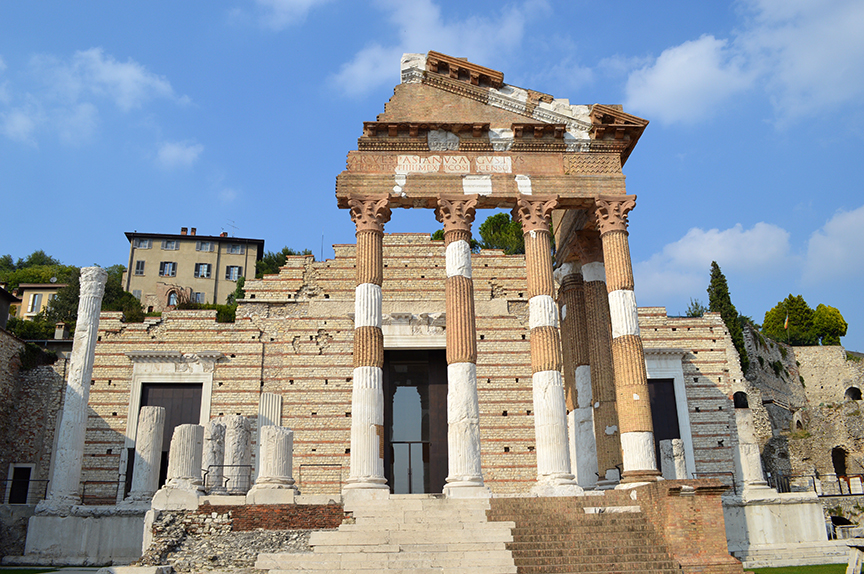
roman-ruins-italyA lot of people have asked me to share my insights into Sunday’s referendum on political reform in Italy and the implications of the Italians’ resounding “no” vote. (In case you’re not following the New York Times, check out this recent coverage of the fallout from this week’s vote, an overview of why it could prove to be a pivotal moment in Italy’s new future and the stability of the European Union and its currency.)

On my last visit to Italy, the first night I was in the country in early November, I was invited to a dinner party at the home of a successful hairdresser. The 8 or so guests (give or take a few that stopped by to say hello) were all progressive middle-aged professionals, people more or less my age and like me. Naturally, they grilled me not for dinner but on my thoughts about Donald Trump and could he possibly be elected president?

As in many Italian homes during dinner, the television was on full-blast throughout our repast. There was a lot of coverage of earthquake relief (central Italy has been struck by a series of major earthquakes this year and many ill-prepared hilltop towns there have been devastated by the powerful seismic activity). Art historian Salvatore Settis (whom I knew during my Scuola Normale and Getty days during grad school) was on, talking about his new book, If Venice Dies. And of course, there was coverage of the December referendum on constitutional overhaul.

When I shifted the conversation from Trump to the referendum, the table fell silent. Not one guest at the dinner party wanted to break the brio of the evening by unleashing polarizing, divisive thoughts and feelings on the subject. Amen. And so it was.

According to most accounts, youth unemployment in Italy continues to hover at 40 percent. When we complain about the lack of job opportunities for young people in the U.S., we often don’t realize that our outlook is much rosier than for nearly all of our European counterparts. And Italy, where economic recovery from the years of the financial crisis has yet to take hold, is facing challenging times ahead.

I work in and write about Italian wine, but my life in Italy brings me into contact with people there from all walks of life (thanks to the many years I lived, studied, and worked there). Among my peers, the only people I see who are thriving are those who have created their own small businesses. Most of the people I went to school with enjoy job security (mostly in publishing and marketing) but many are deeply disheartened by their inability to change their economic status or provide greater economic mobility for their children.

I even have a few friends who are postermen for Italian mammismo. The only difference is that, at 50 years old (like me), living with your mother is no longer cute.

The economic challenges of middle-class life in Italy have been weighing on my peers and counterparts for more than a decade (the seeds of the current status quo go back to the demise of the corrupt socialist coalition in the 1990s). This seemingly unsurmountable intractability was likely what prompted the silence that fell over the table when I asked my dinner companions to share their thoughts about the referendum. Better to embrace the brio of the moment than to bust open the fears and insecurities that brimmed beneath.

On Sunday night, after the results of the referendum were clear, a good friend of mine wrote the following on his Facebook. He’s a successful winemaker who also works in a political lobby for farmers and grape growers.

Listening to [Massmo] D’Alema laughing on the radio, saying that today was a great day, with the Elio e Le Storie Tese song “Land of Persimmons” in the background, makes me realize that we are definitively SCREWED [sic] as a nation.

Happy Monday to all the people who will continue to break their backs to make their businesses succeed, to all the people who are creating jobs as they try to show foreigners that we are something more than the “Picturesque Country” in [actor and comic] Enrico Montesano’s “English Lady” [skit].

I’ve embedded the videos of the song and the skit below. His mood, I believe, is representative of many successful middle-aged Italians who view the EU and constitutional reform as vital to Italy’s future.

The populist movements, on both the far right and far left in Italy, see the outcome of this week’s vote as an opening for their agenda (although a streamlining of the Italian parliament, which would have been set into motion had the result been “yes,” would have also opened political channels for Italy’s rising populist parties).

To understand the implications of the vote and its probable legacy, see this New York Times piece, “A New Wave of Popular Fury Could Hit Europe in 2017.” In it, Alissa Rubin writes:

“The political demise of Mr. Renzi, the Italian prime minister, and his reform agenda removes an unabashedly pro-European leader who had hoped to ignite economic growth by ending an era of crippling budget austerity. Instead, he may be remembered for creating an opening for politicians who are openly hostile to Europe and the euro.”

Renzi’s fall could very well usher in an era when Beppe Grillo’s Five Star movement enters into the mainstream of Italian politics (again, see the Rubin’s piece for the Times). It’s probable that Grillo will call for a referendum on leaving the Eurozone (the first step in leaving the EU). If Italy, a founding member, were to leave the EU, it’s likely that the union would collapse.

It’s hard for me to believe there would be a moment in my lifetime, let alone my children’s lifetime, when the future of the EU could be in question. But then again, I never thought it possible that a populist candidate like Donald Trump could be delivered to the White House on a fundamentally bigoted platform.

The one thing that is certain about the results of Sunday’s vote in Italy is uncertainty. So many Italian wine bloggers love to quote the famous line from The Leopard: “everything needs to change, so everything can stay the same.” Scarcely do they know the portent of this utterance in the historical context in which it was first spoken and its deep-reaching relevance today.

In the wake of this week’s vote, maybe it’s more fitting to say: everything needs to stay the same so everything can change.

“I Believe in You and Me” NEW ALBUM from PARZEN FAMILY SINGERS

Syncopate the beat, it will make your feet to the music move
In the whole wide world there is no soul it cannot soothe
In the rhythm lives the take and give that make the groove
Music is in everyone a mystery that we have sung for you

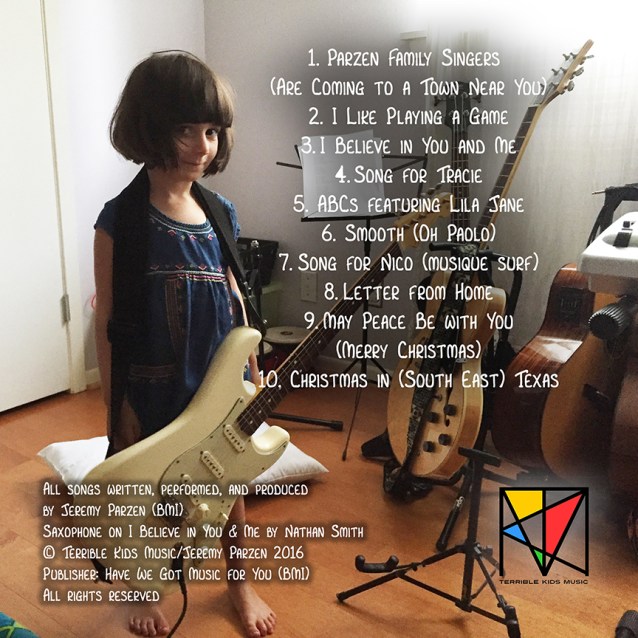
Here’s the new album, “I Believe in You & Me,” from Parzen Family Singers. Please download it from BandCamp FOR FREE and import it into your iTunes and play it LOUD. Nothing could mean more to me. THANK YOU! You can also listen via the SoundCloud embed below. And listen to our new single, “I Like Playing a Game (featuring Georgia P),” in the YouTube above.

It’s dedicated to my wife and lover Tracie P:

Before I met you I could hardly tie my shoes
Before you came into my life I could never lose the lonely blues
But knowing that you love me there’s no way that i could lose
You are my wife and lover, you are my muse

It may take a moment for the SoundCloud audio embed to load below.

Click here for Parzen Family Singers “I Believe in You and Me” BandCamp.

THANK YOU FOR LISTENING TO OUR MUSIC. IT MEANS THE WORLD TO ME.

Happy holidays, everyone!

back-cover-2016

8 wine blogs Italian wine professionals need to know @UniSG

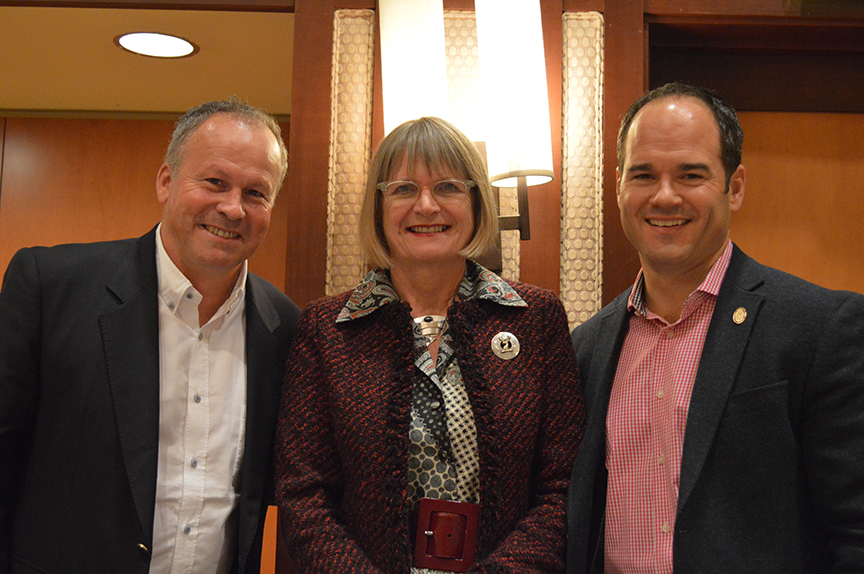
jancis-robinsonAbove: I caught up with Jancis Robinson (center) this fall at the Boulder Burgundy Festival, where I serve as the event’s official blogger. Some people call her “the world’s greatest wine writer.” She is. But I call her the world’s coolest wine blogger. She is super nice (and so delightfully funny as well). And hers is one of the 8 essential wine blogs Italian wine professionals need to know. That’s winemaker Étienne de Montille on the left, Master Sommelier and festival founder Brett Zimmerman on the right.

Among the English-language wine blogs that we discussed at length in our seminars last month at the University of Gastronomic Sciences in Piedmont (for the Master’s in Italian Wine Culture), there were two that I didn’t include in a post yesterday on eight wine blogs that Italian wine professionals need to know: one was Elaine Brown’s Hawk Wakawaka Wine Reviews and the other was the Jordan Winery Blog by Lisa Mattson.

I didn’t include them because neither focuses on or publishes regular content devoted to Italian wine. But both merit the attention of anyone working in the fine wine trade today.

Elaine’s, because of the way she has pushed the envelope and expanded the horizons of wine blogging. Over the arc of her career as a wine-focused writer, she has created a sui generis form of enoscripture, blending the personal, the political, and the vinous in a stream and feed of often spectacular and compelling quasi-real-time memoir (can you tell I am a fan and a friend?).

Lisa’s, because, perhaps to a greater extent than any other, she has elevated the benchmark for what social media can do in terms of promoting awareness and visibility of a wine and winery brand. In the days that ran up to the U.S. presidential election, as my students and I met for our seminars, we watched Lisa lambaste the now president elect like the fat Christmas turkey he is. It was a bold and audacious move for a California winery brand (and I agree with and share the sentiment wholly). But beyond (our shared) political or ideological leanings, it revealed an authenticity and a deeply personalized approach to marketing that Lisa has mastered despite and thanks to an impressive technical apparatus that she has realized. Brava, Lisa!

Of course, we also discussed Alder Yarrow’s pioneering blog, Vinography. He was one of the early trailblazers of America’s new wave of wine writing (I remember when Lettie Teague made him the first wine blogger to speak at Aspen).

Tom Wark’s excellent Fermentation was another we looked at in Piedmont. Another one of the great pioneers of the new wave and another benchmark for what can be achieved in terms of activism and marketing in the wine trade.

And last and least, we gave honorable mention to the venerated Italian wine critic and broadcaster Levi Dalton, that beloved denizen of the New York wine scene, a Donald Trump among wine dilettanti (remember the song I wrote for him last year?).

Here are the eight that I profiled for UniSG this week: not an exhaustive muster roll but a hand list and a good place to start (not finish) for Italian wine professionals.

Click here to learn more about UniSG’s Master’s in Italian Wine Culture Program.

Op-ed: Prosecco growers are not “exterminators” as some in the media have portrayed us

prosecco-grape-bunchUnnoticed by America’s wine-focused media, a recent episode of the popular RAI-produced news show “Report” entitled “Prosecco Village” portrayed Prosecco growers and bottlers as greedy entrepreneurs who have exploited the wine’s popularity at the expense of residents of the Veneto and Friuli-Venezia Giulia. Aggressive spraying of vineyards, claim the show’s producers, have led to higher levels of cancer and other illnesses among people who live there. “Report” is known for its controversial and often sensationlistic coverage. (Its show devoted to “cancer-causing” wood-fired ovens in artisanal pizzerias in Naples was a recent example of its over-the-top approach to Italy’s food industry.) The episode created quite a stir in the Italian wine world, with many pundits and artisanal winemakers defending the Prosecco growers. For Italian readers, in case you missed it, see this post by my friend and colleague Alessandro Morichetti for Intravino. Today, I translated the following op-ed by my client (and friend) Luca Ferraro, a certified organic grower in the Asolo Prosecco DOCG and one of the winemakers I admire most for his honesty and earnestness.

Have you noticed? Recently, it seems that giving Prosecco a bad name has become an international trend. Everyone needs to spend at least five minutes of her/his time explaining the reasons behind the phenomenon of the most widely sold Italian sparkling wine in the world. And if possible, they have to give the story a negative spin. It seems that our planet is suddenly full of brilliant people who want to become presidents and directors of grape grower consortiums. The attacks arrive from every corner: Sensationalist TV programs, environmentalists, winemakers from other appellations, each with their own score to settle.

Prosecco is on an express train. People like it. Everyone can appreciate it. It’s easy to understand. It can be served for nearly every occasion. Excuse the expression but a lot of people are pissed off that such a simple wine has claimed such a large slice of the market.

Today, I’d like to address the “environmentalist branch.” But first I’d like you note the following figures.

The three Prosecco DOCG townships:

Asolo – roughly 1,000 hectares planted to vine
Conegliano-Valdobbiadene – roughly 8,000 hectares planted to vine

Prosecco DOC, which includes Treviso province and Friuli-Venezia Giulia – roughly 25,000 hectares planted to vine

Despite the wide area where Prosecco is produced in its various expressions, critics have focused on the hills of Conegliano and Valdobbiadene. In those townships, the density of vineyard plantings is certainly higher. But it’s this very characteristic that has made the landscape there so compelling. Over the course of the decades since the Second World War, wise and able farmers have shaped its beauty like they were new Canovas, lovers of their appellation and the places where they make their homes.

The beauty of these places has prompted a growing number of people to settle there. They come seeking the peaceful and enchanting countryside and they want to be in contact with nature.

But this can lead to problems when the townships allow people to build homes among the vines, often refurbishing old barns. They don’t stop to consider that these same persons can decide, from one day to the next, that you, a grape grower, who has always lived there, can no longer spray your vineyards because it might bother them.

I’m certainly not here to claim that there haven’t been problems when farming and humans live together. There are still problems today. But journalists often decide to foment fear by claiming that our area is a sure-fire source of tumors and other grave illnesses. They claim that our vines cause landslides and flashfloods. They present grape growers as if they were exterminators. And when they do so not to engage in earnest and well-documented journalism but merely in order to raise their number of shares and clicks, I need to share my two cents.

Local government officials in Treviso have created a roundtable to understand the problems in Prosecco today. I’ve been fortunate enough to participate in the gatherings as a member of FIVI, the Italian Federation of Independent Grape Growers. Other participants include town mayors, consortiums, environmentalists, citizens, and other professionals.

We have spoken to researchers who study disease data and they tell us that the incidence of tumors is lower than in the rest of the Veneto region and it aligns with national levels. We have spoken to Italian Forest and Wildlife Rangers who inform us that that the number of forest fires is lower because there is less fallow land. We have discovered that it’s thanks to grape growers who manage “green” areas that there are fewer landslides and flashfloods, catastrophes that are caused by blight and overdevelopment.

Nobody ever talks about the efforts by the consortiums to study and create protocols that limit the use of chemicals to treat vine disease.

Nobody ever talks about how farmers are constantly trying to follow the consortiums’ recommendations and guidelines in order to better manage the vines. Over the last 15 years, the use of chemicals in the vineyards has consistently decreased.

Nobody ever talks about how there is a new generation of grape growers, with attitudes very different than 40 years ago. They work together to study, to research, and to tackles problems in the vineyards with the best possible results in every given vintage.

Nobody talks about the townships’ aggressive regulation of our work, something that we must rightly adhere to.

Nobody talks about how the water table in the Veneto region has a bill of health that puts it far under the threshold for risk. That’s because the Veneto region has one of the most aggressive protocols in Italy for the collection of data, the number of sites monitored, and the number of substance monitored.

And all of this was in place long before the TV cameras arrived.

We can always improve in our work and in our lives. And it’s our duty to work together to make the hills of the Prosecco DOCG a beautiful and healthy place.

It’s party of what we do for a living. Can you think of a quality producer of wines who isn’t interested in making her/his workplace healthy and beautiful to behold? How could we grape growers deface our true master in our lives and our work?

One thing that we often forget to say, as if it were an insignificant thing, is that grape growers are the first and foremost to “live” their appellation. We were born here and we live here. And this is our home.

Luca Ferraro
grape grower, winemaker
Asolo Prosecco DOCG