 I rarely indulge in what Tracie P and I call “day drinking.”
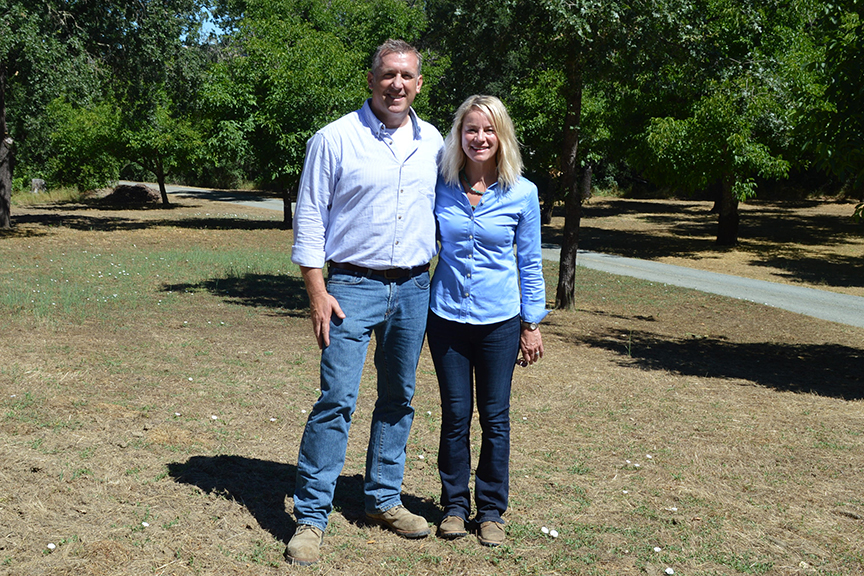
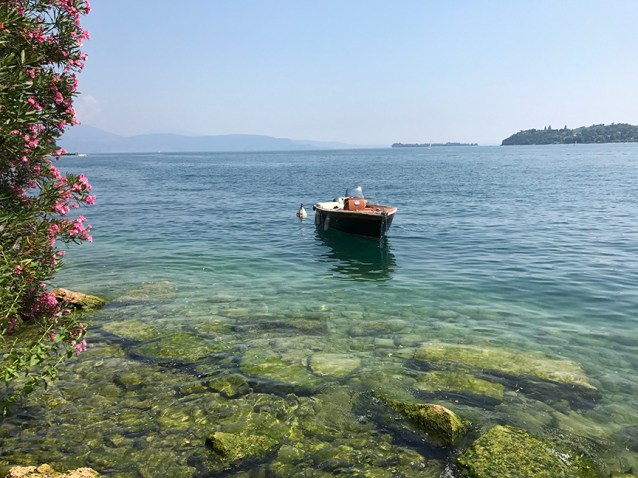
But yesterday, after my first morning dip into the chiare, fresche, e dolci acque (clear, fresh, and sweet waters) of Lake Garda, I couldn’t refuse the gin & tonic offered me by my lovely host Tony (see below) whom I’ve known almost as long as I’ve loved my Brescian bromance, Giovanni. It all went downhill from there.
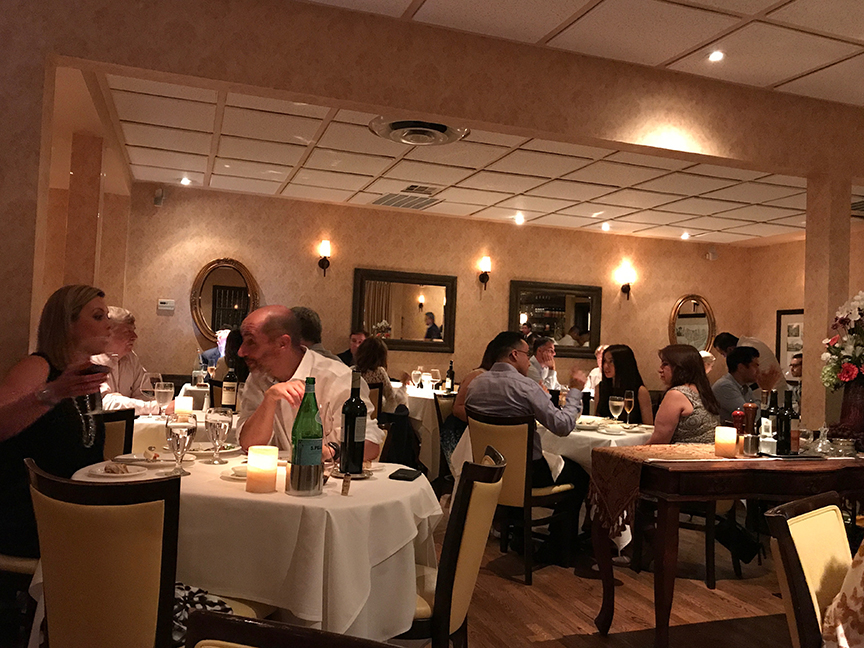
 A lot of Facebook folks have been asking me where I was partying on the lake yesterday: we were at Tony’s private rental house just outside the village of Salò, not far from the Palazzo Martinengo, where Mussolini’s secretary once ran the Italian Socialist Republic — the Fascist state established after the Armistice of Cassibile in 1943.
The catering was by the amazing Gianni Briarava, our friend and a Lake Garda legacy chef, winner of Michelin stars but now at the helm of the more toned-down Locanda del Benaco, a lakeside hotel and restaurant. I highly recommend it (it has a jaw-dropping 4.9-star rating on Google, btw; I can’t seem to find a website for the venue but that’s a good sign if you ask me).
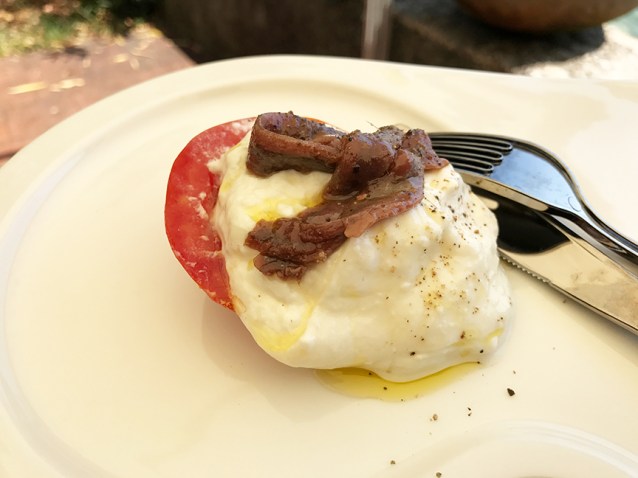
Gianni is so rad: that’s his burrata with salt-cured anchovies and summer tomato. Let me tell you, folks, that was a game-changer dish on my palate.
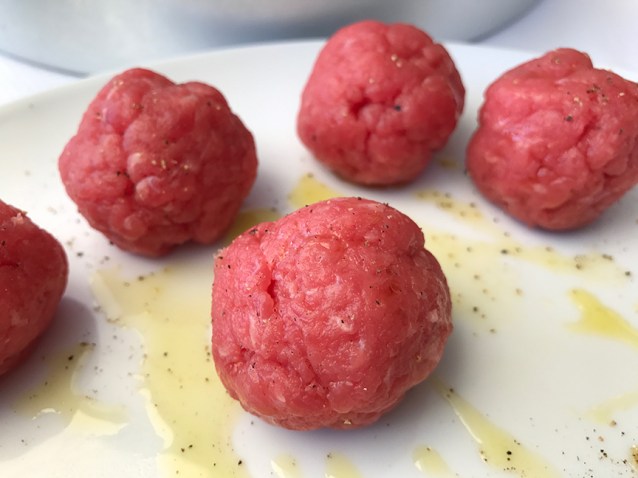 Those are his battuto di fassona (Fassone [or Fassona] beef tartare) “meatballs.” Ridiculous, right?
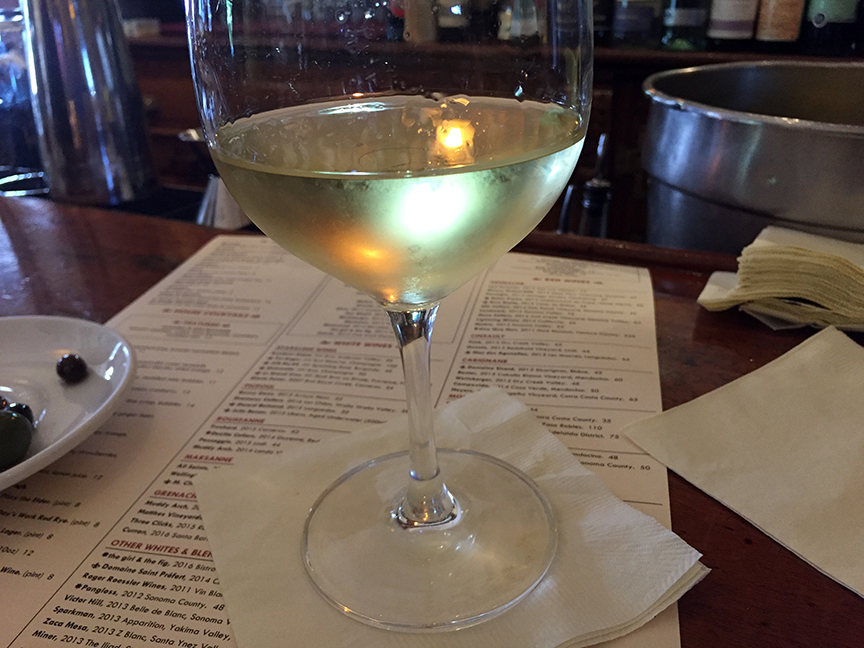
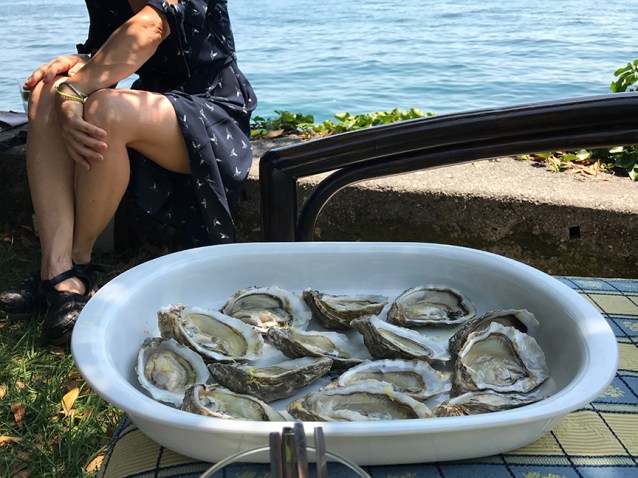 Brittany oysters paired brilliantly with Pasini Lugana metodo classico (“Trebbiano with a small amount of Chardonnay,” said the consulting enologist, who happened to be on hand).
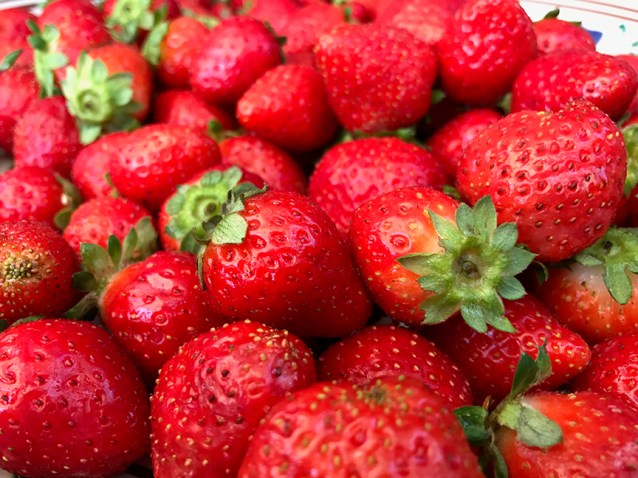 Locally harvested strawberries for dessert, among many other delights (I only wish I would have taken more photos, Gianni, but the party was too good!).
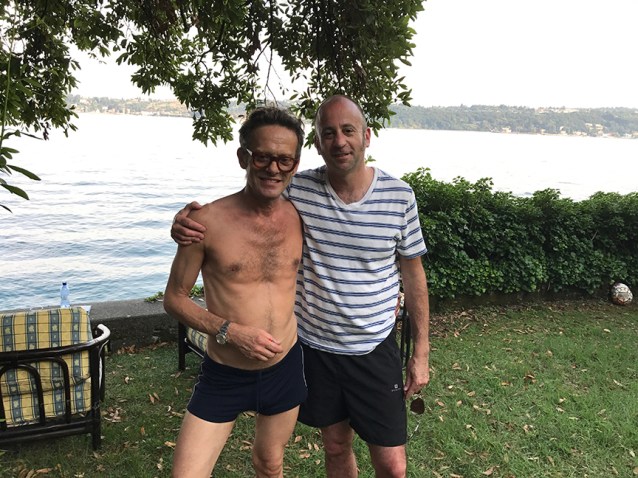 Tony, my friend, thanks for letting me tag along for your excellent birthday party. I can’t think of better way to get my own birthday week kicked off right. That gin & tonic was the best I ever had and I’m now heading home with the perfect tan…
See you on the other side…
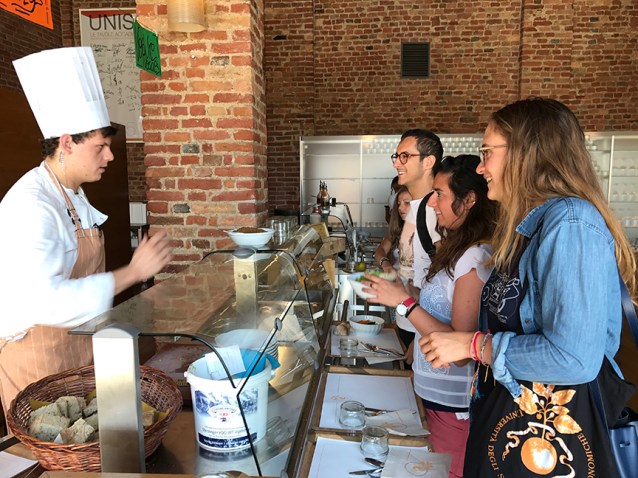 As much I as cherish my memories from my university days in California and Italy, I realize now that the cafeteria food really sucked back then.
 That’s tartrà on the right, a savory pudding made with eggs, onions, and herbs, a classic dish of Piedmontese country cooking.
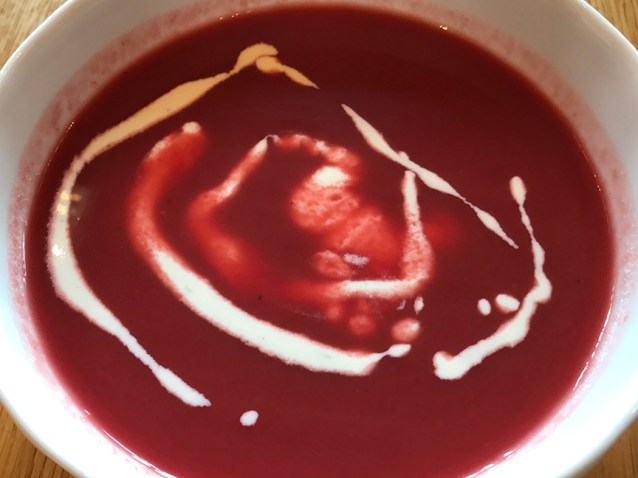 Our one Russian classmate and I bonded over the beet soup that was also on the menu yesterday.
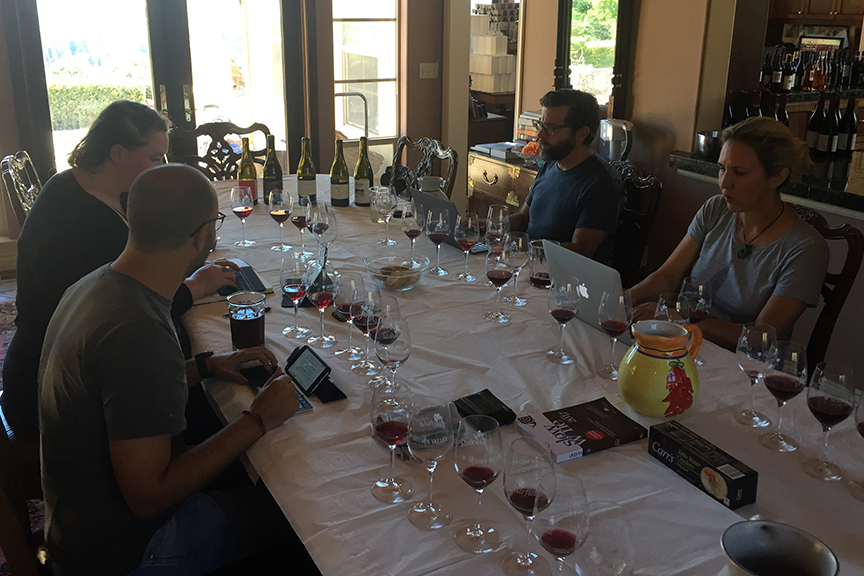
  We are halfway through our culinary writing class and this afternoon, following our morning session on food blogging and social media trends, I’ll lead my first seminar on “Wine in Boccaccio’s Decameron.”
 That’s Italian wine legend Giorgio Grai (above, right) with leading Italian wine retailer and former winemaker Francesco Bonfio, co-founder of the newly launched
  The other new wine (and Italian wine) resource I’m really excited about is Alice Feiring’s newly released book
  And lastly, from the department of “all the news that’s fit to blog about,” I was catching up on my Feedly this week when I read that