Italy driving tips: speeding tickets, tolls, international driver’s permit, Waze, DUIs, wi-fi, etc.

When you work in the wine trade like me, it’s almost impossible to avoid renting a car when you travel to Italy.

Italy’s big cities have fantastic public transportation. And the inter-city rail system is also wonderful.

But when you travel to wine country, there’s really no other way to reach your out-of-the-way destinations than by motor vehicle.

I just got back from a two-week trip to Italy where my main means of transportation was an Avis rental. Here are some insights that I’ve gleaned over the years and on this last sojourn.

– get an international driver’s permit.

I’ve never heard of anyone having problems when traveling without one but I have heard that some rental car companies are refusing to rent to people who don’t have one. I get mine every year at AAA. It’s super easy and takes just a few minutes. Why risk it?

– manual transmission is the standard.

Many people are surprised to learn that you have to make a special reservation for an automatic transmission cars (and it costs more). Stick shift is the norm in Italy.

– nearly all rentals are diesel.

Every car I’ve rented over the last 20 years has been diesel. Fuel, in general, costs about four times as much in Europe. When you go to the gas station, “diesel normale” (regular diesel) is the way to go and that’s what the attendant will ask you when she/he fills your car (look for “servito” at the pump if you want
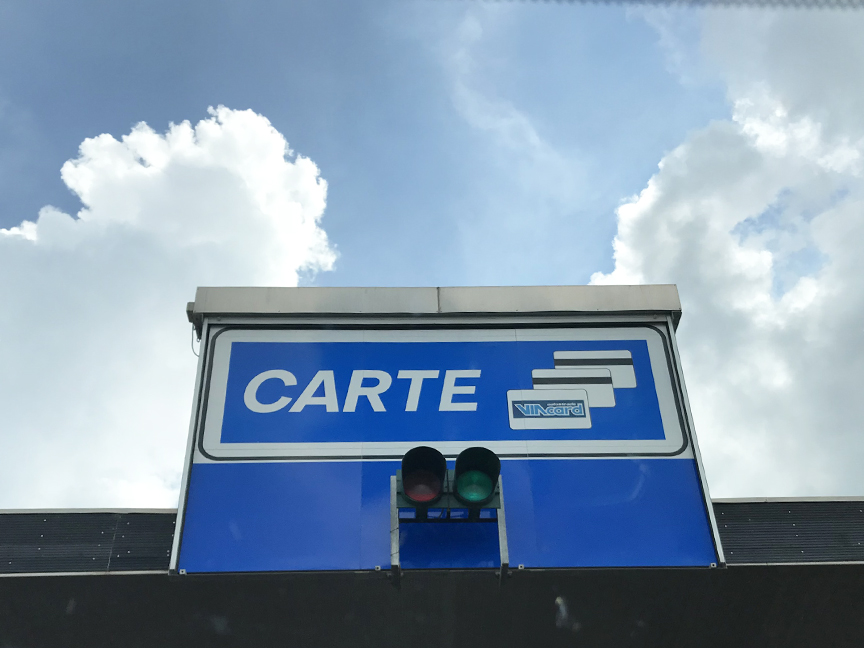
– pay freeway tolls with your credit card.

Look for the “Carte” sign when you roll up to the toll-booth when exiting the freeway. When you enter the freeway, you’ll be prompted to take a ticket. When you exit, use the lane with the “Carte” sign (like the one above) and just insert your ticket and then wait for the prompt to insert your card (the automated voice will ask you to insert your “tessera,” which means “card” in Italian). You can get a receipt by pressing the button labeled “ricevuta.”

– observe the speed limits and expect hefty fines (that will catch up to you!).

Italy, like all of Europe today, has strict enforcement of speed limits. The limit in small towns is 50 kilometers per hour and the speed cameras WILL catch you. If you do get a ticket, the car rental agency will charge you for a processing fee and you will probably receive a hefty fine (180 euros and above) at some point down the road. It’s a pain to pay it (see this post on speeding tickets). I know at least a handful of people who have been denied at rental agencies because they have outstanding tickets. Here’s a good Wiki with info on speed limits and other traffic laws, in Italy and across the EU.

– use Waze if you have data coverage.

I don’t even go to downtown Houston these days without using Waze. It works really well in Italy and one of the coolest things about it is that it alerts you to speed traps and speed cameras.

– Italy, like all of Europe, has zero-tolerance for buzzed and drunk driving.

A lot of folks probably don’t realize this but buzzed driving is actually legal in the U.S. I learned that when I was in a jury pool on a drunk driving case in Texas a few years ago. Europe has ZERO TOLERANCE for buzzed and drunk driving and there are random check-points everywhere. Even one glass of wine takes you over the legal limit (no joke). I’ve never heard of an American being arrested but I have heard of extremely severe penalties for buzzed drivers in Italy. When you go out to a restaurant and expect to drink, a designated driver is a must.

– Autogrills often have good wi-fi now.

I love Italy and the Italians and I have made a career out being a student of Italian culture (including viticulture). But, man, the wi-fi situation there really sucks. Autogrill is the ubiquitous freeway cafeteria, fast food, and gas station in Italy. And many locations now have solid wi-fi. On this last trip, I ended up spending two hours at the Cantagallo Autogrill just south of Bologna on the A1 freeway after my hotel in Siena left me without wi-fi all morning.

These driving tips are by no means exhaustive or comprehensive. My insights are based on my own travel experiences and are by no means an official representation of driving laws, norms, or best practices in Italy or the EU. Having said that, I hope they are helpful. The last thing you want is for the stress of driving to ruin your trip to Italy this summer. My best advice: observe speed limits religiously and NEVER drive buzzed or drunk.

Our children, our times…

Yesterday, our family attended a fund raiser for our children’s public elementary school in Houston, Texas. The day before, less than an hour car’s ride to the south, children and adults lost their lives in yet another unspeakable tragedy.

When the right to bear arms bests children dying in our schools…

When the right to wave a flag bests the dignity of those it offends…

When the right to wealth bests the neediest among us…

When the right to succeed bests others’ deliverance from despair…

When race bests community, when creed bests Moses’ law and Jesus’ word…

When complacency bests opposition to injustice…

When indifference bests love…

Who are we?

Boccaccio’s Marchioness of Monferrato, an ante litteram #MeToo icon

Above: A detail from John William Waterhouse’s “Decameron” (1916). In Boccaccio’s Decameron, young Florentines flee the Black Plague, taking refuge in the countryside and telling each other stories to pass the time. It’s one of the greatest works of Italian literature and it includes one of the earliest mentions of wine in Monferrato (image via Wikipedia Creative Commons).

As I whittled away at my post today for the Barbera consortium blogging project (“Fit for a King: The first mention of Barbera d’Asti?”), it occurred to me that the main character in Boccaccio’s novella “The Marchioness of Monferrato” is an ante litteram #MeToo icon, not to mention an extraordinary gourmet.

For two years now, I’ve been working on my own research on wine in Boccaccio and (what I believe is) its essential role in the Tuscan humanist’s Italian masterwork. And so it was only natural that I would take a philological paring knife to the description of a feast in the tale and try to uncover what Boccaccio meant when he wrote of the “excellent and precious” wines of Monferrato (where Barbera is famously grown today). You might be surprised by my close reading of the text.

Please check out my post here.

Rereading the text for the umpteenth time, I realized that it had never dawned on me: in using her wit to repel the unwelcome advances of the king of France, who uses his position of power to corner her while her husband is away, she is an early feminist and #MeToo icon. Especially when read in the context of courtly love and its code, she is a victim who rises above her times and cultural hegemony. She subverts that code by means of culinary and convivial artefice, making the tale even richer in meaning in my opinion.

The tale is a shorter one and it will take you just a few minutes to read it (in English here). The ending is even more powerful, I believe, when read in the light of gastronomic wokeness.

Thanks for reading. I just got back an exhausting but great trip to Italy. So many wines and adventures to share! Stay tuned and please come out and taste with me and Alicia tonight in Houston… Thanks for being here.

Taste with Alicia Lini and me Wednesday @VinologyHouston

It seems like a lifetime ago… It was back in 2006, while I was still living and working in New York, that I helped to bring Alicia Lini’s wonderful Lambrusco to the U.S.

I couldn’t be more thrilled to share the news that her family’s wines are FINALLY available in Texas.

She’s one of my best friends in the wine business and I’ve been giving her a hand as she expands her brand’s presence in the states.

On Wednesday night, she and I will be pouring three of her family’s wines at Vinology (one of my favorite wine bars) in Houston. Please join us.

In other news…

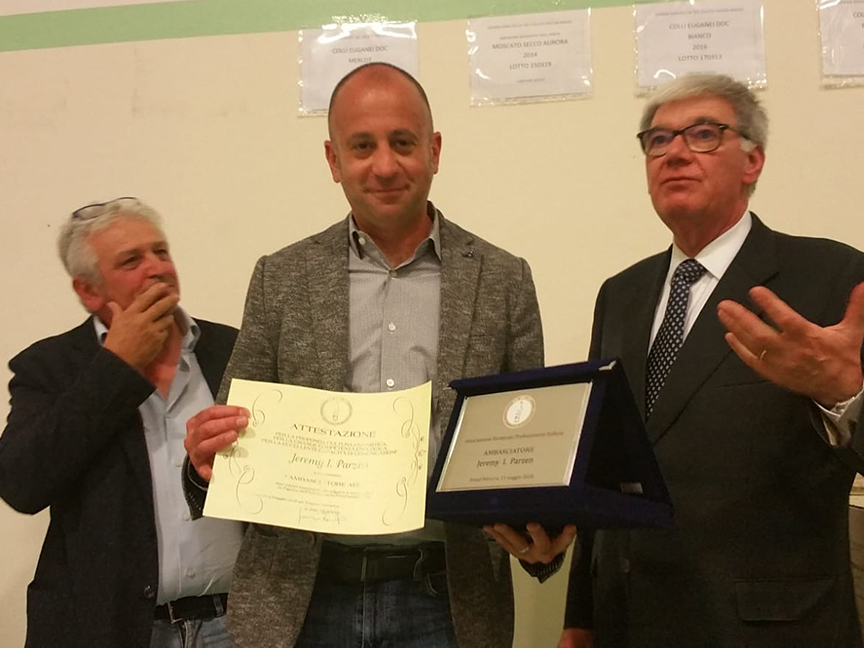
It’s enough to make a Jewish mother proud: last night the Italian Association of Wine Shop Professionals made me one of its official ambassadors. The title came as a complete surprise to me but it couldn’t have arrived in a more ideal setting — the Euganean Hills, my special place in Italy.

More on that later. But I’m about to head out for a very special evening in Milan with my dissertation advisor, the Milanese poet Luigi Ballerini. I’ve been looking forward to this evening for many months and there couldn’t be a better way to end this truly amazing trip to Italy…

Thanks for being here and hope to see you on Wednesday in Houston!

Happy Mother’s Day, Tracie P! I love you, we love you…

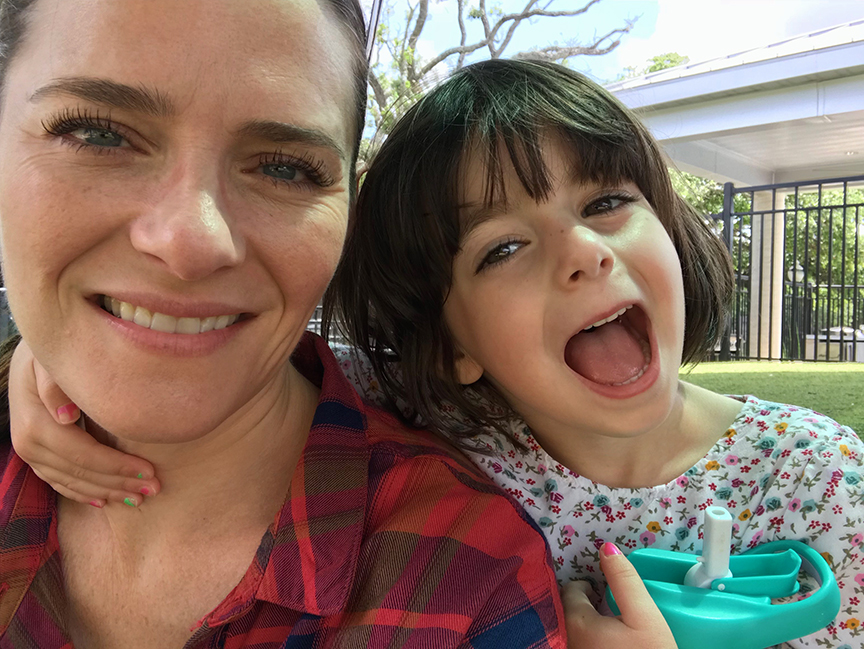
When I landed in Frankfurt, Germany a week ago last Tuesday, I turned on my phone to discover that Georgia P, age 6, had fallen from a hammock at our family’s favorite park and broken her collar bone.

“Should I turn around and come back home?” I asked Tracie who was rubbing the sleep from her eyes when we spoke around midnight Texas time.

“No, no, no, she’ll be fine,” she said. “The doctor at the urgent care said to be sure to go to a orthopedic specialist but she’ll be fine.”

Later that day, they had already seen a pediatrician who said she wouldn’t have any trouble healing.

By Friday, Georgia was back at school and her kindergarten class welcomed her with a necklace and pendant. She was proud to show off the badges Tracie had ironed on to her sling.

Tracie P, happy Mother’s Day! I love you, we love you… Georgia and Lila Jane are so lucky to have you as a mother, so caring, loving, and attentive. And I am blessed to call you my wife.

We have built such a wonderful life for our girls and ourselves in our little corner of Houston. It never would have happened had we not fallen in love and decided to grow a family. I love you, we love you… Happy Mother’s Day!

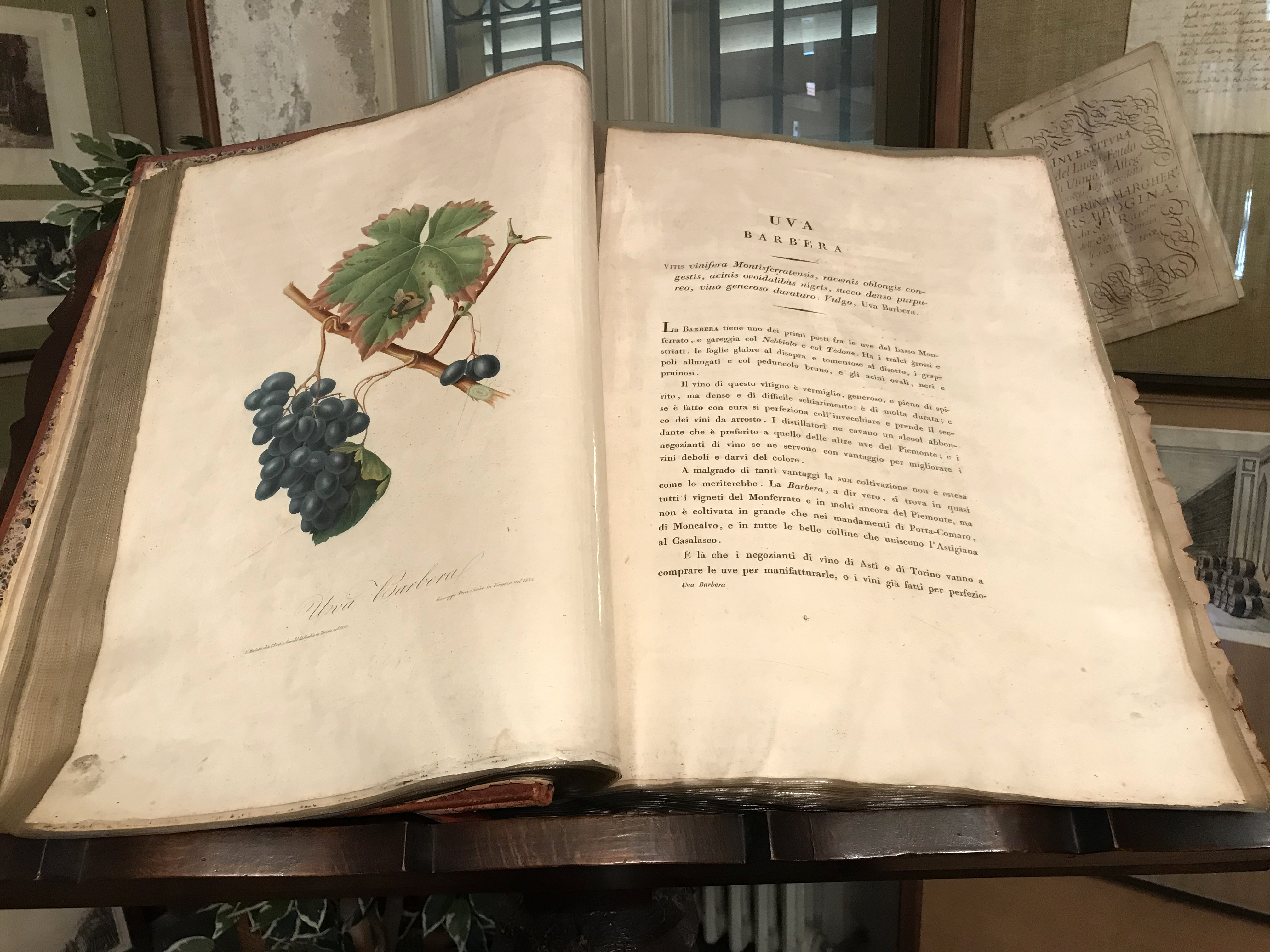
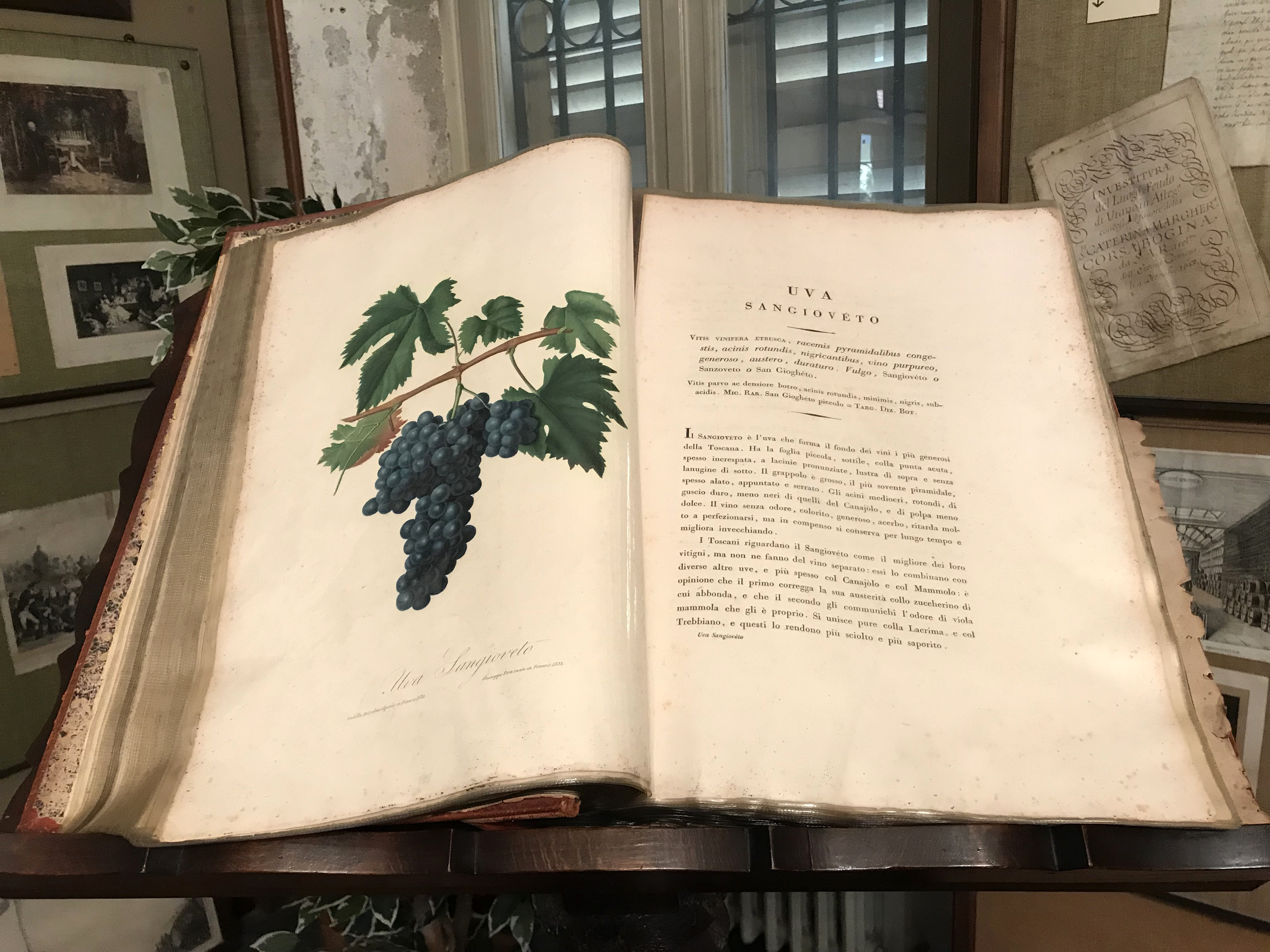
An editio princeps of Gallesio’s Pomona! Enough to make me swoon…

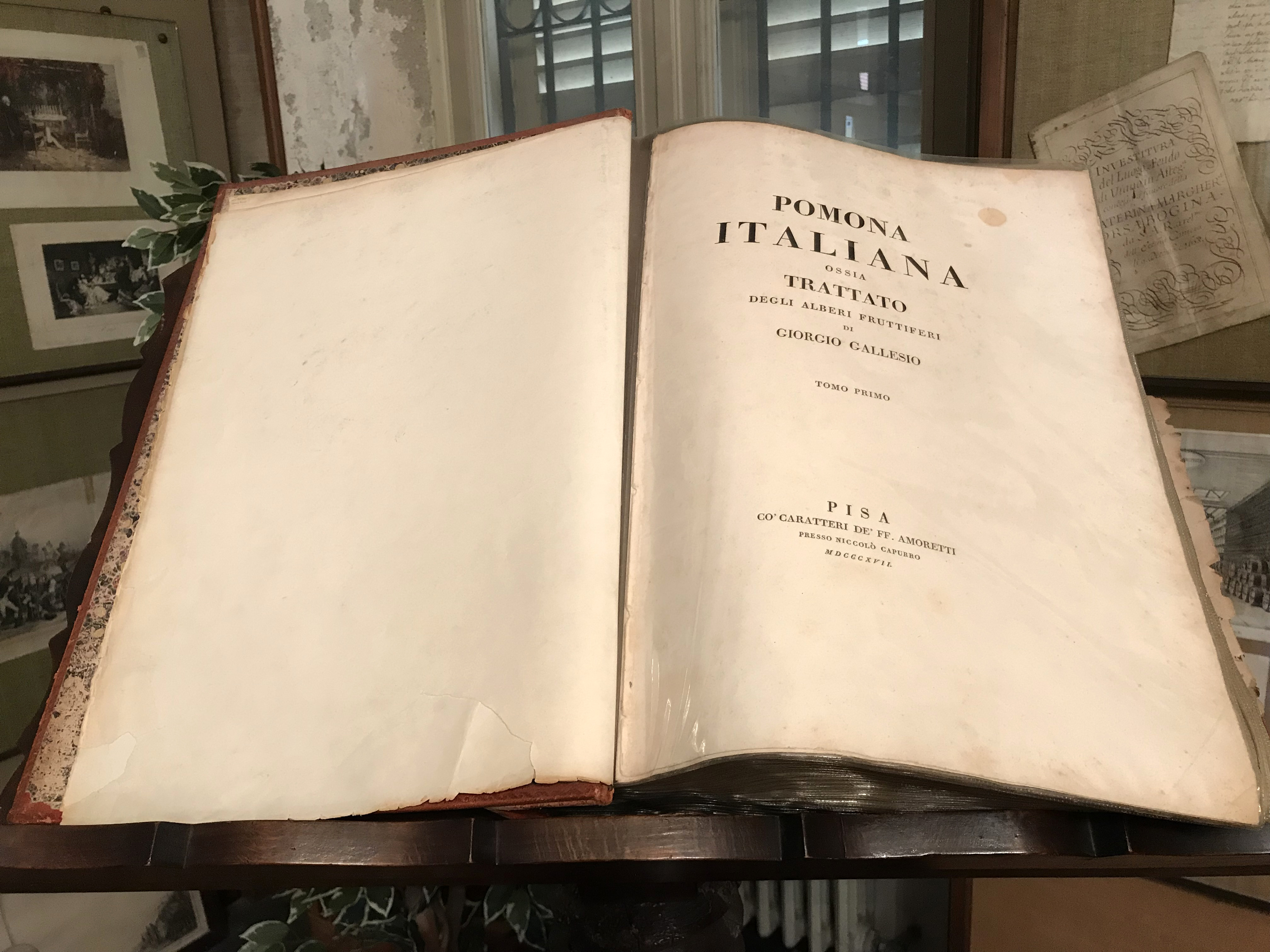
Between libraries in the U.S., England, and Italy, there are roughly 10 extant copies of the first volume of Giorgio Gallesio’s Pomona italiana (Italian Pomology), published in Pisa in 1817. There are another couple of copies to be found in German libraries, at least according to WorldCat.org (a go-to online bibliographic resource). Of course, there are also an unknown number of exemplars in private collections.

The landmark work of 19th-century botany is more properly known as Pomona italiana ossia trattato degli alberi fruttiferi contenente la descrizione delle migliori varietà dei frutti coltivati in Italia (Italian Pomology or Survey of [Treatise on] Fruit Trees, including descriptions of the best varieties of fruit grown in Italy), its complete title. And while the entry devoted to the fig tree is arguably the most famous and the most widely reproduced (including numerous modern reproductions and transcriptions), the volume devoted to grapes — the first in the series — is extremely rare.

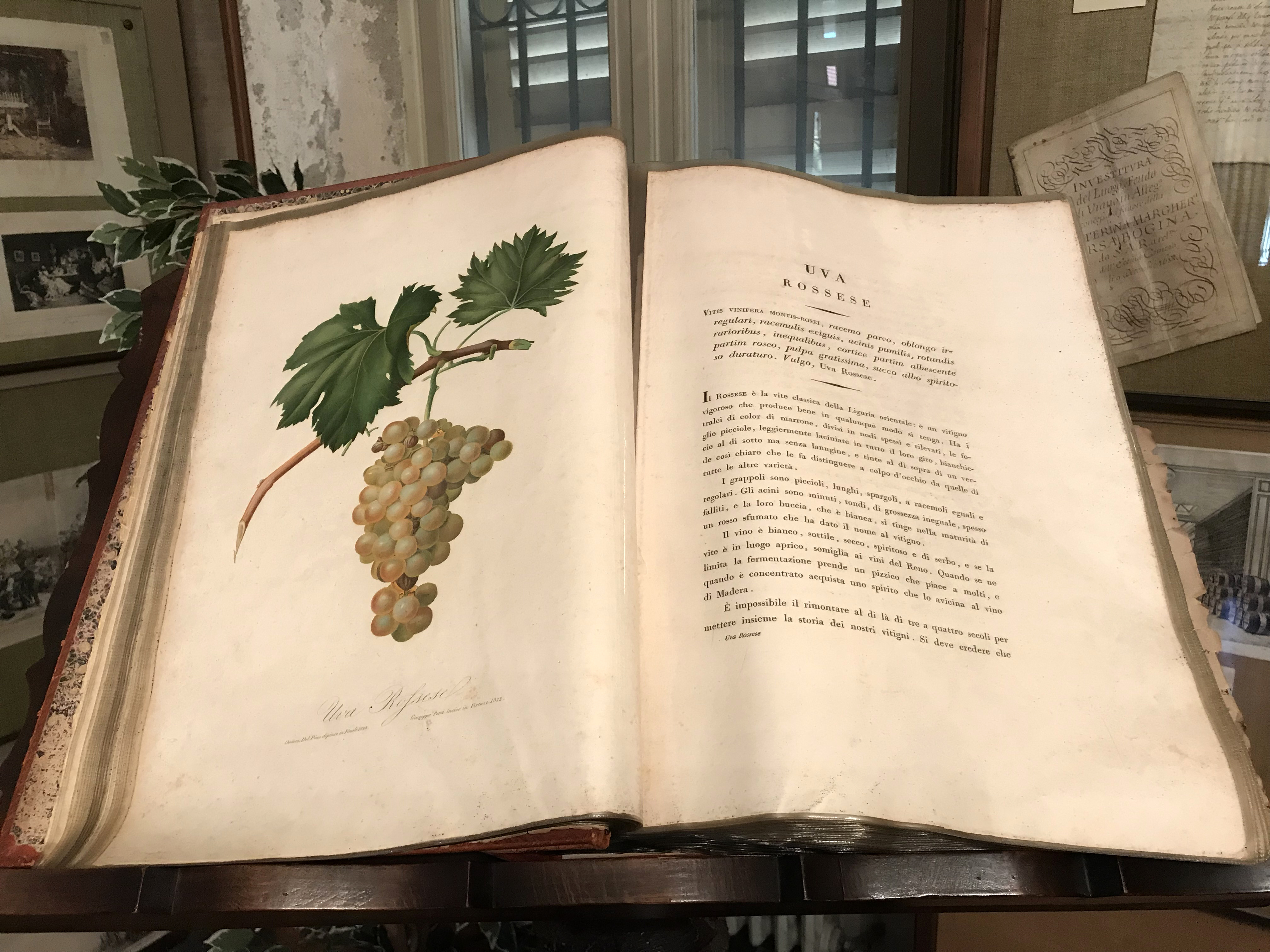
Earlier this week, thanks to my work with the Monferrato Growers Association, I had the immense pleasure of viewing a privately owned copy of the first volume at the Bersano winery museum in Nizza.

In other time in my life, I used to spend my days in dusty libraries in Italy, England, and New York, leafing through medieval manuscripts and early printed books. The Vatican, the Marciana (Venice), the Laurenziana (Florence), the Bishop’s Seminary in Padua, the Morgan (New York), the British Library (London, my favorite!), the Ahmanson-Murphy and the Getty (Los Angeles)… o man, those were some rich and happy days, when old old words, often hand-written, leapt off the page and spoke to me. I miss them.

Here are some shots from my all-too-short visit. Click images for high-resolution versions. Note the rare white Rossese, above!

Heartfelt thanks to the folks at the Monferrato consortium and at Bersano: sometimes a boy just gets lucky! I can’t wait to get back.

Brunellogate 10 years gone: Montalcino is stronger than ever

Above: Montalcino’s breathtaking beauty is rivaled only by its extraordinary confluence of culture, history, and tradition — and its enviable economic model.
When I translated this op-ed for Fattoria dei Barbi owner Stefano Cinelli Colombini this week (I manage and contribute to the estate’s blog), I couldn’t help but be blown away by the power of his observations (not to mention his wry humor).

“Wherever great wines are produced in Italy — Montalcino, Langhe, or Valpolicella — the same old litany of grievances [is] repeated again and again,” he observes.

“The show is over and all that’s left for us ‘locals’ to do is cry: Our villages aren’t what they used to be; a wine shop stands where you used to be able to buy underwear; everything is so expensive and you can’t even find a parking spot. We’ve sold our souls and our towns are filled with SUVs and the jerks who drive them.”

But he’d rather drive an extra mile or two for his underwear and zucchini, he writes:

    Our villages are wealthy and vibrant. And they offer many opportunities for our young people. Who are we to complain about not being able to find a good head of lettuce or a pair of underwear?
    A “real” community is a community that has developed its own social, economic, and cultural model for living… It’s a community that offers a sustainable future to its young people. And that’s what we are.

As he points out in the piece, rare are the communities where a natural disposition for fine wine growing is combined with robust culture, rich history, and deep-seated tradition. Montalcino, he notes, is one of those uncommon examples where a model for sustained prosperity has emerged thanks to a confluence of shared vision and viticultural inclination.

Such a community, he notes, “also needs to know how to preserve its identity and how to rise up again after a crisis. Because sooner or later, the other shoe will drop.”

As I read and translated that line, it occurred to me: 10 years have just passed since news of the “Brunello scandal” broke on the floor of Vinitaly, the annual Italian wine trade fair in Verona, in the spring of 2008.

Today, I can’t imagine an Italian wine industry observer who wouldn’t concur that Montalcino and perception of its wines among consumers and trade members are stronger than ever.

I recently launched a Brunello program at a restaurant where I consult in Los Angeles: after a string of highly rated vintages, it’s the only Italian wine “brand” that seems to sell itself. Our offering is arguably more esoteric than most of our competitors’ and few of our guests recognize the estates we carry. But that hasn’t hampered sales by any means. All it takes is the mention of “Brunello”… And in the three months since we debuted the selection, not one — not a single one — of the diners has mentioned the controversy.

“If I need to drive a couple of extra miles to buy some zucchini,” writes Stefano, “that’s fine with me. You can keep your radishes. I’ll take the Brunello instead.”

Sommelier, sommelier! I’ll have what he’s having!

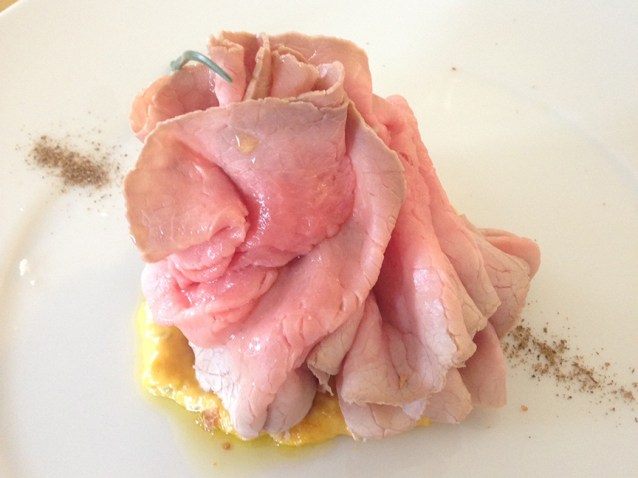
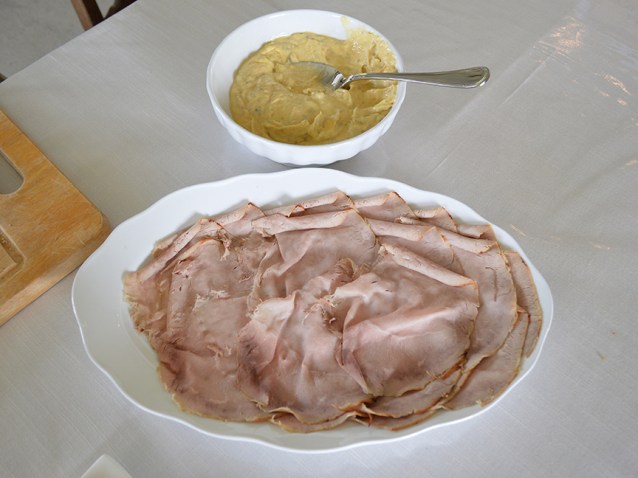
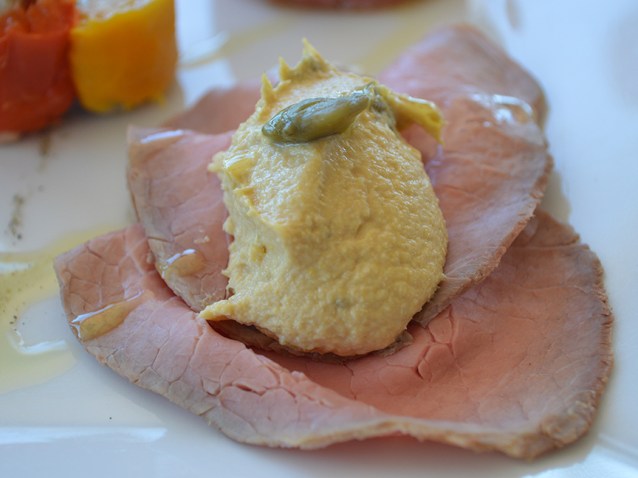
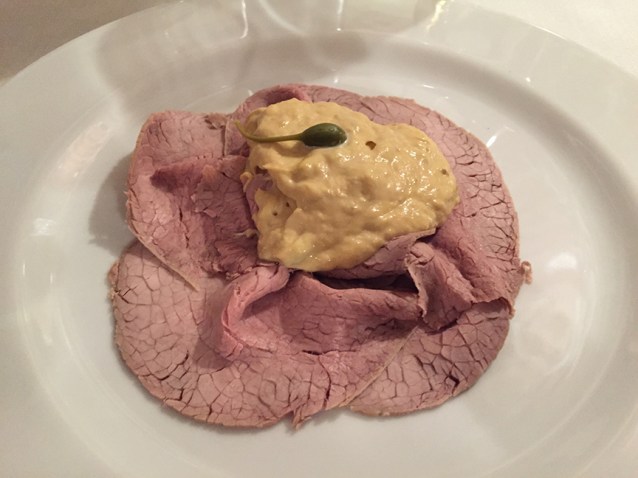
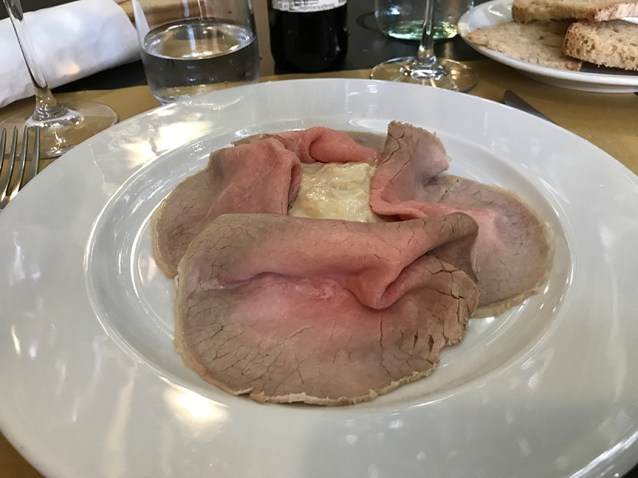
Vitello tonnato: a photographic retrospective

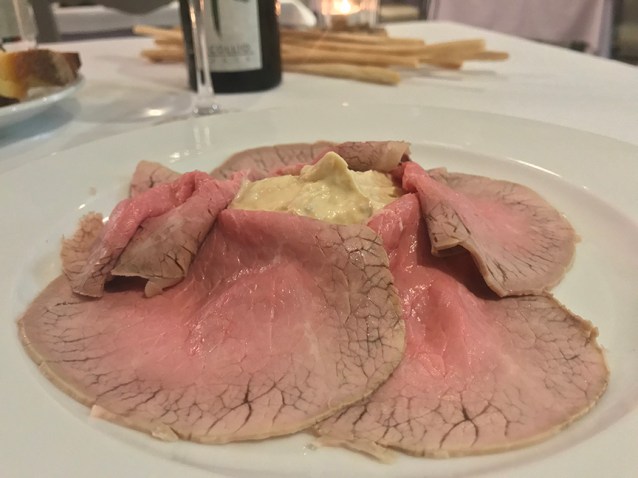
The photo above (snapped the other night at Battaglino in Bra where I’m teaching this week and next) prompted a robust thread of comments by fellow vitello tonnato lovers on my Facebook.
My friend Logan Cooper from Austin, a food blogger I admire greatly, wrote the following:

    The first time I encountered this dish I was a young man visiting Milan. I was confused, put off, and generally disparaging that such a thing wasn’t a weird joke on tourists. I was wrong. In the years since, this dish has held delight, surprise, and mystery. So many flavors, so many variations, still slightly baffling. If cognitive dissonance had a Italian mascot, vitello tonnato would be near the front of the line.

I love his candor and exhilaration.

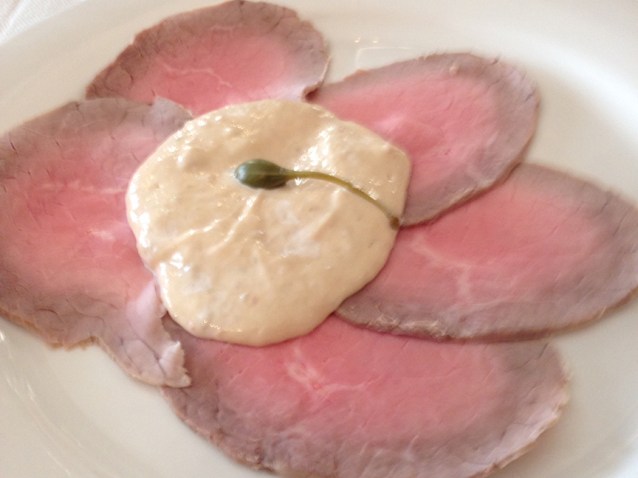
And I love vitello tonnato — roast or boiled veal, thinly sliced and topped with a sauce made from olive oil-cured tuna, salted anchovies, raw eggs, and brined capers — in part because of its deliciously satisfying character and in part because of its easy digestion. It’s a dish that “agrees” with me on every level.

The following are some interpretations I’ve enjoyed over the last few years. And here’s a translation of what is perhaps the earliest printed version of the recipe, Pellegrino Artusi’s. I rendered it into English a few years ago for Tenuta Carretta. Note the absence of egg.

Centro storico vinoteca.

Osteria More e Macine.

Poderi Colla.

Locanda in Cannubi.

Local Bra.

Battaglino (from last year).

Back on campus @UniSG and back in Barbera (debunking the “Louis Oudart” canard)

When professor Michele Fino, director of the master’s programs at the University of Gastronomic Sciences (the Slow Food university in Piedmont, above), asked me to deliver his department’s matricula lecture this term, I couldn’t have been more thrilled or honored.
This morning, I led the first of 12 three-hour seminars for the assembled group of master’s students: “Food writing from Maestro Martino to #MeToo: the arc of Marxist alienation in modern gastronomy.”

Needless to say, the first recipe we discussed was for pizza dough cinnamon rolls.

(Saturday marks the 200th anniversary of Marx’s birthday, btw.)

Teaching is always such a rewarding experience for me and we have an awesome group of genuinely motivated and thoroughly talented philomaths — a very international crowd this year. It’s a drag to be away from home but the students and our rich confabulations really make it worthwhile.

In other news…

My Name Is Barbera, a collaborative blog published by the Barbera d’Asti growers association, shared my most recent post for the group this morning: “When Barbera Saved the (Wine) World.”

The deeper I dig into my research into Barbera and its legacy, the more I realize that we would be (and should be) drinking Barbera today instead of Merlot… that is, had things played out differently. There’s no doubt in my mind: the grape variety was positioned to become the red grape of the world — par excellence.

I’ve discovered compelling evidence of its widespread popularity in the landmark Ampélographie universelle (1841) by Alexandre-Pierre Odart.

The French ampelographer (who existed) shouldn’t be confused with the canard Louis Oudart: despite the lack of any evidence whatsoever, many wine writers — Italian and American — continue to propagate the erroneous nugget that “Oudart” was summoned by Barolo grower Camillo Cavour (the noted Italian statesman and architect of Italy’s unification) because the latter hoped he would teach the Langhetti how to make proper wine.

Will the real Odart please stand up? He was much more interested in Barbera than in Nebbiolo.

Please check out my post: I think you’ll find my discoveries as fascinating as I do (and there’s a bottle of Barbera in it for anyone who can prove me wrong!).

In other other news…

I’m really loving Renaissance Woman: The Life of Vittoria Colonna (Farrar, Straus and Giroux, April 2018) by Ramie Targoff. I picked it up to read on the plane and haven’t been able to put it down.

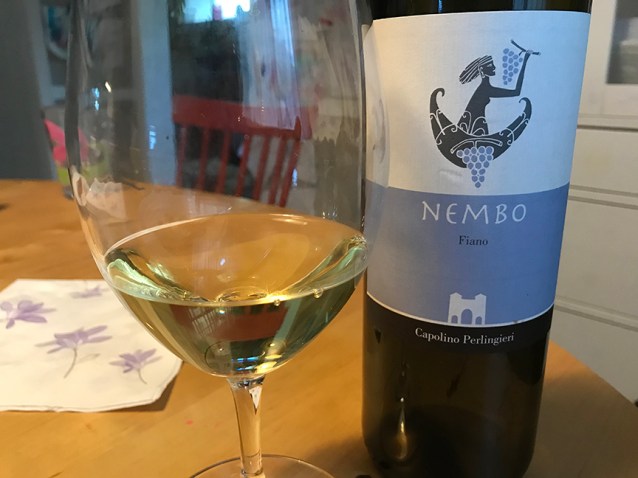
Fiano by Capolino Perlingieri, one of the best white wines from Italy anywhere I’ve tasted this year…

It may compromise my professional reputation to reveal that this extraordinary wine was paired with ketchup- and mustard-slathered Hebrew Nationals last night. But after the Parzen children had achieved a familial milestone yesterday, they had been promised “hot dog and fries” night. And a paternal promise is an inabrogable pledge.

Capolino Perlingieri wines from Sannio (Campania) first came to my attention six or so years ago in California where a couple of wine lists still bear my signature. The Falanghina was, hands down, one of the most compelling expressions of that grape variety available in the market at the time.

Today, it’s thrilling to see the wines finally land in Texas and exhilarating to see the gusto employed by local wine barkers in hawking them.

Weighing in at gorgeously balanced 12 percent alcohol, the 2013 Sannio Fiano Nembo — yes, 2013 — crooned like a Parthenopean soprano in my glass, with notes of melon and apple, a hint of gentle citrus, and a Freudian red thread of minerality that seems to run through all of this young wineries bottlings.

A warm volcanic thanks is owed to importer Oliver McCrum for bringing this wine to my home and adoptive states. Check out his excellent, thoughtful profile of the estate and its wines here.

In other news…

You may have noticed that things are little bit quiet on the Italic peninsula this week. That’s because Italians celebrated Liberation Day on Wednesday of this week and on Tuesday of next week they will observe International Workers’ Day. Between the two national holidays (and with many wine professionals exhausted by a flurry of trade fairs last week), many offices are closed for the septimal.

The former marks the day Italians cast off the abominable yoke of Fascism and Nazism. The latter was established by the historic Socialist and Communists parties of the world to champion the proletariat and a vision of world piece.

Mais où sont les neiges d’antan?