
From the department of “nomen est omen”…
 Above: the celebrated 17th-century Italian actor Tiberio Fiorilli as Scaramouche (or Scaramuccia), the commedia dell’arte character that he popularized during his tenure at the Comédie-Italienne (image via the Wiki Creative Commons).
Like many of my fellow Americans, I’ve been dismayed by the ongoing degradation of civil discourse in our country, which most recently found its apotheosis in the figure of Anthony Scaramucci. Whatever your political viewpoint, there’s no denying that his embrace of vulgarity and profanity in mainstream media is yet another sign of the times and an indicator of the decline of politesse in politics.
But I have also been dismayed by the many pejorative and degrading stereotypes of Italian-Americans and Italians that have been employed by mainstream media in describing Scaramucci’s regrettable but sadly unavoidable — given the tenor and timbre politics today — approach to American politics and policy.
Yesterday, for example, I heard a commentator compare him to Joe Pesci’s character in My Cousin Vinny, the 1992 microagression against the progeny of Italian immigrants.
I’ve also heard a number of journalists make allusions to the lyrics of Queen’s “Bohemian Rhapsody” — Scaramouche, Scaramouche, will you do the Fandango — where the band purposefully employs (literal) gibberish as literary nonsense.
Like the French calque scaramouche, the family name Scaramucci comes from the Italian scaramuccia, which means and is akin to the English skirmish (both terms probably come from the Frankish or Longobardic skirmjan).
The surname is still commonly found in Italy, mostly in Tuscany and the Marches. And even in the wake of the recent seismic activity in Italy, Palazzo Scaramucci — a trace of the noble Scaramucci family that once thrived there — still reportedly stands in Norcia.
When I looked up scaramuccia in the Treccani encyclopedia (Italy’s Britannica), I wasn’t surprised to find that an early example of its usage is ascribed to Machiavelli in his Discourses on Livy, where the historian reflects on Roman models of conquest and governance with an eye to politics and warfare in his own time.
He offers the definition of scaramuccia in his chapter on “what esteem artillery should be held by armies at the present time, and whether the opinion universally held in its regard is sound.”
“It is an accepted maxim,” writes the author of The Prince, “that against a heavy massed attack, artillery is powerless. For this reason the defending of towns against the fury of ultramontane [northern nations’] attacks has not been successful… [But] against the assaults of Italians they have been highly successful, for the latter do not attack en masse but in detachments, a form of attack for which … the best name is skirmishing [skirmishes, scaramucce, the plural of scaramuccia].”
(Translation by Leslie Walker, revised 1970, Penguin.)
Artillery was the cutting-edge weaponry in Machiavelli’s era. To offer some context, firearms like the arquebus, an early form of the long gun, were first introduced into combat in Machiavelli’s time. How wars were fought was a major concern to him and his contemporaries.
In the century after Machiavelli, scaramuccia would enter the public consciousness with the rise of Tiberio Fiorilli’s role as Scaramuccia in the Comédie-Italienne.
According to the Britannica, Scaramuccia was a “stock character of the Italian theatrical form known as the commedia dell’arte; an unscrupulous and unreliable servant. His affinity for intrigue often landed him in difficult situations, yet he always managed to extricate himself, usually leaving an innocent bystander as his victim.”*
To borrow a phrase dear to Dante, it would seem that nomina sunt consequentia rerum.
* From the Britannica: “Scaramouche was originally a variation of the commedia character Capitano, a braggart soldier. The role was closely associated with the Italian actor Tiberio Fiorillo (1608–94), who played without a mask. He transformed the military role to that of a comic servant, usually an indigent gentleman’s valet. His costume was black breeches, jacket, cloak, and beret.”
 Above: image via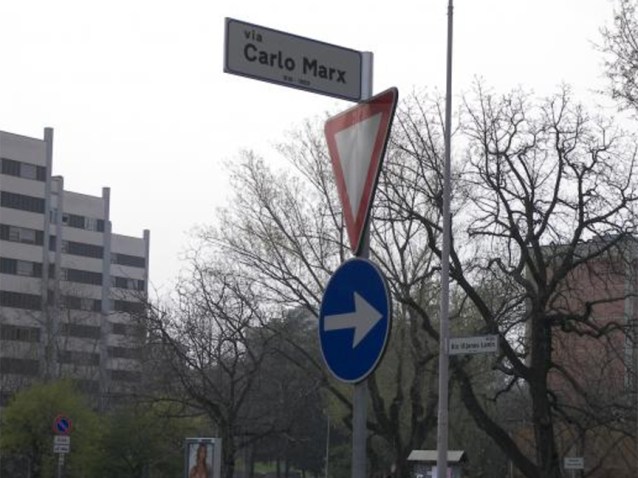
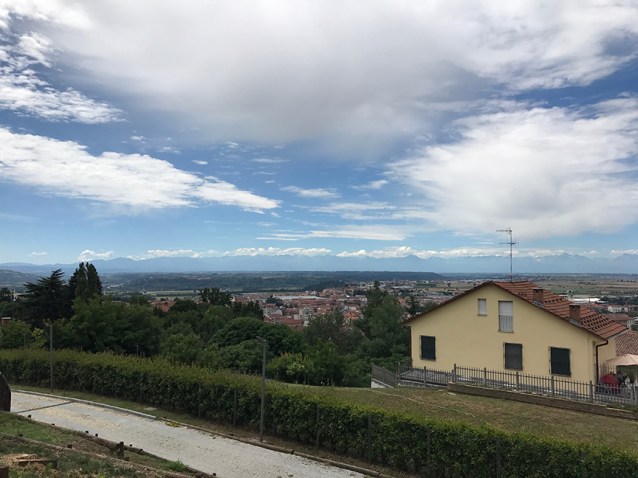 Before the Parzen family headed to southern California for
  I know a lot of people are curious about the toponym Bra (and the homonymic jokes are as predictable as they are forgivable).
 There were so many highlights from our summer vacation this year. But I’ll never forget that magical moment of finally being strapped in aboard a plane bound for California. The folks at Southwest were super nice and everyone was super cool about our car seats on the plane (I can’t say that every airline is like that!).
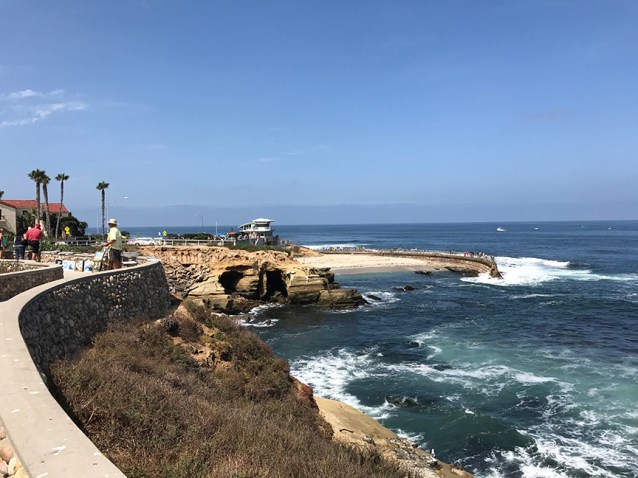 Here’s the view that awaited us on the other side. That’s the La Jolla Children’s Pool (beach), where I used to swim as a kid.
 The Children’s pool has been taken over by the seals in recent years. So I took the girls nearly every morning to search for shells at the nearby La Jolla Cove, where the seals also hang out but still leave enough room for humans.
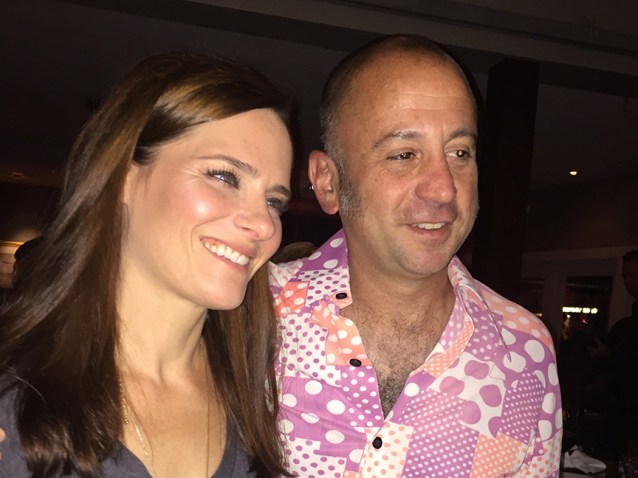 On Friday, July 14, we celebrated my 50th birthday (!!!) with an all-star hometown show at La Jolla’s sole rock club, Beaumont’s.
 For years now, there has been talk of a Lambrusco renaissance in the U.S. And while there have been many valiant attempts to hip Americans to what Lambrusco really is and why it is so great, it’s only in recent years that a confluence of factors — ranging from a new and growing wave of independent importers and distributors in the U.S. to Americans’ expanding and incessant thirst to (re)discover Italian viticulture — has made Lambrusco’s risorgimento possible.
  Today Barolo mourns the loss of one of its greatest grape growers and winemakers, Domenico Clerico, 67, who died yesterday in his home in Monforte d’Alba. According to
 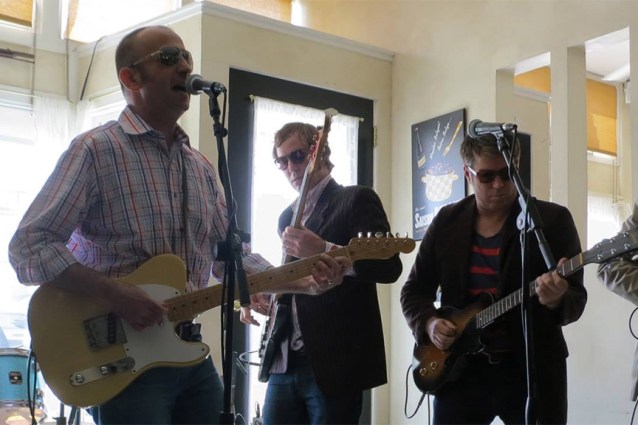 After nearly 50 years on this planet, I’m allowed to take a little vacation, right?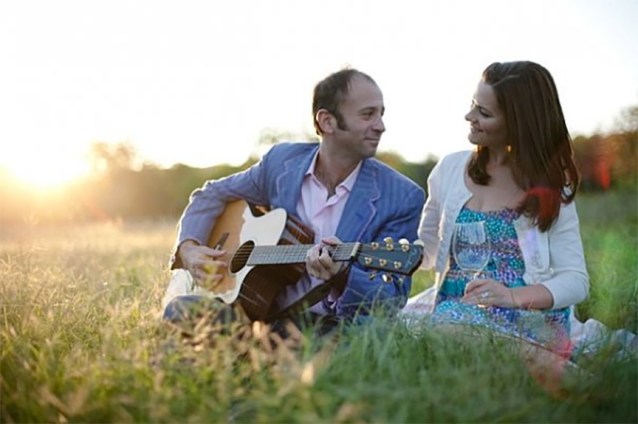
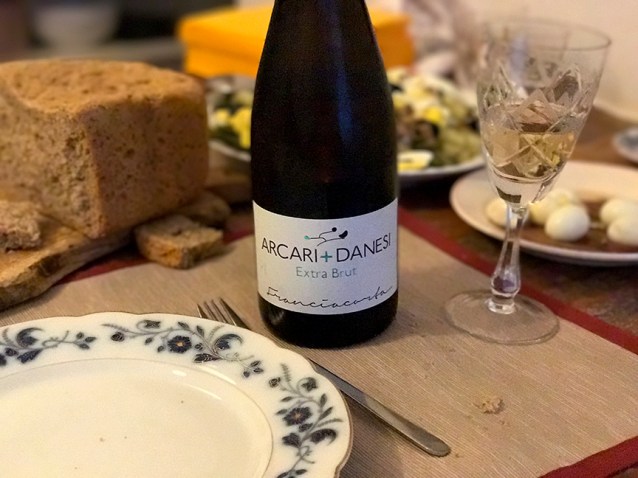 Just had to share a tasting note for this wine by my bromance Giovanni Arcari and his partner, another one of my best friends in Italy, Nico Danesi.
 Giovanni generously hooked me up with a bottle of their 2011 Franciacorta Extra Brut for me to take to dinner on my last night in Italy. I was heading to Milan to meet one of my best friends from my University of Padua days, Stefano Spigariol, who’s also celebrating a milestone birthday this weekend. Our mutual friend Gavino Falchi,
  Giovanni and Nico have shared so many memorable bottles of their wine with me and my friends. But this was one of the most remarkable in terms of its glowing, brilliant fruit character. What a wine!
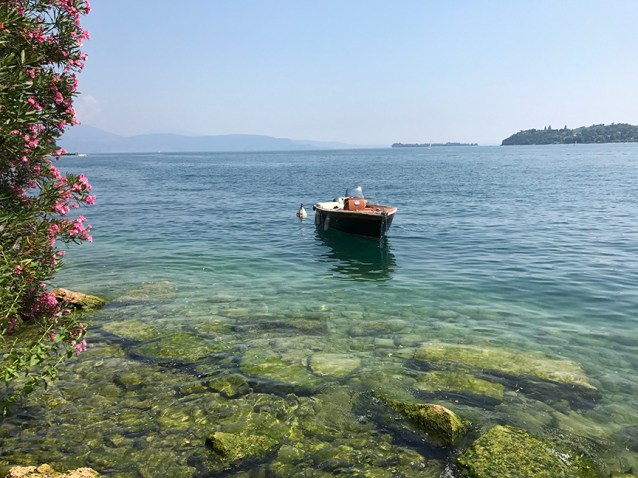 I rarely indulge in what Tracie P and I call “day drinking.”
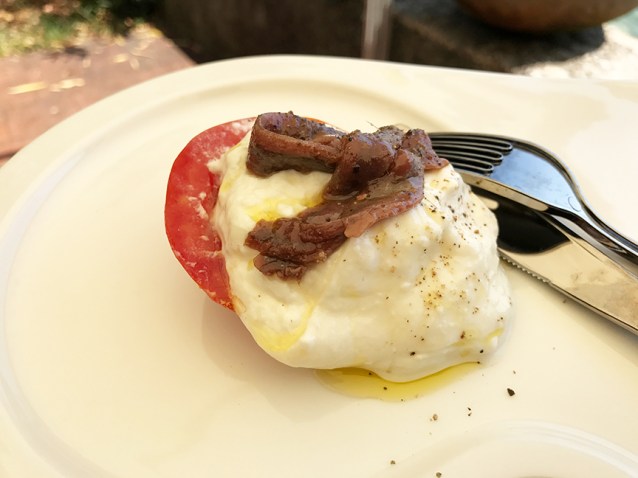 A lot of Facebook folks have been asking me where I was partying on the lake yesterday: we were at Tony’s private rental house just outside the village of Salò, not far from the Palazzo Martinengo, where Mussolini’s secretary once ran the Italian Socialist Republic — the Fascist state established after the Armistice of Cassibile in 1943.
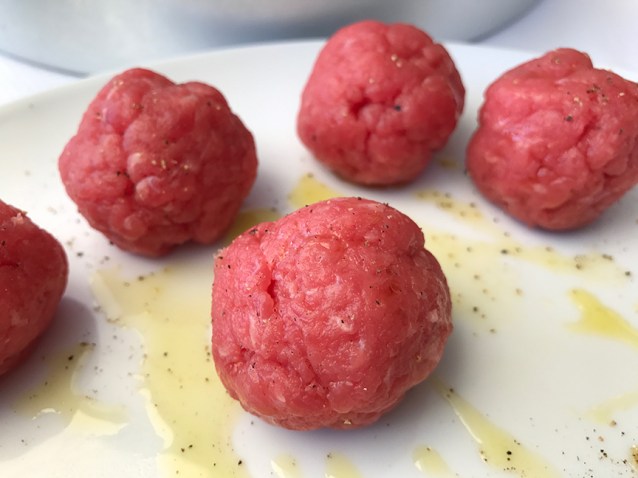 Those are his battuto di fassona (Fassone [or Fassona] beef tartare) “meatballs.” Ridiculous, right?
 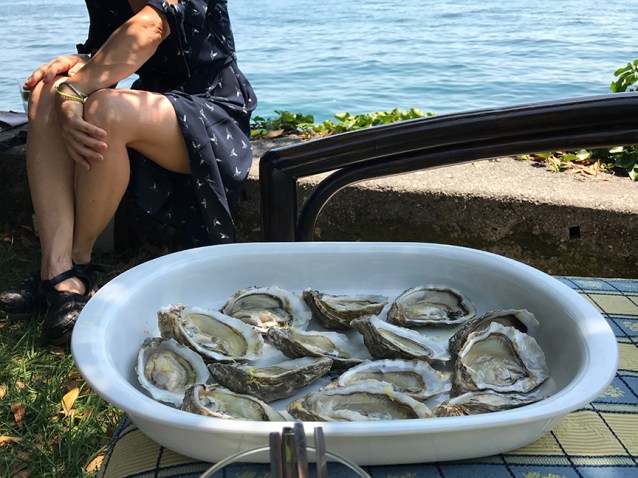 Brittany oysters paired brilliantly with Pasini Lugana metodo classico (“Trebbiano with a small amount of Chardonnay,” said the consulting enologist, who happened to be on hand).
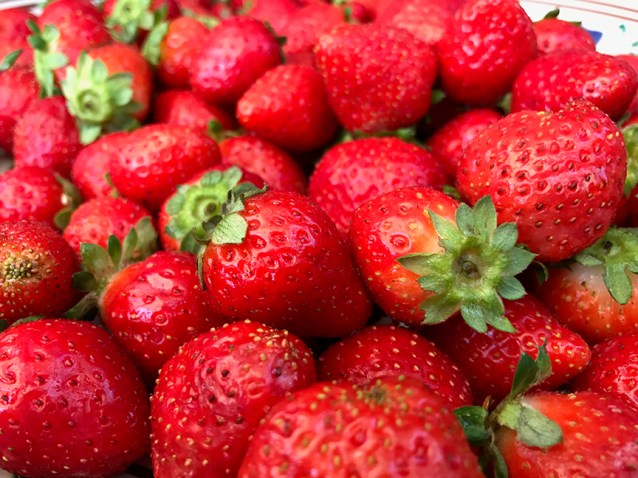 Locally harvested strawberries for dessert, among many other delights (I only wish I would have taken more photos, Gianni, but the party was too good!).
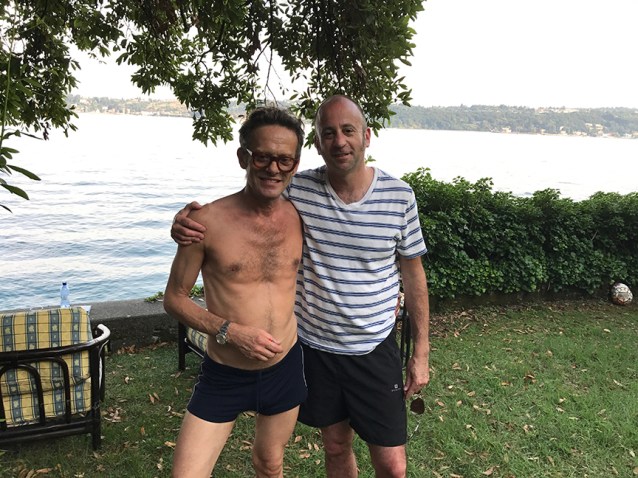 Tony, my friend, thanks for letting me tag along for your excellent birthday party. I can’t think of better way to get my own birthday week kicked off right. That gin & tonic was the best I ever had and I’m now heading home with the perfect tan…
 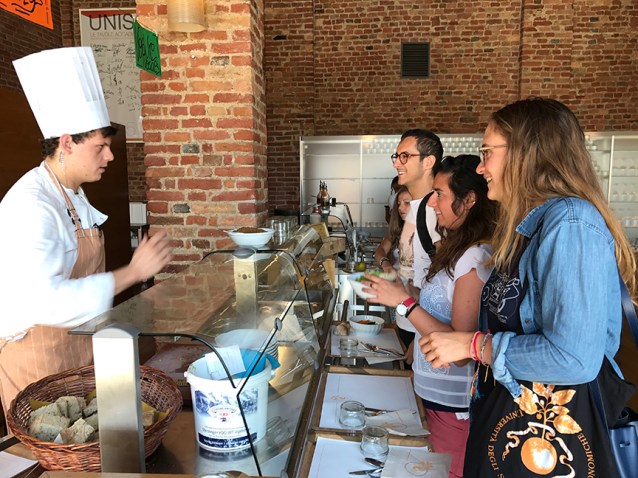 As much I as cherish my memories from my university days in California and Italy, I realize now that the cafeteria food really sucked back then.
 That’s tartrà on the right, a savory pudding made with eggs, onions, and herbs, a classic dish of Piedmontese country cooking.
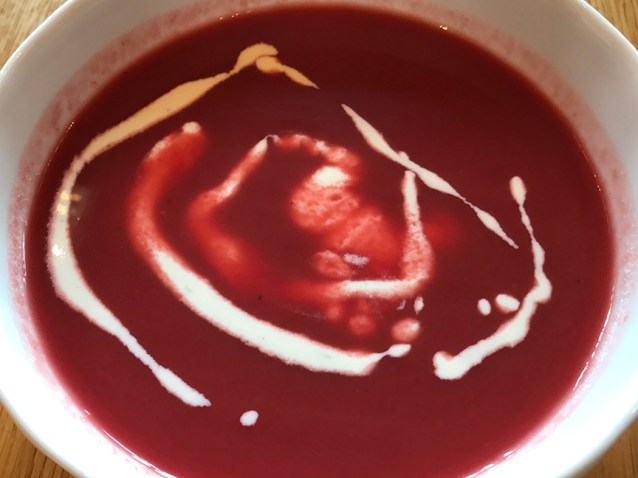 Our one Russian classmate and I bonded over the beet soup that was also on the menu yesterday.
  We are halfway through our culinary writing class and this afternoon, following our morning session on food blogging and social media trends, I’ll lead my first seminar on “Wine in Boccaccio’s Decameron.”
 Do Bianchi