
Our thoughts and prayers go out to the Radikon family…
 Above: Stanko Radikon at the Radikon winery in Oslavia, Friuli. He is pointing to “hill 188.”
His work and wines did so much to shape and inform a generation of grape growers, winemakers, and wine lovers — in Italy and beyond.
He was one of the founders of the Vini Veri movement and he was one of the visionaries who knew that it was only a matter of time before “natural” wine and chemical-free grape growing practices would ultimately be embraced by the mainstream.
He was one of the pioneers of macerated white wines (“orange wines”) and one of the first to recognize and realize the immense potential of Ribolla Gialla.
He was born in a land virtually destroyed by world conflict, a borderland where east and west meet. And he helped to revitalize its economy by creating a sustainable model for viticulture and a sui generis wine category.
I had the great fortune to meet and interact with Stanko on a number of occasions and I shared the joy of walking through his family’s vineyards and tasting at their winery.
I’ll never forget the 1997 Radikon Merlot that I tasted in 2010 in Oslavia. It was and still is one of the greatest wines I’ve ever drawn to my lips.
I’ll never forget him showing me the unexploded bomb still lodged in one of the winery’s walls. To this day, the estate lies in the shadow of one of World War I’s most deadly and senseless battles (the Italian army’s 24th division’s attack on Austrian positions on “hill 188” in Oslavia).
That he could build what he did from (literally) scorched earth is testament to the moral fiber and true grit of one of the world’s greatest winemakers. If ever there were a grape grower who showed how viticulture could make the world a better place, it was Stanko.
Sit tibi terra levis, Stanko. Thanks for everything you gave us.
*****
Excerpts from a couple of remembrances I’d like to share here…
Hank Beckmeyer: [his legacy shaped] “not just Italian wines. The whole wine world. One of the true greats.”
Paola Aieri: “Before organic, biodynamic, and ‘orange’ wines were buzz words, he was among the early pioneers of the natural wine world. Known for his white (orange) wines, his Merlot is probably the most powerfully, elegant meditation red I’ve ever tasted.”
Matthew Fioretti: “To an extraordinary degree, he recognized that same, innate absence of control in viticulture and winemaking. The extent to which Stanko challenged conventional methods and endured adversity, required an enormous courage and imagination. His acceptance of these risks was dumbfounding. In climbing terms (Lionel Terray), I often saw Stanko as a ‘conquistador of the useless.’ With his passing, we have lost a legend and hero of the highest degree.”
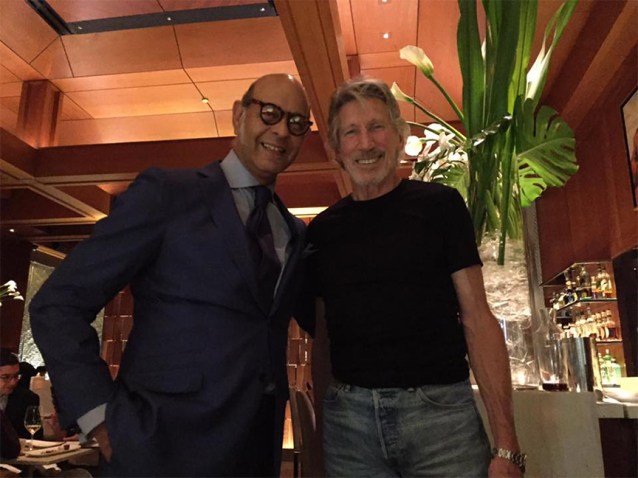 Above: my good friend and client Dino Tantawi and his buddy Roger Waters in New York City (image via
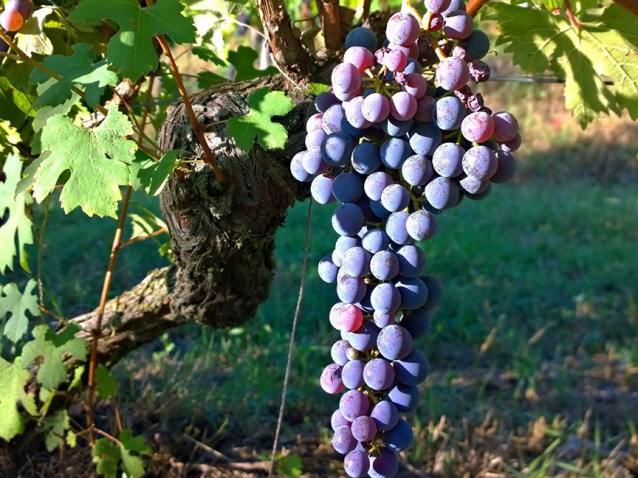 Above: Nebbiolo grapes ripening this week in an appellation that lies outside the hallowed Langhe Hills. If approved, new Piedmont appellation regulations would allow growers across the region to label their Nebbiolo as “Piemonte Nebbiolo DOC.” Currently, only growers in select townships can use the grape name in labeling.
 I mean, just look at this photo I lifted from
 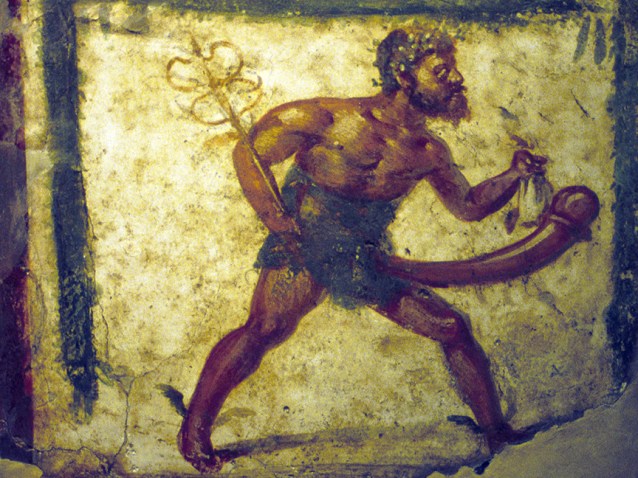 Above: an ithyphallic satyr as depicted in a Roman mosaic in Naples (image via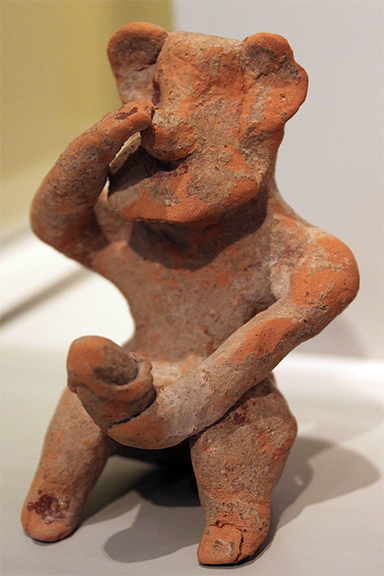
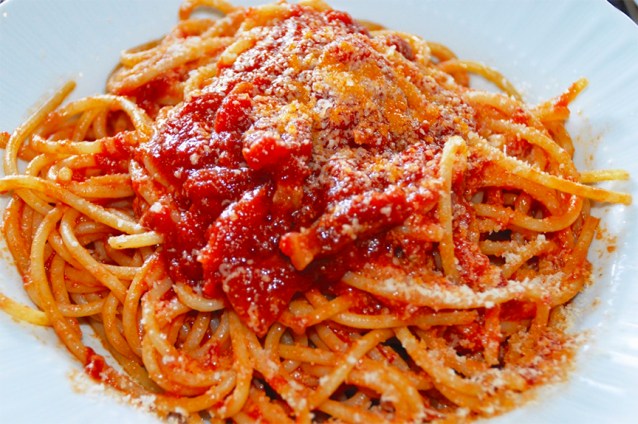 Above: a photograph of a dish of Amatriciana via the popular Rome-based food blog Puntarella Rossa.
  My Franciacorta Real Story Tour 2016 is winding down with three events in three different cities, each a wine destination in its own right.
 Do Bianchi
