Italy’s “black harvest” 2014: enologist association’s bleak forecast

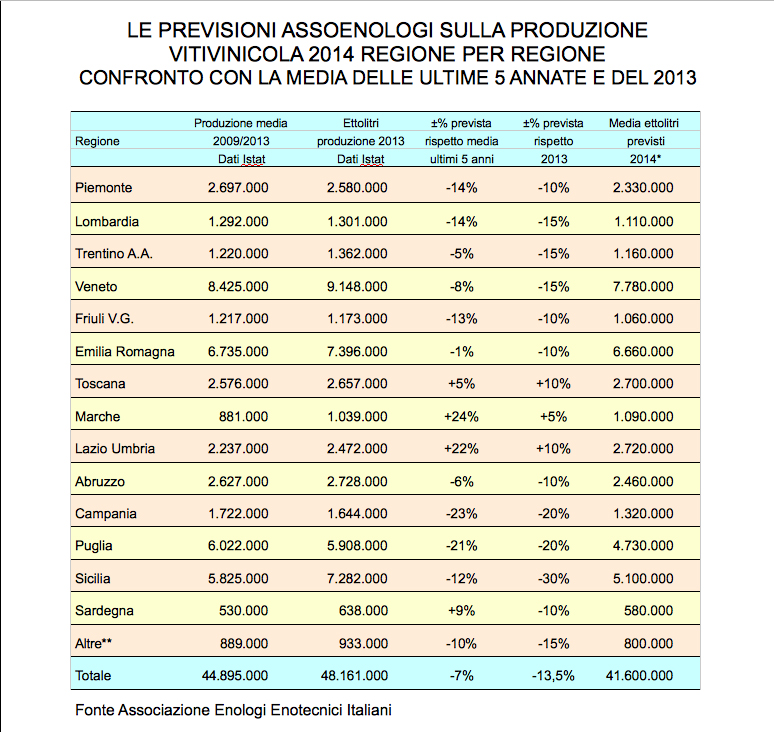
italy grape harvest data 2014Above: you can read the Italian association of enologists (Assoenologi) forecast for harvest 2014 in its entirety on Luciano Pignataro’s site. Click image above to enlarge. The data above represent the 2014 yield forecast compared with yield data from 2013 and average yields over the last five years.

“The year of the black harvest,” wrote Corriere della Sera wine writer Luciano Ferraro on his blog on Friday, a forecast of a “30 percent decrease” in some appellations.

He was referring to report issued by Assoenologi, the Italian association of enologists and eno-technicians circulated by the group last week.

Disastrous snow storms in Abruzzo in November 2013; an accelerated growing cycle prompted by an otherwise extremely mild winter throughout Italy; intense hailstorms in the spring in northern Italy; incessant rainfall in July throughout Italy and an unusually cool August in northern and central Italy.

There will be some bright spots, write the authors of the report, but the outlook is bleak for most growers and winemakers.

In his post, Ferraro synopsized the forecast region by region and I have translated his notes below.

*****

Piedmont

Major hailstorms and peronospora [powdery mildew] in Barolo. Overall production will be good, with some spots in great condition but few excellent [wines].

Lombardy

Rainfall for 90 days out of 151. Gray rot has affected 15 percent of the bunches. In Valtellina, if the weather gets better, growers can hope for an interesting although late harvest.

Trentino-Alto Adige

Widespread damage from peronospoora, wind damage for Marzemino. Lower alcohol levels for Chardonnay in Trentino. Things are better in Bolzano province, where the wines will have lower alcohol levels.

Veneto

Vineyards have been affected by vine diseases because of rainstorms and low temperatures. Amarone production within the norm. Glera grapes (for Prosecco) will have interesting acidity levels.

Friuli-Venezia Giulia

Slow ripening of the grapes because of cold. Decrease in production of Pinot Grigio, Friulano, Chardonnay, Cabernet France, and Merlot.

Emilia-Romagna

Widespread cases of acid rot and botrytis in hillside vineyards. The health of Trebbiano is relatively good.

Tuscany

If September and October will be favorable, the vintage will be interesting. Otherwise, there will not be great spots nor excellent [wines].

Latium, Umbria

July rains have compromised the health of the vineyards in all areas. In Castelli Romani and Orvieto province, harvest will not take place until the end of the month.

Marches

The overall quality of the grapes is relatively good. Harvest of Verdicchio, Trebbiano, Sangiovese, and Montepulciano will come a week late.

Abruzzo

Enormous damage because of the snowfall last November but there is hope for an extremely interesting vintage for DOC wines.

Campania

The harvest will be completed in November when the Aglianico is picked. Late harvest with excellent promise for the grapes’ aromatic expression.

Puglia

Primitivo harvest will begin next week. Good levels for the grapes, with yields restored thanks to August weather. In any case, the forecast is for a 20 percent drop in quantity.

Sicilia, Sardinia

In Sicily, the production will be 70 percent of 2013’s harvest [but] quality could be interesting. In Sardinia, the quality of the grapes is excellent [and] quantities have returned to the norm.
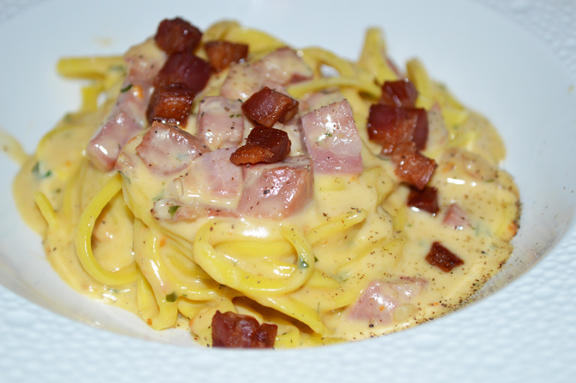
BLASPHEMY: sea urchin carbonara @TonyVallone & earliest known mention of dish

carbonara best recipeAbove: my friend and client Tony Vallone’s new “Spaghetti alla Carbonara” is as blasphemous as it is delicious.

It was a thrill for Tracie P and me to take our Australian friends, the newly engaged Lydia and Stefano, to Tony’s, the flagship restaurant of my friend and client Tony Vallone in Houston.

The couple is touring the states, dining their way through our country’s metropolitan culinary hotspots (New York, Vegas, Los Angeles, etc.). So when I learned that they’d be visiting Houston, it was with no small measure of pride that I suggested a double date last night at Tony’s, where Tony and his chef de cuisine Kate McLean (another friend) are putting out some of the best food in the nation imho.

Kobe grade a5 beef is always a joy ride as was a spectacular risotto alla milanese. But the star of our evening was Tony’s new and blasphemous spaghetti alla carbonara, made with pecorino (no Parmigiano Reggiano), lightly sautéed pancetta, crispy guanciale, and raw sea urchin.

To my palate, the dish was a study in savory, delicately briny texture, with each of the “salt-delivery” components delivering a unique and distinct, nuanced layer.

But the addition of the raw urchin gave the housemade spahgetti alla chitarra an ethereal marine note that took the dish into an even higher realm of hedonist fulfillment. It was that good.

Our dinner and enogastronomically driven conversation reminded me of a gastro-philological nugget recently shared with me by my colleague and good friend Chris Reid, who writes — among other things — about barbecue for the Houston Chronicle (you may remember Chris from his 2012 New York Times piece on Texas barbecue outside of Texas).

0044_01_1950_0176_0003Above: an article culled from the July 26, 1950 edition of the Italian national daily La Stampa may represent the earliest known mention of spaghetti alla carbonara in print. Click here for a PDF of the entire page.

A number of people on both sides of the Atlantic (including me) have used the Google Books search engine to find early mentions of carbonara, where the term refers to the famous Roman dish (and not its many other meanings in Italian).

But Chris has found what may be the earliest known mention in print in the newly available digital archive of the Italian national daily La Stampa.

The article describes the Pope’s visit to the Festa de’ Noantri, the colorful summer festival held each July in Trastevere.

In a paragraph devoted to the neighborhood’s top trattorie, the author mentions “Cesaretto alla Cisterna — to name one of the most well known [restaurants] outside of Italy — who boasts ancient origins, being that his osteria rose from the ruins of another famous eatery in the time of Fabio Massimo [Quintus Fabius Maximus Rullianus]. It was this tavern keeper who first welcomed American officials who had come to Trastevere, many years ago now, in search of spaghetti alla carbonara.”

The passage is interesting for a number of reasons but chiefly because it associates the renown of carbonara with American military men.

American forces first arrived in Rome in 1944 and the fact that the author claims that Cesaretto (literally, little Caeser) was the first to serve American officials would seem to imply that he was the first to popularize the dish if not the dish’s inventor.

Is it possible and even probable that carbonara was inspired by American soldiers’ love of bacon and eggs? The passage above seems to give weight to the American influence theory.

We may never know the origins of spaghetti alla carbonara but I can’t imagine that we will ever stop looking for it, just like the American officials who headed to Cesaretto in search of the dish.

In other news…

Assoenologi, the association of Italian enologists, has published its early harvest forecast and the numbers are grim. After one of the rainest years in our lifetime, some regions will see a 30 percent drop in production. I’ll post about it on Monday.

Harvest dispatch from Friuli by @GiampaoloVenica

As in years past, I gladly publish harvest notes from winemakers across Italy. The following is from my good friend and Collio producer Giampaolo Venica, who wrote to me late last week. If you are a winemaker or grape grower and would like to share a note and photo, please feel free to send it to me (my email).

friuli harvest rain 2014Jeremy, you do not need me to tell you that the vintage is very challenging.

The warmest winter since 1955 gave 20 days of anticipation but that has been overruled because of the rainy, no sunlight and cold of the past months.

Lots of diseases as naturally must be with the highest and most frequent rain ever seen. Last night I had 2 landslides because of a water flood.

What is very surprising looking at vineyards around is that serious organic/biodynamic producers had the same problems of conventional ones.

We will cut botrytis down but mostly on Pinot Grigio and clusters with very compact bunches. Sugar is still very low, we might start harvesting at the end of next week.

Despite the pessimism around I am very confident because we have not had such cold days since at least 10-15 years. This is very good for slow ripening.

I am thrilled to try my 2014 vintage that will be at lest 1 percent alcohol less then 2013 and definitely with more acidity.

This will probably be vintage where only the best will make great wine but these will be unique.

Of course this is just my forecast and we all will be relieved when grapes are safely in.

—Giampaolo Venica

Tuscan authorities accuse grape growers of threatening landscape & environment

This just in: Italian wine blogger Jacopo Cossater has just reported that historic Valpolicella producer Bertani will not produce a 2014 Amarone Classico. “The rainy vintage of 2014 scores its first victim,” he writes.

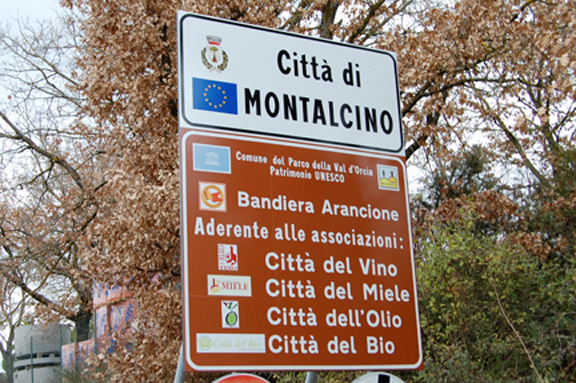
montalcino tuscany erosion wine grapes“We are being treated like assassins of our environment,” wrote Brunello producer Stefano Cinelli Colombini in an impassioned op-ed published by the popular Italian wine blog Intravino earlier this week. “And everything that we have achieved is being challenged.”

He was referring to the implementation and fallout of new environmental guidelines that were published in July 2014 by Tuscany’s regional authority.

The document, known as PIT (Piano di indirizzo territoriale or plan for territorial oversight), alleges that the widespread development and expansion of viticulture over the last decades has reshaped the landscape and caused grave environmental harm.

“Extended areas planted to specialized vines represent a great threat to the naturalistic value of the agricultural landscape,” wrote the authors of the survey.

“The modifications brought about by viticultural specialization have greatly altered the character of the traditional landscape. The result is banalization and homogenization.”

Vines, contend the authors, create “a risk of hillside erosion… In some cases, there is continued risk that the water table will be polluted.”

Viticulture, they claim, has become a “dominant monoculture” that reduces “ecological permeability.”

(You can download the survey in its entirety here. The quotes above are taken from ambito 17 or article 17, which addresses issues of sustainability and environmental practices in vineyard land. Translation mine.)

In the wake of the survey’s publication, reports Cinelli Colombini, many wineries have already been denied permits that are required by authorities for commonplace, workaday operations, like grubbing up or replanting vines.

Calling the allegations absurd, he points out that the development of viticulture and its infrastructure (including tourist facilities like tasting rooms, restaurants, and lodging) were fundamental in rebuilding the Tuscan countryside’s economy after urban migration significantly reduced the region’s population during the 1950s.

His dismay is echoed today in an interview with Brunello consortium president Fabrizio Bindocci published by the Independent.

“This administration wants to take agriculture back to the 1800s,” said Bindocci in the interview. “We take regular samples from the rivers and streams near my vineyards in Montalcino and we have not detected pollution.”

In a country whose citizens are accustomed to bureaucratic overreach, the survey has caused an uproar among grape growers and Italian wine trade observers alike.

“The world of Italian politics has shown how terrible it is, without even trying,” wrote Intravino editor Alessandro Morichetti on Twitter yesterday.

“The agricultural landscape changes in accordance with economic necessities. And this needs to be accepted,” opined leading wine writer and enologist Maurizio Gily in the same Twitter conversation.

Translations mine.

Last pesto in Houston as the dreadful summer of 2014 comes to an end

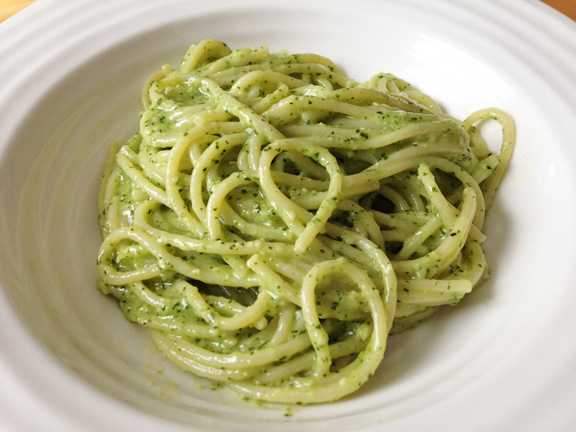
best pesto recipeAbove: our last pesto for the dreadful summer of 2014.

And so it’s coming to an end. The dreadful summer of 2014.

Wars in Europe and the Middle East. Ebola outbreak in Africa. Children (yes, children!!!) being shunned and scorned on our southern border by dehumanized politicians. A powder keg of racial tensions here in the U.S. News media that relish and exploit images of a decapitation as Americans sit down to dinner…

I was only eleven years and hardly world-wise in 1978 (the year my nuclear family fell apart). But I know I’m not the only one to make an analogy between the now and the late 1970s in the U.S., when the “oil crisis” arrived, the Russians and Americans were poised to annihilate each other, terror brought western Europe to a standstill, and Spielberg’s Close Encounters depicted a world in tumultu.

It seems petty to mention here the current, disastrous situation for Italian winemakers, who have experienced one of the rainiest growing cycles of our lifetimes. Their battles against hail, rot, and mildew are dwarfed by the myriad human crises that have taken shape this summer.

But they represent another thread in the fabric of the world’s ills.

And they’re not the only growers facing crisis. The decimation of Burgundy (and Barolo) vineyards by hail and the earthquake in Napa were bookends to the growing season.

As August came to a close, it seemed that the news couldn’t get any worse.

And then, here in the Houston wine and food community, the unthinkable happened when a rising star chef, charismatic and beloved by his peers, died at twenty-eight. A tragedy by any measure.

His wasn’t the only passing that punctuated our dreadful summer of 2014.

Stefano Bonilli, ousted founder of Gambero Rosso and champion of socio-politically enlightened food writing, left this earth in early August.

Indigenous grape pioneer Paolo Rapuzzi was another bright light extinguished in August 2014…

Last night, I made my girls one last pesto for the summer of 2014.

As my daughters, my wife, and I sat down to dinner, I couldn’t help but think of Boccaccio’s Lisabetta da Messina and the mournful tears that made her basil so rich in aroma and flavor.

Innocent and unaware of the problems of the world, our daughters (aged one and two-and-a-half) are healthy, happy, playful, and joyful. One day, Tracie P and I will have to tell them about the dreadful summer of 2014.

But for the time being, I’ll cherish the solace that I found in their smiles, laughter, and hugs. And I’m glad that the summer is over…

girl with a pearl earring

A slice of Americana at Cleburne Cafeteria in Houston #nostalgia

best cafeteria houstonParzen family enjoyed a lazy Sunday lunch yesterday at the Cleburne Cafeteria in Houston, a classic and wholesome self-service eatery that revels in its 1950s origins without even the faintest trace of irony.

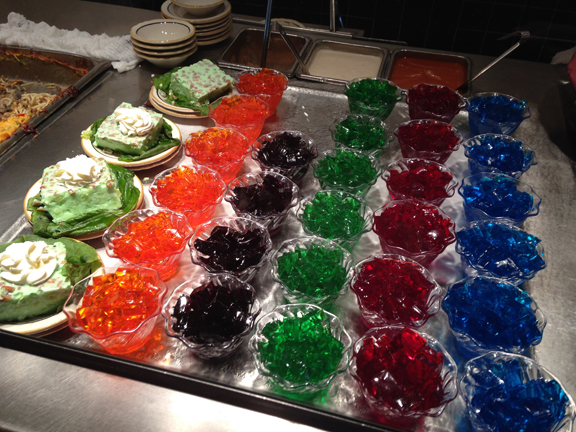
best jello recipeAs you make your way to down the chow line, tray in hand, you walk through a living museum of the pre-arugula-nation era.

chicken and gravy potatoes mashedI had fried, flattened chicken breast, mashed potatoes and gravy (choice of white or brown gravy) and a fresh salad, well washed and tasty.

Tracie P shared her fried haddock, black-eyed peas, and green beans with our girls.

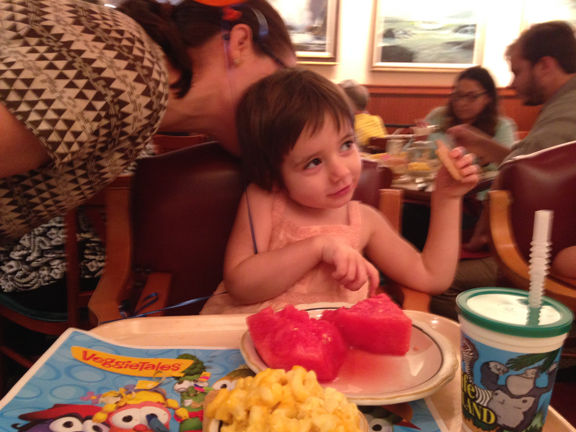
Georgia P wasn’t so keen on her macaroni and cheese (unusual for her, but understandable in the light of the fact that she ate five pieces of bacon and waffles for breakfast). Lila Jane LOVED her baked spaghetti.

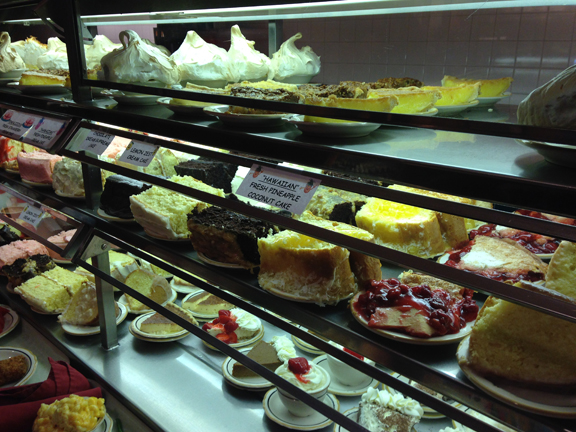
lemon meringue pie recipe bestWe skipped dessert but you get the picture.

Beyond the kitsch and genuine nostalgia, the thing that made it an A+ experience was how well-oiled and friendly the service was.

Although it’s is a self-service restaurant, the servers — well appointed in tidy 1950s-era black maid uniforms with white trim — aid elderly guests and parents with small children, offering to carry the trays to the table. And they periodically check in with diners to ask “is everything okay, can I get you something?”

And just as we were winding down, at just the right moment, our server arrived with orange balloons.

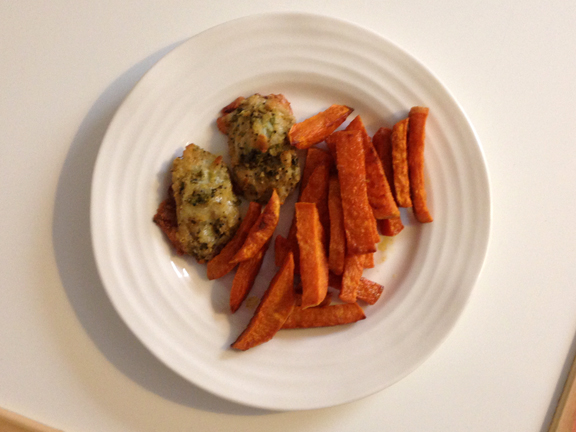
sweet potato fries french recipeLest you fret that we’re not feeding our children well, please know dinner was organic sweet potato baked French fries and organic broccoli and cheddar fritters.

We do live in the arugula-nation era, after all.

HAPPY LABOR DAY, everyone!

Remember the workers…

Let low-alcohol content be your guide to Labor Day wine pairings

grilled bell peppersPlease click here for my post for the Boulder Wine Merchant.

Thanks to everyone for being here this week. It’s been a pretty rough summer.

I hope you have a great Labor Day and drink something swell.

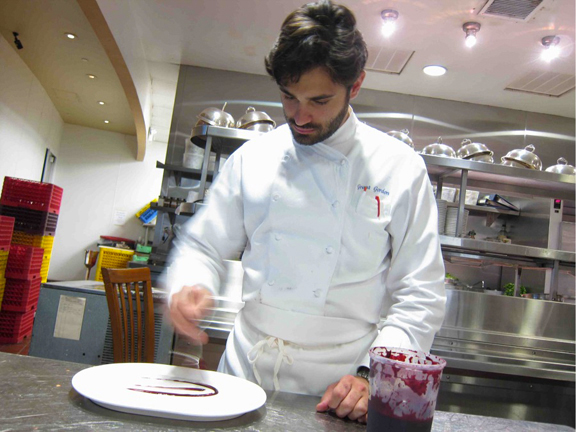
Chef Grant Gordon, rising culinary star in Houston, dies at 28

grant gordon chef houstonImage via Houston Press.

Today, the Houston restaurant community mourns the loss of one of its most promising and beloved stars, Grant Gordon, who died on Monday night.

A Houston native, Gordon, age twenty-eight, rose to prominence as the chef at Tony’s, one of the city’s leading fine-dining destinations, where the kitchen earned a top rating from the Houston Chronicle in 2011.

In 2012, he was a James Beard Rising Star Chef semi-finalist and one of Forbes 30 Under 30.

In 2014 he was selected by the U.S. State Department as a culinary ambassador and earlier this month, he and his business partners had announced plans for an ambitious new restaurant to be opened in 2015.

Click here for the Houston Chronicle notice of his passing and here for Culture Map’s profile. As both mastheads reported, the cause of death has not been determined.

Continue reading

Thoughts & prayers for our friends in #NapaQuake

napa earthquakeAbove: my favorite Napa-based blogger Vinogirl posted this image on her blog Vinsanity yesterday.

It’s never a good time for an earthquake.

I remember the 1994 Northridge earthquake well: I was living in the Hollywood Hills at the time and it was a terrifying experience (magnitude-6.7, 4:31 a.m.).

Today, our thoughts and prayers go out to our friends and colleagues in Napa and Sonoma, where a magnitude-6.0 earthquake struck early Sunday morning.

See this post by W. Blake Gray for WineSearcher.com on the earthquake and its effect on the wine trade there. And see also Vinogirl’s post on her family’s personal experience. And see Antonio Tomacelli’s gathering of images he culled from social media on Intravino.

I’ve read a number of accounts where grape growers and winemakers point out that the damage would have been worse had the earthquake come later in the harvest and the 2014 vintage were in the cellar. Tumbled tanks and cracked casks would have results in bigger losses for wineries.

But it’s never a good time for an earthquake.

Napa and Sonoma friends and colleagues, please know that you are in our thoughts and our prayers.