
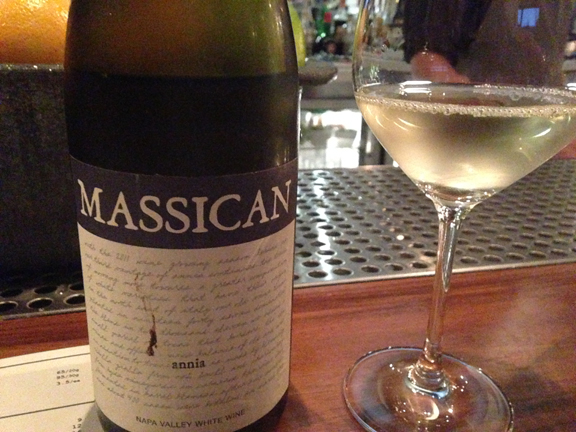
 Above: Massican’s Annia, a blend of Ribolla Gialla, Tocai Friulano and Chardonnay from Napa. Los Angeles-based sommelier and consultant Taylor Parsons poured me the wine back in 2014 when he was running one of California’s hippest wine programs at the time.
Overheard last night at a progressive wine bar in Houston…
Wine professional 1: “I’m really a francophile at heart but I also love Italy. I don’t drink any Californian wine at all.”
Wine professional 2: “Well, you should try this Sauvignon Blanc from Massican. It’s a real ‘f— you’ to the California wine industry.”
Massican winemaker and owner Dan Petrosky is widely known in the industry as a maverick (to put it mildly). For the last 10 years or so, his elegant, lean, “moody, textural” white wines (as one wine writer put it) have wowed “young, t-shirt clad sommeliers across the U.S.” (see this excellent profile and interview by one of my favorite American wine writers Lauren Mowery).
But more than a decade after he set out to show the world that Napa Valley could produce acidity-driven, fresh, food-friendly, and nuanced Chardonnay and Sauvignon Blanc (not to mention a smattering of his favorite Italian white varieties), Petrosky seems no longer to be part of the California wine counterculture. Today, in fact, he’s part of an expanding movement of California growers and winemakers who have embraced old world styles and sensibilities. Like many of his peers, he learned winemaking in Europe and brought his experience and newfound tastes back to the states with him.
And he’s one of the winemakers who will be profiled in the 2019 Slow Wine Guide to the Wines of Italy, Slovenia, California, and Oregon.
With all of their field work completed over the summer, the editors (me among them) are in the midst of putting the book together.
The 2019 edition, the second to include American wines, will include more than 130 California winemakers (last year’s featured 70) and 50 Oregon producers (this is the first year the guide covers Oregon).
Like last year’s book, the 2019 guide isn’t intended to be exhaustive or comprehensive: it’s a growing, living, and breathing almanac that’s meant to give voice to the new wave of America’s viticultural renaissance.
I couldn’t be more proud to be one of the guide’s senior editors for California and the coordinating editor for the U.S.
About the Slow Wine Guide:
The Slow Wine Guide is part of the international Slow Food movement, which was founded in Italy by foodways activist Carlo Petrini in the late 1980s to counter “fastfoodization” and to safeguard the world’s gastronomic traditions. The first Italian edition of the wine guide was published in 2010 and in 2011 Slow Food began translating it into English. In 2018, the editors released the first edition to include California wines. And the current edition of the guide (2019) will include not only California but Oregon wines as well.
Unlike the overwhelming majority of wine reviews and guides, the Slow Wine guide doesn’t “score” its wines. Instead, its mission is to “tell the stories” of the wineries through their people, vineyards, and wines. The overarching criterion for inclusion is the winemakers’ “connection to the land” where they grow their wines. With this guide, the editors hope to share with their readers wines that reflect the place where they are grown and the people who make them.
More than 40,000 copies of the guide are sold in Europe each year and the entire guide is available online for free. Copies of the guide are also sold in the U.S. at each of tastings organized by the Slow Wine tour.
 “Everything living dies from causes within itself, and returns to the inorganic [and thus] we can only say ‘The goal of all life is death’, and, casting back, ‘The inanimate was there before the animate.’”
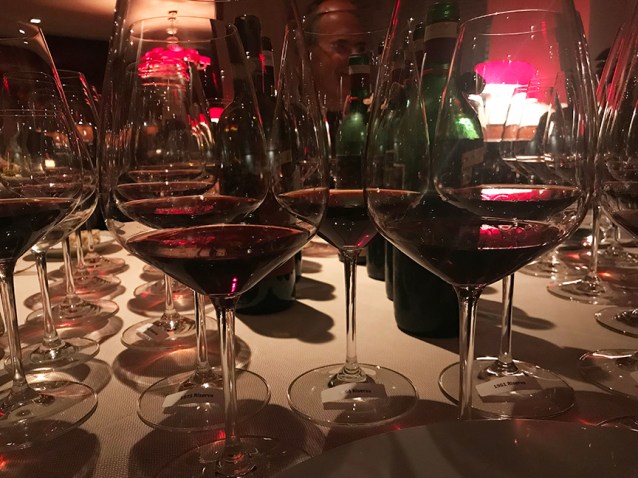
 It was a true honor and pleasure for me to lead a tasting of wines from 19 members of
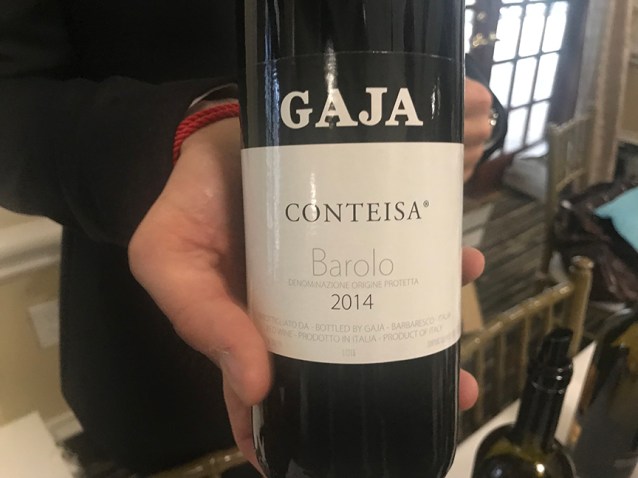
  Another highlight yesterday was the 2014 Barolo Conteisa by Gaja, the second release of this cru from the winery since it reclassified it as Barolo in 2013. It was my first taste of the new designation.
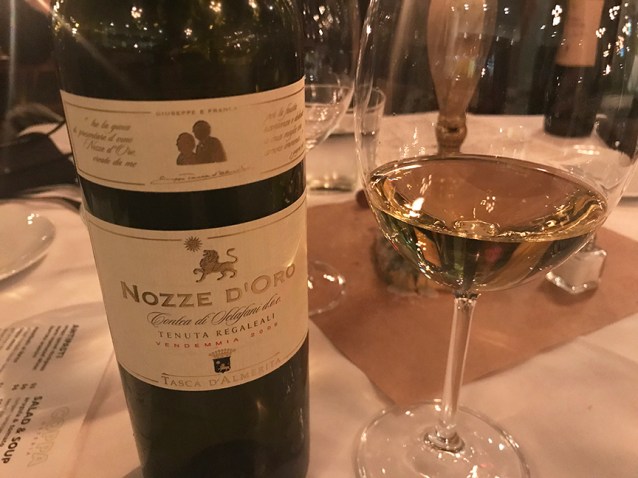 And dulcis in fundo, Alberto Tasca treated me to a bottle of Tasca d’Amerita 2008 Nozze d’Oro over dinner and a lively conversation on sustainability and the legacy of organic farming in Italian viticulture.
 It didn’t occur to me until I got back to Texas week before last from a whirlwind trip across the U.S.: despite two visits over the years to Ronchi di Cialla — one of the pioneers of Friuli’s native grape revival and one of its most acclaimed and soulful winemakers — I had never tasted the winery’s Pignolo.
 Hurricane Ike struck southeast Texas, where Tracie’s parents live, just a month after we started dating in 2008. Back then, people in Louisiana and Texas were still reeling from the aftermath of the 2005 hurricane season, which included Katrina and Rita.
 The news ricocheted across the enocentric internet yesterday afternoon: in
  Scion of the legendary winemaking family from Piedmont, Giovanni Gaja (above) is just one of the
 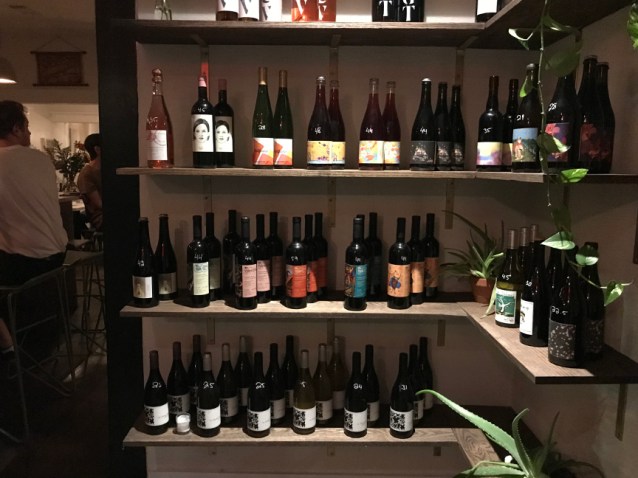 High fives, hugs, and congratulations filled the air last night at
 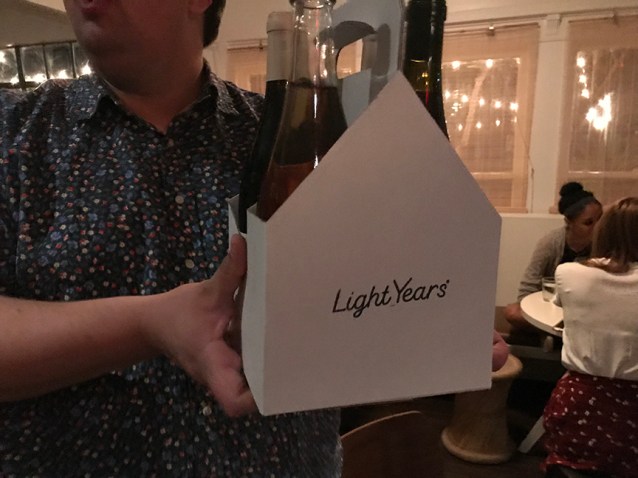 “We finally have the wine bar we’ve been dreaming of,” said one noted Houston wine professional to another.
  What is natural wine? Most would agree that natural wine is wine that has been organically farmed, spontaneously fermented (using ambient yeast), and bottled with as little intervention and sulfur as possible.
 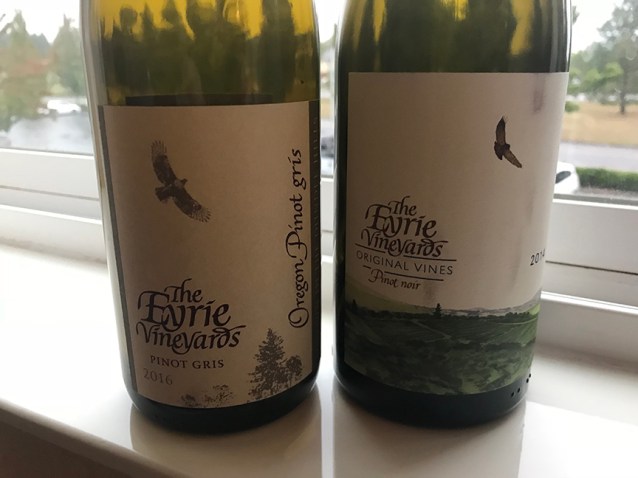 The locals joked last night at the famous Nick’s Italian Café in McMinnville, Oregon in the heart of Willamette Valley wine country: there used to be a tube, they told me, that connected the Lett family’s winery to the restaurant. Their Eyrie Vineyards cellar is just a stone’s throw away (literally).
  Do Bianchi