
 It was just a year after the world had collectively gasped at the Mafia’s brutal 1992 car bomb killings of magistrates Giovanni Falcone and Paolo Borsellino.
A dark moment in Italian contemporary history, it was a year after Italy’s ruling political class had been implicated in the infamous “Bribesville” scandal.
It was a year after Italians had begun to lose faith in their political system and social fabric. The dream of Italy’s economic miracle, with a “Benetton on every corner in Manhattan” (as one of my professors marveled a few years earlier), was coming to an end.
In 1993, the Mafia did something that seemed to break with its own “code of conduct,” however abominable it were: members of Cosa Nostra killed a priest in Palermo — something unthinkable at the time.
Padre Pino Puglisi (known affectionately as “3P”) had openly defied the Mafia in an economically challenged Palermo neighborhood where it recruited and trafficked kids from the streets: Brancaccio, a proletariat community where youth prospects dwindled in step with Italy’s fading promise of prosperity.
Read the English-language Wikipedia entry on Padre Pino here. And read this wonderful blog devoted to his life and times, with English translation, here.
Today he is remembered as “the priest who smiled at his killers.”
Father Pino ran a community youth outreach program in Brancaccio and he lobbied and spoke out aggressively against the Mafia’s unyielding grip on the neighborhood.
Educator, television personality, and screenwriter Alessandro D’Avenia was one of his theology students. His 2014 novel, Ciò che inferno non è, a fictionalized account of Padre Pino’s story, was a best seller in Italy.
My translation of his book, What Hell Isn’t, has just been published in England by One World.
As wine lovers, we spend so much energy hawing and humming about this natural wine from Sicily or that, but we hardly take time out to examine the immense and often insurmountable difficulties of growing up poor in Sicily’s cities.
I highly recommend it to you. Not because I translated it but because it offers perspective into the human tragedy that plays out in Sicily’s urban streets every day.
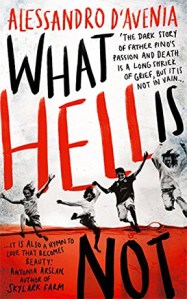 Top image: screenshot via the blog Tra il cuore e la mente.
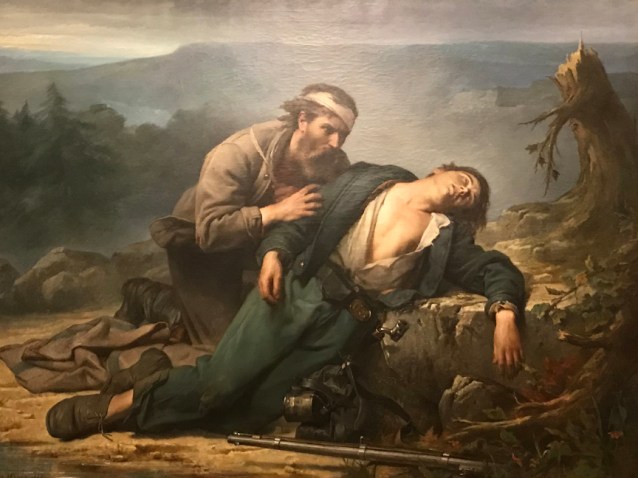 After we posted our
  To be totally honest, Roberto Girelli’s extraordinary white wines had not come to my attention until Decanter called his 2015 single-vineyard Lugana Orestilla a “best white single varietal” in its
 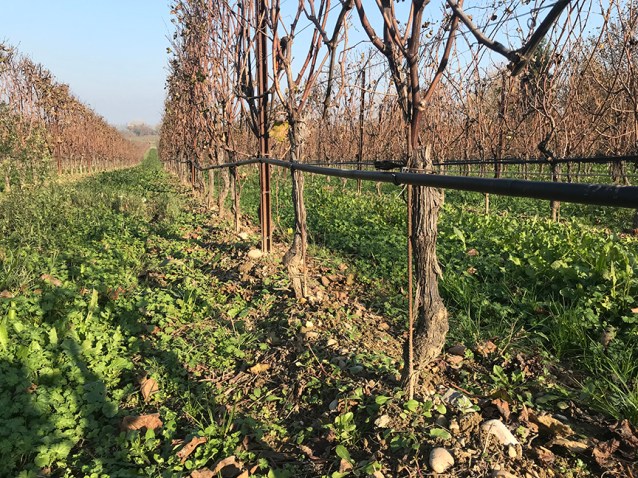 What can I say? I’m now obsessed with this wine and only wish I had the dough to put down cases and cases in my wine cellar.
  For more than four years, I’ve been working as a media consultant for the
  Tracie and I are raising money to buy one (1) month of advertising on a billboard that stands across the road from the newly erected Confederate Memorial of the Wind (see below), a monument built by the Sons of Confederate Veterans on Martin Luther King, Jr. Dr. in Orange, Texas along Interstate 10.
 Alejandro Escovedo (above, third from left) is one of America’s most iconic songwriters and performers. His new album,
 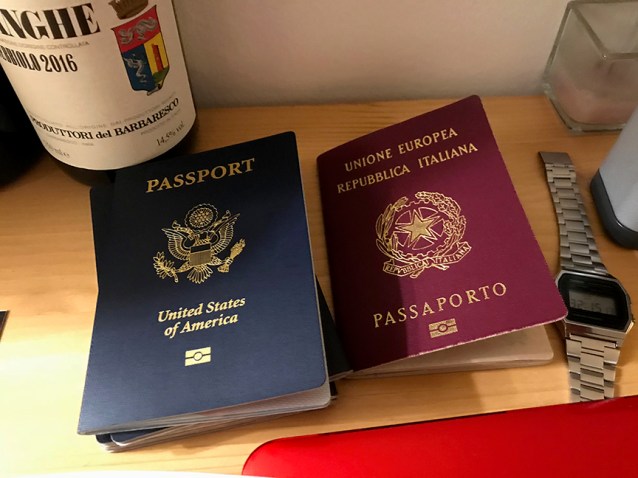 Happy new year, everyone!
  5. Italian winemakers, both large- and small-scale, will face expanding difficulties in getting their wines to the U.S. market.
 In early December, I had the remarkable opportunity to sit down with Giancarlo Moretti Polegato (above), CEO and legacy owner of his family’s Villa Sandi estate in Valdobbiadene, one of Prosecco’s greatest pioneers and one of its enduring cultural icons.
 Above: Biodiversity Friend certification reflects the growers commitment to sustainable vineyard and winery practices.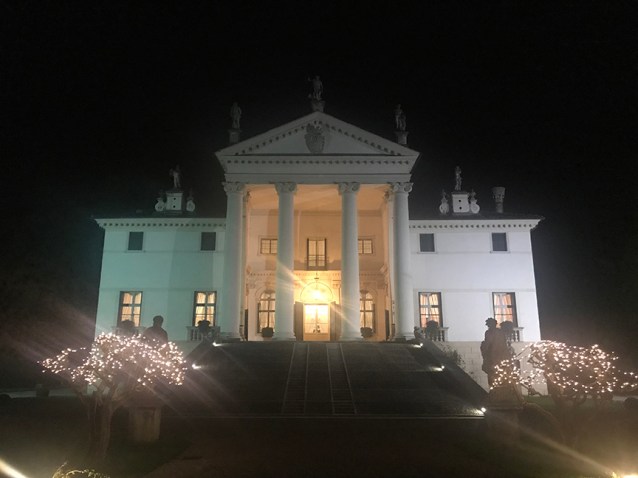
 A trip to the land of Prosecco in early December was an opportunity to taste at a couple of my favorite houses.
  It was such a thrill for me to get to taste with Francesco Drusian, a legacy producer and appellation pioneer. His insights into the evolution of Prosecco and its extraordinary arc — literally from rags to riches — were fascinating to hear.
  The Ruggeri Vecchie Viti was another highlight.
  Do Bianchi