Happy Juneteenth! Browse the Portal to Texas History to see how the holiday has been celebrated over generations in Texas.

Happy Juneteenth, everyone!

The main street of Houston’s historic Third Ward is known today as Emancipation Avenue. The name is inspired by the Emancipation Proclamation. But it is also owed to the fact that some of the earliest organized celebrations of Juneteenth were held in the Third Ward’s Emancipation Park, a public space created there by local business leaders in the late 19th century. It was intended to give residents a place to honor the date and occasion.

Extreme weather will be keeping most Houston residents indoors today. But our family will be celebrating the national holiday today by reading about its origins and how it was celebrated over the years since its inception.

Juneteenth became a national holiday in 2021 after members of congress from Houston lobbied for its recognition.

This morning, as we browsed the Portal to Texas History, we came across a number of TV news reporting on local gatherings, including one from Fort Worth dated 1989 (we noticed that the balloons in the video read “1987”; it’s possible that the archive date is incorrect). Use the link below to view.

KXAS-TV (Television station : Fort Worth, Tex.). [News Clip: Juneteenth], video, June 19, 1989, 5:00 p.m.; Fort Worth, Texas. (https://texashistory.unt.edu/ark:/67531/metadc903774/m1/?q=juneteenth: accessed June 19, 2024), University of North Texas Libraries, The Portal to Texas History, https://texashistory.unt.edu; crediting UNT Libraries Special Collections.

Until recently, most Americans had no idea that such a celebration was regularly observed by communities across our nation.

Our family was thrilled when President Biden made it a national holiday (we are fortunate enough to live in the city represented in congress by the two congresspeople who proposed the legislation, including our district’s congressperson at the time).

Happy Juneteenth! Check out the Portal to Texas History here. And just enter the search term “Juneteenth.” I bet you’ll enjoy discovering how the holiday was celebrated in the state long before it became a national holiday.

I saw a wolf in the wilds of Abruzzo. Highlights from my week here for the consortium.

I’ll be taking next week off from the blog while Tracie, the girls, and I are vacationing in Italy. I’m sure I’ll plenty of adventures to share. In the meantime, here are some highlights from my week in Abruzzo for the consortium. See you in a few weeks. Thanks for being here.

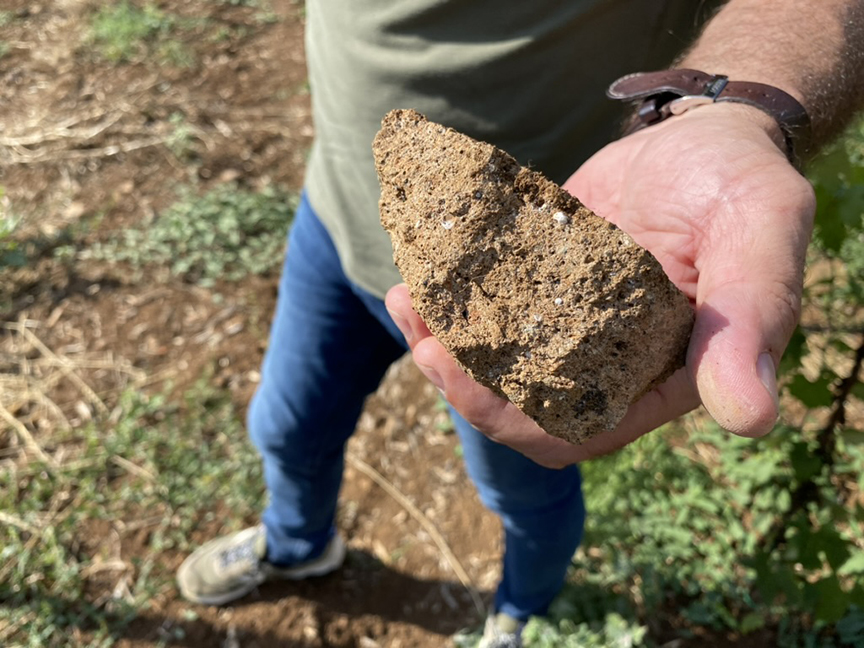
Nic Tartaglia grows Montepulciano on clay-rich soils in some of the highest lying vineyards in Casauria. He and his team are working hard in the U.S. and the wines are awesome.

I really loved this barrique-aged, rich-style Pecorino from Guardiani-Farchione. It’s really cool to see how winemakers are experimenting with Pecorino and pushing its envelope.

Sara Tilli makes wine in the shadow of the Maiella massif. The peak in the photo is obscured by clouds. My visit to her winery and the Maiella valley were profoundly inspiring. Her wonderful Montepulciano is grown on 100 percent limestone.

The famed vineyard where Cristiana Tiberio developed her massal selection of Trebbiano Abruzzese, which many believe to be an avatar. Her wines have been making people rethink what they know about this amazing region.

Luca Paolo Virgilio of Caprera is one of the coolest people I’ve met here. His wines are awesome and he’s one of the faces of Abruzzo’s next generation. Don’t miss the ancient Roman vinification basins not far from his winery.

It was amazing to walk the vineyards in Francavilla not far from the sea with my good friend Valentina Di Camillo at I Fauri. Her family’s amazing story of resilience is so compelling. And I really like her fresh-style wines a lot.

One of the most fascinating visits was at Tenuta Antonio Fiorentino @tenutafiorentino in southern Abruzzo. I loved getting to chat with Antonio’s dad, Carmine, whose “historic memory” of Abruzzo viticulture is a treasure. Antonio also grows delicious saffron. I’m so glad I made it down there to see them. Great wines, great people.

The food in Abruzzo is extraordinary. Thank you to Davide and the consortium for a fantastic dinner at Isola della Piane on my last night here! See you soon.

Public Service Announcement: Taste Vermouth di Torino in Houston and Austin, June 17-18.

On Monday, June 17, in Houston, and Tuesday, June 18, in Austin, the Italy-America Chamber of Commerce of Texas will be presenting celebrity mixologist Valentino Longo. He will lead participants on a guided tasting of Vermouth di Torino and a discussion of the aperitivo.

Click here to register for the Houston event, June 17. Here for the Austin event, June 18.

I regret that I won’t be able to attend (I’m traveling in Italy this month for work and my family is joining me tomorrow for a vacation here).

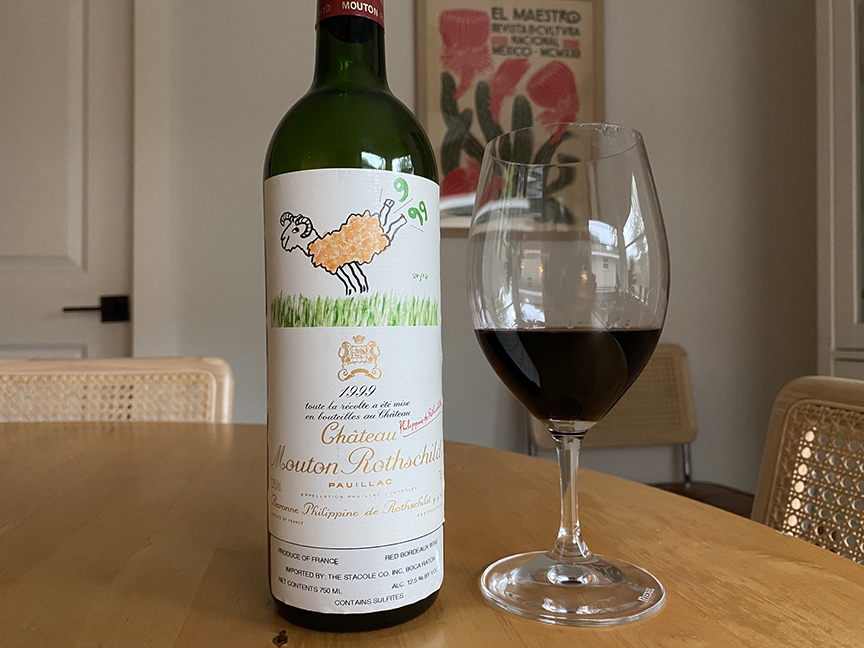
But I’ve been spending a lot of time in Turin, where vermouth was first made, thanks to my client Amistà, who makes a fantastic red wine-based vermouth (above) using their Nizza.

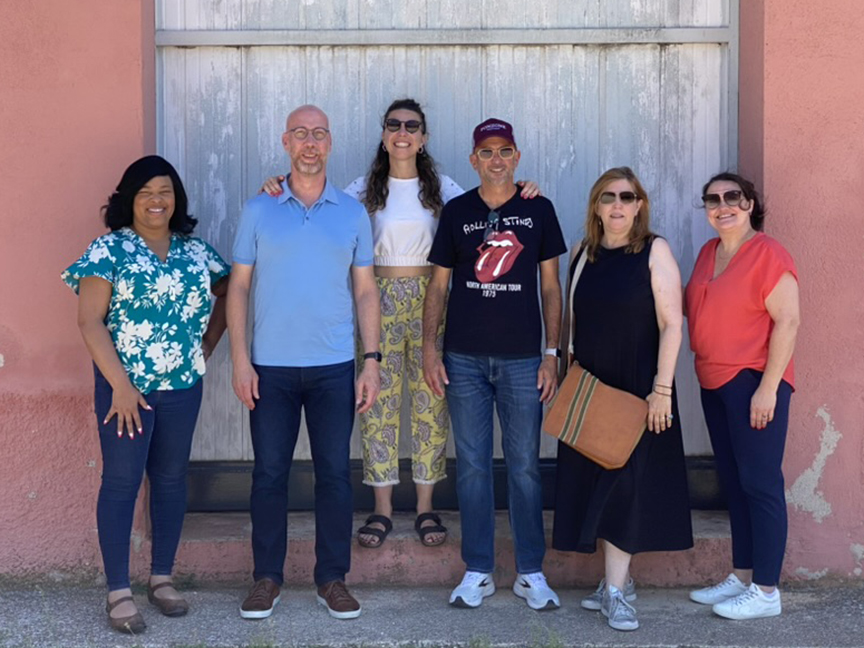
We recently hosted a group from Miami at the winery for a seminar by Fulvio Piccinino, the dude who literally wrote the book on Vermouth di Torino, “Italy’s most famous aromatized wine.”

The interest in vermouth continues to grow on both sides of the Atlantic. And it’s exciting to see programs like the one the chamber is presenting in Texas.

See the links above to register and happy tasting!

A chance meeting with up-and-coming Italian winemakers gives me hope for wine’s future.

Writing on the fly this morning as I head for another day of tasting and visits in Abruzzo (for my ongoing project for the Abruzzo wine growers consortium).

But had to share my experience from last night.

As it so happened, Les Caves De Pyrene, the leading distributor of cool-kid wines in Italy, was having a regional buyers tasting in Pescara where I’m staying.

I was lucky enough to snag an invitation to the dinner they held last night at a wonderful venue in the city’s industrial district, Fabbrica del Vino.

There I met and tasted with Terre di Sovernaja, a producer of cask-fermented, cask-aged Vernaccia di San Gimignano. Fantastic wines.

I also got to taste with Arteteke, an Aglianico del Vulture grower whose collective provides wine trade training for young people with disabilities.

Another winner in my book — the wine and the people.

Was the conversation dominated last night by tales of woe in an industry that seems to be losing ground every day?

No, not at all! No spreadsheets here!

As we munched on Abruzzese lamb-filled tacos (not very traditional but tasty), the confabulatio was centered on the joys and challenges of viticulture. And the mood was bright and brio. No nostalgia for the “good old days” when big wine supposedly flowed like water.

Maybe it’s because young Italian wineries have a built-in consumer base. Maybe it’s because smaller scale and family focused continue to be winning models in a world where cheap Prosecco sales are falling through the outhouse floor.

Or maybe it’s just because there still are those crazy grape growers and winemakers out there who believe in what they do, who see themselves as part of continuum of viticulture that stretches back millennia.

It would seem that despite all the problems the wine world is facing, passion hasn’t gone out of style.

Thanks again Paolo and Domenico for including me! I had a blast!

Move over pizza, pinsa is here to stay. #pinsaenvy

No one knows for certain where the word pinsa came from. It is believed that it is a inflection of pinza or pinzo meaning extremely full.

What is known for certain is that this Italian neologism first began to appear around 2008 in Rome. By the late 2010s, it was a well-established lemma in the Italian language.

I had seen pinserie in Italy’s capital (pinserie, pin-ze-REE-eh, plural of pinseria, pin-ze-REE-ah, a place where pinse are made). But I was surprised when I returned recently to my beloved Brescia in Lombardy in the north to discover that there is now a popular pinseria there.

It would seem the pinsa is here to stay!

By seemingly every definition, a pinsa is neither a pizza or a focaccia (even if those words are nearly seamlessly interchangeable in Italy depending on where you are and what you are eating).

But the concept is the same: high-quality flour pies fired in a convex oven, sometimes with toppings already added, other times with toppings added after the pie is churned out.

The etymon pinzo is suspected because the toppings of a pinsa or pizza or focaccia can be considered a “filling,” the way a pastry or a calzone is “stuffed.”

The pinse at the Pinseria in Brescia were excellent.

I also really loved their jalapeño poppers. Yes, you read that right. Italians are WAY into what they call “jalapeño poppers,” even though they don’t use jalapeños but rather a red Italian-grown pepper.

The concept is the same as for jalapeño poppers in the U.S., except here they use high-quality ingredients (instead of Sysco).

The jalapeño poppers at the Pinseria were great and so were all the Roman street food apps. The beer list was great, too.

Move over, pizza! I hope you’ll recover from your pinsa envy!

Hail like I’ve never seen before in Italy — or anywhere.

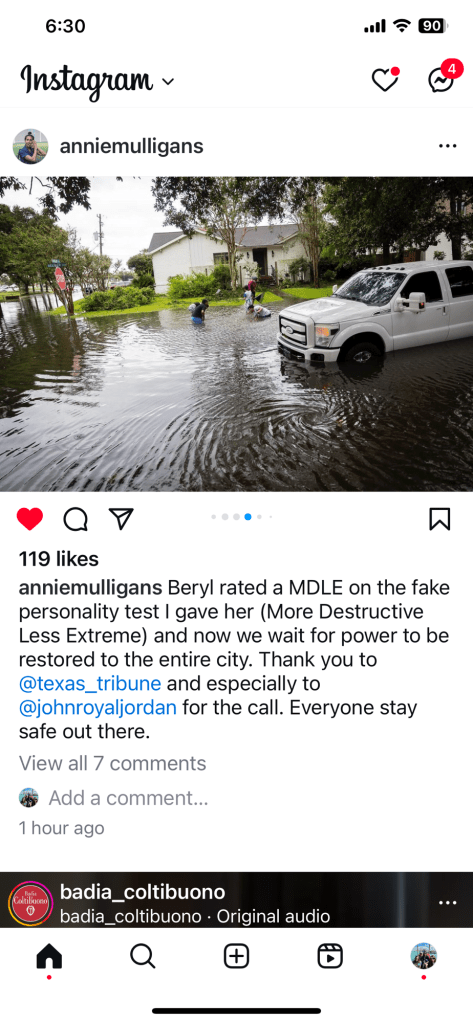
Our family’s hearts and prayers go out to everyone across the U.S. who was impacted by catastrophic weather over the Memorial Day weekend. We just had a few rounds of severe meteorological events in Houston, including some close calls for our community. Extreme weather seem to be the bywords of the day.

This video was shot on May 24, 2024, by my colleague in Turin as he was trying to get home after our late-afternoon meeting in the city center.

That’s hail, not snow. Yes, hail.

We were meeting in a room with a view of the expansive Piazza Vittorio. The weather changed from partly sunny to cloudy and then became suddenly violent.

Everyone I’ve encountered on this trip to Italy keeps talking not just about climate change but also about how rapidly and intensely and unpredictably weather events seem to develop.

Weather forecasts they say are only partly reliable. And it’s affecting everything from outdoor restaurant seating to grape growing to erosion to flash flooding and more. I’ve been coming to Italy for nearly 40 years and I’ve never seen anything like this.

Video courtesy Paolo Tondat.

Dispatch from Italy.

I’ve only been in Italy for a few days but it’s been a whirlwind trip already.

On Tuesday, I presented the wines and vermouth of Amistà for a wonderful group from Miami at the winery’s farmhouse bed and breakfast.

Then it was off to Alto Adige for an extraordinary visit with Hofstätter.

Today, I’m back in Piedmont for an Amistà tasting with a group from Texas in Turin.

I’ve barely been able to catch my breath and enjoy the tide of spring flowers that have sprung up across wine country. It’s truly breathtaking to see.

The shot above is from one of Hofstätter’s top vineyards for Gewürztraminer. The ancient pine tree (directly above) stands nearby. And below a “money shot” of the famous San Michele Church in the Sant’Urbano vineyard where their top Pinot Noir is grown.

The weather has been very strange in recent weeks, with intense rains that caused some flooding and created major issues for some growers. Climate change and the accompanying challenges continue to keep winemakers extremely busy. And they all say the same thing: it’s the extreme nature of weather events that keeps everyone guessing.

Next week I’ll be heading to Milan to attend a concert with friends. Then it’s back to Piedmont for another event before I head to Abruzzo for a few days of tasting.

The best news is that Tracie and the girls will be joining me early next month! And we are going to have a genuine family vacation. The girls have made me promise that we won’t go to any wineries! We’re going to travel by train and the girls are going to get their first taste of the Grand Tour.

Writing on the fly today but it only takes a few days on the ground to be reminded that Italy’s ceaseless beauty, cultural richness, and warm humanity never fail to astound even the weary traveler.

Thanks for being here. I’m looking forward to sharing my notes from my trip.

Focus on the Chianti recipe misses the point. Ricasoli’s game-changing discoveries were acidity and terroir. 100 years of Chianti Classico consortium.

This week marked the 100th year since the Chianti Classico consortium was founded.

Think of that! 1924, two years after the March on Rome, a time of sunny optimism and resurgence of national pride in Italy, years before clouds of war would appear on the horizon.

A century later Tuscan resilience, ingenuity, entrepreneurial acumen, and Chianti terroir have endured war, economic catastrophe and revival, booms and busts. And Chianti Classico and the interest in its wines are arguably more robust than ever in history.

The organizers of the wonderful Top Drop festival in Vancouver asked me to celebrate the anniversary in my keynote talk at the gathering earlier this week.

Chianti Classico and all those uniquely Tuscan attributes above are a model and an inspiration for a wine trade in a moment of crisis. Its arc shows how Tuscan — Italian — creativity and diligence offer a roadmap for a brighter wine industry future.

The Iron Baron, Bettino Ricasoli (1809-1880), is often remembered today for the “Chianti recipe” he created (read it here).

But for those who have read his celebrated exchange of letters with professor Cesare Studiati in at the University of Pisa, the focus on the formula misses the point.

Ricasoli and his colleague realized that acidity was the key to making wines that would retain their quality during shipping.

They discovered that the marriage of native grape varieties with their terroir produced wines with higher levels of acidity.

From their research and work in the field emerged a new wave of Sangiovese growers who followed Ricasoli’s example: like the baron, they ripped out their gaggle of grape varieties and replanted primarily to what is considered the quintessential Tuscan grape.

Think of that! How powerful to consider an advent of terroir!

It’s another reason why we owe so much to Chianti Classico — the wine arguably more closely aligned with a place than any other. And maybe it will inspire us to remember how Tuscan imagination and resourcefulness are essential elements of the terroir that has made Chianti Classico a wine icon.

A fantastic wine program and wonderful esprit at L’Abattoir in Vancouver BC.

Writing on the fly this morning as I prepare my keynote talk for the Top Drop festival in Vancouver BC this morning.

But have to give a warm shoutout and thanks to wine director Andrew Forsyth at L’Abattoir in the city’s Gastown.

On the recommendation of the festival organizer, I popped in last night for an extraordinary glass of 2015 Chardonnay by Quail’s Gate in the Okanagan Valley.

Wow, what a wine! Still extremely fresh, it was like biting into a bowl of lovingly ripened tropical fruit.

Paired fantastic with the restaurant’s signature baked oysters topped with a savory zabaione.

I went with Andrew’s excellent recommendation but I could have gone a thousand different directions with his gorgeous list (and wow, the prices in Canada are great!).

I was also super impressed by the general esprit of the staff. Everyone I interacted with engaged me with conversation and notes on the menu and wines. I loved this place and highly recommend it.

Oh, and please don’t tell Tracie that I had the below for a late-night snack (not at L’Abattoir, obviously!).

This is such an amazing food and wine town! I’m looking forward to the festival tonight and tomorrow and hopefully will get some raw oysters in before I head out tomorrow for California.

Thanks for being here! Wish me luck and wish me speed…

“My Boy,” a love song I wrote for RooRoo (aka Rusty).

So many folks from across the world called to make sure we were alright following the rains that caused catastrophic flooding in Houston last week. Our heartfelt thanks goes out to all of them.

Our neck of the woods was spared by the rising waters. But RooRoo (aka Rusty), one of our two rescue dogs, had a really rough time of it. He’s terrified of the rain, thunder, and lightning. Understandable for a dog who was abandoned most likely after Hurricane Harvey and left to fend for himself.

He and I were awakened by thunder and lightning early Sunday morning and he wouldn’t leave my side until the storm subsided.

And that was when this song came to me. By 9 a.m. it was recorded and mixed.

That’s RooRoo on the right in the photo above, with our other dog Paco.

Whenever I comfort RooRoo during a tempest, I always remember that I’m only returning the favor. During the early closures of 2020, when we were still a single-income household and I barely knew how I was going to pay the rent and feed our family, he spent many a sleepless 3 a.m. faithfully by my side. He would look up at me with those wide eyes as the panic attacks came and went. He didn’t have to say the words: it’s going to be okay, daddy, we’ll get through this together.

And “he saved my life on a stormy Texas night.”

I hope you enjoy my love song to RooRoo. Lila Jane directed and edited the video. Thanks for listening. And thanks, again, to everyone who called to make sure we were alright.


He’s a sly boy
He’s a shy boy
He’s an apple of my eye boy
He’s a cry boy
He’s a sigh boy
He’s got no alibi boy

Once he saved my life
On a rainy Texas night
Cause he’s my boy
Cause he’s my boy

He’s a brown boy
He’s a clown boy
He’s a take me back to town boy

He’s a snide boy
Wide eyed boy
He’s a never leave my side boy

I know he’ll save my life
On another rainy night
Cause he’s my boy

When the storms come back to Houston
And the lightning fires up the sky
He will hold me, he will scold me
Cause I can not stop the rain
From fallin down
As he lies by my side

Cause he’s my boy my boy
a bundle of my joy boy
Cause he’s my boy my boy
He’s my wonder why boy

I know he’ll save my life
On a stormy Texas night
Cause he’s my boy