
 Above: the Natisone river runs through Frliulian wine country.
They actually knew it was coming.
More than a year before the media-dubbed “Sauvignon connection” scandal appeared in the local press, Friulian producers of Sauvignon Blanc were aware that authorities were scrutinizing their production.
According to the agricultural superintendent for Friuli at the time, Vannia Gava (a vocal member of the separatist Northern League political party), winemakers from her region were doctoring their wines to give them aromas that didn’t align with the classic profile of Sauvignon Blanc grown there.
“It seems,” said Gava in an interview published by the Messaggero Veneto in May 2014, “that certain well-known Friulian wineries are using additives, preservatives, and chemical perfumes, some of which are carcinogenic. They are added during bottling, especially when it comes to Sauvignon [Blanc].”
More than a year later, in September 2015, the Friulian mainstream media reported that authorities had raided a number of high-profile Friulian wineries and confiscated wines and winemaking materials. According to the report, officials accused the winemakers of using unauthorized additives that would enhance the wines’ aromas.
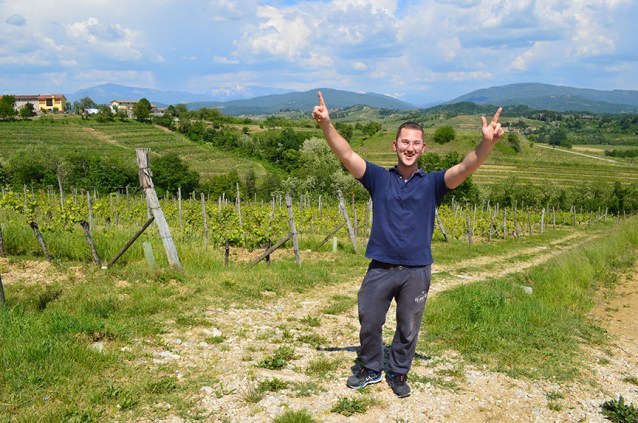 Above: Cristian Specogna, one of Friuli’s leading and most respected producers of Sauvingon Blanc. Investigators’ lab results found that he uses native yeasts to ferment his wines.
Today, more nine months after anti-adulteration agents’ raids, no charges have been filed against any of the alleged wrongdoers.
And the lab results show that no unauthorized enzymes or cultured yeasts were found in the wines seized and tested by authorities.
I’ve seen the report myself.
When I visited Friuli in early May, I had the opportunity to meet and discuss the ongoing episode with three winemakers there — two who were not implicated in the controversy and one who was.
All three told me that they are confident that no charges will be filed. And all concurred that winemakers implicated in the inquiry are now stuck in a bureaucratic limbo: there is no word as to when officials will clear their names.
It’s not my place to speculate as to what prompted authorities to launch the investigation. But I know for a fact that they acted aggressively, descending on the accused winemakers’ facilities in great numbers and with a significant show of force. And prior to the raids, officials had tapped the winemakers’ phones.
In at least one case, a Sauvignon Blanc producer was forced to appear at his son’s school in the custody of Carabinieri (the Italian paramilitary police). As for all of the producers implicated in the investigation, wines by that winemaker were shown not to contain any unauthorized additives.
One of the winemakers I met with in May pointed out to me that there exists no list of unauthorized yeasts for the production of Friulian Sauvignon Blanc. In other words, even if authorities had discovered that selected yeasts were being used to give the wines aromas that didn’t align with sanctioned varietal expressiveness, there would be no legal basis to charge the winemakers accused of wrongdoing.
In the end, it was all much ado about nothing. Yet neither authorities nor local media have moved to share investigators’ findings.
What to make of all of this?
In the short-term, the authorities’ aggressive and misguided attitude and media’s blood thirst for clicks have gravely damaged the Friulian “wine brand.” When in Venice last month, a prominent sommelier told me that he “prefers the reds” of one the winemakers implicated in the inquiry.
In the long-term, I know that the industrious and earnest winemakers of Friuli will recover from the blow. It will take time but I believe the excellent wines they make there deserve our attention and our respect.
And I encourage you to seek them out.
Thanks for reading…
 At a recent dinner at his excellent restaurant Frasca in Udine province (Friuli), Valter Scarbolo treated a group of American interior designers and publishers to a vertical tasting of his Pinot Grigio.
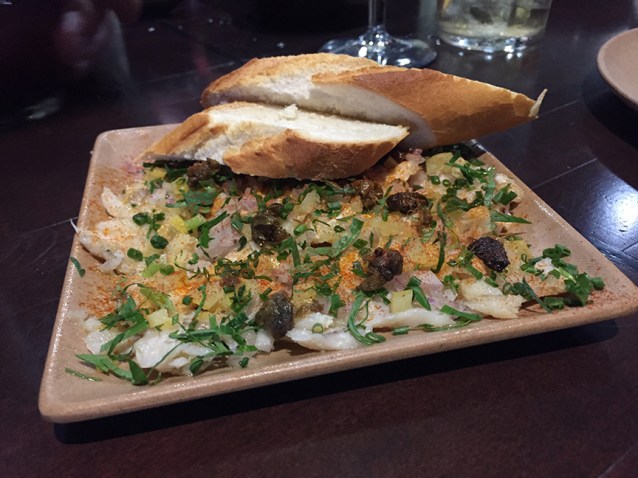 Every time Sotto brings me to Los Angeles to work on our wine list, general manager Christine Veys and I try to break away to check out one of the new restaurants on LA’s vibrant food scene.
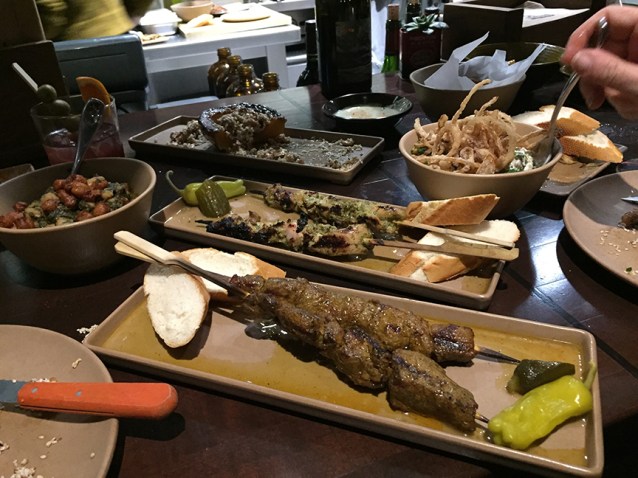 Everything was truly fantastic and it was great to see his energetic team working in the kitchen with such focused skill and decisive sense of mission.
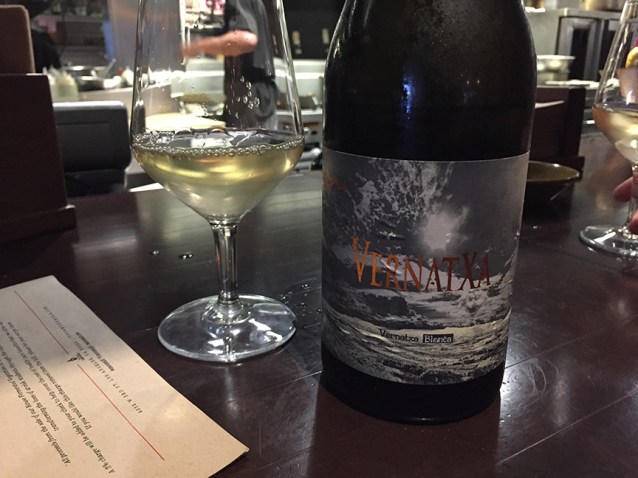 Even though Christine and I really dug into our meal with gusto at Moruno, my “day after” was bright and sunny, as it were.
 Posting from the plane on my way to Los Angeles where we will be launching my new wine list at Sotto this week. I’m happy/sad to report that
  What a joyous day for this proud daddy yesterday when Georgia P performed in her first big dance recital at the Stafford Centre theater in southwest Houston!
 Man, can you imagine the lump in my throat and the pounding in my chest as we waited patiently in the audience for her big stage debut!
 And Lila Jane, you had so much fun cheering your sister on!
 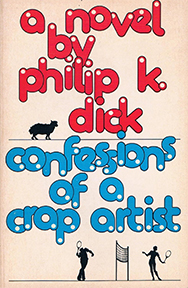 “If this world’s all for the winners, what’s for the losers?”
 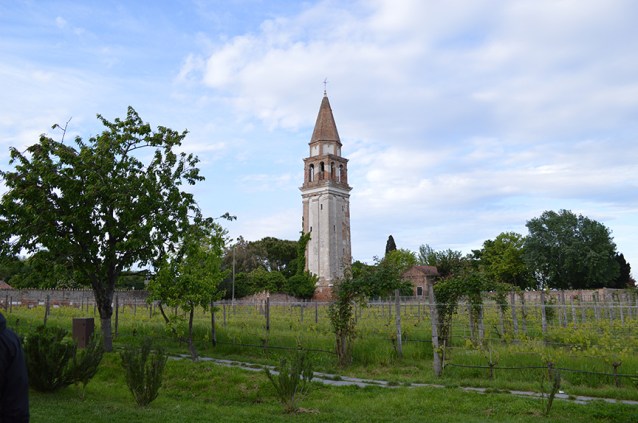 Honestly, despite everything I’ve read about
  Today, the Bisol family uses the same drainage system that has been in place in the vineyards for generations.
 At dinner that night at the Michelin-starred Venissa restaurant, our group of roughly 30 persons had the opportunity to taste the wine.
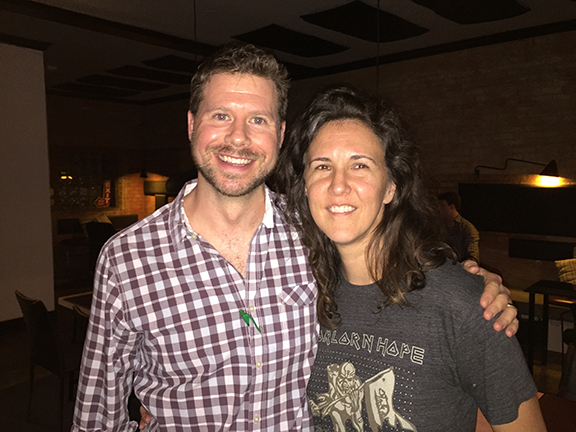 That’s David Keck, left, owner and wine director at Camerata and Houston’s newest Master Sommelier, with Elaine Brown, wine writer and blogger, who visited us earlier this year.
 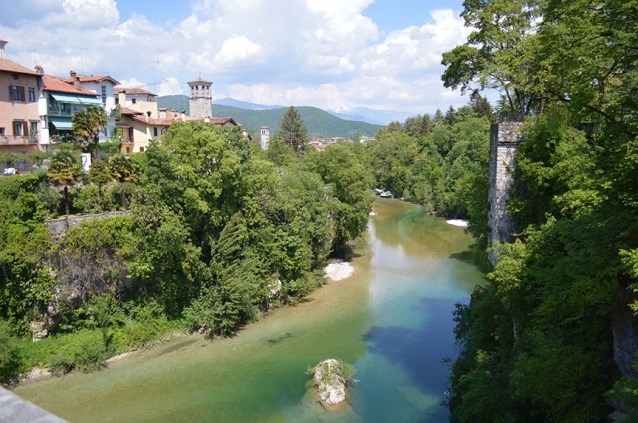 Above: “chiare, fresche, e dolci acque” (“clear, cool, and fresh waters”). Does anyone remember the famous song by my beloved Petrarch? For those who don’t, it’s canzone 126. The view of the Natisone River, above, from the Ponte del Diavolo in Cividale del Friuli, reminded me of the poem when I visited a few weeks ago.
