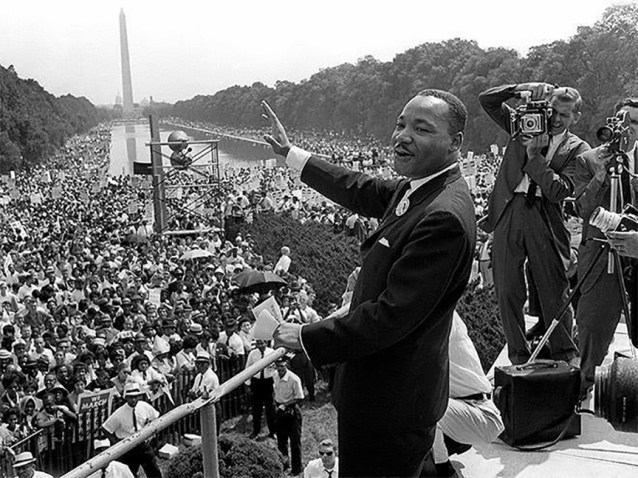
 Dr. Martin Luther King, Jr., American civil rights leader and peace activist, was assassinated 50 years ago today in Memphis, Tennessee.
The following is an excerpt from his landmark speech “The Other America,” delivered less than three weeks before he was killed:
- There must be a recognition on the part of everybody in this nation that America is still a racist country. Now however unpleasant that sounds, it is the truth. And we will never solve the problem of racism until there is a recognition of the fact that racism still stands at the center of so much of our nation and we must see racism for what it is. It is the nymph of an inferior people. It is the notion that one group has all of the knowledge, all of the insights, all of the purity, all of the work, all of the dignity. And another group is worthless, on a lower level of humanity, inferior. To put it in philosophical language, racism is not based on some empirical generalization which, after some studies, would come to conclusion that these people are behind because of environmental conditions. Racism is based on an ontological affirmation. It is the notion that the very being of a people is inferior.
I can’t think of a better way to honor Dr. King today than by re-reading and studying his writings and speeches. I recommend the speech above, one of the last he gave before his death.
Tracie and I wept last night as we streamed “King in the Wilderness,” a new documentary about the latter part of his career.
As we watched the film, one of the things that struck both of us was how whites would use Confederate flags to taunt Dr. King and the marchers he led. I can’t repost the image here but this photograph was shot during the 1966 March Against Freedom: a young shirtless boy plays “Dixie” as a young woman waves the Confederate flag and the marchers approach. You see the hecklers (in motion picture footage with audio) in the documentary. It’s a chilling sight.
Scroll through this archive of photographs from the same march and you’ll find similarly disturbing images of white Americans menacing their black sisters and brothers with Confederate flags.
Today, on the anniversary of his death, we celebrate the life and work of Dr. King. His contribution to the historic fight for civil and equal rights for all Americans is unrivaled. And his legacy only grows as it continues to inspire a new generation of Americans to stand up for what is right and just in our country.
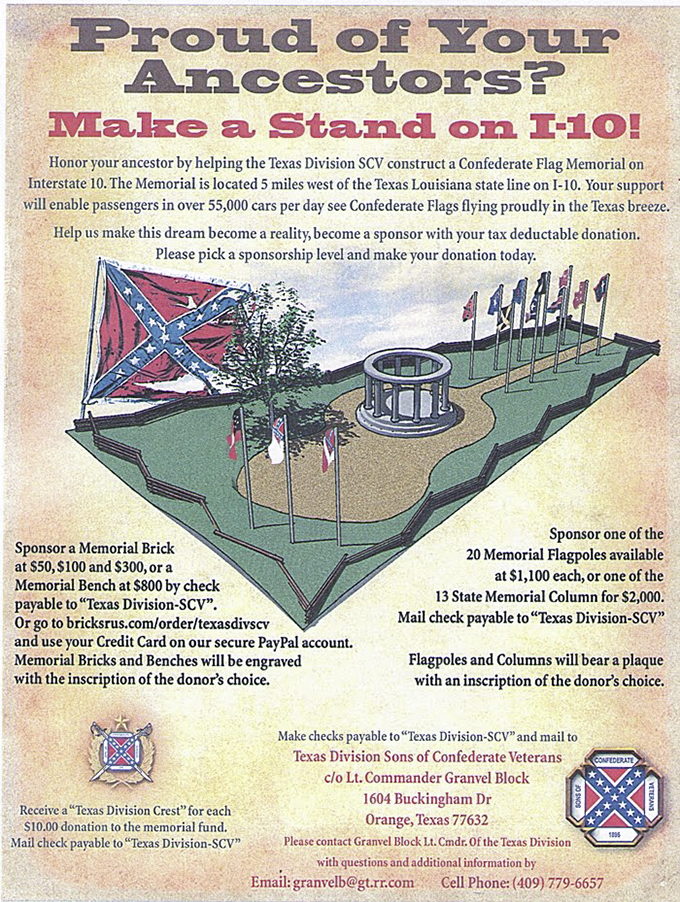
On Saturday, April 7, Tracie and I will be protesting the Confederate Memorial of the Wind in Orange, Texas. It was erected a few years ago on Martin Luther King Dr. where the thoroughfare meets Interstate 10, one of the busiest traffic hubs in the county. See this flier, distributed by the owner to raise funds for its construction.
We are not asking for the site to be torn down. We are asking the organizers to repurpose the site to reflect the values of the community — nearly 50 percent black.
Please join us. We have space in both of our cars available for Houstonians who want to participate.
G-d bless Dr. King and his family. G-d bless America.
See also this op-ed, “How Dr. King Lived Is Why He Died,” published by Rev. Jesse Jackson, in today’s New York Times.
Image via the National Park Service Flickr (Creative Commons).
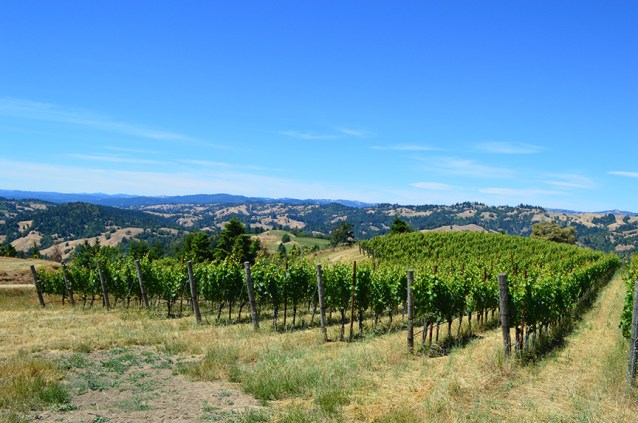 Above: the West Sonoma Coast is one of California’s youngest wine regions. Growers are petitioning to create a new Americana Viticultural Area designation there. The Pacific Ocean lies just a stone’s throw to the west of the vineyard in the photo.
 Yesterday, on Easter morning around 7:30 a.m., President Trump wished his Twitter followers a
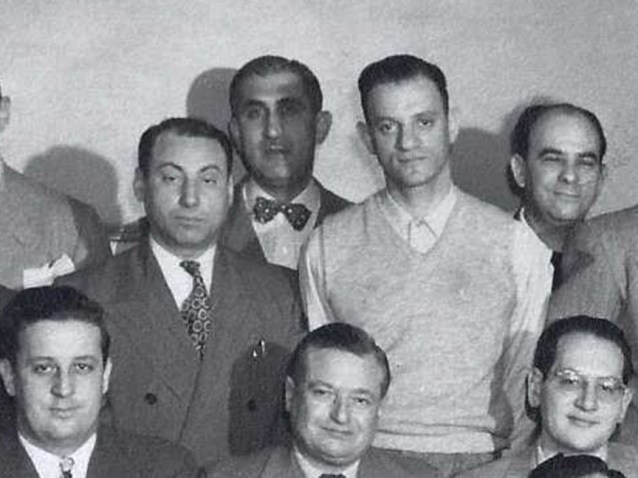 The Passover. The very name of the holiday implies movement.
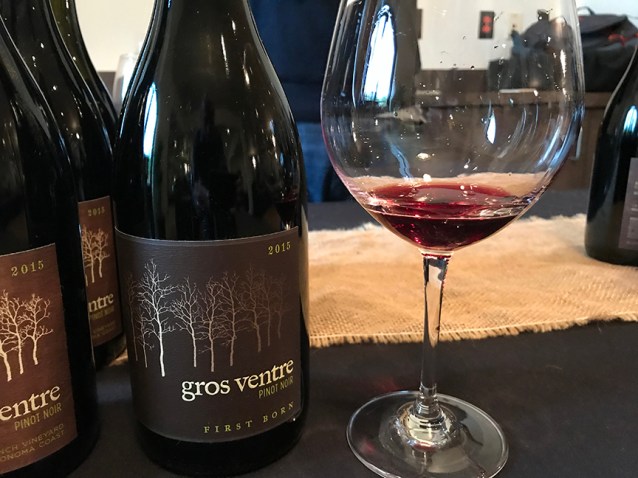 When I finally got home to sit down to dinner with Tracie last night around half past eight, it felt like I had traveled around the (wine) world and back.
 By late afternoon, I was seated with one of the coolest people in the Italian wine world today, Tony Apostolakos, U.S. sales director for Masi in Valpolicella.
 “Italian immigrants made sure Barbera had a home in California,” wrote José Vouillamoz in Wine Grapes (Ecco 2012).
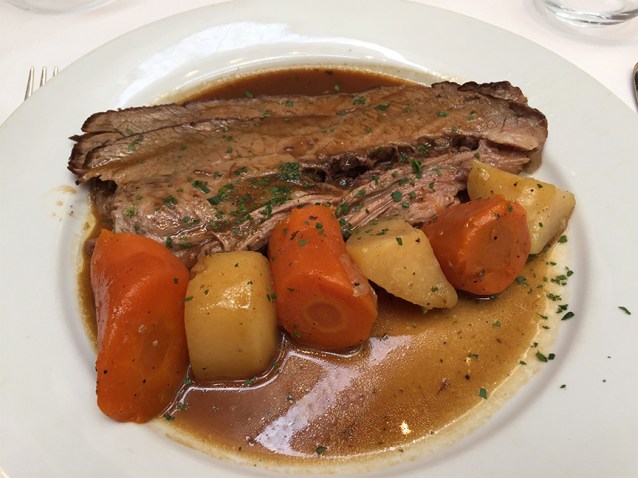 It’s that time of year again when people begin wondering and asking about wine pairings for Easter and Passover.
 Similarly, my wife’s family served and drank sweet wines (when/if they opened wine) at holiday meals. Sweet wine is still very popular in Texas and across the south. And so when we share holiday meal on the Louisiana border where my wife Tracie grew up, I always bring along some German Riesling and the occasional Quarts de Chaume.

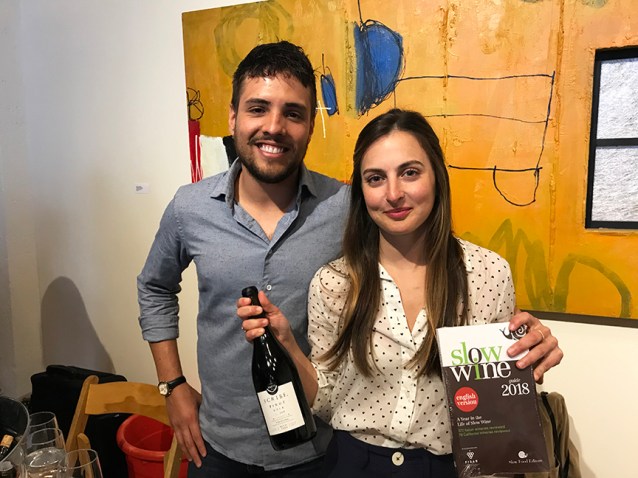 Above: Kelly Mariani (right), whose family owns Scribe in Sonoma, and Antonio Balassone, who works with the winery as well. They were among the estates presenting their wines in San Francisco at the Slow Wine Guide tasting. Both are grads of the Slow Food University of Gastronomic Sciences in Piedmont.
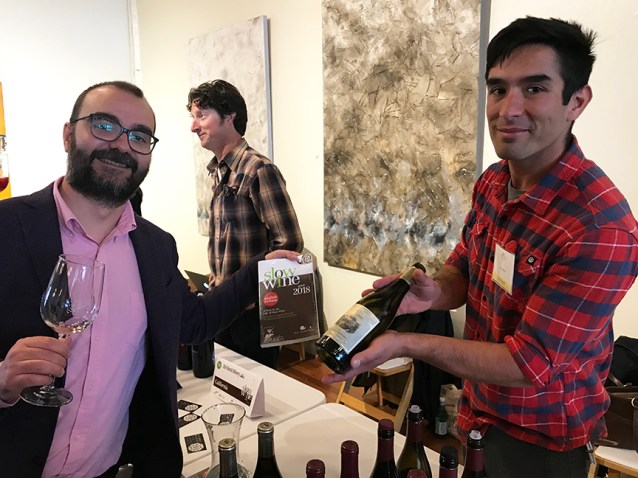 Above: Slow Wine editor-in-chief Giancarlo Gariglio (left) and Littorai’s associate winemaker Dan Estrin at the San Francisco event. What stunning wines!
 Tracie and I both really enjoyed this Vermentino (above) from Troon Vineyard in Oregon.