
 Image via Adobe Stock.
What a surreal experience this morning at the breakfast table explaining to our daughters, 8 and almost 10, that Roe v. Wade will soon be gone. They’re too young to understand the broader implications of yesterday’s arguments before the Supreme Court. But their lives and the lives of their fellow Americans will be affected by it in ways that, sadly, we all know too well.
But even more surreal was Justice Amy Coney Barrett’s comment yesterday during arguments that “women don’t have to parent if they don’t want to.” In her questions to the lawyers presenting their cases, she suggested that women who don’t want to parent can simply put their children up for adoption, an easy solution — in her mind — to a much more complicated issue than she can evidently imagine.
Was Barrett paying attention when her colleague Justice Sonia Sotomayor asked the following?
- When does the life of a woman and putting her at risk enter the calculus? Meaning, right now, forcing women who are poor — and that’s 75 percent of the population and much higher percentage of those women in Mississippi who elect abortions before viability — they are put at a tremendously greater risk of medical complications and ending their life. [It’s] 14 times greater to give birth to a child full term, than it is to have an abortion before viability.
- And now the state is saying to these women, we can choose not only to physically complicate your existence, put you at medical risk, make you poorer by the choice because we believe, what?
And that’s the thing that people like Barrett just can’t seem to wrap their minds around. Not everyone grew up in a picture-perfect, idealized white-bread world like hers. Not everyone in our country has the resources to ensure their reproductive health rights. Not everyone in our country has the means to allow them to choose not to parent.
Imagine a financially challenged white woman who lives in one of Houston’s depressed neighborhoods and already has children. Today in our state, unless she realized she’s carrying a child before six weeks into an unplanned pregnancy have passed, she would have to travel to another state to obtain an abortion. Given that it’s nearly impossible for her to do that, the natural outcome would be that she would have the baby. Can she simply decide not to parent the child? That’s where Barrett’s pie-in-the-sky argument falls apart. Not only would said American citizen have to risk her own health to deliver a child without the financial resources that Barrett enjoys. But she would also have no other choice than to parent a child for whom she doesn’t have financial resources to support.
Well, Barrett might say, she can simply put the child up for adoption. But think about for a second: is a woman living in poverty going to have the resources and the community support to start that process and take care of the child in the meantime? No, it’s not that simple. Nor is it that easy.
And that’s where Barrett and the anti-reproductive rights activists just don’t get it: not everyone in this country looks and lives like them.
Roe v. Wade wasn’t for people like Tracie and me who grew up with financial and health security. Roe v. Wade wasn’t for people like Tracie and me who have had unfettered access to health care and community support throughout our lives. Roe v. Wade was for the woman living with limited options and choices about how to care for her own body and how to provide for her children.
I was just a child when Roe v. Wade became the law of the land. Tracie wasn’t even born. Throughout the course of our lives, it has ensured reproductive health rights for women from all walks of life — and not just the privileged like Barrett.
I’m not “pro-abortion.” I’m pro-reproductive rights for all women. I pray — I believe in G-d and pray genuinely — that our daughters will never have to face such challenges. And it’s more likely than not, given that they are growing up with privilege, that they won’t.
Roe v. Wade wasn’t for me. It was for the most vulnerable among us. And now it’s gone. That’s an American tragedy.
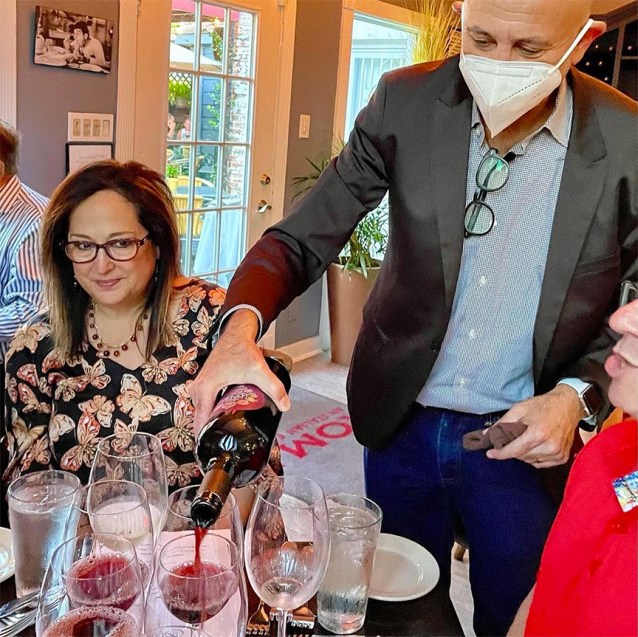 My client, Prosecco grower and producer Villa Sandi, called me at the last minute during Thanksgiving week asking me to cover for their export director at the Gambero Rosso tasting in Miami tomorrow, Tuesday 11/30.
 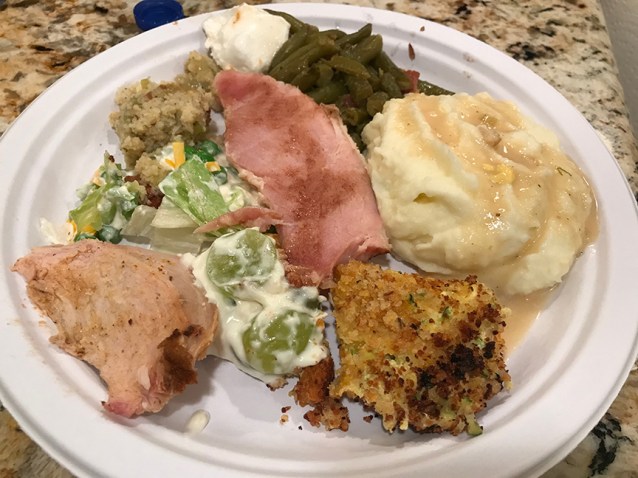 “Why is it,” a leading wine writer asked me rhetorically late last month, “that our genre is the only one where we treat our audience like they know nothing about the subject matter?”
  Yes, it’s true that the top wine writers of our generation are not directly influenced by the advertisers’ agendas. But there is no denying that especially in the internets era, the topics covered by mainstream wine writers are driven by clicks. Anyone even vaguely familiar with Search Engine Optimization will recognize that even the most editorially lofty wine writer is called on to deliver a Thanksgiving wines piece to align with the timing of Thanksgiving.
 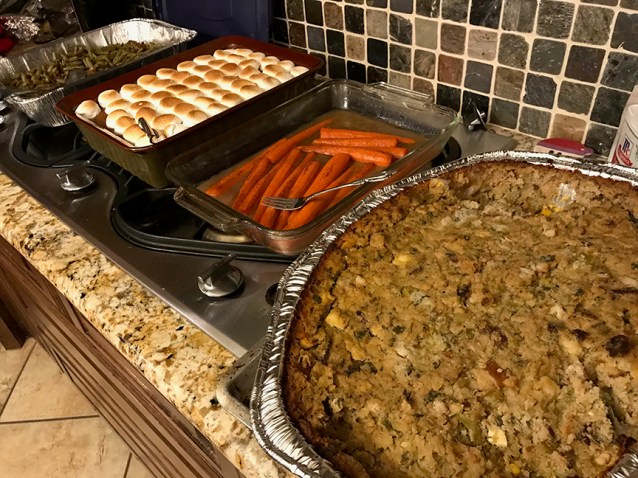 Taking a page from our fellow European wine lovers, what if we threw “the perfect Thanksgiving pairing” to the wind this year and just enjoyed the wine and food? One family likes to serve “unfriendly to wine” artichokes. Another, asparagus. Does that mean that in the former case they can serve no wine at all and in the latter they are forced to serve Gewürztraminer, the only TexSom-sanctioned wine to go with that vegetable?
  I’m super stoked to invite you to the Parzen family Hanukkah party 2021!
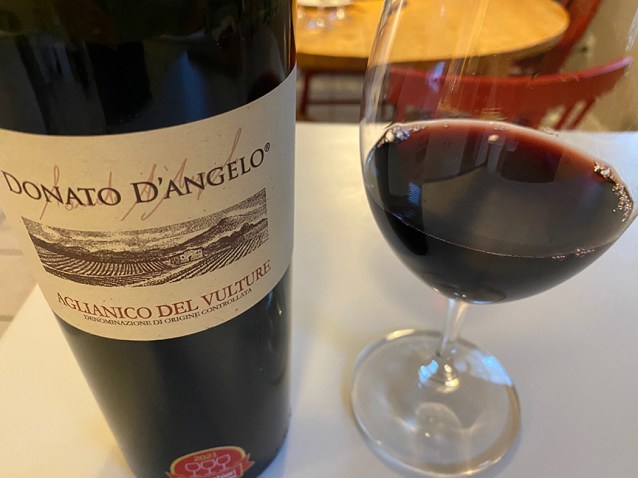 Aglianico del Vulture’s “top producer,” wrote Sheldon and Pauline Wasserman in their landmark folio Italy’s Noble Red Wines (Macmillan 1985), was Fratelli d’Angelo.
  Man, it’s been an insanely busy couple of weeks between work and our girls’ music and school.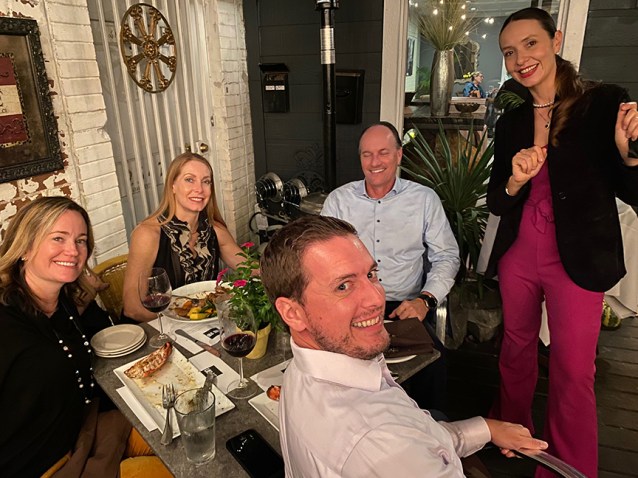
 The following obituary by Filippo Larganà has been excerpted and translated from the popular Piedmont-focused wine, food, and agropolitics blog
 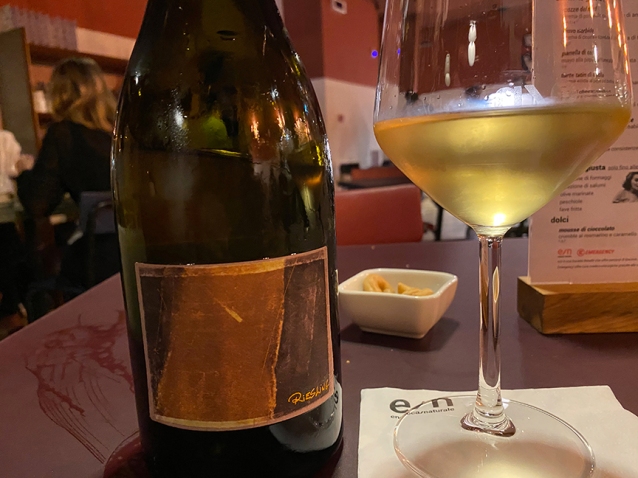 One of the things that will delight first-time visitors to
  The sense of moral purpose and civic cause hasn’t been lost on the founders and owners of Enoteca Naturale who set their business up as an “SRL Benefit” when they opened its doors in late 2018. SRL is the Italian equivalent of limited liability company. The term benefit here denotes a for-profit company that receives tax incentives for fostering and supporting community. In the case of Enoteca Naturale, the owners have committed to making their workforce diverse, including numerous hires of immigrants. It’s a program known as integrazione sociale or social integration. Pretty cool, right?
  Everyone at Enoteca Naturale was so warm and welcoming. They didn’t care where any of the guests were from or where they were going. All they cared about was pouring and sharing good wine with people who were there for that very purpose.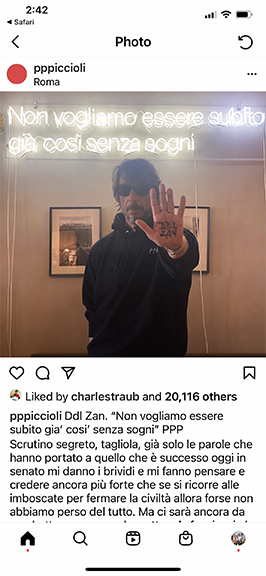
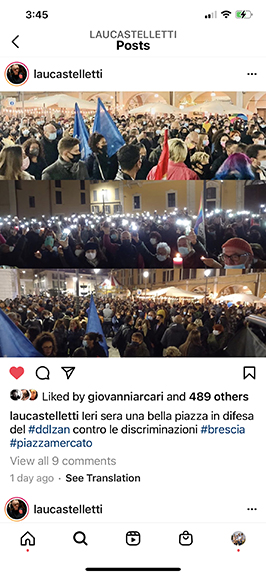
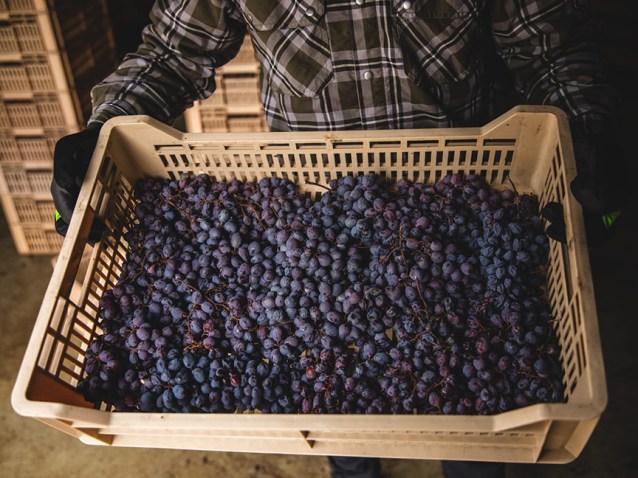 Above: grapes being “raisined” for the production of Valpolicella wines.
 Do Bianchi