
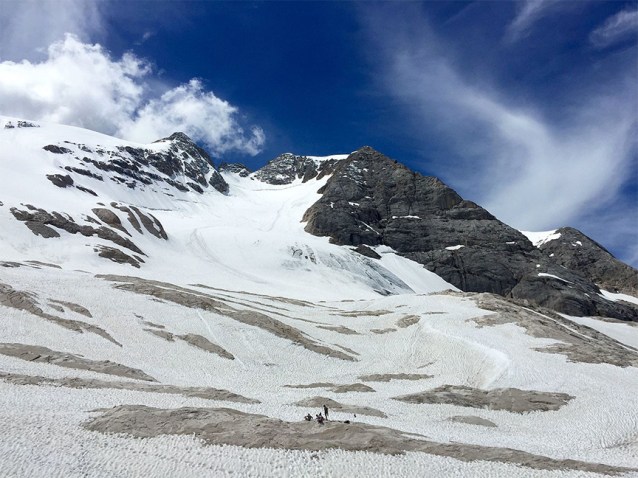
 Above: the Marmolada glacier in Trento province before Sunday’s avalanche. Image via Wikipedia Creative Commons.
On Sunday, a melting glacier caused an avalanche in Italy’s Trento province. As of today, the remains of nine persons have been found. More hikers are still unaccounted for as the number of the dead climbs.
In reports published by mainstream media, local officials attribute the catastrophe to global warming. Some have predicted the entire glacier will melt within 50 years.
Many of Italy’s greatest northern wine appellations were formed by melting glaciers in the Eocene period more than 30 million years ago.
Lake Garda is a great example of this. In the topographic map below, to the right of the lake, you can see the “wrinkled” hills of Valpolicella that were also formed by melting ice during that period.
(Btw, the toponym Valpolicella doesn’t mean “the land of many cellars,” as many erroneously believe. In fact, the name first appeared in the twelfth century, in a decree by Frederic I of Swabia, aka Barbarossa or Red Beard, and by the sixteenth century was widely found in Latin inscriptions as vallis pulicellae, literally the valley of sand deposits, from the Latin pulla, a term used in classical Latin to denote to dark soil and then later to denote alluvial deposits.)
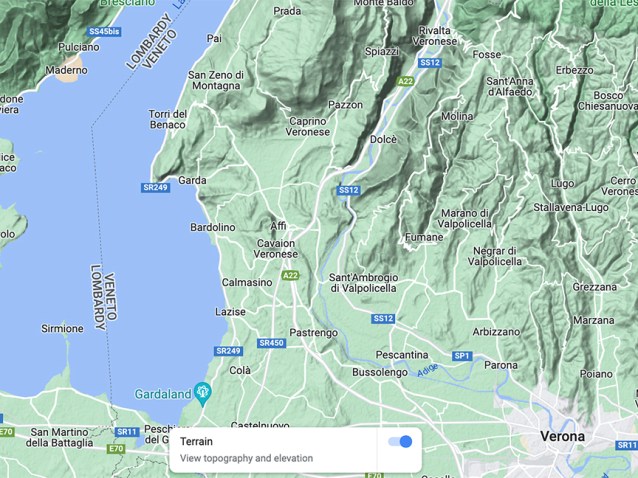 Lake Iseo is another classic example. And we could point to many other appellations that were shaped by similar geological events in prehistory.
The valleys of Trentino and south Tyrol, where some of Italy’s best Pinot Grigio and Pinot Noir are grown, were also formed by a melting glacier. Its alluvial soils are testament to the region’s geological history. Proseccoland and Valle d’Aosta also share this geological heritage.
Earlier today, the Times published a story entitled “Glacier Tragedy Shows Reach of Europe’s New Heat.”
In the piece, the reporter quotes Susanna Corti, he coordinator of the Global Change unit of Italy’s National Research Council.
“These kinds of events, they are getting more and more frequent,” she says, “and they will be more frequent with enhanced global warming.”
With this type of catastrophic event already happening upstream from wine country, how long will it take before extreme weather events literally wash the vineyards away?
After reading the initial reports of the avalanche, which happened in a part of Italy that I — like so many wine professionals of my generation — have visited repeatedly for work, it occurred to me that the vineyards my children will visit with me in coming years might not even be there by the time their putative children are grown.
Could it be that the same geological events that created so many important wine regions will be their undoing?
 Above: me at the Slow Food University of Gastronomic Sciences last summer in Pollenzo/Bra where I teach food and wine communications in the graduate program. Photo by
  Above: American artist Tony Tasset’s “Eye” in downtown Dallas not far from the Grassy Knoll.
 Screenshot from
 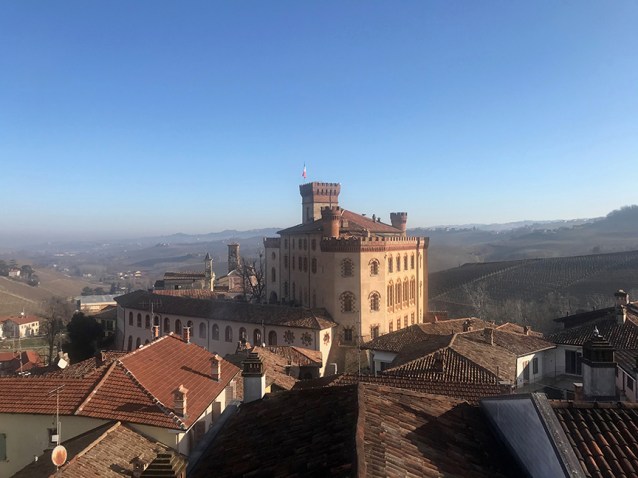 Above: the historic Barolo castle in the center of Barolo, the village.
 From “The War of the Rebellion: A compilation of official records of the Union and Confederate Armies,” 1896. Image via the
 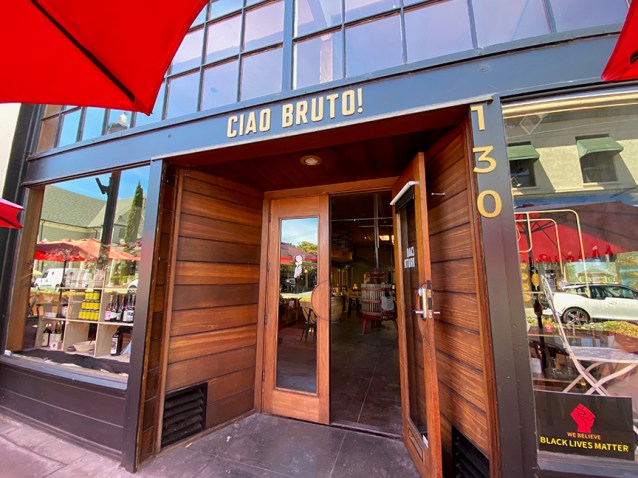 It almost felt surreal.
 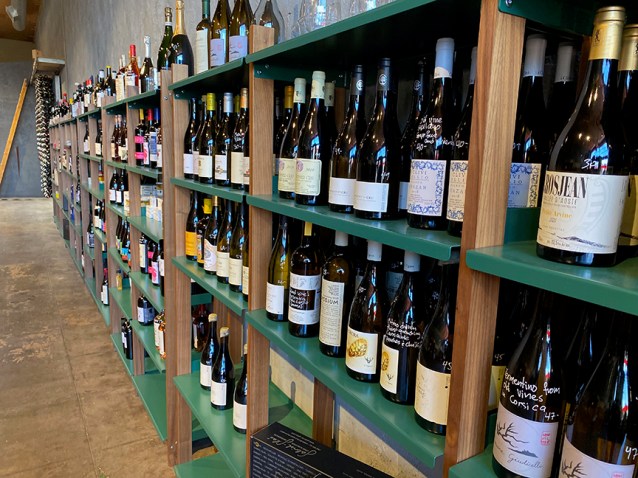 What’s even more exciting about Thomas’ new shop is that he is also importing all kinds of great food products from Europe as well.
  Next week I’ll be leading my “What’s So Sexy about Moscato d’Asti” seminar and tasting in Dallas at the legendary ZaZa hotel.
 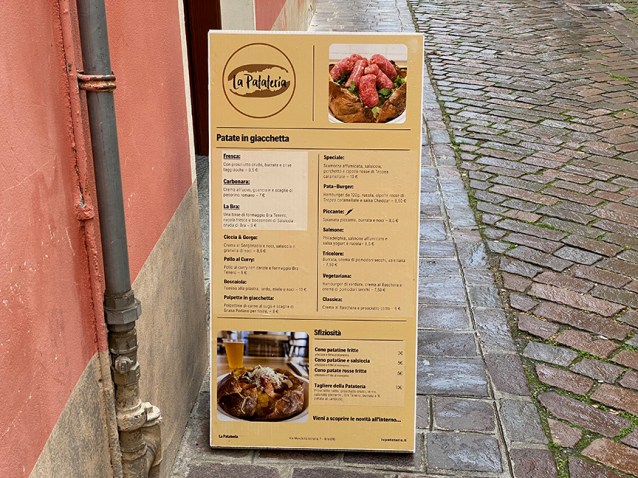 Today’s post is the fourth in a series on my favorite places to eat in (my) Bra (Cuneo province, Piedmont) where I teach at the Slow Food University of Gastronomic Sciences. The toponym Bra comes from the late Latin braida, meaning a suburban field for farming.
 My Bra seems to be a laboratory for new fast food and casual food concepts. Last year when I visited, a new hamburger place had opened. It’s called
 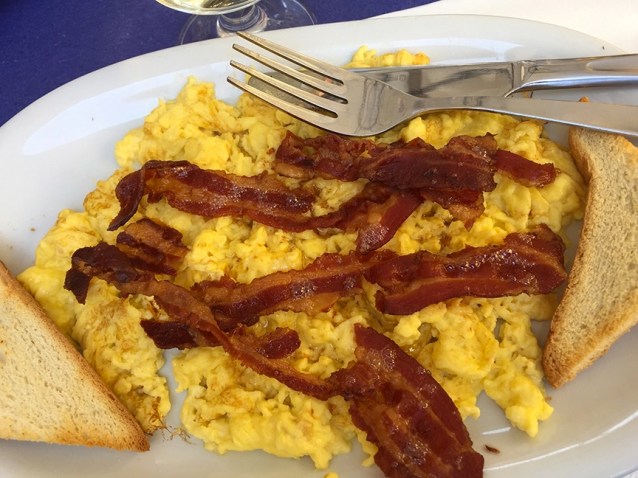 That’s “bacon and eggs” at a writerly café in Milan a few years ago. Not an American in sight but plenty of people eating American breakfast food — for lunch.
 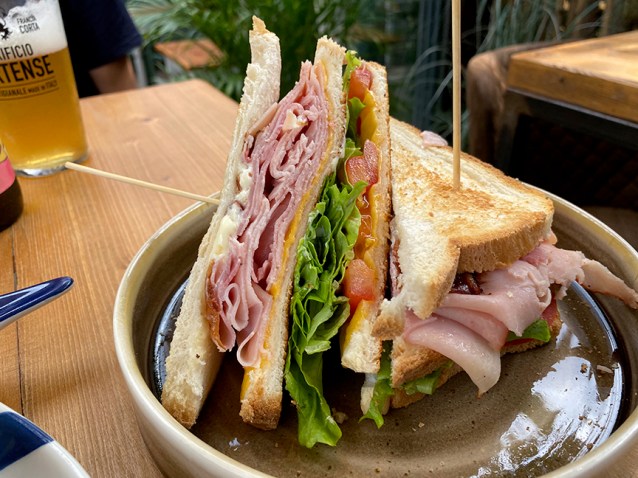 The quality of the bread is also generally much better than in the U.S. Again, thanks to higher quality ingredients in my experience. That’s a club sandwich on Lake Iseo last year. It was fantastic. The Italians generally use homemade mayonnaise, as in this rendering of the American classic diner dish. It’s wonderful.
 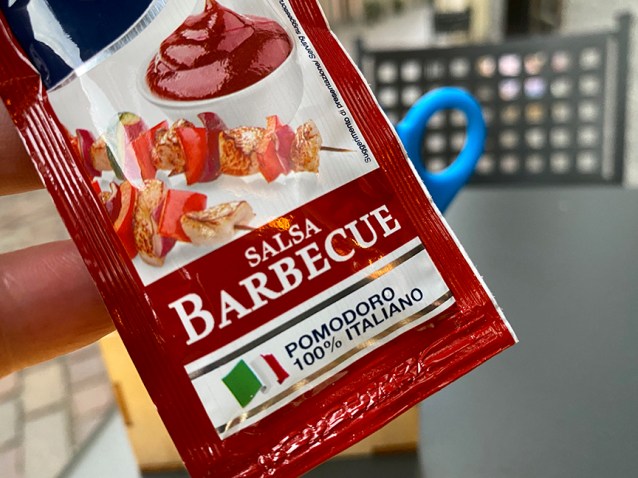 But Italian barbecue sauce made with genuine Italian tomatoes? No, this Texifornian couldn’t do it!
  Today’s post is the third in a series on my favorite places to eat in Bra (Cuneo province, Piedmont) during my seminars at the Slow Food University of Gastronomic Sciences in (my) Bra. The toponym Bra comes from the late Latin braida, meaning a suburban field for farming.
 I know people are freaking out right now that I paired a Barolo with asparagus. But in Italy, people are a lot more chill about shit like that.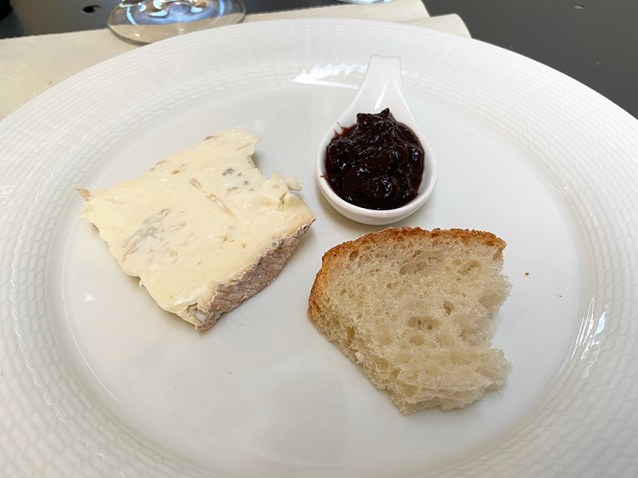
 Do Bianchi
