Above: “Down with the Sommelier!” an early Prohibition-era Times editorial where the author warns that the fabric of American life would unravel were Americans to import the concept of the Parisian sommelier.
The recent TexSom conversation about the meaning of the word and title of sommelier prompted me to take a look, à la William Safire, at the term’s origins.
The word comes to English via the French sommelier. But its etymology can be traced back to the ancient Latin sauma, denoting the burden of a beast of burden, in other words, a unit of weight.
In Medieval French (circa 1300 C.E.), sommelier denoted the overseer of beasts of burden. The term soon evolved to signify the person charged with transporting the belongings of the [royal] court. Royals traveled with their own wine in the Middle Ages. And that’s when the word sommelier conflated with the word butler, the keeper of bottles (cf. Old French botellier, French bouteiller).
An early documented usage in English dates back to the 16th century:
1543 To gyve commaundement that your sommelier at Bordeaulx might be suffred to departe with such wynes as he had provided for Your Majestie (State Papers Henry VIII, 1849, 9.325).
The meaning of the title remained virtually unchanged until the early 20th century when it began to be attributed to a restaurant worker tasked with cellar management and wine service.
See the 1921 Times piece referenced above.
By the end of the century, however, the term had begun to evolve.
I found this definition in a 1990s edition of Orange Coast Magazine (as in Orange County, California):
An individual with the knowledge of a wine maker [sic], the palate of a four-star chef, the insight of a diplomat, the authority of a general, the wit of a comedian and the patience of a saint.
Perhaps with the rise of sommelier competitions in both the U.S. and France, perhaps with the new wave of restaurants and wine culture in Reagan-era America, perhaps with the raised profile of sommelier guilds, the sommelier had come to denote a larger-than-life figure, as the quote above illustrates.
Fast forward to the current era when food and wine culture writer Mike Steinberger deftly defined the figure of the new sommelier:
To judge by all the reverence they are accorded, you’d think chefs were the most interesting people on the planet. In truth, they are sometimes not even the most interesting people in their own restaurants. Often, that distinction belongs to the sommelier. Not only are their life experiences frequently more varied than those of many chefs—wine cellars are crawling with academic overachievers and white-collar refugees—their motivations are also quite different. While high-end restaurant cooking in the United States is increasingly marked by the pursuit of celebrity and lucre, wine service is generally guided by another impulse: a desire to educate and enthuse. With their missionary zeal, America’s sommeliers have helped convert us from a nation of beer chuggers into a land of Riesling aficionados. Along the way, they have revolutionized their own profession, turning a dead-end, white-men-only métier into an exemplar of upward mobility and diversity (Slate.com 2008).
Such a great writer, right?
That leads us to the present day, some 15 years later.
One of the interesting things that emerged in the TexSom dialog was that the word is evolving still today.
As one of the panelists put it, a sommelier is someone who advocates for wines. In other words, to some it no longer denotes solely and exclusively a person who manages a cellar and serves wine in a restaurant. As the confabulation reveled, many in our industry define now themselves as sommeliers because of their advocacy for wines and wine education and not because they are employed at a restaurant.
As one attendee recounted, he worked for two decades as a restaurant sommelier but now he works as an educator and agent for a major distributor of fine wines. He still considers himself a sommelier even though he no longer works in a restaurant.
I used to get paid to play guitar. Now I just play guitar for enjoyment. Am I still a guitar player?
I have worked as a floor sommelier in New York, Los Angeles, and Houston. But currently, I make my living writing and talking about wine. Am I still a sommelier?
The term continues to evolve… À bas le sommelier? Mais non! Vive le sommelier! Thanks for reading.

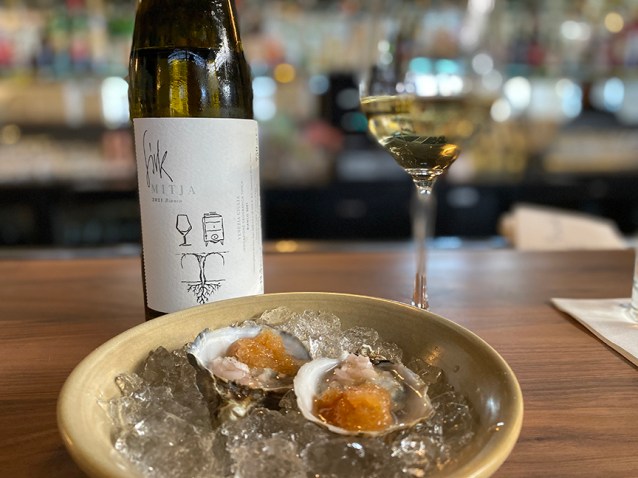 Writing on the fly, from the road today in northern California.
 I drank my friend Mitja Sirk’s bianco, a wine I have only seen in Italy. Super with raw oysters and the Parmigiano budino.
 One of the most compelling moments of this year’s TexSom (the popular annual gathering of wine professionals in Irving, Texas near Dallas) was when speaker Julie Dalton (below, third from left) broke into tears while describing her gratitude for what she has achieved in her career.
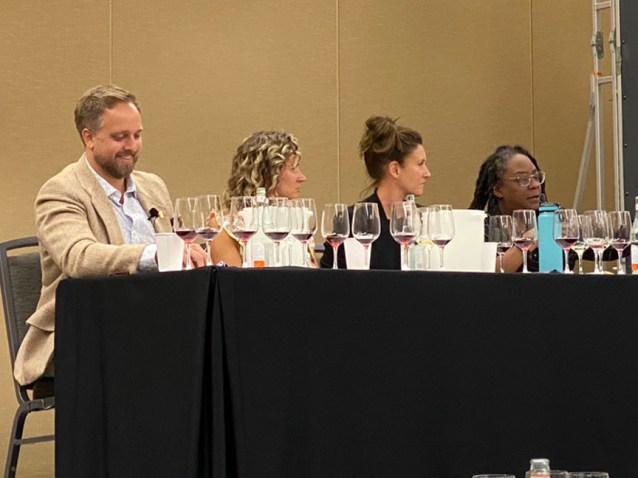 But the dialog veered swiftly into a lively debate over who can rightly call themselves a “sommelier” and what the title truly means.
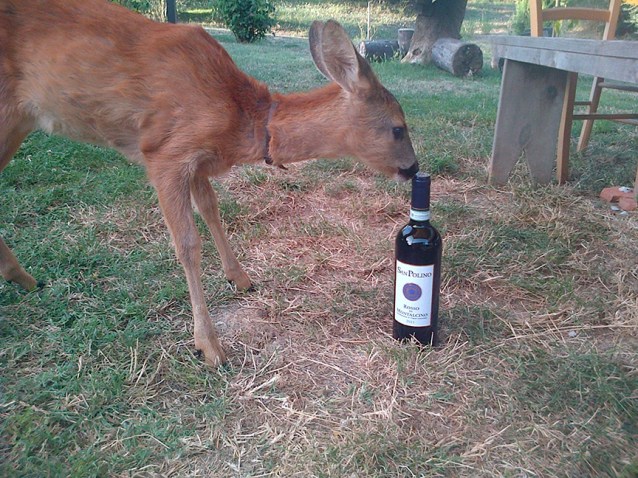 There’s a lot more to that deer in the photo than meets the eye.
 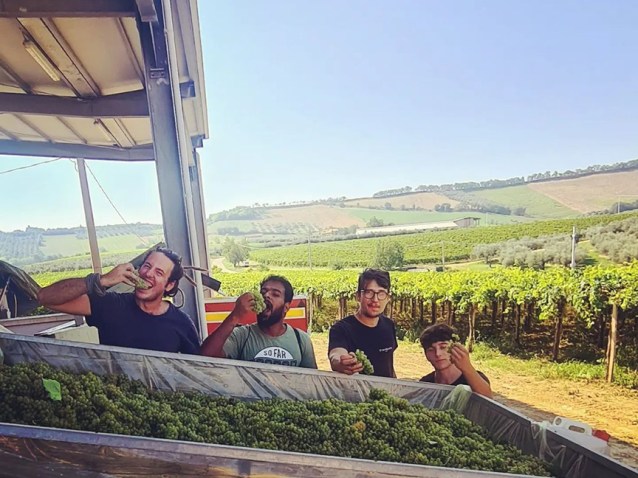 Above: my friend Guerino Pescara, vineyard manager for Ciavolich in Loreto Aprutino (Abruzzo), shared the above photo this week.
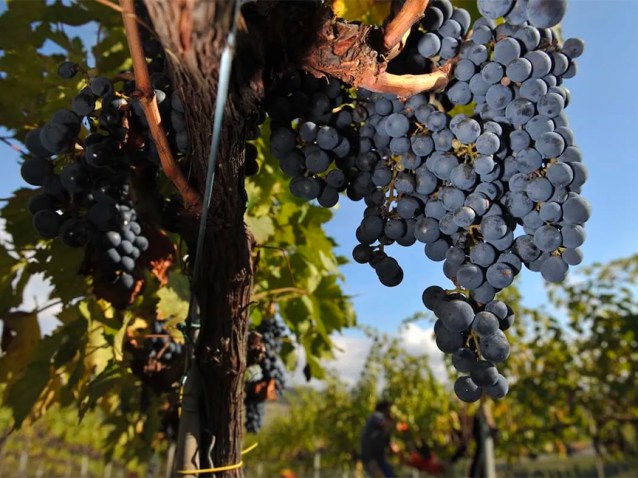 Tintilia for sparkling wine at Claudio Cipressi in Molise, photo by my fellow writer Matteo Borré.
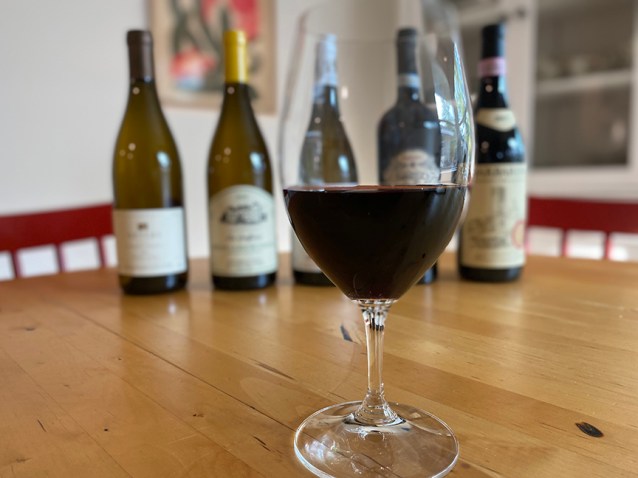 As fall plans and events come into focus, a number of my private tasting clients have been asking me how many glasses should we have at the tasting?
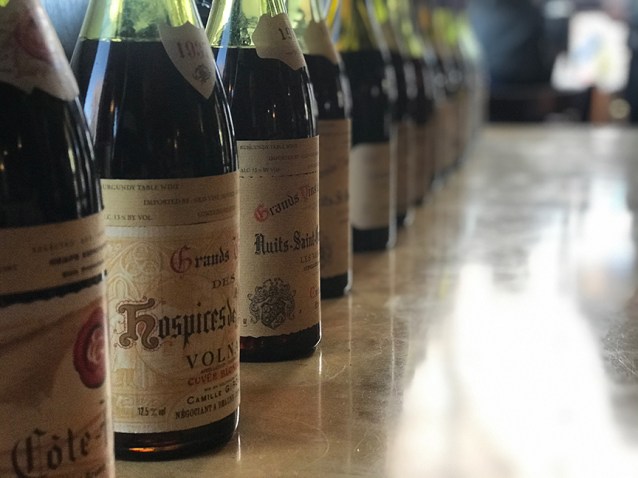 Wow, it’s going to be a busy fall.
  “How weird it is to have a sibling.” That’s what the writer said the other day. “There is this person that is the closest thing to you that you can get. But is not you. How heartbreaking that is. And how close and far away you can feel.”*
 The first I heard of it, it was February 2023,
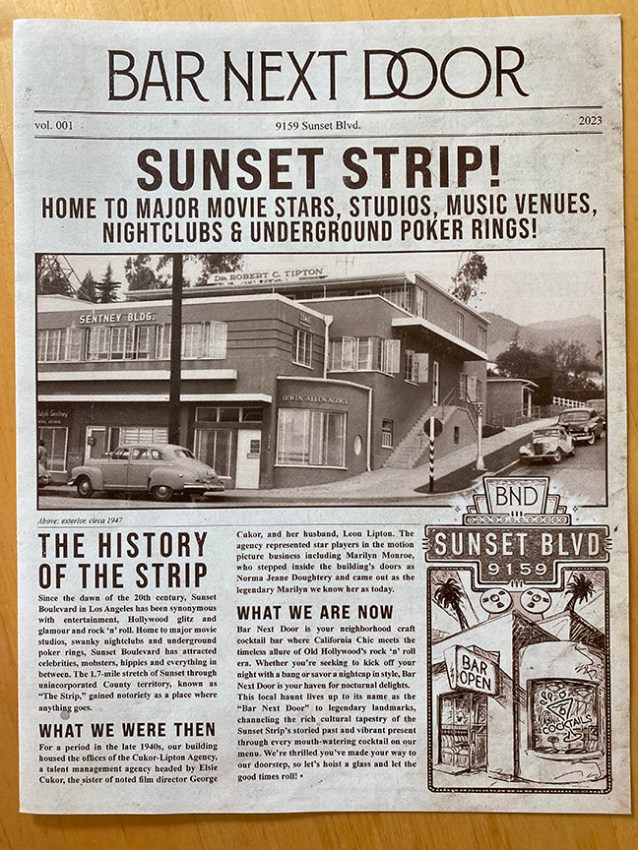
 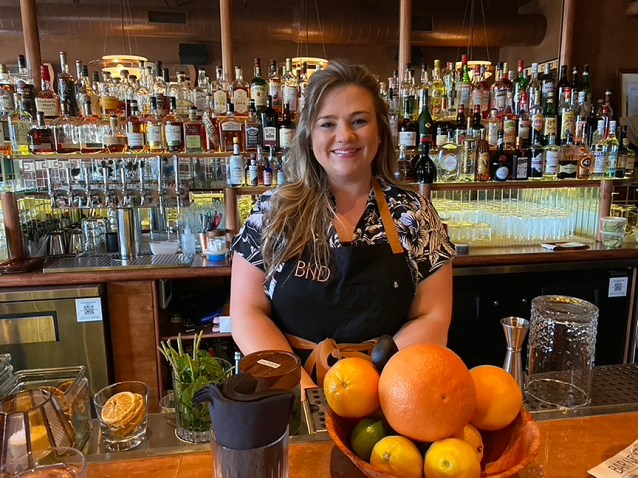 Man, what a trip it was to roll up to my friend’s new bar on the Sunset Strip in LA!