
 At a recent dinner at his excellent restaurant Frasca in Udine province (Friuli), Valter Scarbolo treated a group of American interior designers and publishers to a vertical tasting of his Pinot Grigio.
It was incredible to see the looks on their faces as they tasted through the wines (stretching back to the mid-00s): however sophisticated and worldly this group of high-end travelers, none had ever experienced Pinot Grigio beyond the commercially produced brands that line the shelves of America’s supermarkets (you know the usual suspects).
I was reminded of this marvelous scene yesterday when one of Houston’s leading wine professionals and italophile wine lovers posted the photo, above, of “Prosecco-flavored” soda yesterday on his Facebook.
Like Valter’s guests, my Houston-based colleague’s reaction was that of astonishment, although in this case, the surprise was inverted.
“Words fail me,” he wrote in the caption.
He couldn’t have had a more apt response (in my view). His words echo a classic Veneto dialectal expression: no go paroe (non ho parole in Italian), in other words, I have no words.
Apropos for the very reason that my Veneto fellows will surely utter the same when they learn of the existence of Prosecco-flavored soda. After all, Prosecco isn’t just a favorite wine of Venetians and the Veneti: it is a synecdoche for the Veneto people.
Like Pinot Grigio, Prosecco has transcended its origins to become an über-brand in the U.S. and the greater anglophone world. Transcendence might imply amelioration, depending on your point of view (not mine). But anyone who’s ever tasted traditional-style Prosecco will surely recognize the disconnect between the citrus, salty, and slightly bitter flavors of wines made from Glera (formerly known as Prosecco) grapes and the notion of sweet-tasting Prosecco soda.
They say that in antiquity amphoras were filled with marzipan before they were shipped from the Middle East to the West in order to protect the earthenware vessels from breaking. According to the legend, by the time they would arrive, the recipients would mistake the contents for the container. The sweet paste, they believed, was the conveyed and not the conveyer.
When wines and wine brands travel across that vast misunderstanding otherwise known as the Atlantic Ocean, their continuity with their origins is often diminished.
But “Prosecco-flavored Italian organic soda”?
As an adoptive Texan and a lover of our HEB and Central Market stores, it pains me to write that it’s gone too far.
I can’t imagine what it tastes like and I have no intention of ever drawing this beverage to my lips. But I seriously doubt that it tastes like Prosecco or anything even vaguely reminiscent of Glera that has been transformed into wine. And more importantly, why and how on earth did someone conceive of a soda that “tastes like” wine? I could write a dissertation on the wrong contained therein.
No, as much as I love the HEB where Tracie P and I shop nearly every day, this screaming lack of enogastronomic responsibility runs counter to a corporate ethos that purports, ostensibly, to nourish my community.
In fact, this colonization rape of Italian viticulture egregiously harms our community by propagating mis- and disinformation.
I, who stand atop a Prosecco grape harvest crate, cannot stand for this.
And so, I implore you, o readers of this blog: do not buy or consume Central Market’s Prosecco-flavored Italian organic soda.
(But if you’re reading this, you probably wouldn’t drink it anyway.)
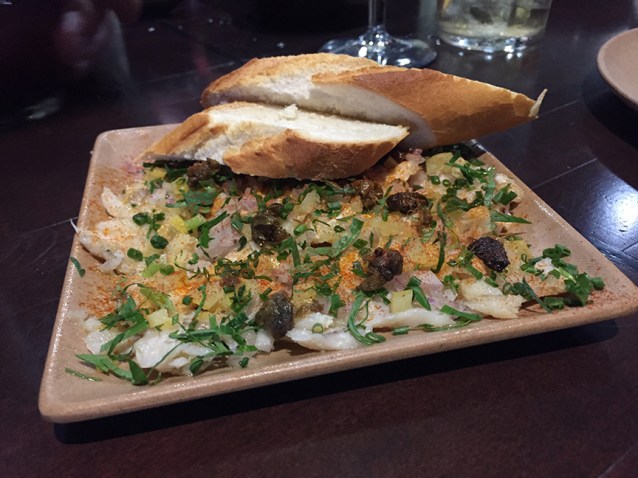 Every time Sotto brings me to Los Angeles to work on our wine list, general manager Christine Veys and I try to break away to check out one of the new restaurants on LA’s vibrant food scene.
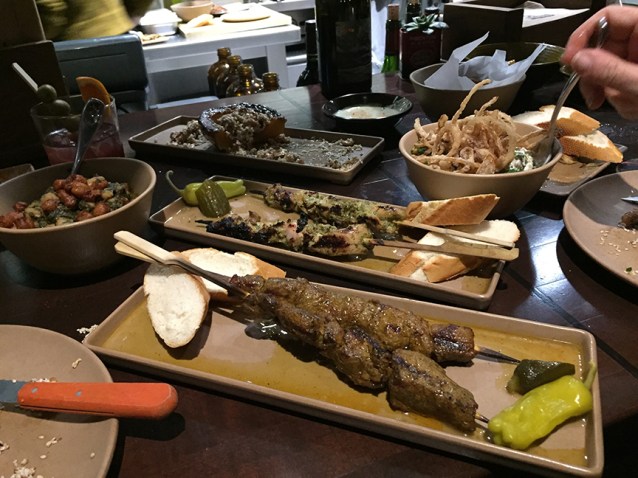 Everything was truly fantastic and it was great to see his energetic team working in the kitchen with such focused skill and decisive sense of mission.
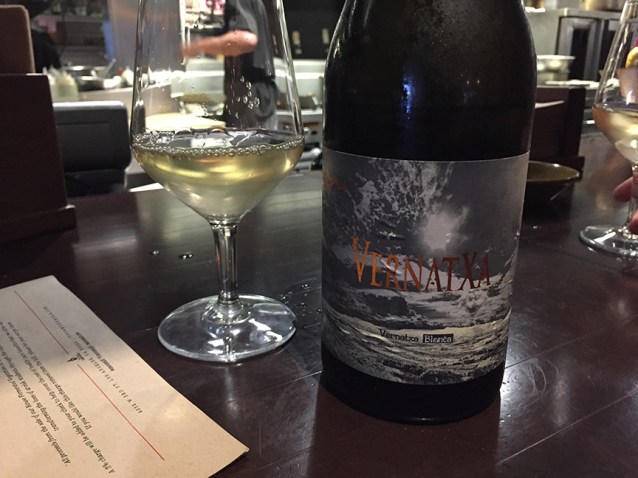 Even though Christine and I really dug into our meal with gusto at Moruno, my “day after” was bright and sunny, as it were.
 Posting from the plane on my way to Los Angeles where we will be launching my new wine list at Sotto this week. I’m happy/sad to report that
  What a joyous day for this proud daddy yesterday when Georgia P performed in her first big dance recital at the Stafford Centre theater in southwest Houston!
 Man, can you imagine the lump in my throat and the pounding in my chest as we waited patiently in the audience for her big stage debut!
 And Lila Jane, you had so much fun cheering your sister on!
  “If this world’s all for the winners, what’s for the losers?”
 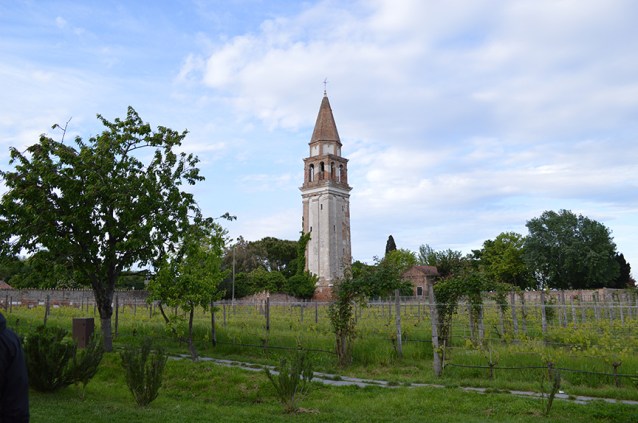 Honestly, despite everything I’ve read about
  Today, the Bisol family uses the same drainage system that has been in place in the vineyards for generations.
 At dinner that night at the Michelin-starred Venissa restaurant, our group of roughly 30 persons had the opportunity to taste the wine.
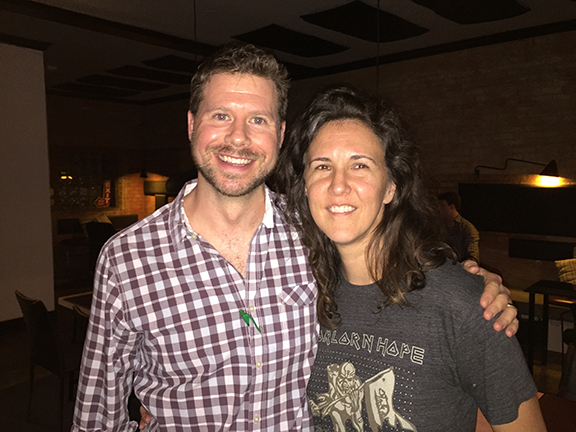 That’s David Keck, left, owner and wine director at Camerata and Houston’s newest Master Sommelier, with Elaine Brown, wine writer and blogger, who visited us earlier this year.
 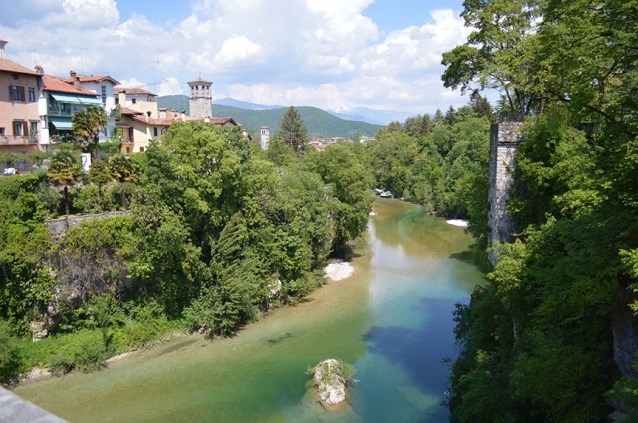 Above: “chiare, fresche, e dolci acque” (“clear, cool, and fresh waters”). Does anyone remember the famous song by my beloved Petrarch? For those who don’t, it’s canzone 126. The view of the Natisone River, above, from the Ponte del Diavolo in Cividale del Friuli, reminded me of the poem when I visited a few weeks ago.
 In Venetian, they call it a bacaro (pronounced BAH-kah-roh, with the tonic syllable in the first position).
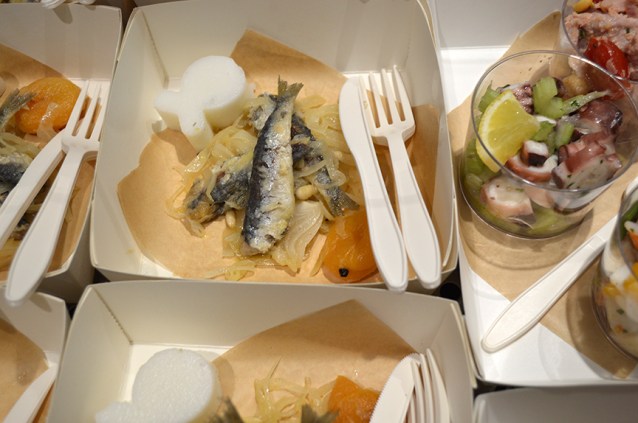 I was so enthralled with the food the night we visited that I forgot to take pictures of the space itself.
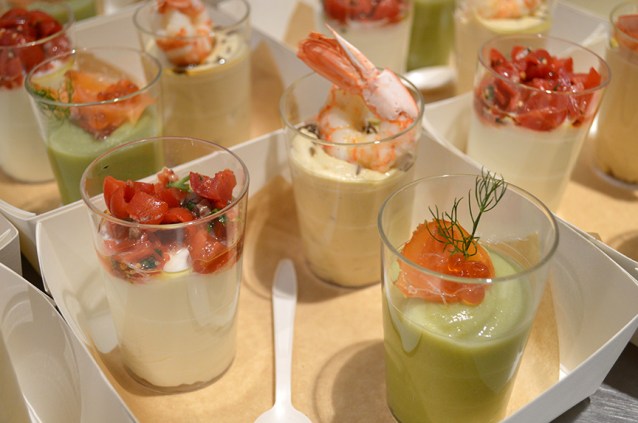 The fact that it’s set on the edge of the picturesque Venetian fish market only sweetens the salty deal.
 Do Bianchi