
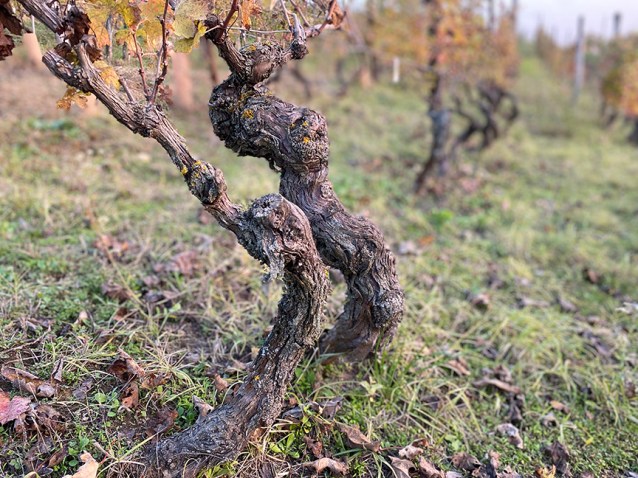
 Above: 90+-year-old Barbera vines in a vineyard owned by my client Amistà in the Nizza DOCG; photographed yesterday.
It’s a question and a topos that comes up often in winespeak: what are old vines and why are they important in winemaking?
While there doesn’t seem to be a broadly-embraced consensus on what constitutes “old vines,” most industry observers seem to agree that vines that are 50 years in age or older can definitely be referred to as “old vines.”
Nearly all winemakers and wine trade members concur that old vines make for higher quality wines. Old vines, the conventional wisdom goes, have less “vigor” than younger plants. As a result, they tend to focus their energy on a fewer number of clusters. Those bunches will have richer flavors and aromas, even though their yield — the volume of fruit they produce — will generally be smaller than for younger plants.
Many top producers reserve fruit from their oldest plants for their best wines.
Extremely old vines, like the ones in the image above, are also prized by winemakers because they can often be “ungrafted,” what Europeans sometimes call piè franco, meaning literally free standing.
Toward the end of the 19th century and in the early years of the 20th, many European vineyards were affected by phylloxera, a nearly microscopic insect that feeds on the roots and leaves of the plants. The only known cure for phylloxera is to graft the plants with rootstock from phylloxera-resistant plants. The know-how and phylloxera-resistant rootstock that was used to save the European wine industry came from the U.S.
In the case of the vines in the image, they were planted in the third decade of the last century and for reasons unknown were naturally resistant to phylloxera. They never needed to be grafted with American rootstock.
Ungrafted, piè franco vines are highly prized because they represent a continuity with the pre-phylloxera era.
In my experience, wines made from old vines like the Nizza produced by Amistà, can be highly more compelling than their younger-vine siblings.
Can you really taste the difference in wines that come from piè franco plants? I don’t believe that you can. But the romance of drinking a wine from a vine that was planted before my grandparents were born does have a certain appeal.
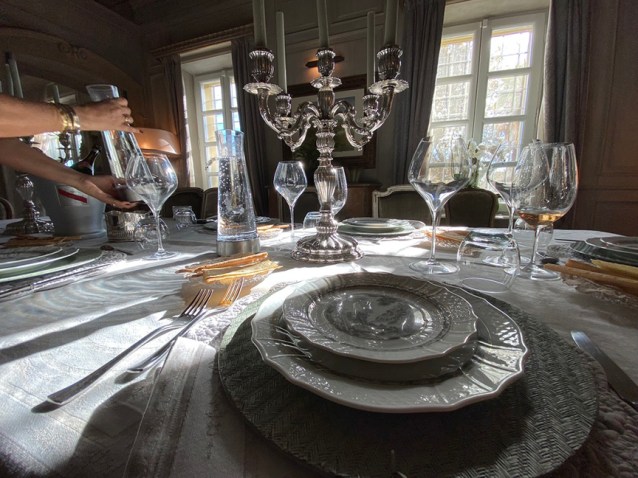 People often remark that my work must be so glamorous and fun. While there are some wonderful perks to being a wine educator and communicator, the schlepping is not exactly what most would call a “good” time.
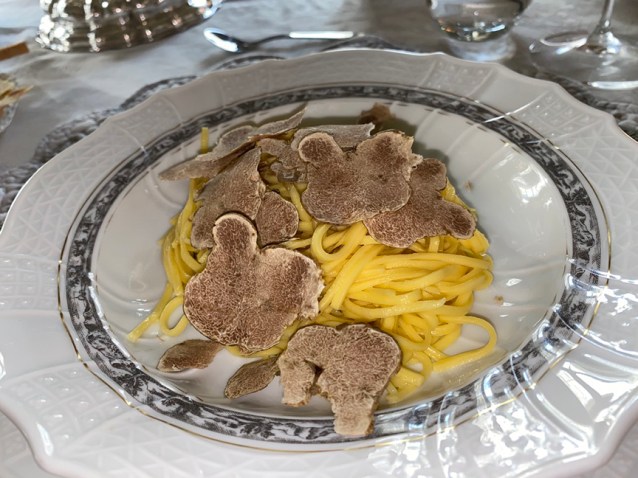 Yesterday, there was an invitation to join the Marsiaj family for their Sunday repast in Turin (Michele Marsiaj, owner of the Amistà winery in Nizza Monferrato, is a client and he and his wife Francesca have also become dear friends of ours).
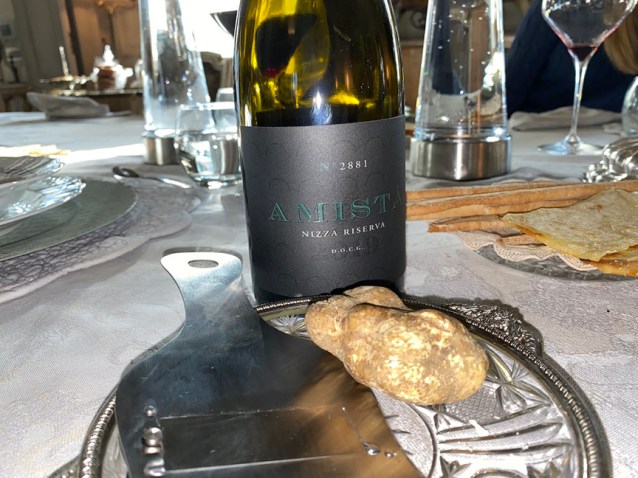 And of course, no proper Sunday lunch in Italy is complete without a glass of wine… or two.
 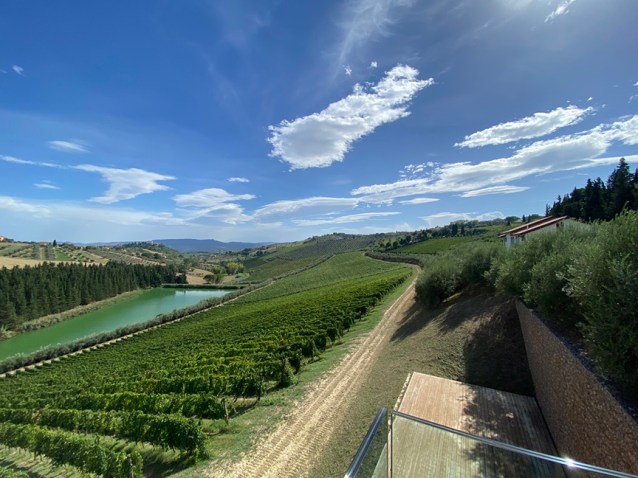 Above: the Nicodemi farm in Colline Teramane. Last year when I visited Abruzzo right before harvest, growers were dealing with a prolonged, nearly nine-month drought. This year when I visited following harvest,
  It may just be one of those dumb internet factoids. But according to one internet search, the only major city farther away from Houston than Hong Kong is Perth, Australia.
  Late night street food.
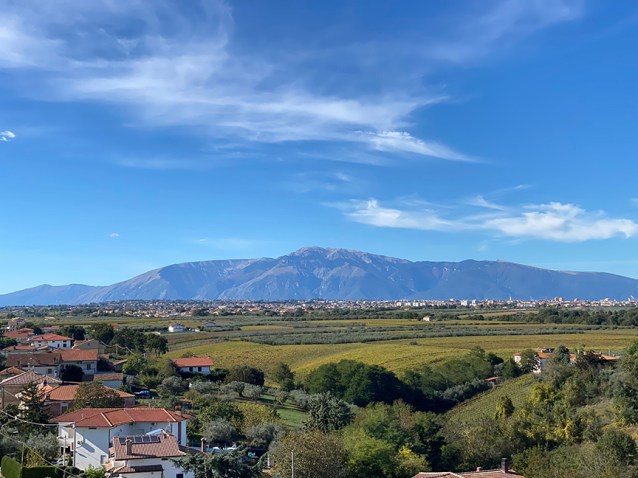 Above: the view of the Maiella massif from the Frentana cooperative in Chieti province on Thursday of last week.
 Tracie and I will be leaving tomorrow for the
  I spent Sunday morning watching “Pourquoi Israël,” Claude Lanzmann’s 1972 achingly beautiful documentary about migration to the country during the hope-filled years that followed the
  A friend offered to give me a gun last night.
  For years, San Diego and Long Beach wine friends have been raving to me about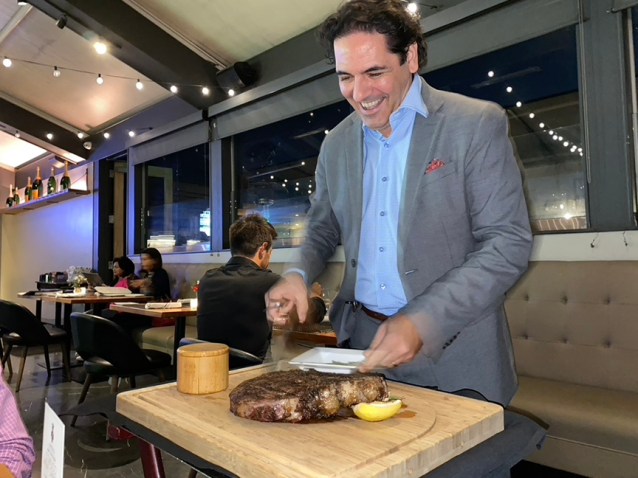
 On Monday, October 30, I’ll be leading
  Do Bianchi