Happy Pesach, happy Easter! The holidays’ allegories of displacement and suffering seem very real this season…

Happy sixth day of Peseach/Passover (yes, it’s ongoing) and happy Easter this Sunday!

One of the things that strikes me about this year’s Passover-Easter season is that the holidays’ allegories of displacement and suffering seem very real this year.

A month ago, I met Kevin, a young man in his 20s. He lives in Houston with his blind mother and has a work visa that allows them — legally — to stay in the U.S.

A few days before I met him, he had been arrested in an immigration raid. Despite his 100 percent legal status, he was put behind bars and was slated for deportation.

Immigration courts don’t work like civil and criminal courts, I learned. For Kevin to be released and (rightly) fight his deportation, he had to pay bail. In the case of immigration courts, the entire amount — not a percentage — needs to be paid upfront.

An immigrant aid group was able to raise the money within the 48-hour time limit. Had they not, he would have been swept up into the byzantine U.S. immigration system and ultimately sent back to his home country. Thank G-d he is still here today to provide for his mother’s care.

On the occasion when I met him and his mother (at an organizing meeting), all the volunteers and immigrants present were asked to share what their “super power” would be if they had one. When it came to his mother, she said: I wish I could help all people who need it.

People — yes, people, human beings! — in our country are living the same nightmare of our ancestors in ancient Egypt. What were the Hebrews of that time if not migrant workers?

And how not to view Kevin as a Christ-like figure? He was so innocent, his intentions so pure: he just wants to provide a good life for his mother and himself. Christ had three days to rise from the dead. Kevin had just 48 hours to raise literally life-saving money.

This Passover and Easter season, we are forgetting politics and remembering that we are all human — all too human.

Happy Passover, happy Easter. G-d bless America. G-d bless Kevin and his family. G-d bless us all.
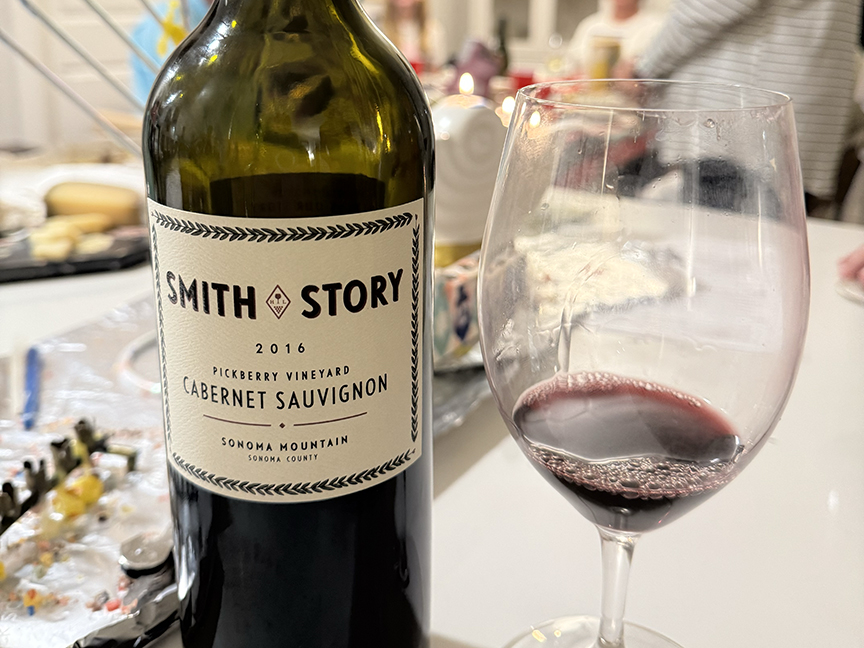
Smith-Story Cabernet Sauvignon was delicious, a perfect fit for our family.

Every since I poured my Houston cousin Neil a bottle of Smith-Madrone Cabernet Sauvignon, a wine he swooned over, it’s become a bit of a shared family quest: to find Neil Cabernet Sauvignon with freshness (acidity), a combination of fruit and savory flavors, and judicious use of oak aging.

Over the years he’s moved away from the oaky-jammy paradigm that managerial class members like him used to drink regularly. Maybe because he’s been enjoying Italian wines with us over the last decade, food-friendliness and freshness have become the two criteria that seem to drive his preferences.

While shopping for our family’s holiday wines last year, I came across the Smith-Story Sonoma Mountain Cabernet Sauvignon at our go-to wine shop, Houston Wine Merchant.

I first met Alison Smith back during her Texas career when she was a supplier rep for a high-profile Italian winery group. I’ve never met her husband Eric Story but I have enjoyed following their winery’s social media — especially their cynophilia.

Although the wine wasn’t a cheap date, it didn’t break the bank either. And it hit that sweet spot between inexpensive fruit-forward, oakier California Cabernet Sauvignon, and the really high end stuff (like Smith-Madrone), which I love but cannot regularly afford.

This wine had freshness, balanced fruit and acidity, judicious alcohol, and no oakiness.

Neil loved it, too, and it was gone in a flash after being served at our Hanukkah party. I highly recommend the wine and the people who make it.

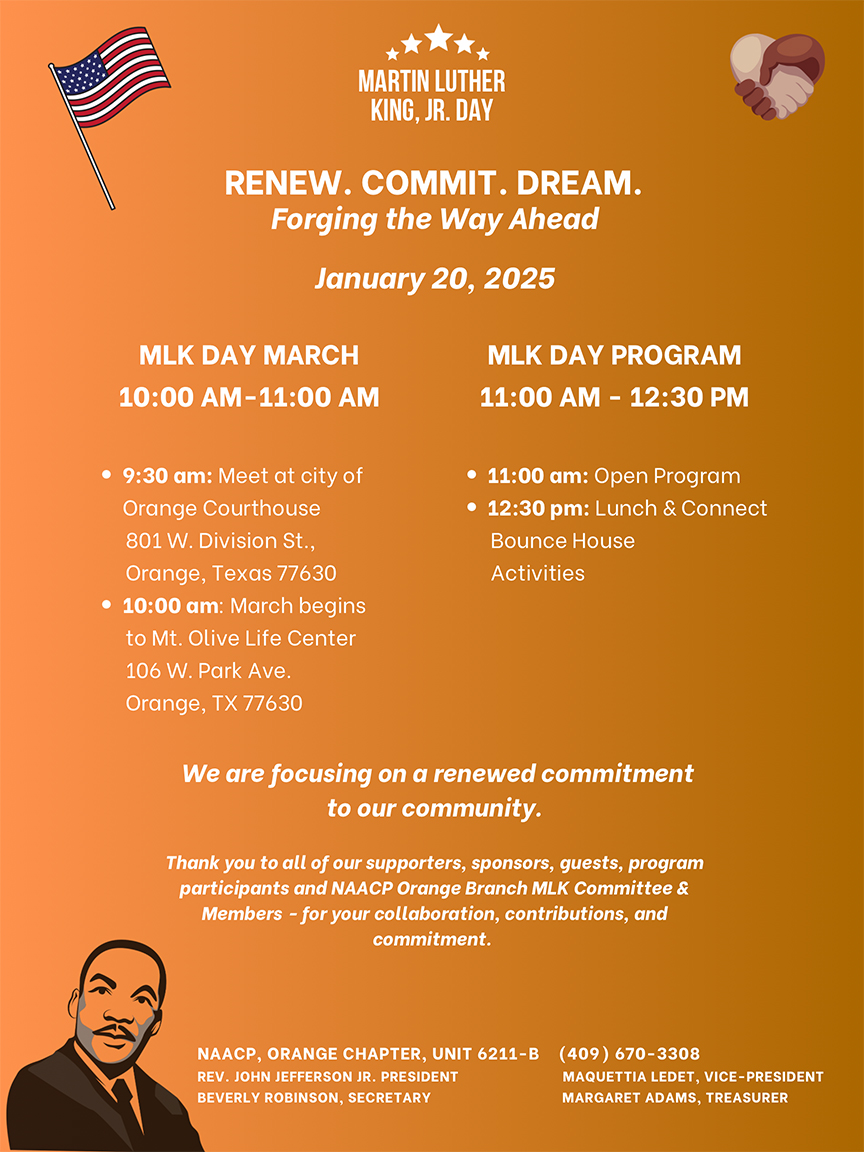
Please don’t stop praying for our sisters and brothers in LA. And please join us for the MLK Day March in Orange, Texas on Monday, followed by our protest of the Neo-Confederate memorial there.

Rock with me, march with me, pray for LA.

Our family is still reeling as we watch the awful images from LA.

So many of my friends have been displaced but luckily everyone, at least in my personal LA orbit, seems to be okay. Thank G-d.

It’s terrifying to read some of their accounts of escaping the flames.

We are praying for the city and its communities. We know our LA friends and colleagues are going to need a lot of help in recovering. Right now, many are just looking for a place to sleep tonight. It’s terrible.

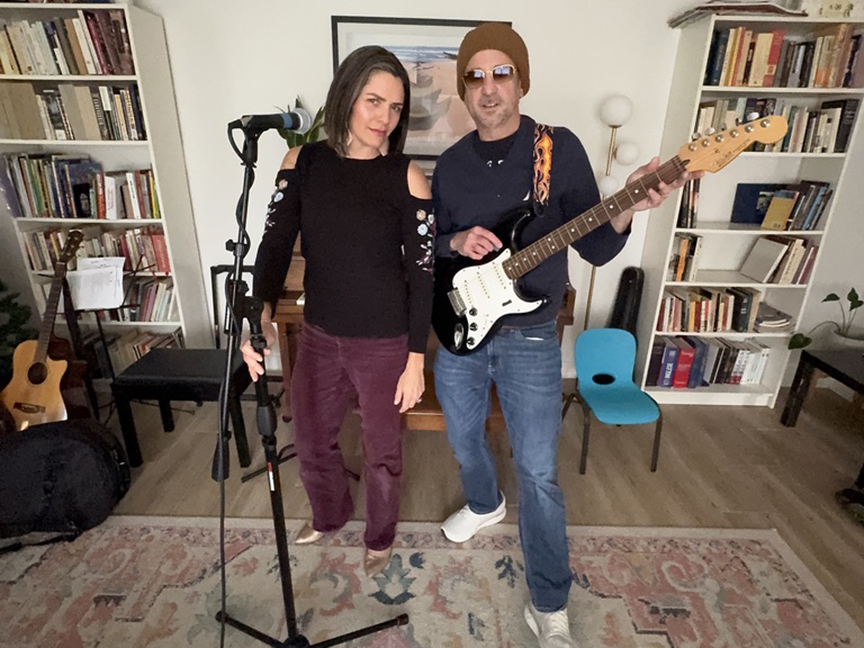
For folks in Houston, I did want to let you know that my 80s cover band, Biodynamic Band, featuring Katie White on vocals and melodica, will be playing this Sunday, January 12, at Vinsanto on the westside. We’ll be playing three sets starting at 4 p.m.

And just around the corner… Tracie, the girls, and I will be marching in the historic Orange, Texas, MLK March on Monday, January 20. See flier below.

For those who have never participated, I believe you’ll find it to be an extremely compelling experience.

After the march, Tracie and I will be heading over the neo-Confederate memorial on I-10 for our yearly protest. Thanks again to everyone who contributed to our GoFundMe campaign to raise an MLK billboard across the from the monument. It will remain active throughout January and February (Black History Month).

I recognize that protesting symbols of white supremacy isn’t for everyone. But the march is something that nearly everyone in the community — except for the white supremacists — participates in.

We hope to see you then (Orange is an hour and a half drive from Houston btw).

Thanks for the support and solidarity. Please pray for LA. G-d bless the City of Angels. G-d bless us all.

Orange TX is not to blame for the Neo-Confederate monument there. A puny group of aging cosplay cowardly Neo-Confederates is.

Thank you to everyone who has donated to our GoFundMe to raise an MLK billboard over the Neo-Confederate monument in Orange, Texas where Tracie grew up, where her family still lives, and where our family has deep roots.

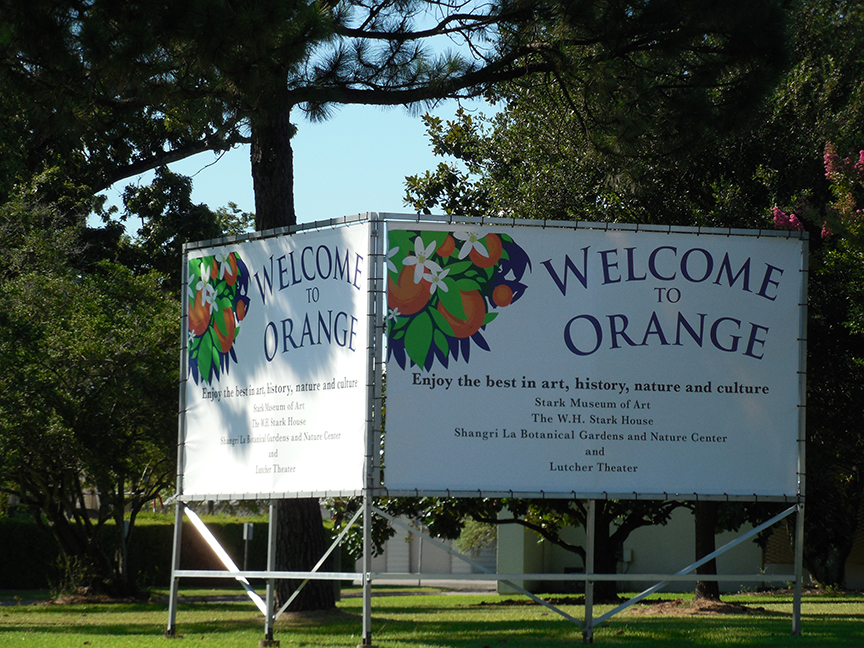
The city of Orange in southeast Texas — located on the Louisiana border along I-10, the first stop in Texas heading west, the last heading east — is not to blame for the Neo-Confederate monument there. A puny group of aging cosplay cowardly Neo-Confederates is.

They are called the Sons of Confederate Veterans and they are notorious for similar campaigns across the country, mostly in the south, most often featuring the “Confederate flag.”

Don’t believe their lies when they tell you they are a benign group supporting the preservation of their “heritage.” In fact, they are an ideologically driven cult that deals in insidious racism, anti-Semitism, and conspiracy theories.

Just browse some of the titles published by the Sons’ Deputy Chief Heritage Promotions James Ronald Kennedy and you’ll see what I’m talking about.

The local yellow-bellied members behind the monument — Granvel Block and Hank Van Slyke — have made it clear to all involved that their conspicuous display of Neo-Confederate pageantry is intended to offend the city’s black community.

After all, they erected their puerile prank on MLK Dr., a main artery of the city.

The city of Orange fought tooth-and-nail to block the monument’s construction. They stymied the Sons by limiting the potential height of their flagpoles (so they are not entirely visible from the Interstate). A group of leading pastors pleaded with Block not to move forward with the site. The city attorney publicly condemned the site, calling it “repugnant.”

You can find an aggregate of mainstream media about the site and its origins at RepurposeMemorial.com. You’ll find detailed reports of the city’s efforts to block Block, the bird-brained architect behind the cheap-looking Greco-Roman atrium he built there. He’s been known as a prankster his whole life.

Nearly half the residents of Orange are black. The overwhelming number of people — black and white — who have reached out to us supporting our campaign have left me confident that we are doing the right thing. Nobody but Block and Van Slyke and their sad bunch of cosplayers want this aberration.

Image via Jimmy Emerson’s Flickr (Creative Commons).

Happy Ferragosto! See you week after next.

Happy Ferragosto, everyone!

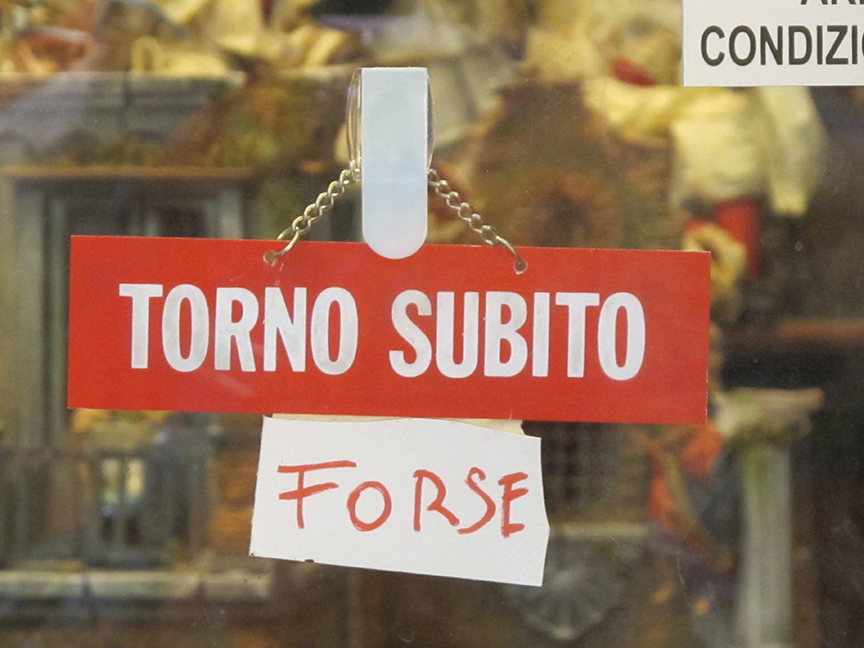
Above: “Torno subito (forse),” a shop sign I snapped many years ago in Italy, “I’ll be right back (maybe).”

What is Ferragosto and what does it mean for Italians? Here’s something I wrote a few years ago for the Italy-America Chamber of Commerce Texas.

Enjoy the time off and see you week after next!

*****

In case you’re wondering why you are already getting so many auto-replys and vacation responses to your emails to colleagues and friends in Italy, it’s because in August the Italians celebrate Ferragosto (officially August 15), the Italian nationwide vacation.

It’s actually an ancient tradition that can trace its roots to the days of Emperor Augustus (63 BCE-19 CE) who proclaimed it an annual celebration and day of rest following the traditional harvest.

During the Fascist era, the Italian government offered citizens incentives to travel for Ferragosto by offering discounted train fair. It was during this period that the holiday became such an important date on the calendar for the Italian people. By the 1960s, Ferragosto had become a highly popular holiday and cultural phenomenon.

Today, an overwhelming number of Italians take their vacation the week of Ferragosto.

Many small businesses close and many large companies give their employees vacation time on or around Ferragosto. Basically, the whole country — except for people who work in essential jobs and sectors — takes a vacation and heads to the beach or the mountains (the best place to be during Italy’s hottest month).

Ferragosto can be frustrating for Americans who do business with Italy because in the U.S., the week of Ferragosto and the last two weeks of August in general are normal workweeks.

But for Italians, the holiday and its observance are such an important part of their yearly rhythms and culture that everyone knows to expect delays in getting work done during August.

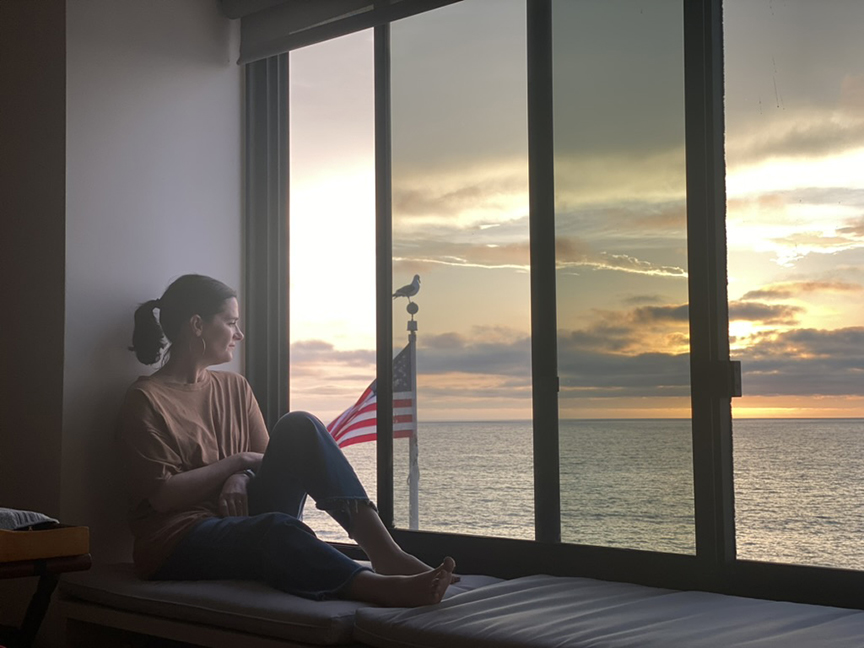
La Jolla won’t annoy ya. A week in So Cal to relax and recharge.

Does anyone remember Mel Tormé’s 1957 masterpiece operetta “California Suite”?

One of the early songs in the cycle is “La Jolla” and it begins with the line, La Jolla won’t annoy ya.

I feel so lucky to have grown up here. It was different when I was a kid: a sleepy beach town with lots of mom-and-pop storefronts and homey restaurants and dive bars. Today, downtown looks a lot like main street America (Starbucks, GAP, Victoria’s Secret etc.).

But the nature here is unbeatable: some of the best beaches and views in the state. And the food is great, too, with wonderfully fresh seafood and some of my favorite Mexican.

My adolescence was focused on getting away from this place to forge my own path. I wanted to live in LA and NYC and Europe and I did all those things. I’m glad I did.

Today, it’s wonderful to come back and share my La Jolla with Tracie and the girls. We have our family and so many great friends here and even the girls have made California friends.

On Wednesday, Tracie and I were in LA where I led a sold-out wine dinner at Rossoblu, one of my old haunts where I helped launched the wine program. We had a blast and it was great to see so many colleagues and old friends. We even got a little alone time in because the girls did an overnight at friends’ in La Jolla. We spent yesterday touring the city and eating fantastic Thai food.

Man, 57 isn’t so bad, after all.

Next week, I’ll get back to sharing my tales from the road in Italy. But not before I eat a yellow fin and a carne asada burrito. One more swim in the Pacific will do this soul some good.

Thanks for being here. Enjoy the rest of the summer and see you soon!

How the name of my blog, Do Bianchi, came to me one night long ago in a Venetian tavern.

Thanks to everyone who sent notes of solidarity after last Friday’s post. I felt it was important to share those experiences and I hope more people will stand up and speak out when they hear talk like that. We owe it to the generations that come after us.

Many, many moons ago… The second year I spent at the University of Padua, I supported myself by teaching English and playing music.

One of my standing gigs was a monthly 3-set date at a little restaurant and bar in Venice. It was on the Campo Santa Margherita to be exact: the Isola Misteriosa, the Mysterious Island, a venue and a host of classic Venetian characters now long lost to memory.

More than three decades have passed since I would lug my jumbo guitar from the Santa Lucia station to the campo. We often shared the bill with members of the then mega popular Venetian dialect reggae group Pitura Freska (no shit). Their breakout record was released that same year, 1990 (I was in Veneto for the academic year of 89-90).

In later years, I would make the trek to Venice from wherever I was living in Italy to meet with my mentor, Professor Vittore Branca, one of the great philologists of the 20th century and the world’s foremost expert on Boccaccio at the time.

In my final years working on my doctoral thesis, a weekly trip to the Marciana library, an archive founded by Francis Petrarch and later frequented by humanist Pietro Bembo — both subjects of my dissertation.

In a small reading room just off of St. Mark’s square, incunabula — early printed books — editions of Petrarch’s song book, edited by Bembo, awaited me.

Year’s later, when I was working in commercial publishing in NYC, I needed a pseudonym for one of my columns.

I thereby became “Do Bianchi,” pen name for “Edoardo ‘Do’ Bianchi.” A moniker that evokes a saying you hear often in the city on the lagoon: give me do bianchi please! Two glasses of white wine (do bianchi in Venetian dialect, due bianchi in Italian).

That’s how my blog got its name and that’s me and Tracie enjoying do bianchi in Venice earlier this month!

Anti-Semitism in Europe. Thoughts on recent experiences in the wine trade and beyond.

Above: a synagogue in Venice where the first Jewish ghetto was created. The word ghetto comes from Venetian dialect. Image via Wikipedia.

I’ve been on the fence over whether or not I should share these experiences here. But an article in the Times yesterday, “French Election Becomes ‘Nightmare’ for Nation’s Jews,” made me feel compelled to relate some unsettling encounters with people in the wine trade. The story is centered around a violent anti-Semitic attack on a 12-year-old girl. Our oldest daughter is 12.

I’ve encountered a lot of anti-Semitism in the wine trade over my decades-long career.

A Dutch importer’s abrasive comments, left unanswered because I didn’t want to jeopardize a friend’s business relationship.

The uncle of a client who indulged in worn stereotypes, again unrequited because I feared losing the client. In wine circles, I’ve heard the expression, ebreo del cazzo (f*&%ing Jew), more than once and more than once directed at me.

But generally, I’ve always felt safe in Italy. Thanks to the Italians’ often intellectual curiosity about and reverence for Jews (a trope that stretches back to Dante and Boccaccio), I’ve even felt more welcomed in Italy than I did in certain circles here at home.

This year, everything is different.

At Vinitaly in April, a now ex-friend — not a good friend but someone with whom I used to trade messages on social media — told me that the reason Biden is supporting Netanyahu’s war because he needs the backing of “Jewish bankers.”

“I’m a Jew,” I told him directly. “Please do not make anti-Semitic comments — ever.”

I walked away. Needless to say, we won’t be trading messages on Instagram anymore.

But it was on this last trip that an anti-Semitic episode left me reeling and wanting to strike back.

After a large trade tasting I attended, when beer and smoke were being shared in camaraderie, a passing comment about Jews inspired a young wine professional to declare: “If I ever encounter a Jew in this town, I’m going to kill him. I’m going to kill him! I’ll kill him!” he insisted.

Again, as in many instances, I felt obliged to remain silent to protect my friends’ professional relationships. My instinct was to fight back — with words not fists. But I was quiet.

I’m not going to be quiet anymore — ever again, regardless of the professional consequences.

I hope you’ll join me in speaking out.

Thanks for being here and thanks for your solidarity.

Happy Juneteenth! Browse the Portal to Texas History to see how the holiday has been celebrated over generations in Texas.

Happy Juneteenth, everyone!

The main street of Houston’s historic Third Ward is known today as Emancipation Avenue. The name is inspired by the Emancipation Proclamation. But it is also owed to the fact that some of the earliest organized celebrations of Juneteenth were held in the Third Ward’s Emancipation Park, a public space created there by local business leaders in the late 19th century. It was intended to give residents a place to honor the date and occasion.

Extreme weather will be keeping most Houston residents indoors today. But our family will be celebrating the national holiday today by reading about its origins and how it was celebrated over the years since its inception.

Juneteenth became a national holiday in 2021 after members of congress from Houston lobbied for its recognition.

This morning, as we browsed the Portal to Texas History, we came across a number of TV news reporting on local gatherings, including one from Fort Worth dated 1989 (we noticed that the balloons in the video read “1987”; it’s possible that the archive date is incorrect). Use the link below to view.

KXAS-TV (Television station : Fort Worth, Tex.). [News Clip: Juneteenth], video, June 19, 1989, 5:00 p.m.; Fort Worth, Texas. (https://texashistory.unt.edu/ark:/67531/metadc903774/m1/?q=juneteenth: accessed June 19, 2024), University of North Texas Libraries, The Portal to Texas History, https://texashistory.unt.edu; crediting UNT Libraries Special Collections.

Until recently, most Americans had no idea that such a celebration was regularly observed by communities across our nation.

Our family was thrilled when President Biden made it a national holiday (we are fortunate enough to live in the city represented in congress by the two congresspeople who proposed the legislation, including our district’s congressperson at the time).

Happy Juneteenth! Check out the Portal to Texas History here. And just enter the search term “Juneteenth.” I bet you’ll enjoy discovering how the holiday was celebrated in the state long before it became a national holiday.

Happy anniversary Tracie! I love you!

It still seems like it were just yesterday that we were emailing — you in Austin, me in Southern California — sharing our lives, interests, goals, and dreams with each other.

But 16 years have passed since our e-mance evolved into a relationship, a marriage, and a family.

Today, we have been married for 14 years.

I’ll never forget how during the ceremony, your father, who married us, said the blessing over the wine (an element of my heritage that he graciously incorporated into the service).

“Because,” he told our guests, “when Tracie and Jeremy get together, you know there’s going to be a wine tasting!”

Ever since January 31, 2010, not a day has gone by that I don’t remember how you have given me the greatest and richest years of my life.

I love you. Happy anniversary!

Fast forward to a time, a couple years from now
And then rewind to find the reason
In the where and what and how
The woman brought the very best out of you
When she said I do