
The Jewish Talmud is a 2,711-page commentary on rabbinic law. It was compiled by Jewish scholars in the 6th century C.E.
It includes a terrifying warning about the coming of the Messiah: “In the generation of the coming of the Son of David, disciples of the sages will be few in number, and as for the others, they will see sorrow and grief. Many troubles and evil laws will be made, each new evil quickly coming before the other has ended.”
A description of harrowing events follows. “There will be a great famine,” say the sages, “and men, women, children, the pious, and men of action will die, and the Torah [the Five Books of Moses] is forgotten by those who study it.”
That’s not the half of it, by the way.
Here’s the scariest part: “And the truth will be lacking… truth will become like so many flocks and walk away.”
In the ensuing discussion, one Rabbi reveals his trepidation. I eagerly await the Messiah, he says, but I don’t want to be around when the Messiah gets here (I’m paraphrasing).
It’s one of the great conundrums in the Judeo-Christian vision of the world: the arrival of the Messiah is a good thing (depending on your world view) but it will also bring about massive destruction and despair. Jews may want the Messiah to come (for the first time), and Christians may want the Messiah to come again, but the lead-up ain’t gonna be pretty.
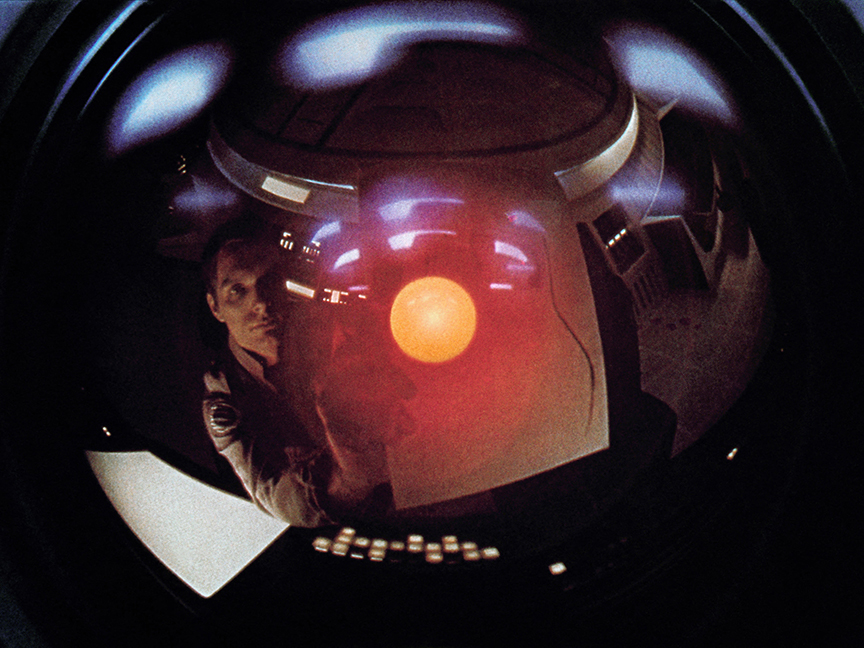
It’s hard not to see the parallels between these Talmudic admonitions and the recent alarm about artificial intelligence.
Seemingly, we all want AI to come but we’re afraid of what’s taking shape in the meantime. Even more disconcerting is how the people who are making AI often talk about it in Messianic terms. They claim that it’s going to bring about a utopia where there will be abundance for all. Its superhuman capabilities will unleash our creativity in powerful and previously unimagined ways. Yet the people who are making it are also scared shitless about what could and is already going wrong.
It’s abundantly clear that the Trump administration’s chief concern is that the Chinese don’t “win” the AI “race.” The president’s laissez-faire attitude, greased up by the AI builders’ financial and moral support, reflects his zero-sum approach. If people get hurt along the way, so be it, at least in Trump’s view. (Plus, he’s more concerned right now with the renaming of the Kennedy Center than the annihilation of its theater-going public.)
As for the AI builders themselves, they’ve already written humanity off. Peter Thiel infamously hesitated when then Times journalist Ross Douthat asked him: “You would prefer the human race to endure, right?” Elon Musk wouldn’t be planning a vacation spot on Mars if he weren’t already convinced that climate change is inevitable. Hell, let’s build more data centers and speed the process up through focused environmental degradation and misspent but otherwise much-needed resources!
The only good news to emerge in recent weeks is that Republicans and Democrats have soured on data centers. It seems to be the one issue that unites both parties. And the bottom line is that politicians are taking note because the overwhelming majority of Americans oppose data centers (at least in their neighborhoods). Could this be the issue to bring the Left and Right together? It’s incredible to hear competing TV ads where Bernie Sanders and Greg Abbott are both warning us about the ills of AI.
Whether you trend left or right, now is the time to support politicians who will hold the tech oligarchs accountable.
Of course, if AI decides it no longer has any use for us, it won’t matter if we’re Republican or Democrat. To summon an ancient Jewish legend, the Golem may have seemed like an answer to the Jews’ problems. But once it was unleashed, it proved impossible to contain.
Thanks for reading my post today for Southeast Texas Impact Initiative, a grassroots group advocating for progressive issues in one of the most conservative corners of our country. Please consider becoming a paid subscriber.

