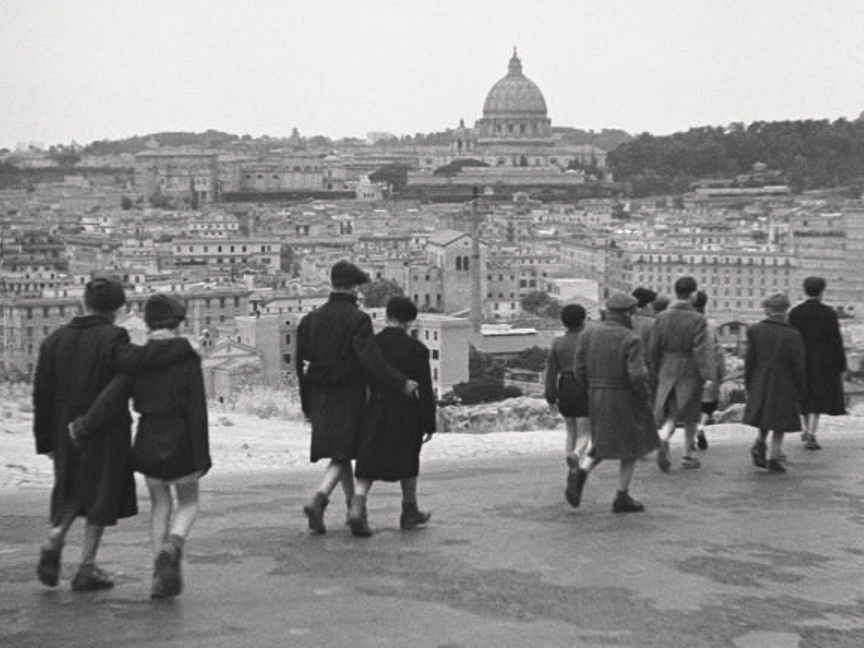
 As a 19-year-old student of Italian, I was obsessed with Neorealist cinema.
That’s a shot from the closing scene of “Rome Open City,” Roberto Rossellini’s iconic 1945 film, one of the most famous works made during the war era.
Watching those movies — “Paison,” “Bitter Rice,” “Bicycle Thieves”… — as a young adult was a life-changing experience for me. Their characters were superhumans in my mind, capable of facing the worst that life could deal them: war, persecution, hunger, loss of liberty, death. It helped me to understand the hardship endured by my paternal great-grandparents, who were born into deep poverty in Russia (they fled the Cossacks in the first decade of the last century).
Yet those characters, often real people who had been recruited from the street, were also all too human. Italian filmmakers’ brilliant work brought their suffering to the screen in a (neo) real way that the world had never seen before.
I dreamed that I could be as strong when confronted by the life-and-death decisions that people in war are forced to make. I hoped that I could be as graceful were I ever to find myself in the bellic worst-case-scenario like those victims of imperialist war.
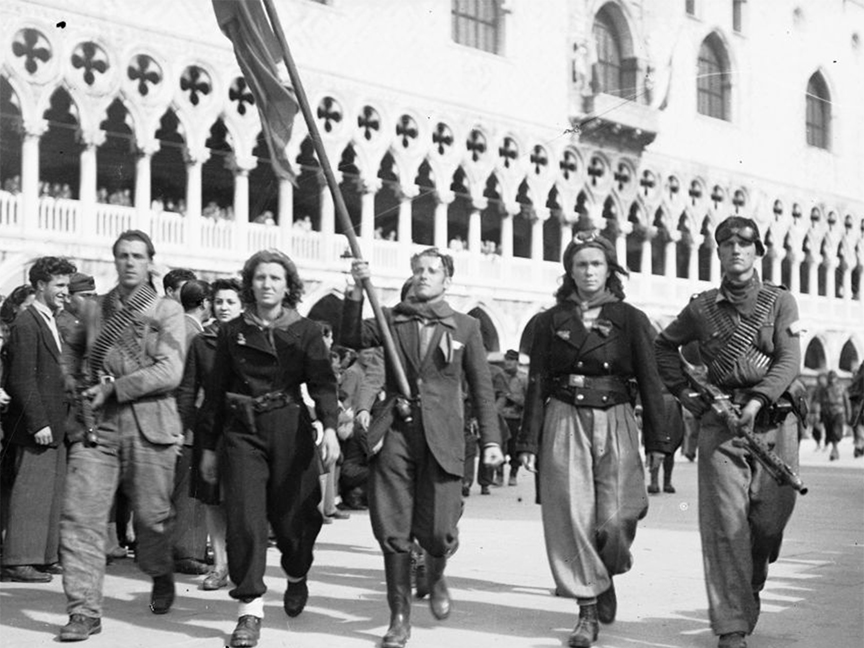
Today, Tracie, the girls, and I watch scenes on TV that seem plucked from a Neorealist film: the raids targeting brown people in our country, protesters being shot by federal agents, the concentration camps where brown people are treated like animals (see Pontecorvo’s “Kapò”), the imperial wars in Iran and Ukraine, the plight of Palestinian children…
Sometimes I wonder if we are just another bourgeois family in 1933 quietly pretending that the world isn’t falling apart. Actually, it’s more like 1939 at this point.
At our dinner table, we talk every night about the tragedies unfolding across our planet.
But like those Neorealist characters, we also try to find beauty and joy in the world around us, in the mundane as it were, in each other. If we didn’t, all would be lost. Maybe it was those characters’ fleeting joy, however ephemeral, that gave them the courage to withstand the unthinkable. I hope so.

 Tracie and I share our heartfelt thanks with everyone who contributed to
  In 2017, the group — the contemporary incarnation of the Ku Klux Klan — completed construction and began displaying the flags. Despite Herculean efforts by the City of Orange to block them, nothing could be done because the monument stands on private land.
  Congratulations to my longtime friend Laura Castelletti on her win as the new mayor of Brescia!
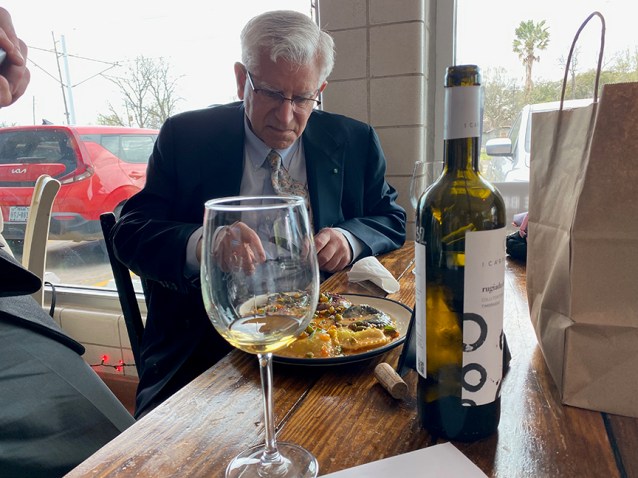 More than any others, two people have been the inspiration for my career: my dissertation advisor Luigi Ballerini and Darrell Corti.
 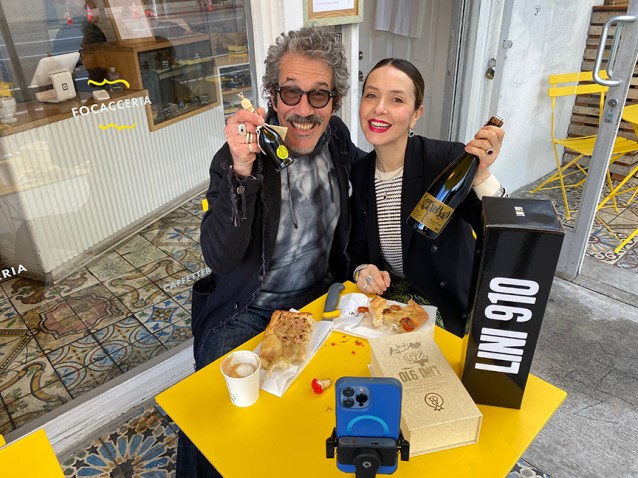 Above: Alicia Lini, right, with my longtime friend and social media influencer, Giovanni Contrada, aka Imp of the Perverse.
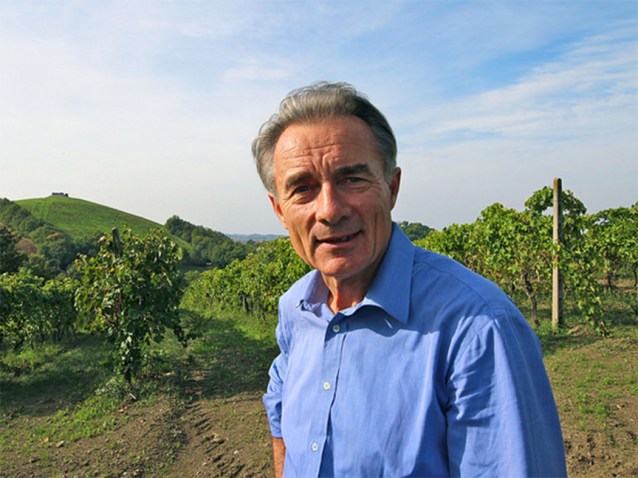 The following obituary by Filippo Larganà has been excerpted and translated from the popular Piedmont-focused wine, food, and agropolitics blog
  Do Bianchi